
The bathroom, often the smallest room in the house, holds an outsized importance in our daily routines. It’s a sanctuary for waking up, a space for quiet reflection, and a place to prepare for the day ahead or unwind in the evening. The centerpiece of this functional yet intimate space is arguably the basin countertop. It’s not just a surface to hold your sink; it’s a canvas that sets the tone for the entire room’s aesthetic. In recent years, two materials have risen to prominence, vying for the top spot in homeowners’ hearts and designers’ blueprints: sintered stone and ceramic.

Choosing between these two can feel like a significant decision, and rightly so. Your basin countertop is an investment that needs to withstand the daily onslaught of water, soap, toothpaste, and countless other elements. Beyond mere functionality, it’s a key player in defining the visual appeal of your bathroom. So, let’s embark on a journey to dissect the unique characteristics of sintered stone and ceramic, helping you unravel this design dilemma and confidently select the perfect material for your cherished bathroom basin.
Sintered stone, a relatively new contender in the material world, has quickly garnered a reputation for its exceptional performance and striking good looks. Imagine a material born from a sophisticated fusion of natural minerals, subjected to immense pressure and heat, mimicking the geological process of stone formation but in a controlled, accelerated environment. This process results in a non-porous, incredibly dense slab that boasts a remarkable array of benefits.
One of the most compelling advantages of sintered stone is its unparalleled durability. Its non-porous nature means it’s virtually impervious to stains. Coffee, red wine, makeup – spills that might cause a permanent blemish on other surfaces are no match for sintered stone. This inherent resistance to absorption also makes it exceptionally hygienic, as bacteria and mold struggle to find a foothold. For a bathroom environment, where moisture and various substances are commonplace, this is a significant boon.

Beyond its practical resilience, sintered stone offers a vast spectrum of aesthetic possibilities. Manufacturers can replicate the look of natural stone, from the dramatic veining of marble to the earthy tones of granite, with stunning accuracy. But it doesn’t stop there. Sintered stone can also be manufactured in a dazzling array of colors, patterns, and finishes, including matte, polished, and textured options. This versatility allows designers and homeowners to achieve virtually any look, from ultra-modern minimalist to classic opulence. The ability to create large, seamless slabs also contributes to a clean, sophisticated aesthetic, minimizing grout lines and creating a sense of uninterrupted flow.
The strength of sintered stone is another major draw. It possesses an impressive resistance to scratching, impact, and thermal shock. This means you don’t have to constantly worry about accidental bumps from toiletries or placing hot items on the surface (though caution is always advised, of course). Its resistance to UV rays also means that if your bathroom receives direct sunlight, the color and integrity of the sintered stone will remain consistent over time, resisting fading or degradation.
When it comes to maintenance, sintered stone truly shines. Its non-porous surface means that cleaning is typically a breeze. A simple wipe-down with a damp cloth and mild soap is usually all that’s needed to keep it looking pristine. There’s no need for harsh chemicals or specialized sealants, which can be a significant advantage for busy households or those who prefer a low-maintenance lifestyle. This ease of care translates to more time enjoying your beautiful bathroom and less time scrubbing it.
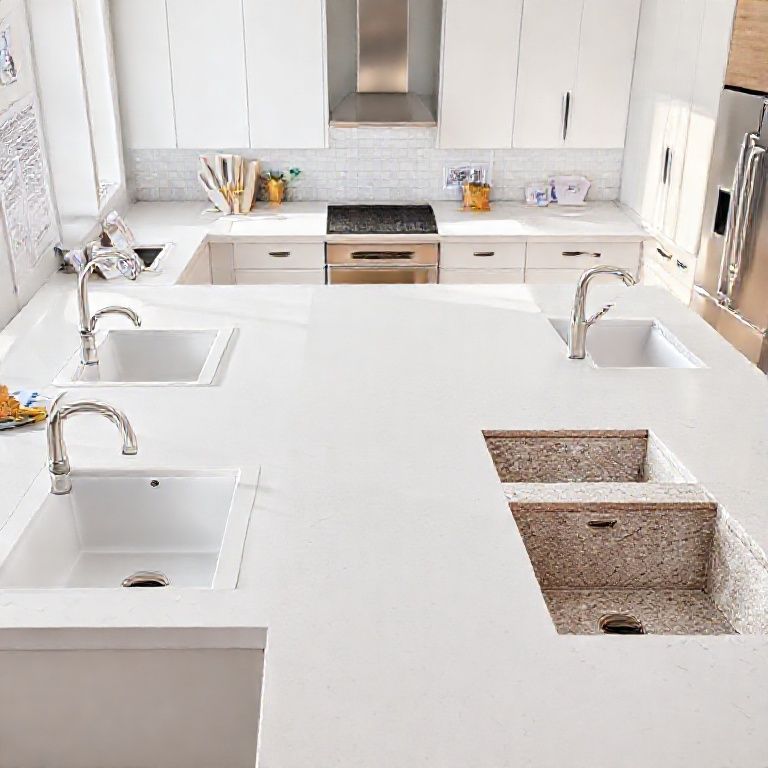
However, like any material, sintered stone is not without its considerations. While incredibly durable, it can be brittle if subjected to a sharp, concentrated impact. This means that while it resists general wear and tear exceptionally well, extreme localized force could potentially cause chipping or cracking. The installation process also requires skilled professionals, as these dense slabs can be heavy and require specialized cutting and handling techniques.
The cost of sintered stone can also be a factor. Generally, it tends to be at the higher end of the price spectrum compared to ceramic. This investment, however, is often justified by its superior durability, low maintenance, and exquisite aesthetic appeal, which can add significant value to your home.
Now, let’s turn our attention to ceramic, a material that has graced bathrooms and kitchens for centuries and continues to be a beloved choice for many. Ceramic, in its various forms like porcelain and earthenware, is essentially a man-made material created by firing clay and other natural minerals at high temperatures. Its long-standing presence in the world of home design is a testament to its inherent qualities and adaptability.
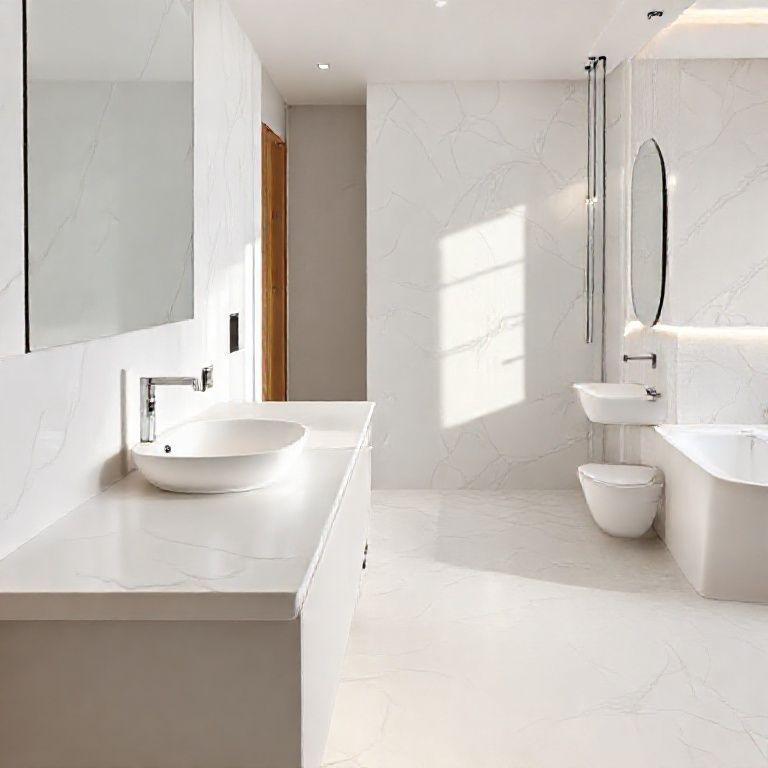
Ceramic, particularly porcelain, offers a fantastic balance of durability and affordability. It is known for its hardness and resistance to scratching and everyday wear and tear. While it might not reach the same extreme levels of density as sintered stone, high-quality ceramic is certainly robust enough for the demands of a bathroom basin countertop. Its glazed surface provides a protective barrier against moisture and stains, making it relatively easy to clean and maintain.
Aesthetically, ceramic has come a long way. While it might not always achieve the ultra-realistic replication of natural stone that sintered stone can, modern ceramic tiles and slabs can mimic a wide range of looks, from classic marble and granite patterns to contemporary abstract designs. The advent of digital printing technology has allowed for incredibly detailed and varied designs, offering a vast palette of colors, textures, and finishes to suit almost any décor. From glossy and sleek to matte and subtly textured, ceramic provides a wealth of options to personalize your bathroom.
One of the significant advantages of ceramic is its versatility in form. It’s commonly available as tiles, which can be a more budget-friendly option and allow for creative patterns and mosaics. However, for basin countertops, larger format ceramic slabs are also available, offering a more seamless look similar to stone countertops. The ability to cut and shape ceramic with relative ease makes it a flexible choice for custom designs or specific basin integrations.
Ceramic is also generally considered a safe and reliable choice in terms of thermal resistance. It can withstand moderate temperature fluctuations without significant issues, making it suitable for most bathroom environments. Its non-reactive nature means it won’t be affected by common household cleaning agents, adding to its practicality.
When it comes to maintenance, ceramic is generally quite forgiving. For most spills and daily grime, a damp cloth with a mild detergent is sufficient. The glazed surface is easy to wipe clean, and it doesn’t typically require sealing, unlike some natural stones. This makes it a practical choice for busy households where quick clean-ups are a necessity.
However, ceramic does have its limitations, particularly when compared to the supreme density of sintered stone. While durable, ceramic is more porous than sintered stone, especially if the glaze is chipped or scratched. This can make it more susceptible to staining over time if not promptly cleaned. Also, while resistant to scratches, a sharp, heavy object dropped directly onto a ceramic surface can lead to chipping or cracking, especially on the edges.
The installation of ceramic tiles, while often straightforward, can involve grout lines, which can be a maintenance concern. Grout can absorb moisture and stains over time, potentially leading to discoloration and requiring periodic sealing and cleaning. Even with large format slabs, the integrity of the edges needs careful attention during installation.
Cost-wise, ceramic generally presents a more accessible entry point. It’s often a more budget-friendly option than sintered stone, making it an attractive choice for those looking to renovate on a tighter budget without compromising too much on style and functionality. The wide availability of ceramic products also contributes to competitive pricing.
Ultimately, the choice between sintered stone and ceramic for your bathroom basin countertop boils down to a careful consideration of your priorities. Are you seeking the pinnacle of stain and scratch resistance, a material that offers an almost indestructible surface with a luxurious, seamless finish? Or are you looking for a reliable, aesthetically pleasing, and more budget-conscious option that still offers excellent durability and a wide range of design possibilities? Understanding these nuances will pave the way for a decision that not only enhances the beauty of your bathroom but also ensures its longevity and ease of care for years to come.
As we delve deeper into the practicalities of selecting a basin countertop material, the dialogue between sintered stone and ceramic continues, moving beyond initial impressions to explore the finer points that might sway your decision. While both materials offer compelling advantages, their distinct characteristics begin to crystallize when we consider specific use cases, long-term value, and the subtle nuances of their interaction with the bathroom environment.
Let’s revisit the concept of porosity. Sintered stone, by its very nature, is engineered to be non-porous. This is a significant differentiator. Think of it as a meticulously crafted, incredibly dense shield. This means that liquids, oils, and common household chemicals have virtually no way to penetrate the surface. This characteristic is particularly advantageous in a bathroom where products like hairspray, nail polish remover (though still best avoided directly), and even strong cleaning agents might, despite our best efforts, come into contact with the countertop. For individuals who prioritize impeccable hygiene and minimal risk of permanent staining, sintered stone offers an unparalleled level of assurance. The peace of mind that comes from knowing a spilled bottle of foundation won’t leave an indelible mark is a luxury in itself.
Ceramic, while benefiting from a glazed surface, still retains a degree of porosity, especially if the glaze is compromised. While modern ceramics are highly resistant, a deep scratch or a chip can expose the underlying material, which might be more susceptible to absorbing moisture and stains. This doesn’t mean ceramic is inherently flawed; rather, it suggests a need for slightly more diligent care. For those who tend to be meticulous with cleaning, or whose household routines are less prone to accidental spills of stubborn substances, ceramic remains a highly viable and attractive option. The key is understanding that while ceramic offers excellent protection, it doesn’t quite possess the “set it and forget it” resilience of sintered stone in the face of extreme abuse.
The aesthetic dimension is where the competition becomes even more fascinating. Sintered stone excels in its ability to flawlessly mimic natural stone. Manufacturers have become incredibly adept at reproducing the intricate veining, subtle color variations, and natural imperfections that make materials like marble and quartzite so desirable. The advantage here lies in achieving this high-end look without the inherent variability and maintenance demands of natural stone. Furthermore, the large format slabs available in sintered stone allow for dramatic, unbroken surfaces that can be particularly impactful in contemporary bathroom designs. Imagine a waterfall edge on your vanity, seamlessly flowing down the side of the cabinet – this effect is often more easily and flawlessly achieved with sintered stone due to its availability in large, consistent pieces.
Ceramic, on the other hand, offers a different kind of aesthetic freedom. While it can certainly mimic natural materials, its true strength lies in its boundless design potential. Beyond stone looks, ceramic can be manufactured in an infinite spectrum of colors, abstract patterns, and even three-dimensional textures. This opens up possibilities for creating truly unique and personalized bathroom statements. For a designer or homeowner looking to make a bold chromatic choice, or to incorporate a playful geometric pattern, ceramic often provides a more extensive and cost-effective canvas. The availability of tiles also allows for creative mosaic designs or intricate tile layouts that can add character and visual interest, something that is inherently more challenging and expensive to achieve with solid slabs of sintered stone.
When we consider the environmental impact, both materials have their own stories. Sintered stone is manufactured through an energy-intensive process, but its extreme durability and longevity mean that it rarely needs to be replaced. This reduces waste over its lifespan. Additionally, many manufacturers are increasingly focusing on sustainable production methods. Ceramic, being made from natural clay, is inherently a more natural material. Its production can also be energy-intensive, but again, its durability contributes to its sustainability. The choice might come down to the specific manufacturing processes of the brands you are considering and the lifecycle assessment of the products.
The installation aspect warrants a closer look. Sintered stone, due to its density and weight, typically requires professional installation. This means the cost of installation might be higher, and the process more specialized. However, this also ensures that the material is handled correctly, minimizing the risk of damage during fitting. Ceramic tiles, especially smaller formats, can sometimes be a DIY project for the more adventurous homeowner, though professional installation is always recommended for a flawless finish, particularly for large format slabs. For basin countertops, even with ceramic, professional fitting is usually the norm to ensure a perfect seal and integration with plumbing.
Let’s talk about the long-term value proposition. Sintered stone, with its superior resistance to damage and minimal maintenance requirements, often represents a significant long-term investment. Its longevity means it’s less likely to need replacement due to wear and tear, thus saving money and resources in the long run. Its high-end appearance can also contribute positively to a property’s value. Ceramic, while more affordable upfront, might require more careful handling and potentially earlier replacement if it sustains significant damage. However, its lower initial cost makes it an excellent option for achieving a stylish bathroom without an exorbitant outlay. The “value” then becomes a balance between initial cost, expected lifespan, and the cost and effort of maintenance.
Think about the tactile experience. Sintered stone can offer a smooth, cool, and solid feel, depending on the finish. Its density translates to a substantial and high-quality sensation. Ceramic, especially with a matte finish, can also provide a pleasing texture, and glazed ceramics often have a sleek, smooth surface. The choice here is often subjective and depends on the overall sensory experience you wish to create in your bathroom.
Consider the thermal properties. Both materials are generally stable in typical bathroom temperatures. However, in very hot or very cold environments, or with rapid temperature changes, dense materials like sintered stone might take slightly longer to adjust to ambient temperature compared to a more porous material. This is generally a negligible factor in most residential settings.
When making your final decision, it’s incredibly beneficial to experience these materials firsthand. Visit showrooms, touch the samples, and observe how light reflects off different finishes. Consider the specific demands of your household. Are there young children who might be more prone to banging things? Do you entertain frequently, leading to more potential for spills? Is your bathroom a high-traffic area, or more of a quiet retreat?
The “wow” factor is also a consideration. Sintered stone, with its ability to mimic luxury natural stones and its seamless slab appearance, often commands a sense of high-end sophistication. It whispers elegance and exclusivity. Ceramic, particularly in unique colors or intricate patterns, can offer a different kind of “wow” – one of bold design, artistic expression, and personalized flair.
Ultimately, the basin countertop is more than just a functional surface; it’s a statement piece within your bathroom. Whether you lean towards the uncompromising resilience and sophisticated mimicry of sintered stone, or the versatile design palette and accessible elegance of ceramic, the right choice will be the one that best aligns with your vision for your sanctuary. It’s about finding that perfect synergy of beauty, durability, and practicality that will serve you well, and delight your senses, for years to come. The journey of choosing is as rewarding as the final installation, and with a clear understanding of these materials, you are well-equipped to make a decision you’ll be proud of.








