
Embarking on a bathroom renovation or even just a minor refresh is an exciting journey, a chance to sculpt a space that truly reflects your personal style and caters to your daily needs. Amongst the myriad of decisions, from tile choices to lighting, the bathroom countertop stands as a central focal point, influencing both the overall aesthetic and the practical functionality of the room. Two prominent contenders have emerged, each offering a unique proposition: the integrated basin countertop and the sintered stone slab countertop. For those pondering the question, “浴室柜台面选一体盆还是岩板” (should I choose an integrated basin or a sintered stone slab for my bathroom countertop?), this exploration aims to illuminate the path forward, offering a detailed comparison of their merits and potential drawbacks.

The integrated basin countertop, often referred to as a one-piece vanity top, presents a vision of seamless elegance. Imagine a smooth, uninterrupted surface that flows directly into the basin, creating a clean, minimalist look that is undeniably chic. This design eliminates the traditional separation between the countertop and the sink, eradicating grout lines and crevices where dirt and grime can accumulate. The result is a surface that is not only visually appealing but also remarkably easy to clean and maintain. For busy households, this is a significant advantage. A quick wipe down is all it takes to restore its pristine condition, freeing up valuable time and minimizing the drudgery of deep cleaning.
The materials used for integrated basins vary, but common options include solid surface materials like cultured marble, acrylic, or quartz composites. Each offers its own set of characteristics. Cultured marble, for instance, provides a luxurious marble-like appearance at a more accessible price point. It’s also non-porous, which helps prevent staining and bacterial growth. Acrylic integrated basins are known for their durability and resistance to impact, making them a robust choice for high-traffic bathrooms. Quartz composites, on the other hand, offer exceptional hardness and resistance to scratches and heat, mirroring the desirable qualities of natural quartz. The monolithic construction of integrated basins also contributes to their modern and sophisticated appeal. They exude a sense of understated luxury, transforming a functional space into a design statement. This inherent simplicity can be a powerful tool in creating a serene and uncluttered atmosphere, a welcome respite from the demands of modern life.
However, the beauty of integration comes with certain considerations. While the seamless design is a significant boon for cleanliness, it can also present challenges if damage occurs. Repairing a chip or crack in an integrated basin might be more complex and costly than addressing a similar issue with a separate sink. Furthermore, the aesthetic of integrated basins leans heavily towards modern and minimalist designs. While this is a pro for many, it might not align with traditional or more ornate bathroom styles. If you envision a bathroom with a classic feel, an integrated basin might feel out of place. The selection of colors and finishes, while extensive for many integrated basin materials, can sometimes be more limited compared to the vast array of options available with separate sinks and countertops.
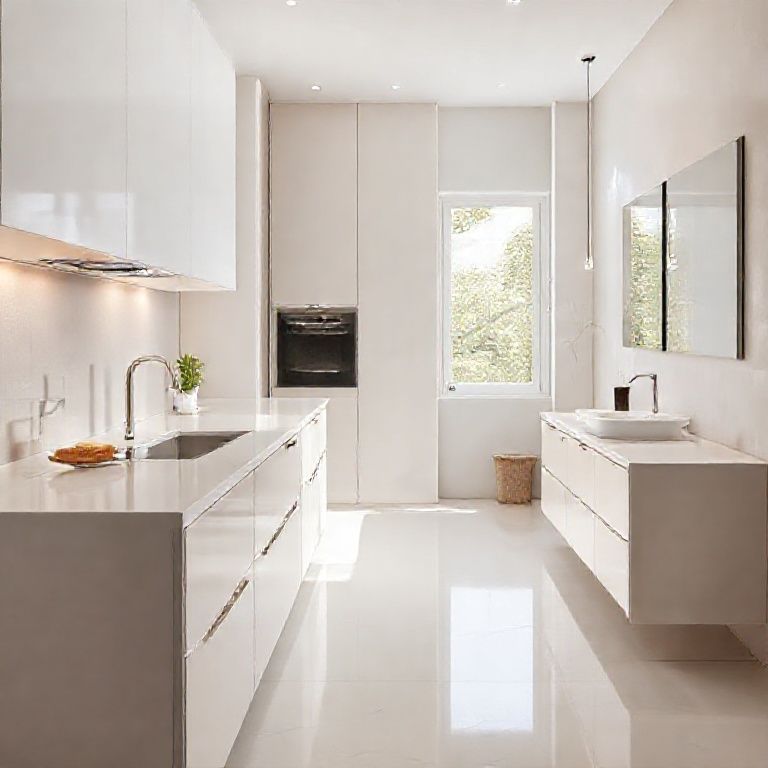
On the other side of the spectrum stands the sintered stone slab countertop, a material that has rapidly gained traction in the design world for its exceptional performance and striking aesthetics. Sintered stone is a man-made material created by subjecting a blend of natural minerals to extreme heat and pressure. This process fuses the particles together, creating a dense, non-porous, and incredibly durable slab. The resulting material is a marvel of modern engineering, boasting a remarkable resilience that makes it ideal for the demanding environment of a bathroom.
The allure of sintered stone lies in its incredible durability. It is highly resistant to scratches, stains, heat, and impact. This means that accidental spills of cosmetics, toiletries, or even minor impacts from dropped objects are unlikely to leave a lasting mark. For families with young children or for those who simply appreciate a countertop that can withstand the rigmarole of daily life, sintered stone is an exceptional choice. Its non-porous nature is another significant advantage. Unlike natural stone which can be susceptible to staining, sintered stone repels liquids, preventing them from seeping into the material and causing discoloration. This makes it exceptionally hygienic, a critical factor in a bathroom environment.
Beyond its performance, sintered stone offers a breathtaking range of aesthetic possibilities. It can mimic the intricate veining of natural marble, the earthy tones of travertine, or the consistent elegance of granite, often with a level of detail and realism that is truly impressive. This versatility allows designers and homeowners to achieve a high-end look without the inherent porosity and maintenance concerns of some natural stones. The availability of large format slabs also means that countertops can be fabricated with minimal seams, contributing to a clean and sophisticated appearance, though it’s important to note that the basin itself will typically be a separate component. The visual impact of a sintered stone countertop, whether it features bold veining or a subtle, understated texture, can elevate the entire bathroom, lending an air of refined luxury.
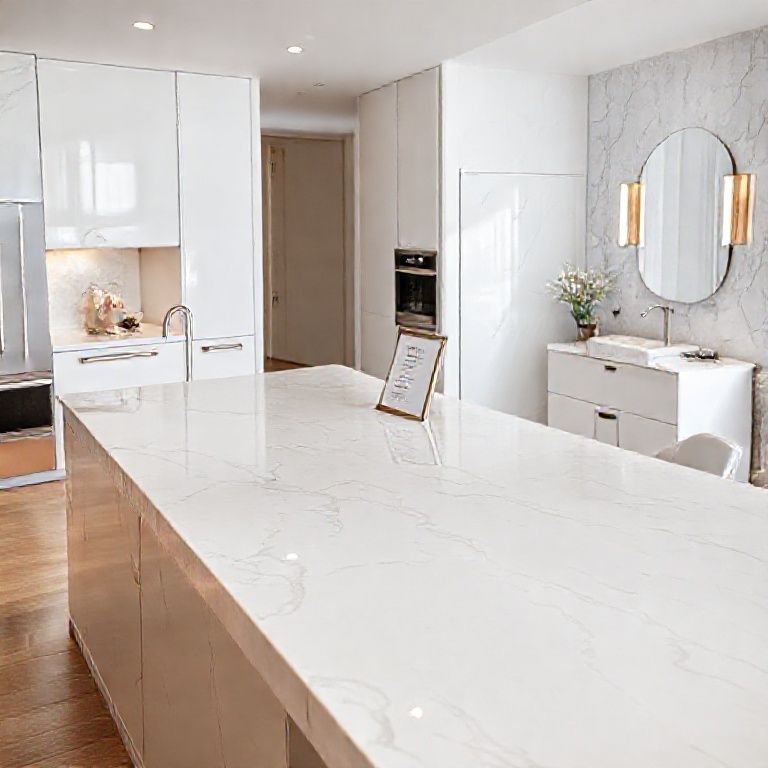
When considering sintered stone, it’s important to acknowledge that while the slab itself is incredibly durable, the installation process requires expertise. Proper sealing and fabrication are crucial to ensure its longevity and optimal performance. While the material itself is largely maintenance-free, the surrounding elements, such as the chosen sink and faucet, will still require regular cleaning. The initial investment for sintered stone can also be higher than for some other countertop materials, reflecting its superior durability and aesthetic appeal. However, many view this as a worthwhile investment in a material that will retain its beauty and functionality for years to come, potentially offering better long-term value.
Choosing between an integrated basin and a sintered stone slab is a decision that hinges on a delicate balance of priorities. Are you drawn to the ultimate in seamless design and effortless cleaning, or do you prioritize unparalleled durability and a vast canvas of sophisticated aesthetics? The answer lies in understanding how each option aligns with your vision for your bathroom.
Continuing our deep dive into the realm of bathroom countertops, let’s further explore the nuances between integrated basin countertops and sintered stone slabs, focusing on practical considerations that will guide your decision-making process. The question, “浴室柜台面选一体盆还是岩板” (should I choose an integrated basin or a sintered stone slab for my bathroom countertop?), invites a closer look at how each option performs in the real world, under the constant demands of daily use.
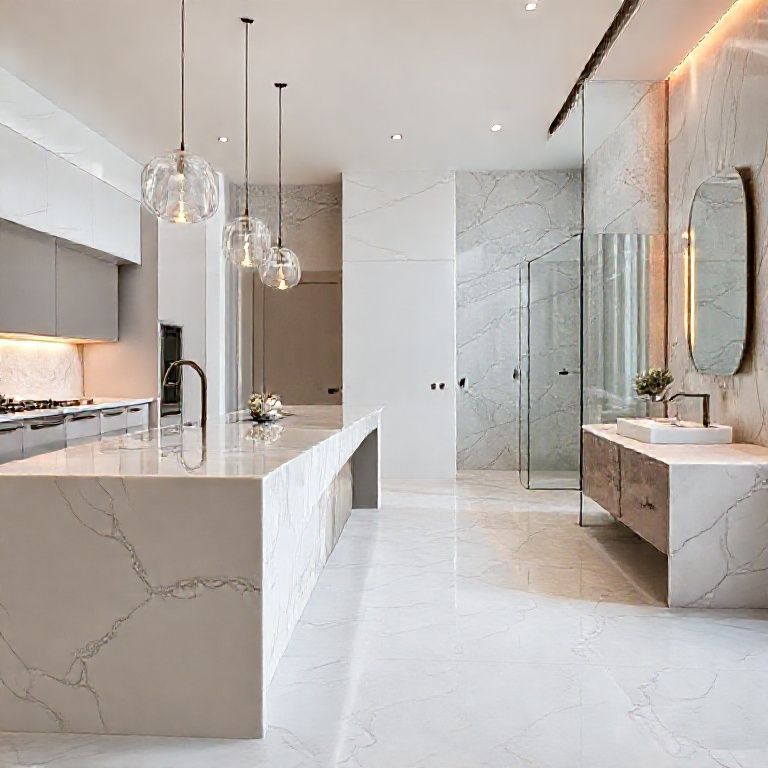
From a functional perspective, the integrated basin offers unparalleled ease of maintenance. The absence of seams between the countertop and the basin means there are no hidden nooks or crannies for soap scum, toothpaste, or hard water deposits to lodge themselves. This monolithic design simplifies cleaning to a swift wipe-down with a damp cloth and mild cleaner. For individuals who value efficiency and a consistently pristine appearance, this is a compelling argument. Imagine the relief of never having to scrub at stubborn grout lines or reach into awkward corners. This seamlessness also contributes to a more hygienic environment, as bacteria has fewer places to hide and proliferate. Furthermore, the smooth, uninterrupted surface of an integrated basin can contribute to a sense of calm and order in the bathroom, a sanctuary designed for relaxation and rejuvenation. The visual simplicity can be incredibly soothing, fostering an atmosphere of tranquility.
However, the very nature of integration can present a unique set of challenges should damage occur. While integrated basins are generally durable, a significant chip or crack, though rare, might necessitate the replacement of the entire countertop unit. This can be a more involved and costly repair than simply replacing a separate sink. The aesthetic appeal of integrated basins also tends to lean towards contemporary and minimalist styles. If your heart is set on a more traditional or eclectic bathroom design, an integrated basin might not provide the desired aesthetic harmony. While a variety of colors and patterns are available, the design options might be perceived as more limited compared to the vast spectrum of choices offered by separate countertop slabs and sinks, especially when considering the nuanced patterns and textures achievable with materials like sintered stone.
Sintered stone slabs, on the other hand, offer a robustness that is hard to match. This engineered material is born from a meticulous process of fusing natural minerals under immense heat and pressure, resulting in a slab of extraordinary density and resilience. The outcome is a countertop that is virtually impervious to scratches, stains, and heat. This means that even the most vigorous daily use, from accidental knocks with hair dryers to the inevitable spills of perfumes and lotions, will likely leave no trace. For a busy family bathroom or a high-end guest powder room, this level of durability translates into peace of mind and a long-lasting investment. The non-porous nature of sintered stone is another critical advantage, particularly in a bathroom where moisture and various cleaning agents are commonplace. Unlike natural porous stones that can absorb liquids and stains, sintered stone repels them, making it inherently hygienic and resistant to discoloration.
The aesthetic versatility of sintered stone is truly remarkable. Designers can select slabs that precisely emulate the luxurious veining of Calacatta marble, the rich warmth of natural wood, or the subtle elegance of concrete, all with incredible fidelity. This allows for the creation of truly bespoke bathrooms, where the countertop becomes a statement piece, defining the room’s character. The availability of large format slabs also means that countertops can be fabricated with minimal or even no visible seams, contributing to a sleek and sophisticated look. However, it’s important to remember that with a sintered stone slab countertop, you will still need to select a separate basin. The choice of basin material and design will then need to complement the sintered stone. While the sintered stone itself is exceptionally durable, the installation requires skilled professionals to ensure a flawless finish and optimal performance. The initial cost of sintered stone may be higher than some alternative materials, but this is often offset by its longevity and the minimal maintenance required over its lifespan.
When considering the installation and maintenance aspects, both options have their unique points. Integrated basins, due to their one-piece construction, can sometimes be slightly simpler to install as a complete unit. However, the weight and size of these units can also make them cumbersome. Maintenance, as discussed, is a clear win for integrated basins in terms of daily cleaning. Sintered stone slabs, while incredibly durable, require precise fabrication and installation by experienced professionals. Once installed, their maintenance is straightforward, focusing on cleaning the slab and the separately installed sink.
Budget is, of course, a significant factor in any renovation. Integrated basins can range in price depending on the material and brand, but generally, they can offer a more budget-friendly option for achieving a sleek, modern look. Sintered stone, with its superior performance characteristics and sophisticated appearance, often represents a higher initial investment. However, when considering the long-term durability and reduced need for repairs or replacements, sintered stone can prove to be a more cost-effective solution over time.
Ultimately, the choice between an integrated basin countertop and a sintered stone slab countertop for your bathroom boils down to your personal priorities and how you envision your bathroom functioning and looking. If your paramount concerns are effortless cleaning, a seamless modern aesthetic, and a straightforward approach to maintenance, an integrated basin might be your ideal solution. The unbroken surface and hygienic properties offer a tangible benefit for daily living. Conversely, if you are seeking the pinnacle of durability, a vast palette of sophisticated design possibilities, and a material that can withstand the rigors of time and use with minimal fuss, a sintered stone slab, paired with a complementary basin, offers an exceptional and enduring choice. Both paths lead to beautiful and functional bathrooms, but understanding their distinct strengths will empower you to make the decision that best suits your unique needs and desires.









