
The bathroom, often overlooked in the grand scheme of home décor, is increasingly becoming a sanctuary, a personal retreat from the everyday hustle. And at the heart of this transformation often lies the bathroom vanity – a crucial element that blends functionality with style. When it comes to selecting the materials for your vanity countertop and basin, the choices can feel overwhelming. Today, we’re going to delve into a particularly compelling combination: the elegance of sintered stone countertops paired with the timeless appeal of ceramic basins. This dynamic duo promises both aesthetic sophistication and everyday resilience, but like any design choice, it comes with its own set of advantages and considerations.

Let’s begin by unraveling the allure of sintered stone for your vanity countertop. Imagine a material born from a meticulous process, mimicking the very essence of natural stone but engineered for superior performance. Sintered stone is essentially a composite material created by subjecting a blend of natural minerals – quartz, feldspar, and clays – to extreme heat and pressure. This transforms them into an inert, non-porous slab that is remarkably hard, durable, and visually stunning. The aesthetic possibilities with sintered stone are virtually limitless. Whether you’re drawn to the dramatic veining of marble, the earthy tones of travertine, or the sleek uniformity of concrete, sintered stone can replicate these looks with uncanny accuracy, often at a fraction of the cost and with enhanced practical benefits. This versatility allows you to achieve a high-end look without breaking the bank, offering a level of design freedom that natural stone simply cannot match.
The advantages of sintered stone extend far beyond its visual appeal. Its non-porous nature is a significant selling point, especially in a moisture-rich environment like a bathroom. Unlike natural stones that can absorb spills and stains, sintered stone is virtually impervious. This means that toothpaste, makeup, hairspray, or even accidental spills of colored liquids are unlikely to leave a lasting mark. Cleaning becomes a breeze, requiring only a damp cloth and mild soap. This inherent resistance to stains translates to a vanity that will maintain its pristine appearance for years to come, requiring minimal fuss.
Furthermore, sintered stone boasts exceptional resistance to heat and scratches. Life in a busy household can be tough on surfaces. Accidental knocks from toiletries, the heat from styling tools, or even direct sunlight can take their toll on less robust materials. Sintered stone, however, is engineered to withstand these daily challenges. It’s far less likely to chip, crack, or scratch compared to many natural stones or even some engineered quartz products. This robust nature makes it an ideal choice for families with children or for those who appreciate a low-maintenance lifestyle. The peace of mind that comes with knowing your vanity can handle the rigors of daily use is a significant comfort.
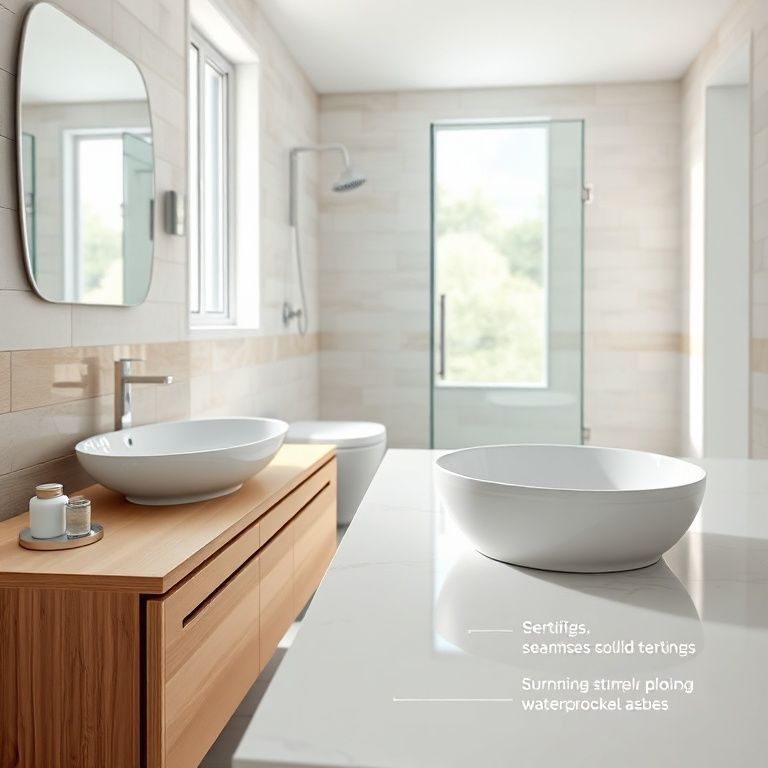
The durability of sintered stone also translates to its longevity. It’s a material designed to stand the test of time, both in terms of its physical integrity and its visual appeal. Trends in home décor may shift, but the classic beauty of a well-designed sintered stone vanity is likely to remain timeless. This makes it a wise investment for your home, offering a sophisticated touch that won’t feel dated in a few years.
However, while the benefits of sintered stone are substantial, it’s important to consider potential drawbacks. While incredibly durable, sintered stone is not indestructible. Extremely sharp or heavy objects dropped directly onto an edge can potentially cause chipping, although this is less common than with natural stone. Installation can also be a more specialized process. Due to its hardness and weight, it often requires professional installation to ensure it’s properly supported and cut. This can add to the overall cost of the project. Another consideration is that while sintered stone can mimic natural stone beautifully, it may lack the unique, unrepeatable variations that some individuals cherish in authentic materials. If you’re seeking a one-of-a-kind piece with inherent imperfections that tell a story, sintered stone might not fully satisfy that desire. Finally, while generally more affordable than high-end natural stones, it can still represent a significant investment compared to more basic countertop materials.
Now, let’s turn our attention to the ceramic basin, the perfect complementary partner for your sintered stone countertop. Ceramic, in the context of bathroom sinks, typically refers to porcelain or vitreous china. These materials are crafted from clay that is fired at high temperatures, resulting in a hard, durable, and vitreous surface. Ceramic has been a staple in bathrooms for centuries, and for good reason. Its enduring popularity is a testament to its proven track record of performance and its classic aesthetic.
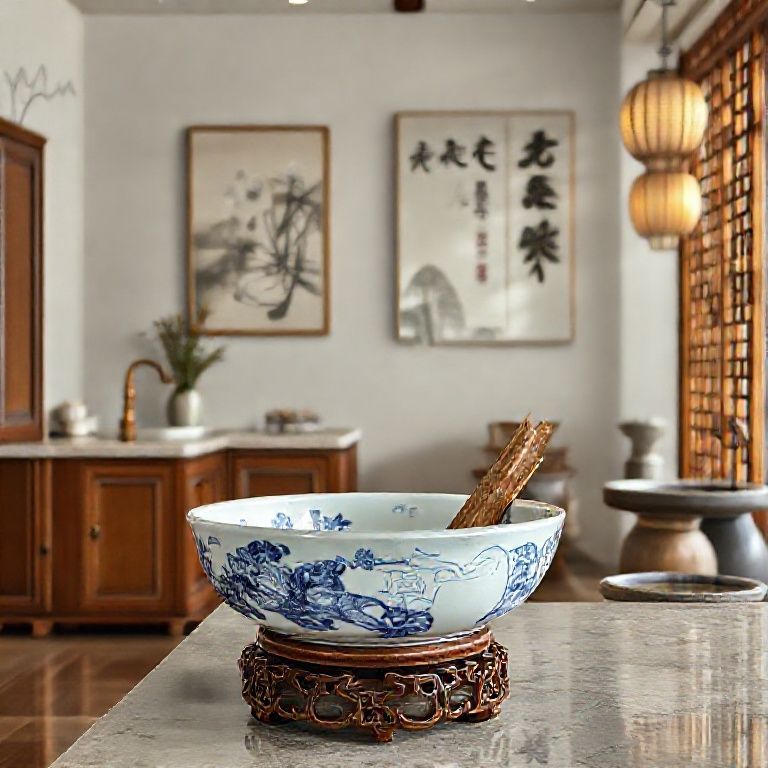
The primary advantage of a ceramic basin is its remarkable resilience and ease of maintenance. Much like sintered stone, ceramic is non-porous, making it highly resistant to stains and easy to clean. Everyday bathroom products won’t seep into the surface, and a quick wipe with a damp cloth is usually all that’s needed to keep it sparkling. This makes it incredibly practical for high-traffic bathrooms where cleanliness is paramount.
Ceramic is also highly resistant to chips and scratches, though perhaps not to the same extreme degree as sintered stone. Normal use, such as running water or placing toiletries, won’t cause damage. It can withstand moderate impacts, and its smooth, glazed surface is generally forgiving to cleaning agents, allowing for the use of common household disinfectants without fear of etching or discoloration. This is a significant plus for maintaining hygiene in the bathroom.
The aesthetic versatility of ceramic basins is another compelling factor. They come in a vast array of styles, from the classic pedestal sink to the sleek undermount basin that seamlessly integrates with your countertop. You can find them in a spectrum of colors, although white and off-white remain the most popular choices, offering a clean and timeless look that complements virtually any bathroom design. The simplicity and purity of a white ceramic basin can create a sense of calm and spaciousness, making even a small bathroom feel more open and airy.
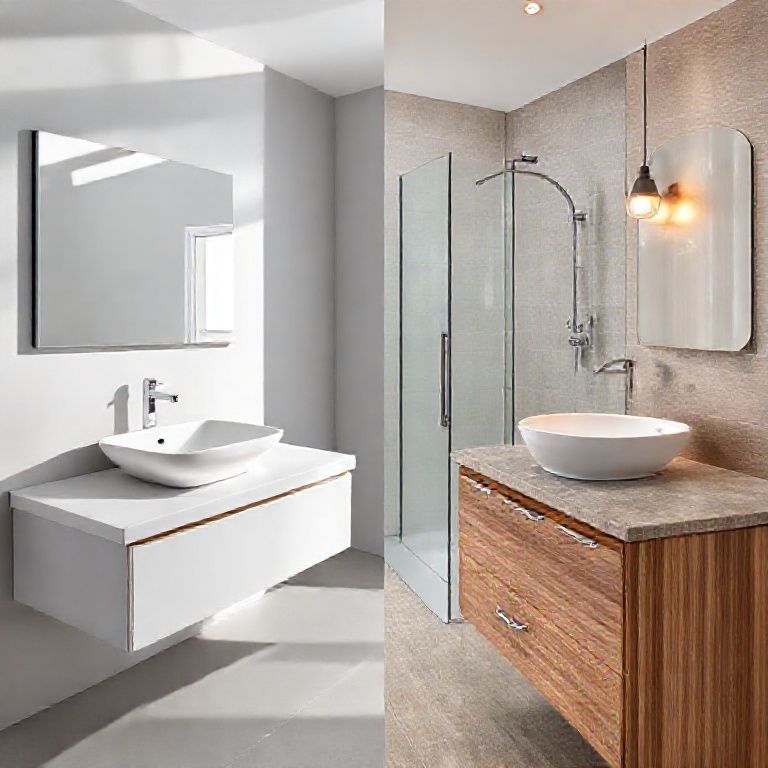
Furthermore, ceramic is a relatively cost-effective material. When compared to other basin materials like solid surface, natural stone, or even certain metals, ceramic offers excellent value for money. You can achieve a high-quality, durable, and attractive sink without a prohibitive price tag. This makes it an accessible choice for a wide range of budgets and renovation projects. The affordability of ceramic allows you to allocate more of your budget to other elements of your bathroom design, perhaps investing in premium faucets or more intricate tile work.
However, there are a few points to consider with ceramic basins. While durable, they are more susceptible to cracking or chipping from significant impact than sintered stone. Dropping a heavy object directly into the basin, for instance, could potentially cause damage. Repairs to chips or cracks in ceramic can also be challenging to execute flawlessly, sometimes requiring professional attention or a full replacement. Another potential issue is the grout line, if the basin is of the top-mount variety. Over time, grout can become discolored or harbor mildew if not properly sealed and maintained, which can detract from the overall aesthetic. Undermount ceramic basins largely circumvent this issue, offering a cleaner line and easier cleaning. Finally, while white ceramic is classic, it can show water spots or mineral deposits more readily than darker-colored materials, especially in areas with hard water. Regular cleaning is key to maintaining its pristine appearance.
When considering the combination of a sintered stone countertop and a ceramic basin, you are essentially pairing two materials that excel in durability and ease of maintenance. The non-porous nature of both surfaces means that spills and stains are less of a concern, and cleaning is straightforward. This is a practical powerhouse of a combination, designed to withstand the demands of daily life.
Continuing our exploration of the sintered stone countertop and ceramic basin pairing, let’s delve deeper into how these materials work together to create a harmonious and functional bathroom space. The synergy between these two materials lies in their complementary strengths, offering a balanced approach to both aesthetic appeal and practical performance. When you envision your bathroom vanity, the countertop and basin are the focal points, and the interplay between them significantly influences the overall look and feel of the room.
The sintered stone countertop provides a robust and visually rich foundation. Its ability to mimic a wide range of natural stone patterns, from the subtle elegance of Calacatta marble to the bold dynamism of Nero Marquina, allows for immense design flexibility. This means you can achieve a luxurious, high-end look without the inherent porosity and maintenance challenges of natural stone. Imagine a bathroom bathed in soft light, with a vanity featuring a sintered stone countertop that replicates the swirling grey veins of natural slate. This countertop offers a tactile experience that is both smooth and cool to the touch, exuding an air of sophistication. Its resistance to stains means that even if you’re a serial offender with hairspray or makeup, the surface will remain pristine, allowing you to focus on enjoying the beauty of your space rather than worrying about its upkeep.
Paired with this sophisticated countertop is the ceramic basin, a material that has earned its place in bathrooms through sheer reliability and timeless appeal. The clean lines and smooth, often white, finish of a ceramic basin provide a refreshing contrast to the patterned countertop, creating visual interest without being overwhelming. The simplicity of a ceramic basin can help ground the design, preventing the overall look from becoming too busy, especially if your sintered stone countertop features a more intricate pattern. The basin acts as a functional anchor, providing a clean and hygienic space for daily grooming rituals.
Consider the practical advantages of this combination in a family bathroom. Children can be notoriously messy, and a combination of sintered stone and ceramic offers a formidable defense against toothpaste splatters, dropped soap bars, and water spills. The non-porous nature of both materials means that cleaning up after little ones is a simple and quick affair, saving valuable time and reducing stress. You can confidently let them splash and play, knowing that the vanity surfaces are built to endure.
For those who appreciate a minimalist aesthetic, the seamless integration of an undermount ceramic basin with a sintered stone countertop is particularly appealing. This design choice eliminates the lip or edge that typically surrounds a top-mount sink, creating a continuous, flowing surface. This not only looks incredibly sleek and modern but also significantly simplifies cleaning. There are no awkward crevices for grime to accumulate, allowing you to wipe down the entire vanity surface, from the countertop to the inside of the basin, with effortless ease. This is a dream come true for anyone who values both style and low-maintenance living.
The heat resistance of sintered stone is another advantage that might not be immediately obvious but can be incredibly useful. While it’s not recommended to place scorching hot items directly on any countertop, sintered stone can generally tolerate brief exposure to heat better than some other materials. This means that if you accidentally place a warm hairdryer or curling iron on it for a moment, it’s less likely to cause damage. This added resilience contributes to the overall peace of mind that comes with choosing these materials.
When it comes to the environmental aspect, both sintered stone and ceramic can be considered relatively sustainable choices, depending on their manufacturing processes. Sintered stone is made from natural minerals, and its durability means it has a long lifespan, reducing the need for frequent replacement. Ceramic production is also a mature industry with established methods. When making your selection, it’s worth inquiring about the manufacturing practices of specific brands to make the most environmentally conscious choice.
However, no combination is perfect, and it’s important to temper enthusiasm with a realistic understanding of potential limitations. While sintered stone is incredibly hard, it can be brittle under extreme impact, particularly at the edges. If you have a habit of dropping heavy objects, you might want to consider reinforcing the edges of your vanity or being extra cautious. Similarly, while ceramic basins are durable, they are not immune to cracks from severe impact. For instance, a heavy glass bottle dropped directly into the basin could potentially cause damage.
Another aspect to consider is the initial investment. While sintered stone can be more affordable than high-end natural stones, it’s still a premium material. Similarly, while ceramic basins offer excellent value, higher-end designer ceramic sinks can come with a substantial price tag. The combined cost of a sintered stone countertop and a quality ceramic basin can be a significant investment, so it’s important to factor this into your renovation budget.
The aesthetic nuances are also worth noting. If you are someone who craves the unique, unrepeatable character of natural materials, with all their inherent variations and imperfections, then the engineered perfection of sintered stone might feel a little too uniform. While it can mimic natural stone beautifully, it won’t have the same soul as a slab of authentic marble or granite. Similarly, while ceramic basins are available in various shades, they often lean towards a cleaner, brighter aesthetic. If you’re looking for a basin with a more rustic or earthy feel, you might need to explore other material options.
Despite these minor considerations, the pairing of a sintered stone countertop with a ceramic basin emerges as a compelling choice for many homeowners. It strikes an excellent balance between luxurious aesthetics, exceptional durability, and practical, low-maintenance living. The sintered stone offers a canvas of sophisticated design possibilities, while the ceramic basin provides a reliable and hygienic workhorse for daily use.
Think about the future. As homes become more streamlined and busy lives demand less maintenance, materials that offer both beauty and resilience are highly sought after. The sintered stone and ceramic combination is perfectly positioned to meet these demands. It’s a choice that speaks to a desire for a beautiful home that is also practical and easy to live in. It’s about creating a bathroom that is not just a functional space, but a well-designed extension of your personal style, a place where you can relax, refresh, and feel truly at ease. This partnership of materials is a testament to modern ingenuity, offering a harmonious blend of form and function that is sure to enhance your living space for years to come.









