
Stepping into the realm of bathroom renovation or a brand-new build often leads to a fascinating exploration of materials and design. Among the most impactful choices you’ll make is the vanity – the heart of your bathroom’s functionality and style. Today, we’re setting our sights on two prominent contenders that have captured the attention of homeowners and designers alike: the sophisticated pairing of sintered stone countertops with separate ceramic basins, and the seamless elegance of integrated ceramic sinks. Both offer distinct advantages, and understanding these nuances is key to crafting a bathroom that is not only beautiful but also perfectly suited to your lifestyle.

Let’s begin our exploration with the sintered stone countertop and ceramic basin combination. Sintered stone, a relatively modern marvel in the material world, is born from a high-temperature, high-pressure process that fuses natural minerals. Think of it as a super-dense, incredibly durable ceramic composite. Its appeal lies in its remarkable resemblance to natural stone like marble or quartz, but with a fortitude that often surpasses its natural counterparts. The beauty of sintered stone lies in its versatility. It can be manufactured to mimic an astonishing array of patterns and colors, from the classic veining of Carrara marble to the bold, dramatic hues of exotic granites, and even the understated elegance of concrete finishes. This allows for a high degree of customization, enabling you to achieve a truly bespoke look for your bathroom.
When paired with a separate ceramic basin, the sintered stone countertop truly shines. Ceramic basins, often referred to as porcelain sinks, have been a bathroom staple for generations, and for good reason. They are crafted from clay that is fired at extremely high temperatures, resulting in a non-porous, exceptionally hard, and glossy surface. This inherent durability makes them resistant to stains, scratches, and the general wear and tear of daily bathroom use. The classic white ceramic basin offers a clean, timeless aesthetic that contrasts beautifully with the rich textures and patterns of a sintered stone countertop. This duality creates visual interest and a sense of depth, preventing the vanity from feeling monolithic.
The advantage of a separate basin is also in its maintenance and potential for replacement. Should a ceramic basin, despite its resilience, sustain damage, it can often be replaced independently of the countertop. This modularity can be a significant cost-saver in the long run. Furthermore, the distinct separation between the countertop and the basin can allow for interesting design choices. You might opt for a vessel sink that sits atop the sintered stone, adding a sculptural element to your design. Or, a drop-in sink can create a clean ledge around the basin, providing a small, practical space for soaps or decorative items. The grout lines, while present in a separate installation, can be managed with high-quality, water-resistant sealants and a mindful cleaning routine, becoming a subtle design feature rather than a point of concern.
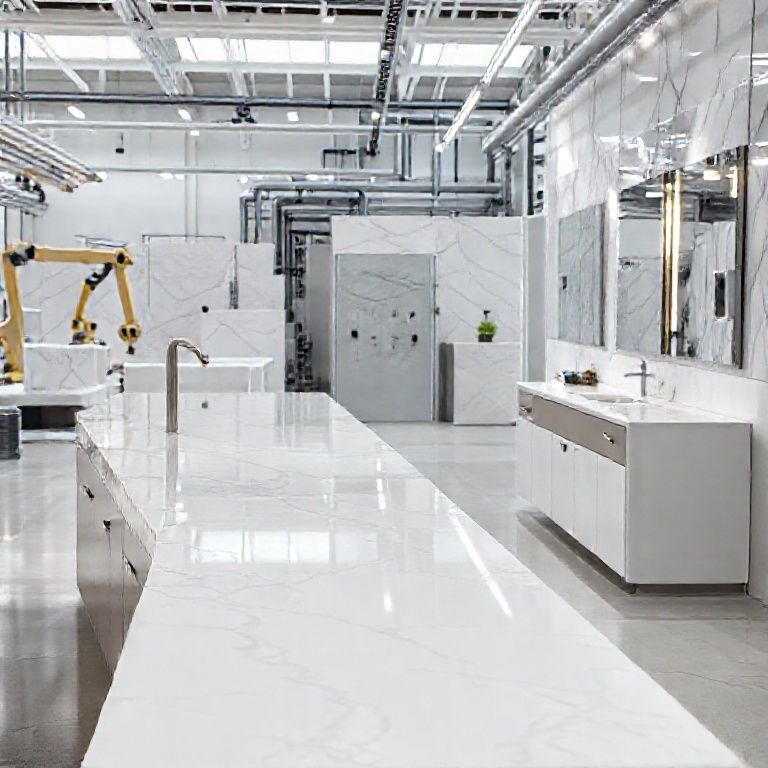
The aesthetic possibilities with this combination are virtually limitless. Imagine a dark, dramatic sintered stone countertop with the subtle grey veining of natural slate, paired with a crisp, white undermount ceramic basin. The contrast is striking, offering a modern yet grounded feel. Alternatively, picture a light, airy sintered stone that mimics white marble, paired with a subtly colored ceramic basin that picks up on undertones in the stone’s pattern. This approach allows for a more harmonious, flowing aesthetic. The textural interplay between the often matte or subtly textured finish of sintered stone and the glossy sheen of ceramic also adds another layer of sensory appeal.
Beyond the visual, let’s consider the practicalities. Sintered stone countertops are renowned for their exceptional durability. They are highly resistant to heat, UV rays, and chemicals. This means they won’t easily fade in sunlight, and common bathroom cleaners or even accidental spills of nail polish remover won’t mar their surface. Their non-porous nature also makes them inherently hygienic, resisting the growth of bacteria and mold – a crucial factor in a bathroom environment. When this is coupled with the robust nature of ceramic, you have a vanity surface that is designed to withstand the demands of a busy household. The ease of cleaning is another significant benefit. For both the sintered stone and the ceramic basin, a simple wipe down with a damp cloth and mild soap is usually sufficient for daily upkeep. For tougher stains on sintered stone, a non-abrasive cleaner can be used, and ceramic is generally forgiving of most household cleaning agents. This low-maintenance aspect is incredibly appealing for those who want a beautiful bathroom that doesn’t demand excessive cleaning time.
The installation process for a separate ceramic basin onto a sintered stone countertop is generally straightforward for experienced professionals. The countertop is fabricated to the precise dimensions, and the basin is then fitted into a pre-cut opening. This allows for flexibility in the design of the sink’s placement and type, offering a level of personalization that is highly valued. The overall impression is one of considered design, where each element plays a distinct role in the cohesive whole. It’s a choice that speaks to a discerning taste, a love for nuanced materials, and a desire for enduring quality that will gracefully age with your home.
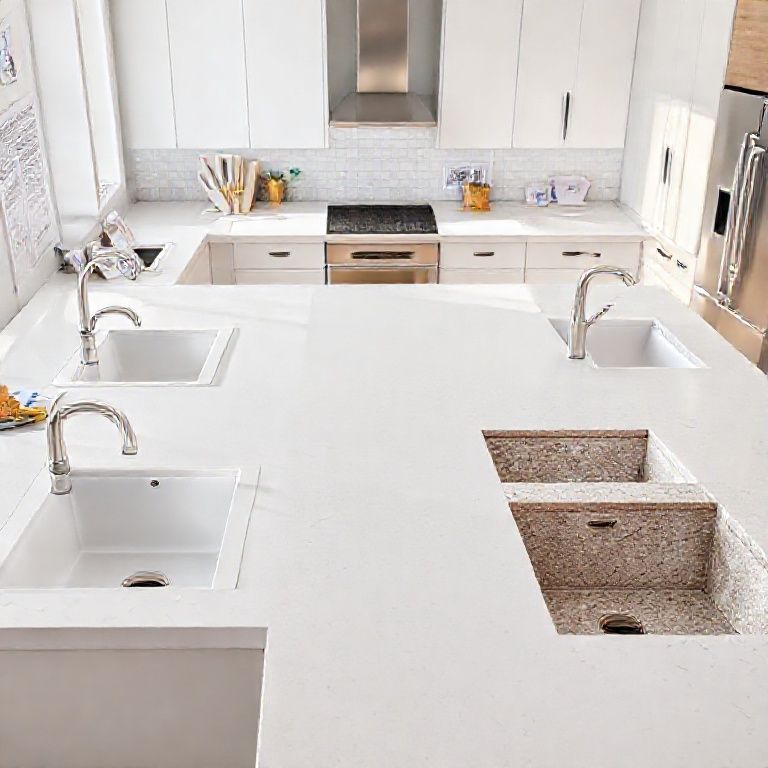
Now, let’s pivot our attention to the integrated ceramic sink, a design that embodies seamlessness and minimalist sophistication. In this style, the basin is not a separate entity but is molded as one continuous piece with the countertop itself. The result is a unified, flowing surface that offers a distinct visual and functional advantage. The primary allure of an integrated ceramic sink is its uninterrupted aesthetic. There are no seams, no grout lines, and no edges where the countertop meets the basin. This creates a sleek, modern, and uncluttered look that is highly sought after in contemporary bathroom design. The entire vanity surface appears to be a single, sculpted entity, exuding an air of refined simplicity.
The material for an integrated sink is typically high-grade ceramic or porcelain, fired to create an incredibly dense and durable material. This process ensures that the entire unit – countertop and basin – possesses the same excellent properties: resistance to stains, scratches, heat, and moisture. The non-porous nature of ceramic is a significant advantage here, making the entire surface exceptionally hygienic and easy to clean. Because there are no joins, there are fewer places for grime, soap scum, or mold to accumulate, making maintenance a breeze. A quick wipe down is often all that’s needed to keep the vanity looking pristine.
The seamless design of integrated sinks also lends itself to a more streamlined cleaning routine. With no crevices to trap dirt or water, you can effortlessly wipe down the entire vanity surface, from the furthest edge to the bottom of the basin, without interruption. This is a huge win for anyone who appreciates a low-maintenance approach to home upkeep. The absence of seams also means there’s no risk of water seeping between the countertop and the basin, which can be a common issue with some traditional sink installations and can lead to water damage or mold growth over time.
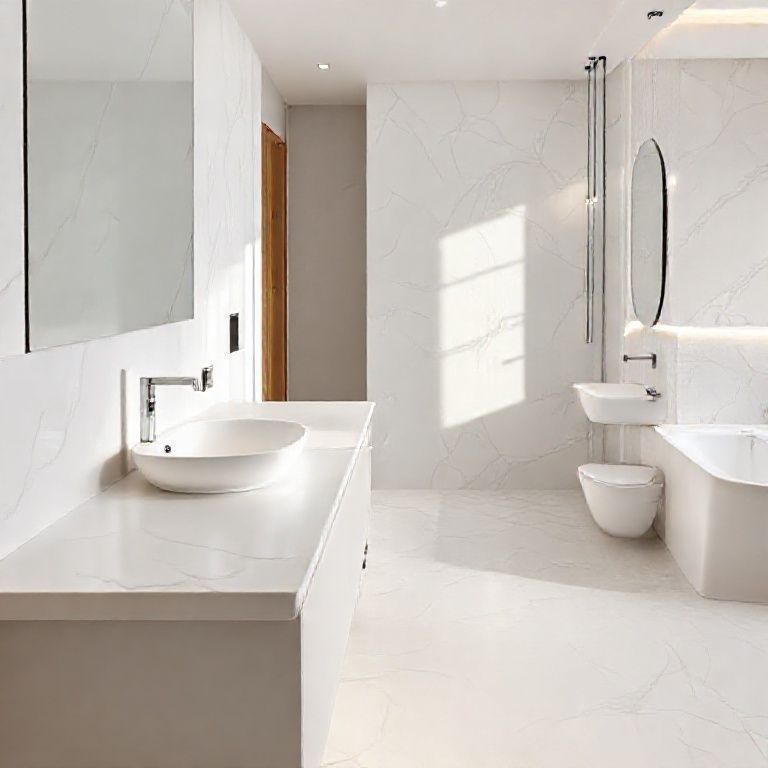
From an aesthetic perspective, integrated ceramic sinks offer a clean, minimalist palette. They are often found in crisp white, which provides a bright, clean focal point for the bathroom. However, advancements in manufacturing now allow for integrated sinks in a wider range of colors and finishes, enabling them to complement various design schemes. The unbroken surface creates a sense of spaciousness, making smaller bathrooms feel larger and more open. This is particularly effective in minimalist or Scandinavian-inspired designs, where clean lines and a lack of visual clutter are paramount. The simplicity of the form also allows for more daring choices in other bathroom elements, such as statement faucets, bold tile work, or unique lighting fixtures, as the vanity itself remains understated and elegant.
The durability of integrated ceramic sinks is comparable to that of separate ceramic basins, with the added benefit of the countertop being of the same material. This ensures consistent performance and longevity across the entire vanity surface. The inherent hardness of fired ceramic makes it resilient to the daily demands of bathroom use. While it’s always advisable to avoid dropping heavy or sharp objects directly into the basin, the material is generally very robust. The glossy finish, while beautiful, can sometimes show water spots or streaks more readily than a matte finish, so regular drying or polishing might be desired to maintain that showroom gleam. However, the ease of cleaning generally compensates for this.
When considering functionality, integrated sinks are typically designed with generous basin depths and widths, providing ample space for washing hands, face, or even light laundry. The integrated design also often allows for vanity countertops with a more generous usable surface area, as the sink is precisely engineered to fit within the overall dimensions of the vanity. This is a thoughtful consideration for maximizing space in smaller bathrooms or for those who simply appreciate the extra elbow room. The placement of the faucet is also integral to the design, often featuring a single faucet hole or a wider deck-mounted plate that blends seamlessly with the vanity’s lines.
The decision between a sintered stone countertop with a separate ceramic basin and an integrated ceramic sink ultimately comes down to personal preference, lifestyle, and the desired aesthetic for your bathroom. If you are drawn to the intricate beauty of natural stone patterns, the tactile richness of mixed materials, and the flexibility of choosing distinct basin styles, then the sintered stone and ceramic basin combination might be your ideal choice. It offers a more traditional yet highly adaptable approach, allowing for a layered and personalized design.
On the other hand, if your heart lies with modern simplicity, a desire for an ultra-clean aesthetic, and a commitment to unparalleled ease of maintenance, then an integrated ceramic sink will likely steal the show. It represents a commitment to a streamlined, minimalist vision where form and function converge into a single, elegant statement. Both options, when chosen thoughtfully and installed by skilled professionals, will result in a beautiful, functional, and durable bathroom vanity that enhances your daily life and adds lasting value to your home. The journey to finding the perfect vanity is an exciting one, and understanding the unique charms of each of these options brings you one step closer to creating your dream bathroom oasis.









