
Sure, here is a soft article about “Are sintered stone countertops or full porcelain countertops better for bathroom vanities?”

The bathroom. It’s more than just a functional space; it’s a sanctuary, a place for quiet reflection, a morning ritual, and an evening wind-down. And at the heart of this personal oasis lies the bathroom vanity. It’s the anchor of the room, the canvas for your daily routines, and a significant contributor to the overall aesthetic. When embarking on a bathroom renovation or even just a refresh, selecting the right countertop material is paramount. Today, we’re pitting two titans of the surfacing world against each other: sintered stone and full porcelain. Both have surged in popularity, lauded for their beauty and resilience, but which one truly deserves the coveted spot atop your vanity? Let’s embark on a journey to dissect their merits, understand their nuances, and ultimately, help you crown the champion for your personal sanctuary.
First, let’s acquaint ourselves with sintered stone. Imagine the raw elements – minerals, clays, and other natural components – subjected to an intense, high-pressure, high-temperature transformation. This isn’t your grandma’s laminate; this is a metamorphic marvel. Sintering, the process that gives this material its name, essentially fuses these raw materials at temperatures exceeding 1200°C and under immense pressure, mimicking the geological processes that create natural stone over millennia, but in a fraction of the time. The result is a non-porous, incredibly dense slab that’s as beautiful as it is robust. Its composition can be meticulously controlled, allowing for an astonishing range of finishes, from the subtle veining of marble to the bold textures of concrete and the rich hues of natural stone. This means that the aesthetic possibilities are virtually limitless, offering designers and homeowners the freedom to craft a truly bespoke look.
The appeal of sintered stone extends far beyond its visual versatility. Its inherent density translates into exceptional durability. We’re talking about a material that laughs in the face of scratches, stains, and even extreme temperature fluctuations. Think about the daily onslaught a bathroom vanity endures: splashed water, stray toothpaste, spilled lotions, even the occasional dropped hairspray can. Sintered stone stands up to it all with remarkable stoicism. Its non-porous nature is a significant advantage in a humid environment like a bathroom. Unlike natural stones that might require diligent sealing to prevent water ingress and staining, sintered stone is inherently resistant to moisture and microbial growth, making it a highly hygienic choice. This low maintenance aspect is a huge draw for busy households, as cleaning typically involves a simple wipe-down with a mild soap and water. No harsh chemicals, no special treatments needed – just effortless elegance.
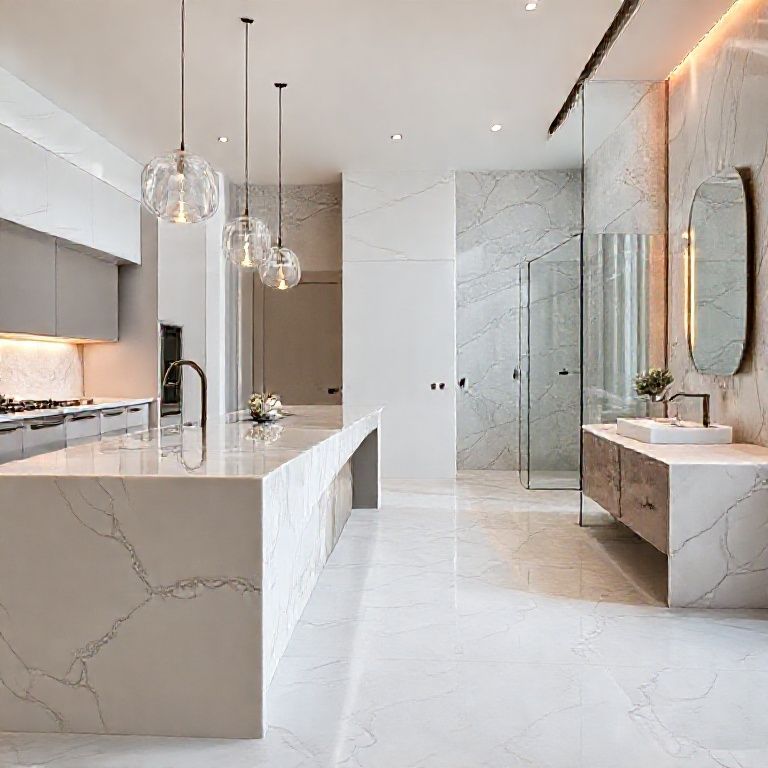
Furthermore, sintered stone is remarkably resistant to UV rays. This is particularly relevant if your bathroom vanity will be exposed to direct sunlight. Unlike some materials that can fade or yellow over time, sintered stone retains its vibrant color and original appearance, ensuring that your vanity remains a captivating focal point for years to come. Its thermal shock resistance is another noteworthy feature. Accidental contact with hot styling tools or even a hot water spill is unlikely to cause any damage, a testament to its robust manufacturing process. This resilience makes it a practical and worry-free choice for the demands of a modern bathroom.
However, like any material, sintered stone isn’t without its considerations. Its very density, while a strength, can also make it heavier than some alternatives, which might influence installation considerations and costs. While its durability is exceptional, it’s not indestructible. Extremely sharp impacts from very heavy objects could potentially cause chips or cracks, though this is rare and often comparable to the risks associated with other hard surfaces. The upfront cost of sintered stone can also be higher than some traditional materials, reflecting its advanced manufacturing process and superior performance. Yet, when you factor in its longevity, low maintenance, and resistance to damage, the long-term value proposition becomes very compelling. It’s an investment in enduring beauty and hassle-free living.
Now, let’s turn our attention to the formidable contender: full porcelain. Porcelain, in its essence, is a type of ceramic made from fine clay fired at very high temperatures. Historically, it has been prized for its beauty and durability, commonly found in tiles for floors and walls. However, advancements in technology have enabled the creation of large-format porcelain slabs, making it a viable and increasingly popular option for countertops and vanities. The “full porcelain” moniker emphasizes that the entire slab is made of porcelain, not just a surface layer. This means that any chips or scratches are less noticeable as the color and pattern permeate through the entire thickness of the material.
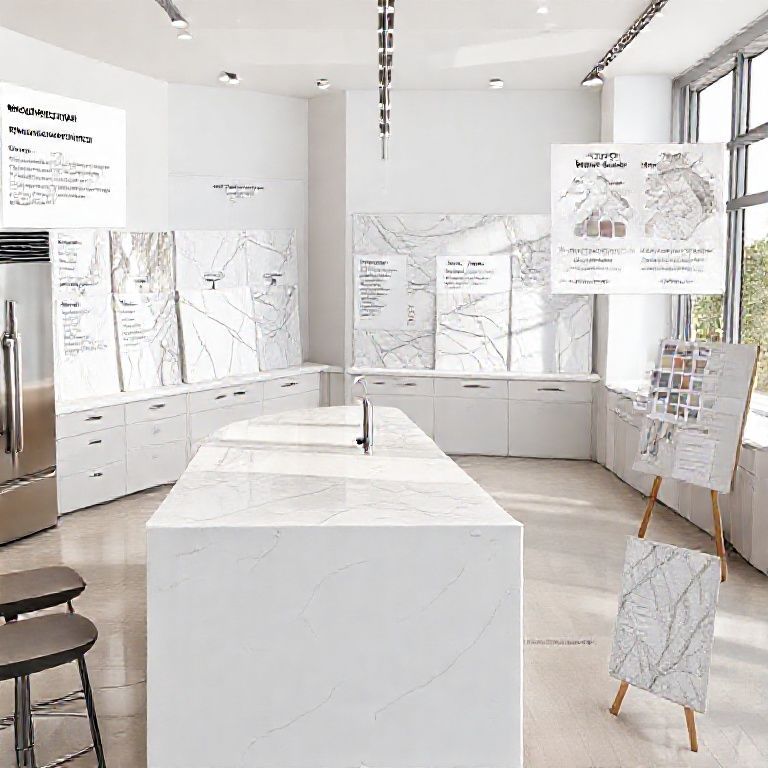
The manufacturing process for full porcelain, while different from sintering, also involves high temperatures, typically exceeding 1400°C. This intense firing process vitrifies the clay, creating an exceptionally hard and dense material. Like sintered stone, full porcelain is inherently non-porous, meaning it doesn’t absorb liquids. This makes it highly resistant to stains, water damage, and the growth of mold and mildew – critical qualities for a bathroom environment. The hygienic benefits are substantial, as it’s easy to clean and maintain, requiring only a damp cloth and mild detergent for most spills. Its resistance to chemicals also means you don’t have to worry about damage from common bathroom cleaning products.
Aesthetically, full porcelain has come a long way. While traditionally known for its tile applications, modern porcelain slabs can mimic the look of natural stone, concrete, wood, and other materials with incredible realism. High-definition digital printing technology allows for intricate patterns and realistic veining, offering a vast array of design possibilities. Whether you’re aiming for a minimalist concrete look, the timeless elegance of Carrara marble, or a bold, contemporary statement, full porcelain can deliver. Its large format capabilities mean fewer seams, contributing to a sleeker, more integrated look for your vanity.
The durability of full porcelain is also a significant draw. It’s known for its hardness and resistance to scratches and abrasion. The intense firing process creates a surface that can withstand the rigors of daily use. It’s also highly resistant to heat, making it a safe choice around hot water and styling tools. This robust nature ensures that your vanity will maintain its good looks and functionality over time, reducing the need for frequent replacements or repairs. When considering the long-term performance and aesthetic appeal, full porcelain presents a strong case for the discerning homeowner.
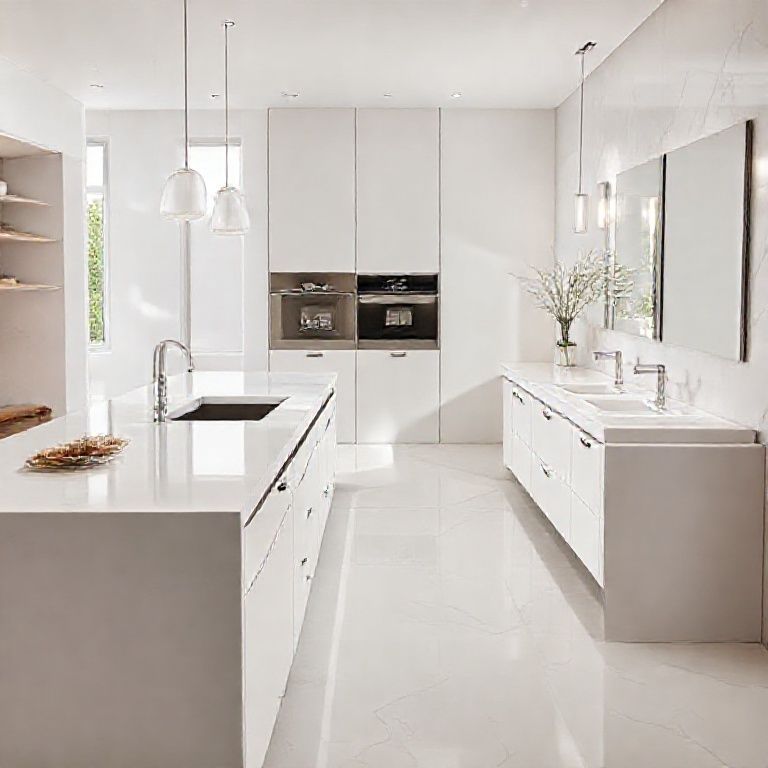
As we continue our deep dive into the bathroom vanity materials, let’s refine our understanding of what makes sintered stone and full porcelain tick, and more importantly, how they stack up against each other in the practical realities of a home. We’ve touched upon their impressive durability and aesthetic flexibility, but let’s now zoom in on the finer details that might sway your decision.
When it comes to resistance to impact, both sintered stone and full porcelain are commendably strong. However, sintered stone often holds a slight edge in this category. The sintering process, with its combination of extreme pressure and heat, creates a material with a more uniform internal structure. This robust molecular bond makes it exceptionally resistant to impact and thermal shock. While full porcelain is also very hard and durable, its composition, even when vitrified, can sometimes be slightly more brittle under extreme, sharp impacts compared to sintered stone. Think of it this way: sintered stone is like a perfectly forged metal, while full porcelain, though incredibly strong, might be more akin to a very high-quality glass. This doesn’t mean full porcelain is fragile – far from it – but in a hypothetical scenario of a direct, heavy drop, sintered stone might demonstrate superior resilience.
The non-porous nature of both materials is a massive win for bathroom applications. In a space prone to humidity and water splashes, materials that don’t absorb moisture are invaluable. This inherent resistance prevents the growth of bacteria, mold, and mildew, ensuring a hygienic environment. It also means that stains from common bathroom culprits like toothpaste, makeup, or even hair dye are easily wiped away without leaving a trace. For both sintered stone and full porcelain, cleaning is typically a breeze. A soft cloth with a bit of mild soap and water is usually all that’s needed to keep them looking pristine. There’s no need for specialized cleaners or sealants, which is a significant convenience and cost saving over the life of the vanity.
The range of aesthetic possibilities is where both materials truly shine, offering a departure from the limitations of more traditional countertop materials. Sintered stone, due to the advanced control over its composition and manufacturing, often allows for incredibly intricate and realistic veining that mimics natural stone with uncanny precision. It can reproduce the depth, texture, and subtle variations found in marble, quartzite, or granite, providing a luxurious and authentic feel. The ability to create large slabs with minimal seams further enhances this natural stone illusion, offering a seamless expanse of beauty.
Full porcelain, on the other hand, has also embraced digital printing technology to achieve stunning visual effects. Its ability to replicate textures can be incredibly realistic, offering everything from the subtle sheen of polished marble to the matte finish of concrete or the grainy texture of wood. The innovation in porcelain design means you can achieve virtually any look you desire, from the classic to the avant-garde. While both materials offer vast design palettes, some designers might argue that sintered stone, in its pursuit of mimicking natural stone, can achieve a level of depth and complexity in its veining that is truly unparalleled, giving it a slight edge in creating an authentic natural stone appearance.
When it comes to maintenance and longevity, both materials are champions. However, the ease of maintenance for both is a significant factor that appeals to many homeowners. The fact that they are non-porous means you don’t have to worry about sealing or special treatments. Spills wipe up easily, and they are resistant to everyday wear and tear. This low-maintenance aspect is a huge draw for busy households where time is a precious commodity. The longevity of both is also exceptional. These are materials designed to last for decades, maintaining their beauty and functionality without significant degradation.
Now, let’s talk about installation. Because of their extreme density and hardness, both sintered stone and full porcelain can be more challenging to cut and fabricate than materials like quartz or granite. This often means that specialized tools and experienced fabricators are required, which can influence installation costs. Sintered stone, being exceptionally hard and dense, might require even more specialized cutting techniques compared to porcelain. The weight of both materials also needs to be considered during installation, ensuring that the cabinetry can adequately support the load. However, the outcome of a professional installation is a vanity that is not only stunning but also incredibly durable.
Cost is, of course, a significant factor in any renovation project. Generally, both sintered stone and full porcelain fall into the premium category of countertop materials. Sintered stone, due to its advanced manufacturing process and often superior performance characteristics in terms of impact and thermal resistance, can sometimes be at the higher end of the price spectrum. Full porcelain, while also a premium material, can sometimes be found at a slightly more accessible price point, depending on the specific brand, design, and format. However, it’s crucial to remember that price is only one part of the equation. When you consider the long-term value, durability, low maintenance, and timeless aesthetic that both materials offer, the initial investment often proves to be very worthwhile.
So, where does this leave us in our bathroom vanity showdown? Both sintered stone and full porcelain are exceptional choices, offering a blend of stunning aesthetics, unparalleled durability, and hygienic benefits that are perfect for the bathroom environment. Sintered stone often boasts a slight edge in terms of impact and thermal shock resistance, and some argue it offers a more authentic replication of natural stone’s intricate veining. Full porcelain, on the other hand, provides a similarly robust and beautiful surface, with incredible design versatility and often a slightly more accessible entry point in terms of cost.
Ultimately, the “better” material depends on your specific priorities, design vision, and budget. If absolute maximum resistance to impact and an uncanny resemblance to natural stone are your top concerns, and your budget allows for it, sintered stone might be your ideal champion. If you’re looking for a highly durable, non-porous, and aesthetically versatile material that offers excellent value and a vast range of design options, full porcelain is an incredibly strong contender. Both are smart investments that will elevate your bathroom from a mere functional space to a personal sanctuary of enduring style and effortless elegance. Whichever you choose, you’re opting for a material that’s built to last and designed to impress, ensuring your bathroom vanity remains a source of pride for years to come.









