
The allure of a pristine, seamless surface – a countertop that whispers elegance, a sink that blends invisibly, a wall that feels like a singular, uninterrupted expanse. In the realm of modern interior design, this dream is often realized through two titans: acrylic and solid surface. While they share a visual kinship and a reputation for being versatile, they are, in fact, distinct materials with unique personalities, strengths, and weaknesses. Understanding these differences is key to unlocking the full potential of your design project and ensuring your chosen surface not only looks stunning but also performs flawlessly for years to come.

Let’s begin our exploration with acrylic, often lauded for its chameleon-like adaptability and luminous appeal. At its core, acrylic is a polymer resin, a transparent thermoplastic known for its exceptional clarity and ability to be pigmented into a virtually endless spectrum of colors and patterns. This inherent translucence is one of its most captivating features, allowing for the creation of surfaces that possess a subtle depth and a beautiful play of light. Imagine a countertop that seems to glow from within, or a sink that appears to be sculpted from pure, solidified light. This is the magic that acrylic can bring to a space.
One of the most significant advantages of acrylic solid surface (often referred to simply as “acrylic” in the context of countertops and sinks, though it’s important to distinguish it from standalone acrylic sheets used in other applications) lies in its non-porous nature. This is a game-changer when it comes to hygiene and maintenance. Unlike natural stone or even some other composite materials, acrylic does not provide a breeding ground for bacteria, mold, or mildew. Spills, whether they be of wine, coffee, or something more dubious, sit on the surface, allowing for easy cleanup with just soap and water. This makes it an exceptionally hygienic choice for kitchens, bathrooms, healthcare facilities, and any environment where cleanliness is paramount. Furthermore, the lack of porosity means it’s highly resistant to staining, a persistent worry for many homeowners.
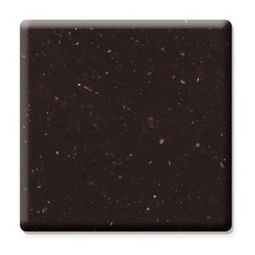
The seamless integration that acrylic facilitates is another of its crowning glories. Through a process of specialized adhesives and careful fabrication, seams in acrylic countertops and sinks can be virtually eliminated. This creates a continuous, flowing surface that is not only aesthetically pleasing but also incredibly practical. Think of a large island countertop where you can’t find the join, or a sink that appears to be an organic extension of the countertop itself. This seamlessness prevents food particles and liquids from accumulating in unsightly crevices, further enhancing its hygienic credentials and simplifying cleaning routines.
Beyond its practical benefits, acrylic offers an unparalleled design flexibility. Its thermoformability is legendary. This means that acrylic can be heated and molded into an astonishing array of shapes and curves, allowing designers and fabricators to create truly bespoke pieces. Whether you envision a dramatic waterfall edge, a sinuous curved island, or a uniquely shaped sink, acrylic can often bend to your will. This freedom from straight lines and rigid forms opens up a world of creative possibilities, enabling the creation of truly unique and statement-making surfaces. Moreover, the ability to incorporate different colors and patterns within a single sheet, or even to create translucent effects, allows for intricate designs and personalized aesthetics.
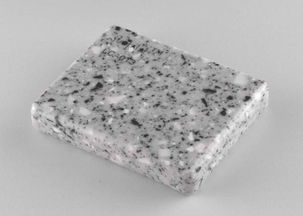
However, like any material, acrylic is not without its drawbacks. Its most significant Achilles’ heel is its susceptibility to scratching and heat damage. While it’s durable in many respects, it is softer than many other countertop materials, making it more prone to superficial scratches from knives, abrasive cleaners, or even rough handling. While these scratches can often be buffed out or repaired, it does require a conscious effort to maintain its pristine appearance. Similarly, while it has a reasonable heat resistance, prolonged exposure to very hot pots and pans directly from the stovetop can lead to scorching or discoloration. Using trivets and cutting boards is not just recommended; it’s essential for preserving the beauty of an acrylic surface.
The repairability of acrylic is a double-edged sword. While minor scratches can indeed be buffed out, and even deeper damage can sometimes be repaired by skilled professionals, the process can be intricate and may not always yield a perfectly invisible result. For significant damage, a full replacement might be the only option, which can be costly. Furthermore, while the initial cost of acrylic can vary, it often falls into a mid-to-high price range, especially when considering custom fabrication and complex designs. This investment, however, must be weighed against its longevity, hygienic properties, and aesthetic potential.
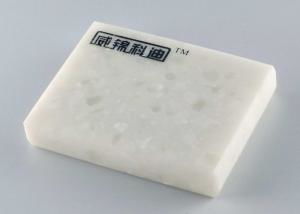
Now, let’s turn our attention to solid surface, a material that has carved out a significant niche in the world of contemporary interiors. Often confused with acrylic due to their visual similarities and shared “solid” nature, solid surface is a composite material. It’s typically made from a blend of acrylic polymer and mineral fillers, derived from bauxite ore. This composition gives it a distinct set of characteristics that differentiate it from pure acrylic.
One of the primary advantages of solid surface is its remarkable durability and impact resistance. The mineral fillers within the composition lend it a greater inherent strength, making it more robust against chipping and cracking compared to pure acrylic. This makes it a practical choice for high-traffic areas where accidental impacts are more likely. While it’s not impervious to damage, it generally offers a greater degree of resilience.
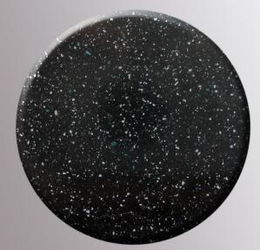
Like acrylic, solid surface is non-porous, which is a significant shared benefit. This means it shares the same excellent hygienic properties, resisting stains, bacteria, and mold. The ease of cleaning and maintenance is a major draw for both residential and commercial applications. The seamless integration, similar to acrylic, is also a hallmark of solid surface. Through specialized adhesives, seams can be made virtually invisible, creating those coveted flowing surfaces that enhance both aesthetics and hygiene. This allows for the creation of integrated sinks and countertops that appear as a single, unified piece.
Aesthetically, solid surface offers a broad spectrum of colors and patterns, ranging from subtle, natural-looking veining to bold, contemporary hues. While it might not possess the same inherent translucence as acrylic, it can mimic the look of natural stone remarkably well, offering a more budget-friendly and maintenance-free alternative to materials like granite or marble. The ability to achieve a high-gloss finish is also a notable feature, contributing to its sophisticated appearance.
Where solid surface truly distinguishes itself is in its thermal resistance. Generally, solid surface materials tend to withstand higher temperatures than pure acrylic. While still not a replacement for a trivet when placing piping hot cookware directly from the oven, they offer a bit more leeway in everyday kitchen use. This can provide a greater sense of security for busy cooks.
However, the very composition that lends solid surface its durability also presents a slight challenge in terms of repair. While minor scratches can often be buffed out by skilled professionals, deeper gouges or damage might be more complex to repair seamlessly compared to acrylic. The repair process often involves filling the damaged area with a resin that matches the original color and then sanding and polishing it to blend. Achieving a truly invisible repair can be more challenging, especially with intricate patterns.
The cost of solid surface can also be a factor. While it can be more affordable than some premium natural stones, it is often comparable to, or sometimes even more expensive than, mid-range acrylic options, depending on the brand, color, and complexity of fabrication. The initial investment needs to be considered in the context of its long-term performance and aesthetic appeal.
In essence, both acrylic and solid surface materials offer compelling advantages for modern design. They both champion hygiene, seamlessness, and design flexibility. Yet, their core compositions lead to subtle but significant differences in their strengths and weaknesses. As we move into the second part of this exploration, we will delve deeper into these nuances, compare their performance side-by-side in various applications, and help you pinpoint which of these beautiful deceivers is the perfect fit for your vision.
Having laid the groundwork by understanding the fundamental compositions and general characteristics of acrylic and solid surface, we now embark on a comparative journey, examining their performance in real-world scenarios and helping you discern which material aligns best with your specific needs and desires. The choice between these two often comes down to a delicate balance of aesthetics, functionality, budget, and the lifestyle your space needs to accommodate.
Let’s zoom in on the application that often takes center stage in many homes and businesses: countertops. In a kitchen, where the surfaces are subjected to a constant barrage of activity – chopping, slicing, spills, hot pans, and a general hustle and bustle – the durability and maintenance aspects become paramount. As we’ve touched upon, acrylic’s susceptibility to scratches is its most significant concern here. While a well-maintained acrylic countertop can look stunning for years, it demands a mindful approach. The constant need for trivets, cutting boards, and a gentle hand with cleaning can feel like a burden for those who prefer a more carefree approach to their kitchen surfaces. However, for those who appreciate its luminous quality and are committed to its care, an acrylic kitchen countertop can be a breathtaking focal point, offering a sleek, modern aesthetic. The seamless integration, particularly around sinks, is a major plus, preventing those dreaded grout lines or sealant failures that can plague other materials.
Solid surface, on the other hand, often emerges as a more resilient contender for the demanding environment of a kitchen. Its enhanced durability and impact resistance mean it can withstand the occasional bump or scrape with greater fortitude. While still not entirely scratch-proof, it generally holds up better to the rigors of daily kitchen use. The slightly higher heat resistance also offers a degree of reassurance, though again, prudent use of heat protection is always advised. The visual appeal of solid surface can be more varied, with options that mimic natural stone, offering a sophisticated look without the associated maintenance and porosity of genuine marble or granite. The non-porous nature of both materials, however, ensures that spills like red wine or tomato sauce are less of a catastrophe with either.
Moving to bathrooms, the demands shift slightly. While hygiene remains critical, the heat stress is generally less of a concern. Here, the aesthetic appeal and seamlessness often take precedence. Both acrylic and solid surface excel in this domain. The ability to create integrated sinks that blend perfectly with the vanity top is a significant advantage for both. This eliminates the dirt and grime traps often found around traditional undermount or drop-in sinks, making cleaning a breeze. Acrylic’s ability to achieve a greater sense of translucence can be particularly striking in a bathroom, allowing for soft, diffused lighting effects or unique color integrations. Solid surface, with its wide range of colors and patterns, can offer a more subdued yet equally elegant look, perhaps mimicking the subtle variations of natural stone. The resistance to moisture and staining is a shared benefit that makes both ideal for a bathroom environment where humidity and water exposure are common.
When considering sinks themselves, the differences become even more nuanced. Acrylic sinks, often fabricated as part of a larger countertop piece, can be seamlessly integrated, creating a fluid transition from countertop to basin. This offers a clean, modern look and exceptional hygiene. However, as mentioned, they can be more prone to scratching and staining over time, especially in high-use kitchen sinks. Solid surface sinks, while also offering seamless integration and excellent hygiene, tend to have a slightly more robust feel due to their composition. They can often withstand more vigorous cleaning and are generally less susceptible to superficial damage.
The repair aspect is a crucial differentiator. For minor scratches on acrylic, a DIY buffing kit or a skilled professional can often restore the surface to its former glory. For deeper damage, it might require more extensive resurfacing or even replacement of a section. Solid surface repairs can also be effective, but achieving a truly invisible mend, particularly on patterned surfaces, can be more challenging. This is because the filler material used in the repair must perfectly match not only the color but also the subtle texture and pattern of the original material. It’s often a task best left to experienced fabricators.
Cost is, of course, a significant factor in any renovation or design project. Generally speaking, the price of acrylic and solid surface can overlap considerably, depending on the brand, color, complexity of the design, and the fabricator. However, as a broad generalization, basic acrylic options might be more budget-friendly than comparable solid surface choices, especially if you are opting for more intricate patterns or custom shapes in solid surface. Conversely, premium solid surface brands or complex acrylic designs with unique features can push both materials into a higher price bracket. It’s always advisable to obtain multiple quotes from reputable fabricators for both materials to get an accurate understanding of the cost for your specific project.
Let’s consider the aesthetic impact. Acrylic often brings a sense of contemporary chic. Its ability to be thermoformed into curves and flowing shapes, its potential for translucence, and its often vibrant color palette make it a go-to for modern and minimalist designs. It can feel lighter, more ethereal. Solid surface, while also capable of modern designs, often leans towards a more grounded, substantial feel. Its ability to mimic natural stone provides a bridge to more traditional or transitional aesthetics, offering the look of luxury without the maintenance. The choice here often boils down to the overall design vision for the space.
Installation is another area where subtle differences exist. Both materials require professional fabrication and installation to achieve seamless results. However, the precise techniques and adhesives used can vary. Acrylic might be considered slightly lighter in weight than solid surface, which could have minor implications for installation in certain situations, though for most residential applications, this difference is unlikely to be a deciding factor.
Ultimately, the decision between acrylic and solid surface is a deeply personal one, driven by a careful consideration of priorities. If your absolute top priorities are a luminous, avant-garde aesthetic, the possibility of dramatic curves, and a truly seamless integration, and you are committed to a more diligent maintenance routine to protect against scratches and heat, then acrylic might be your ideal material. Its hygienic properties and ease of cleaning are undeniable advantages.
However, if you are seeking a material that offers a robust balance of durability, stain resistance, and a wider range of aesthetic options that can mimic natural materials, with a slightly higher tolerance for everyday wear and tear, then solid surface often presents a compelling case. Its resilience in high-traffic areas and its slightly better thermal resistance can offer peace of mind for busy households.
Both materials represent significant advancements in surfacing technology, offering a level of performance and aesthetic versatility that was once the exclusive domain of much more expensive or difficult-to-maintain options. By understanding their individual strengths and weaknesses, you can confidently navigate the choices and select the material that not only enhances the beauty of your space but also truly serves your lifestyle for years to come. The “beautiful deception” lies in their ability to offer so much – elegance, functionality, and durability – all while being engineered marvels.









