
The Beautiful Divide: Acrylic vs. Solid Surface – A Visual and Financial Guide
When embarking on a home renovation or a new design project, the choices can feel as endless as a starry night sky. Yet, among the vast constellation of materials, two stars frequently shine brightest when it comes to countertops and surfacing: acrylic and solid surface. They often get mistaken for each other, sharing a smooth, seamless aesthetic that can lull one into thinking they are one and the same. But venture a little closer, and you’ll discover a fascinating duality, a nuanced difference that impacts everything from durability and appearance to your budget. This isn’t just about picking a pretty surface; it’s about understanding the very essence of what makes your space unique and functional.

Let’s begin by dissecting the enigmatic acrylic. Often a superhero in disguise, acrylic solid surface (sometimes referred to as cultured acrylic or simply acrylic countertop) is a composite material. Imagine a blend of acrylic polymers, natural minerals (like bauxite ore), and pigments, all meticulously fused together. This alchemical process results in a non-porous, homogenous material that’s incredibly versatile. Visually, acrylic solid surface can mimic the appearance of natural stone with uncanny precision, offering a spectrum of colors and patterns that range from the subtle elegance of marble to the bold drama of granite. It can also be manufactured in vibrant, solid hues that allow for truly unique design statements.
One of acrylic’s most celebrated attributes is its seamless nature. When two pieces are joined, the seams are virtually invisible, creating a continuous, flowing surface. This is a dream for designers and homeowners alike, as it eliminates those unsightly grout lines or physical breaks that can accumulate grime and detract from the overall aesthetic. Think of a perfectly smooth waterfall edge, a curved reception desk that flows organically, or a shower surround that feels like it was carved from a single block of stone. Acrylic makes these visions a reality.
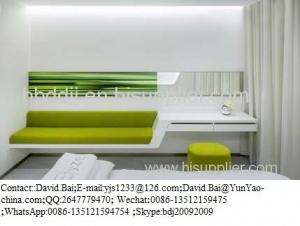
Beyond its visual appeal and seamless integration, acrylic solid surface boasts a host of practical benefits. Its non-porous quality means it’s exceptionally resistant to stains, mold, and mildew. Coffee spills, red wine splatters, or greasy cooking mishaps are no match for acrylic; a simple wipe with a damp cloth is usually all it takes to restore its pristine condition. This inherent resistance also makes it a highly hygienic choice, particularly for kitchens and bathrooms where cleanliness is paramount.
Furthermore, acrylic solid surface is remarkably repairable. Unlike many other materials, minor scratches or chips can often be buffed out or repaired by a professional, restoring the surface to its original glory. This means that the inevitable wear and tear of daily life doesn’t have to spell the end for your beautiful countertops. It’s a material that can age gracefully, maintaining its allure for years to come.
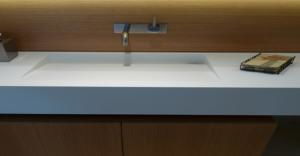
Now, let’s turn our attention to its formidable counterpart: the solid surface, a term that, in itself, evokes a sense of substance and permanence. While the term “solid surface” is often used generically to encompass acrylic solid surfaces, in a more precise context, it typically refers to materials that have a core composed of acrylic or polyester resins mixed with mineral fillers, and then a distinct decorative layer on top. However, for the sake of clarity in this comparison, when we refer to “solid surface” as distinct from “acrylic,” we’re often talking about the broader category of engineered stone-like materials that may include quartz or other composite materials, or sometimes, a specific type of acrylic-based solid surface that has a slightly different manufacturing process or composition. The most common confusion arises because many acrylic solid surfaces are indeed considered a type of solid surface. To simplify, let’s consider “solid surface” in a general sense, as the broader category of non-porous, engineered countertop materials, which includes acrylic solid surface as a prominent member.
Let’s refine this a bit. When people say “solid surface” in the context of countertops, they are very often referring to brands like Corian (which is an acrylic solid surface), or similar engineered materials. So, the distinction isn’t always a material difference but can be a branding or specific formulation difference. However, to truly differentiate, let’s consider a more direct comparison: acrylic solid surface versus what is often marketed as a more “stone-like” solid surface, which might have a higher mineral content or a different resin binder.
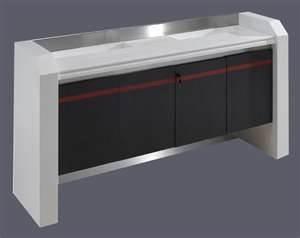
In this nuanced comparison, acrylic solid surface is often praised for its uniformity and the ability to achieve truly invisible seams. Its manufacturing process allows for a high degree of consistency in color and pattern throughout the entire slab. This means that if you have a large island, the pattern will continue seamlessly without the variations you might find in natural stone.
The “price” aspect, as indicated by the Chinese theme “价格大全图解视频,” is a critical differentiator. Generally speaking, acrylic solid surfaces tend to fall into a mid-range price point. They are more expensive than laminate but generally less expensive than high-end natural stone like granite or marble, and often competitive with or slightly more affordable than engineered quartz. The price can fluctuate significantly based on the brand, the complexity of the color or pattern, and the thickness of the material. For example, a basic white acrylic solid surface will be at the lower end of the spectrum, while a complex, veined pattern designed to mimic exotic marble will command a higher price. Installation costs also play a significant role, and because acrylic is relatively easy to fabricate and install seamlessly, these costs can sometimes be more manageable compared to heavier or more brittle materials.
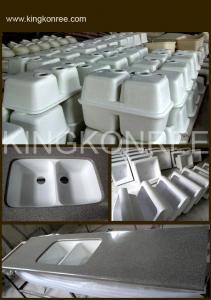
Visualizing the difference can be achieved through various means. Imagine a close-up of an acrylic countertop – you’ll see a consistent, almost luminous quality to the color and pattern. If you were to take a sliver of it, the color would be the same all the way through. Now, picture a slab of engineered quartz, another popular “solid surface” material. You might see small, reflective particles embedded within the resin, or a more granulated texture. Even in a solid color quartz, there can be a subtle depth and variation that differs from the pure, homogeneous look of acrylic. The “图解” (illustrated guide) aspect is where you’d look at sample chips side-by-side, observing how light reflects off each surface, how a fingerprint might appear, and how the texture feels to the touch. A video demonstration (“视频”) would be invaluable here, showing how different liquids bead up or soak in, how easy it is to scratch with a key (and crucially, how it can be repaired), and the process of joining pieces together to create those flawless seams.
The decision between these materials, when viewed through the lens of “区别” (difference), often comes down to prioritizing specific qualities. If your heart sings for a completely seamless, non-porous surface that’s easy to maintain, highly repairable, and offers a spectrum of design possibilities from subtle elegance to bold statements, acrylic solid surface is a strong contender. It’s a material that offers a beautiful balance of form and function, often at a price point that makes luxurious design accessible.
Continuing our exploration into the captivating world of surfacing materials, we delve deeper into the practicalities and aesthetic nuances that distinguish acrylic solid surface from its broader “solid surface” counterparts. The theme “亚克力与人造石的区别图片及价格大全图解视频” (Differences between Acrylic and Artificial Stone, Complete Picture and Price Guide with Illustrations and Videos) beckons us to peel back the layers, revealing the intrinsic value and distinct characteristics of each. While we’ve established that acrylic solid surface is a prominent member of the broader “solid surface” family, for the purpose of clear differentiation in this guide, we will consider “solid surface” as a general term for engineered countertop materials, which can include acrylic, but also often refers to materials like engineered quartz, which shares some similarities but possesses fundamental differences.
Let’s focus on the tangible differences in durability and performance. Acrylic solid surface, as we’ve discussed, is renowned for its non-porosity and repairability. This makes it incredibly resilient against common kitchen and bathroom hazards like acids, oils, and household cleaners. It doesn’t stain easily, and if a scratch or minor damage does occur, it can often be sanded out, leaving the surface looking as good as new. This repairability is a significant advantage, especially in high-traffic areas where wear and tear are inevitable. Imagine a busy family kitchen; a dropped pot might cause a minor ding, but with acrylic, it’s a fixable imperfection, not a permanent blemish.
However, when we consider other types of “solid surfaces” that are often grouped under this umbrella term, like engineered quartz, we find a different story of durability. Engineered quartz is composed of approximately 90-95% ground natural quartz crystals, bound together with polymer resins and pigments. This composition results in an exceptionally hard and dense material. Its hardness makes it highly resistant to scratches, heat, and staining. In fact, quartz is one of the hardest natural minerals on Earth, and this translates into a countertop that can withstand a considerable amount of abuse. You can often place hot pots and pans directly on quartz without fear of scorching, a benefit not typically afforded to acrylic solid surface, which can be susceptible to heat damage.
The visual distinction, the “图片” (pictures), becomes crucial here. A close examination of acrylic solid surface often reveals a depth and luminosity that’s quite unique. It can be molded into complex shapes, allowing for integrated sinks that appear to grow organically from the countertop, or seamless backsplashes. The colors can be incredibly vibrant or soft and subtle, with patterns that can range from uniform speckles to intricate veining designed to mimic natural stone. The “图解” aspect would highlight how light interacts with acrylic – it often has a softer, more diffused glow compared to the sometimes sharper, more reflective quality of quartz. You might see a marble-like pattern in acrylic that has a very consistent flow, whereas a marble-like quartz might have more distinct crystallization and variation inherent to its mineral composition.
When we discuss “价格大全” (complete price guide), the landscape shifts. Generally, acrylic solid surfaces offer a strong value proposition. They are typically more affordable than high-end natural stones like granite or marble, and often fall into a similar price bracket or are slightly more economical than engineered quartz, depending on the brand and design. For example, a basic white or single-color acrylic might be around $50-$70 per square foot installed, while more complex patterns or those with special edge profiles could reach $80-$100 per square foot. Engineered quartz, due to the high concentration of natural quartz and the energy-intensive manufacturing process, can range from $60-$100 per square foot installed, with exotic colors and premium brands pushing the upper limits. So, while both are premium engineered materials, acrylic can sometimes offer a more budget-friendly entry into the world of high-end surfacing.
The “视频” (video) element would be instrumental in showcasing these differences. A video demonstrating the heat resistance of quartz versus acrylic would be stark. Similarly, a video showing how easily a scratch can be buffed out of acrylic, versus the difficulty (or impossibility) of achieving the same result with quartz, would be highly informative. Videos also excel at illustrating the fabrication and installation processes. The ability of acrylic to be thermoformed – bent and shaped with heat – opens up a world of design possibilities that are simply not achievable with the rigid nature of quartz. Think of curved bar tops, sculptural reception desks, or furniture pieces with intricate, organic forms. These are the unique selling points that an illustrative video would powerfully convey.
Maintenance is another key area of “区别” (difference). Both materials are non-porous and easy to clean. However, acrylic’s repairability means that it can recover from damage that would be catastrophic for other materials. For quartz, while extremely durable, deep scratches or chips can be very difficult or impossible to repair, sometimes requiring partial or full replacement of the slab. This is a crucial consideration for homeowners who want peace of mind and a material that can truly withstand the rigors of daily life without requiring constant vigilance.
In essence, the choice between acrylic solid surface and other engineered “solid surface” materials, particularly quartz, often boils down to a prioritization of specific attributes. If your design aspirations lean towards seamless integration, unparalleled repairability, a softer aesthetic, and the possibility of unique thermoformed shapes, all while maintaining a competitive price point, then acrylic solid surface is likely your ideal choice. It offers a beautiful, functional, and accessible path to a sophisticated finish.
If, however, your priorities are supreme hardness, exceptional heat resistance, and a material that can truly take a beating with minimal concern for everyday wear and tear, then engineered quartz might be the reigning champion. Both materials represent the pinnacle of modern surfacing technology, offering a significant upgrade from traditional options like laminate or tile. Understanding their unique strengths, visualized through images and demonstrated through videos, and contextualized within a comprehensive price guide, empowers you to make an informed decision that will resonate beautifully and functionally within your space for years to come. The “beautiful divide” is not about one being superior, but about recognizing which material’s strengths best align with your vision and lifestyle.









