${part1}
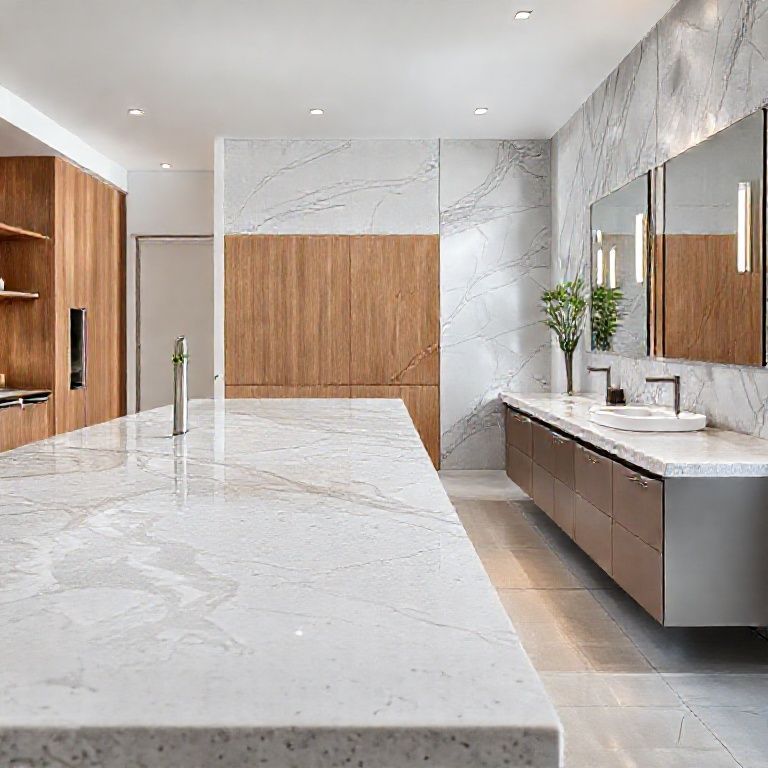
In the world of home renovation and interior design, one material stands out for its timeless elegance and unique beauty: window sill stone. The craftsmanship of window sill stone not only adds a touch of sophistication to your living space but also brings a natural aesthetic that modern materials often fail to replicate. Let’s delve into the allure of window sill stone and explore the factors that influence its cost per meter.
The Timeless Appeal of Window Sill Stone
Window sill stone is a type of natural stone that is used to embellish the area beneath the window. This material has been favored by designers and homeowners alike for centuries because of its natural beauty and versatility. Whether you are looking to enhance the visual appeal of your kitchen, living room, or bathroom, window sill stone can seamlessly blend into various styles, from traditional to contemporary.
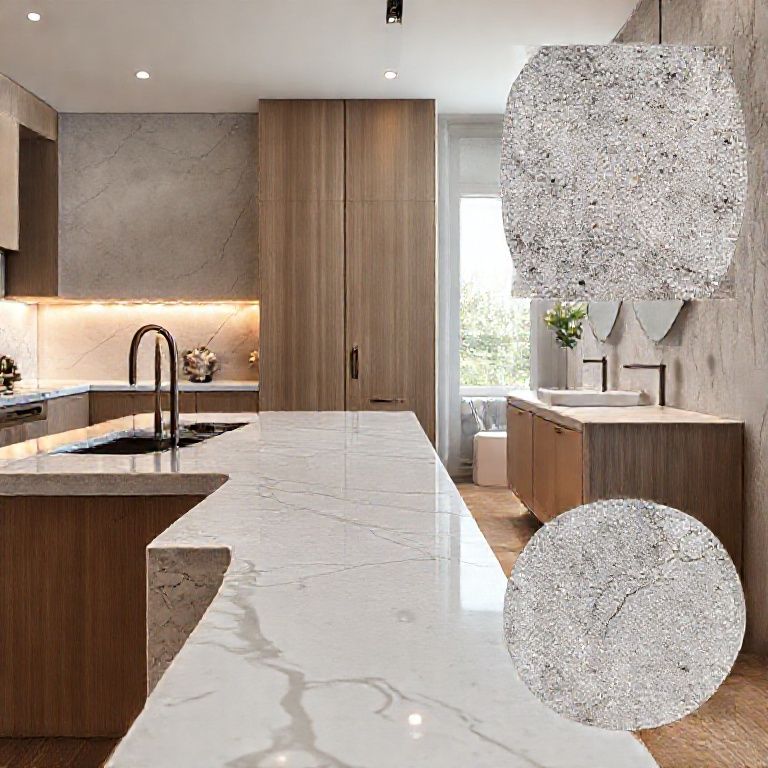
The textures and colors of window sill stone can vary dramatically depending on the type of stone used. Marble, granite, quartz, and travertine are among the most popular choices. Each type of stone offers a unique look and feel, allowing you to choose the one that best complements your home’s design. Marble, with its smooth and creamy surface, is often used for a luxurious feel, while granite provides a robust and durable option perfect for high-traffic areas.
The Benefits of Using Window Sill Stone
Incorporating window sill stone into your home renovation project comes with numerous benefits:
Durability and Longevity: Natural stones like marble and granite are incredibly durable. They can withstand the test of time, offering a long-lasting solution that requires minimal maintenance.
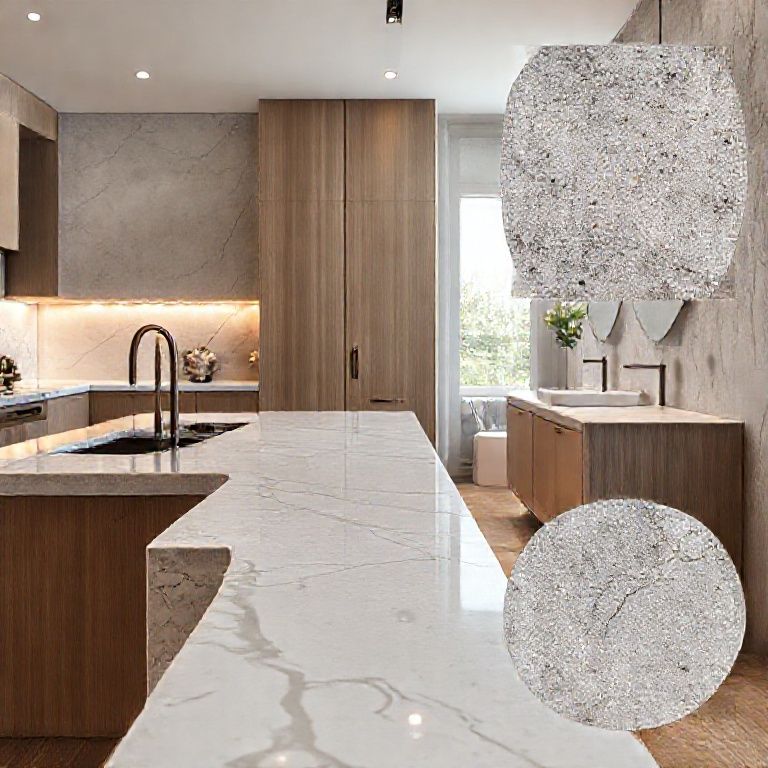
Aesthetic Appeal: The natural beauty of window sill stone adds an unparalleled elegance to your home. The unique patterns and colors found in natural stone make each piece one-of-a-kind, contributing to a more personalized and authentic look.
Low Maintenance: Compared to other materials, window sill stone requires little upkeep. With proper care, it can maintain its pristine appearance for years to come.
Versatility: Window sill stone can be used in various spaces including kitchens, bathrooms, and living rooms. Its versatility makes it a popular choice for many renovation projects.
Factors Influencing the Cost Per Meter
When considering the cost of window sill stone, several factors come into play:
Type of Stone: Different types of stone have different costs. For instance, marble tends to be more expensive than granite due to its unique texture and beauty. The rarer the stone, the higher the cost.
Quality: The quality of the stone significantly impacts the price. High-quality stones with fewer imperfections and more consistent coloring are more costly.
Cutting and Shaping: The process of cutting and shaping the stone can affect the overall cost. Complex designs and intricate cuts require more labor and time, which translates to a higher price.
Labor Costs: The cost of labor varies depending on the complexity of the installation. Detailed work and custom designs will incur higher labor charges.
Shipping and Transportation: Depending on where the stone is sourced from, shipping costs can add to the overall price.
Conclusion
The beauty of window sill stone lies in its ability to transform any space with its natural elegance and timeless appeal. Understanding the various factors that influence its cost per meter helps homeowners make informed decisions when planning their renovation projects. In the next part, we will continue our exploration by looking at specific types of window sill stone, their maintenance, and how to choose the perfect stone for your home.
${part2}
Exploring Specific Types of Window Sill Stone
In our previous discussion, we explored the general factors influencing the cost of window sill stone. Now, let’s dive deeper into the specific types of stone that are commonly used, their unique characteristics, and how they can best be maintained to ensure longevity and beauty.
Marble: The Epitome of Luxury
Marble is perhaps the most coveted type of window sill stone due to its stunning beauty and luxurious feel. Originating from natural stone formations, marble comes in a variety of colors and patterns, ranging from the classic white and gray of Carrara marble to the rich hues of black and gold found in Brazilian and Indian marble.
Characteristics:
Color and Pattern: Marble is known for its unique and often striking patterns. Each piece is unique, which adds to its value and aesthetic appeal. Porosity: Marble is slightly porous, which means it can be more susceptible to staining. However, with proper maintenance, this can be minimized. Durability: While marble is not as hard as granite, it is still a durable material. It is excellent for areas where aesthetics are prioritized over heavy usage.
Maintenance:
Sealing: To protect marble from stains and damage, it is advisable to seal it regularly. This creates a protective layer that helps to prevent staining. Cleaning: Use a mild stone soap or a pH-neutral cleaner to avoid damaging the stone. Avoid using abrasive cleaners or scrubbing too hard.
Granite: Strength and Elegance
Granite is another popular choice for window sill stone due to its strength, durability, and versatility. Granite’s unique patterns and colors come from natural stone formations, making each piece one-of-a-kind.
Characteristics:
Color and Pattern: Granite is available in a wide range of colors and patterns, from the classic black and white of Brazilian granite to the vibrant reds and oranges of Indian granite. Durability: Granite is one of the hardest natural stones available, making it highly durable and suitable for high-traffic areas. Porosity: While granite is less porous than marble, it can still absorb some liquids. Therefore, spills should be wiped up promptly.
Maintenance:
Sealing: While granite does not require sealing as often as marble, it is still a good idea to reseal it every few years to maintain its shine and protect it from stains. Cleaning: Use a mild stone cleaner and a soft cloth to clean granite. Avoid using abrasive cleaners or tools.
Quartz: Modern and Affordable
Quartz is a relatively new entrant in the world of window sill stone, but it has quickly gained popularity due to its modern look and affordability. Quartz is a composite stone made from a mixture of quartz powder and resin.
Characteristics:
Color and Pattern: Quartz offers a wide range of colors and patterns, mimicking the look of natural stone without the cost. Durability: Quartz is highly durable and resistant to stains, scratches, and heat, making it an excellent choice for busy households. Affordability: Being a manufactured stone, quartz is typically more affordable than natural stones like marble and granite.
Maintenance:
Cleaning: Quartz is easy to maintain. Simply wipe it down with a damp cloth and mild soap. Avoid using abrasive cleaners. Spills: Because quartz is non-porous, spills can be wiped away without fear of staining.
Travertine: Warm and Welcoming
Travertine is a type of limestone that has a unique, natural texture and a variety of colors and patterns. It is known for its warm, inviting appearance and its ability to withstand heavy foot traffic.
Characteristics:
Color and Pattern: Travertine has a natural, rustic appearance with a variety of colors ranging from light beige to deep brown. Porosity: Travertine is more porous than marble and granite, so it requires more regular sealing to prevent staining. Durability: While travertine is durable, it is not as hard as granite or quartz, making it more suitable for areas with moderate foot traffic.
Maintenance:
Sealing: Travertine should be sealed regularly to maintain its appearance and protect it from stains. Cleaning: Use a pH-neutral cleaner and a soft cloth to clean travertine. Avoid abrasive cleaners and tools.
Choosing the Perfect Stone for Your Home
Selecting the right type of window sill stone for your home involves considering several factors:
Style and Aesthetics: Think about the overall style of your home and choose a stone that complements it. Marble and granite offer a classic, elegant look, while quartz and travertine provide a modern, budget-friendly option.
Usage: Consider how much traffic the window sill will receive. Granite and quartz are excellent choices for high-traffic areas, while marble and travertine are better for low-traffic areas where aesthetics are the primary concern.
Budget: Determine your budget and choose a stone that fits your financial plan. While natural stones like marble and granite are more expensive, quartz and travertine offer more affordable options without sacrificing beauty.
Maintenance: Consider how much time and effort you are willing to invest in maintaining your window sill stone. Natural stones like marble and travertine require more regular sealing and cleaning compared to granite and quartz.
Conclusion
继续选择窗台石材的完整指南
${part2}
Installation Tips and Considerations
When it comes to installing window sill stone, several considerations and tips can help ensure a successful and long-lasting project. Proper installation not only enhances the beauty of the stone but also ensures its durability and longevity.
Preparation
Before installing your window sill stone, thorough preparation is essential:
Measure Accurately: Measure the area where the stone will be installed to ensure you purchase the correct amount. Don’t forget to account for cuts and waste.
Clean the Surface: Clean the area where the stone will be installed to remove any dust, grease, or debris. A clean surface ensures better adhesion.
Check for Level: Use a level to ensure the surface where the stone will be installed is even. Uneven surfaces can lead to an unsightly installation.
Installation Process
Cutting the Stone: Use a wet saw to cut the stone to the desired size. Wet saws are essential as they help in reducing dust and heat, which can damage the stone. Always wear safety goggles and a mask when cutting stone.
Dry Fitting: Before applying any adhesive, place the stone in its final position to ensure it fits correctly. Make any necessary adjustments to the stone or the surrounding area.
Applying Adhesive: Use a high-quality thin-set mortar or epoxy adhesive. Apply the adhesive evenly using a notched trowel. This helps in creating a consistent bond and prevents air pockets.
Setting the Stone: Carefully place the stone into the adhesive bed. Use a rubber mallet to gently tap the stone into place, removing any air bubbles that may form.
Removing Excess Adhesive: Use a wet sponge to remove any excess adhesive from the surface of the stone and the surrounding area. Be careful not to disturb the stone.
Cushioning: Apply a small amount of thin-set mortar to the back of the stone to cushion it and create a slight gap between the stone and the wall. This helps in accommodating any minor movement over time.
Curing Time
Allow sufficient curing time for the adhesive to set. Follow the manufacturer’s instructions for curing time, which typically ranges from 24 to 48 hours. Avoid walking on the stone or applying pressure during this period.
Sealing the Stone
Sealing the window sill stone is crucial to protect it from stains, moisture, and other damage. Here’s how to seal your stone:
Choose the Right Sealer: Select a sealer that is compatible with the type of stone you have installed. Consult the manufacturer for recommendations.
Apply the Sealer: Use a brush or roller to apply the sealer evenly over the surface of the stone. Follow the manufacturer’s instructions for application.
Allow to Cure: Allow the sealer to cure as per the manufacturer’s instructions. This typically takes 24 to 48 hours.
Maintenance Tips
To keep your window sill stone looking its best, follow these maintenance tips:
Regular Cleaning: Clean the stone regularly with a pH-neutral cleaner and a soft cloth. Avoid using abrasive cleaners or tools that can scratch the surface.
Immediate Spills: Wipe up spills immediately to prevent staining. For porous stones like travertine, act quickly to avoid deep penetration.
Periodic Sealing: Reseal the stone periodically as recommended by the manufacturer to maintain its protective barrier.
Conclusion
The installation and maintenance of window sill stone can greatly enhance the beauty and value of your home. By carefully selecting the right type of stone, following proper installation techniques, and maintaining the stone regularly, you can ensure a stunning and durable window sill that will last for years to come. With the right approach, window sill stone can be a beautiful and functional addition to any home.
By exploring the different types of window sill stone, understanding the installation process, and knowing how to maintain them properly, you can make an informed decision that best suits your home’s aesthetic and functional needs. Whether you choose the luxury of marble, the strength of granite, the modern look of quartz, or the rustic charm of travertine, window sill stone offers a timeless addition to any interior design.