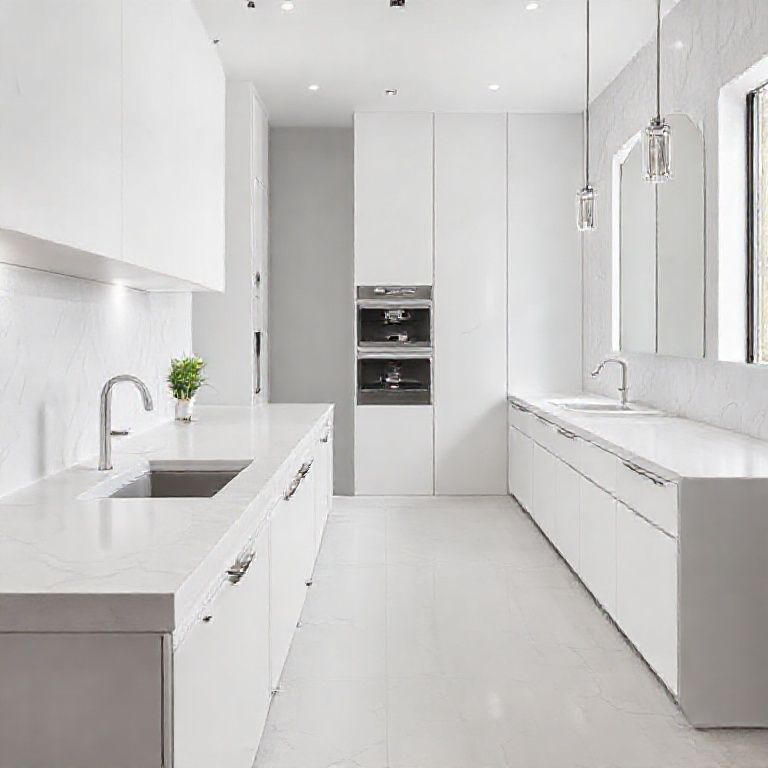
The Beauty and Durability of Artificial Stone Countertops
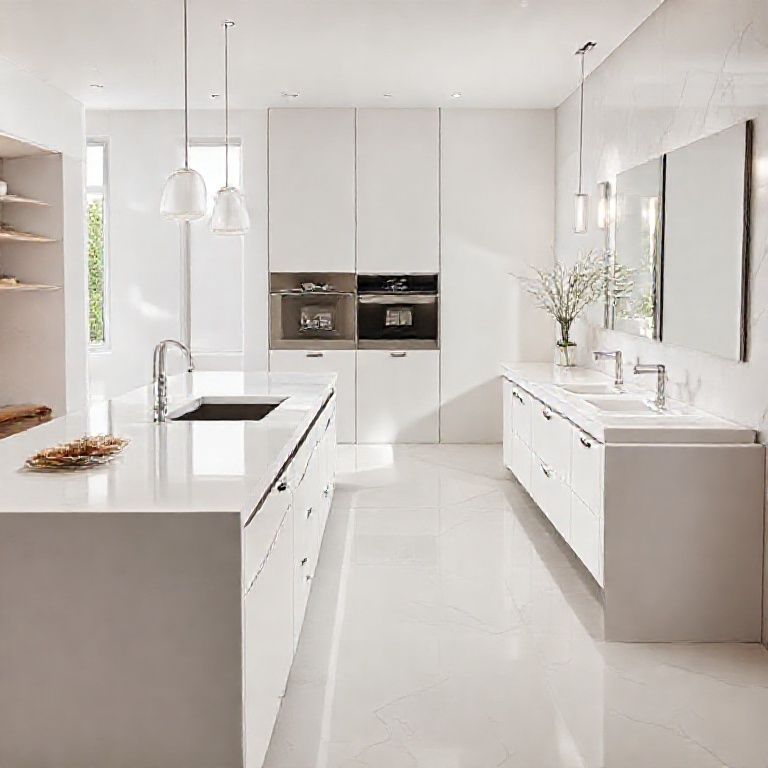
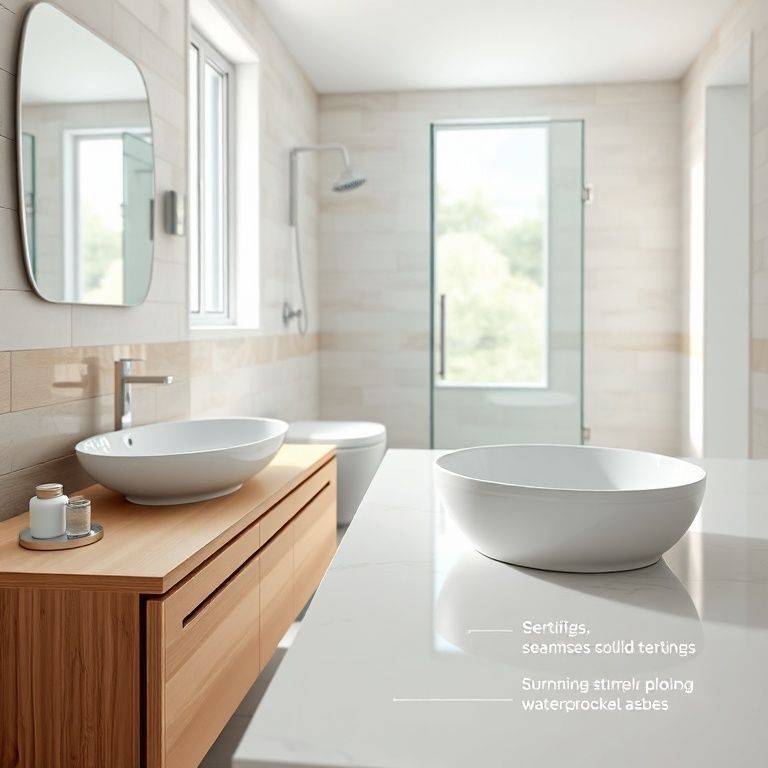
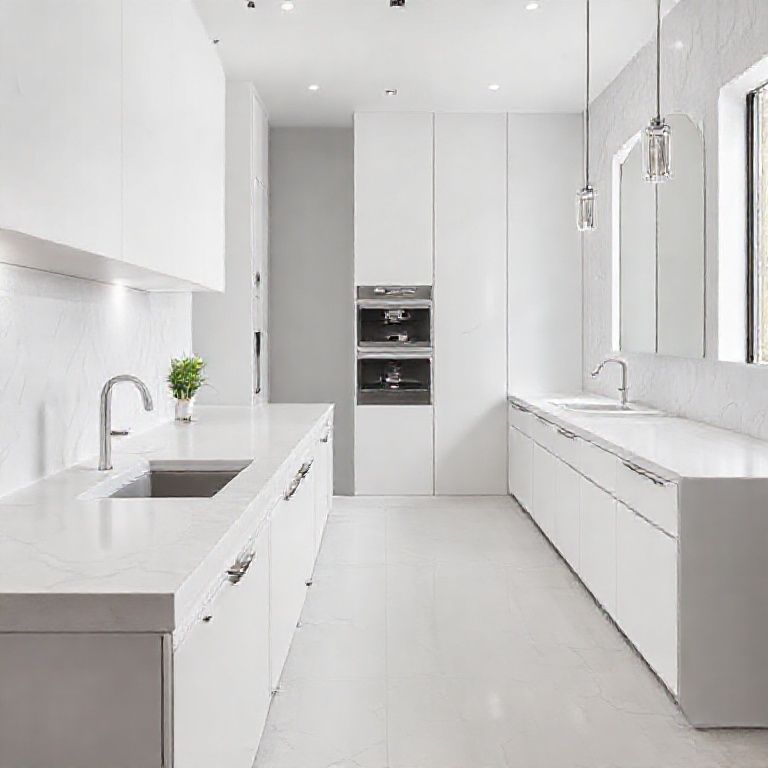
Artificial stone countertops have revolutionized modern kitchen and bathroom design with their striking aesthetic and impressive durability. These surfaces mimic the appearance of natural stone but offer numerous advantages that make them a preferred choice for many homeowners and designers. Let’s delve into what makes artificial stone so appealing and why it stands out in the world of countertops.
The Allure of Artificial Stone
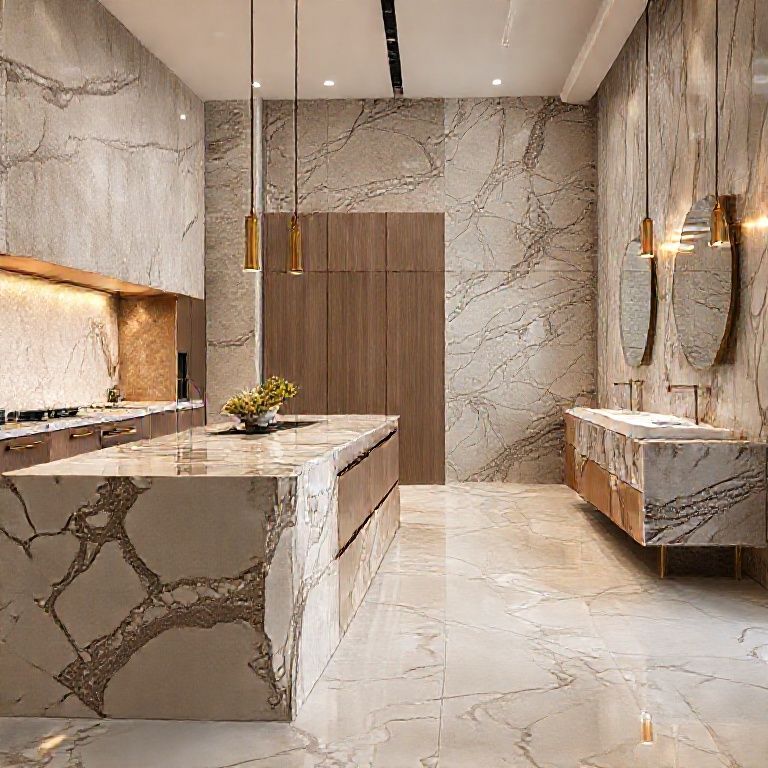
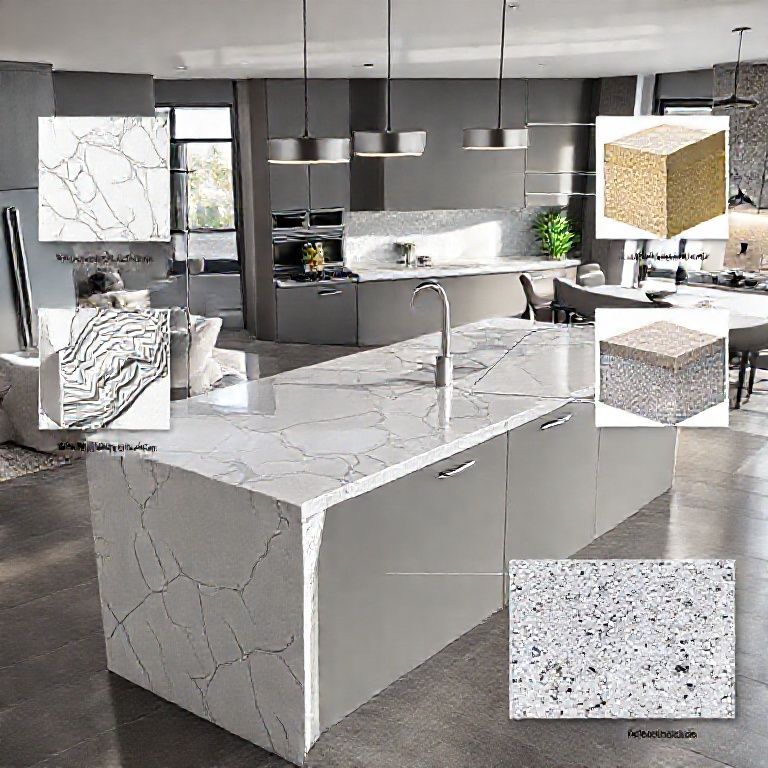
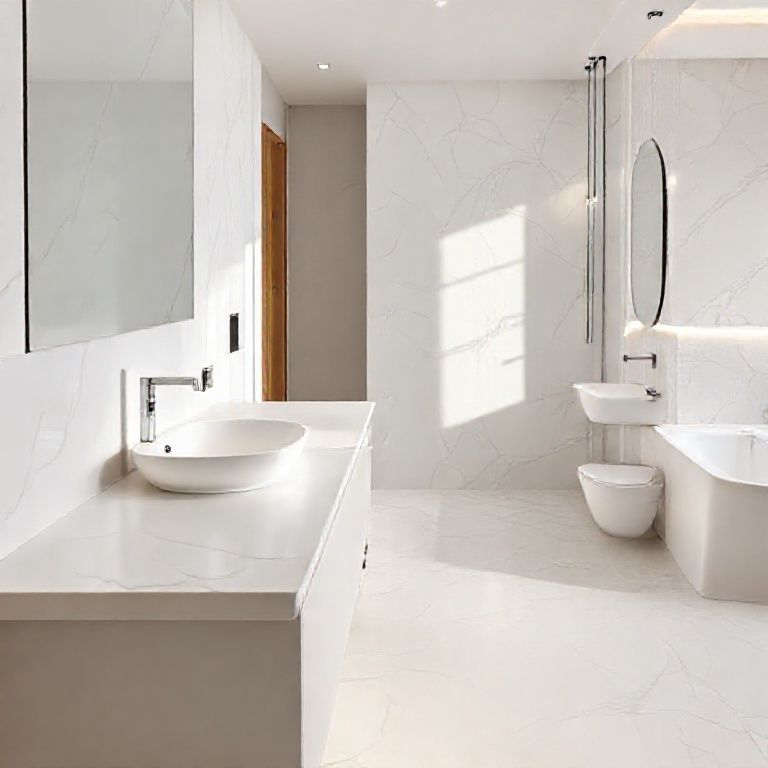
Artificial stone, often referred to as cultured stone, combines natural minerals with resin to create a composite material that closely resembles marble, granite, and other natural stones. The primary ingredients include calcium carbonate, silica, and polymer resins. This blend results in a material that boasts the visual appeal of natural stone while offering enhanced performance.
Aesthetic Versatility
One of the most significant benefits of artificial stone is its versatility in design. It can be crafted to mimic a wide range of natural stones, from traditional marbles and granites to exotic varieties like onyx and alabaster. This flexibility allows for a high degree of customization, ensuring that your countertops can match any decor style, from minimalist to luxurious.
Durability and Low Maintenance
Artificial stone is renowned for its durability. It is significantly more resistant to scratches, stains, and chips compared to natural stone. The resin used in its creation provides a tough, non-porous surface that is easier to clean and maintain. Unlike natural stone, artificial stone does not absorb liquids, which means spills and stains are less likely to penetrate the surface, preserving its beauty over time.
Common Concerns: The Yellowing Issue
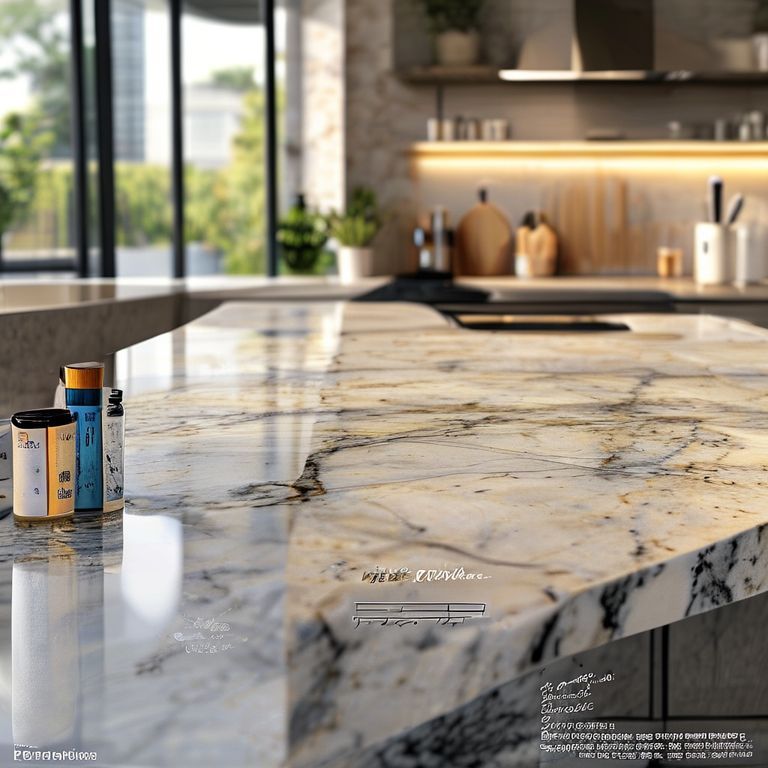
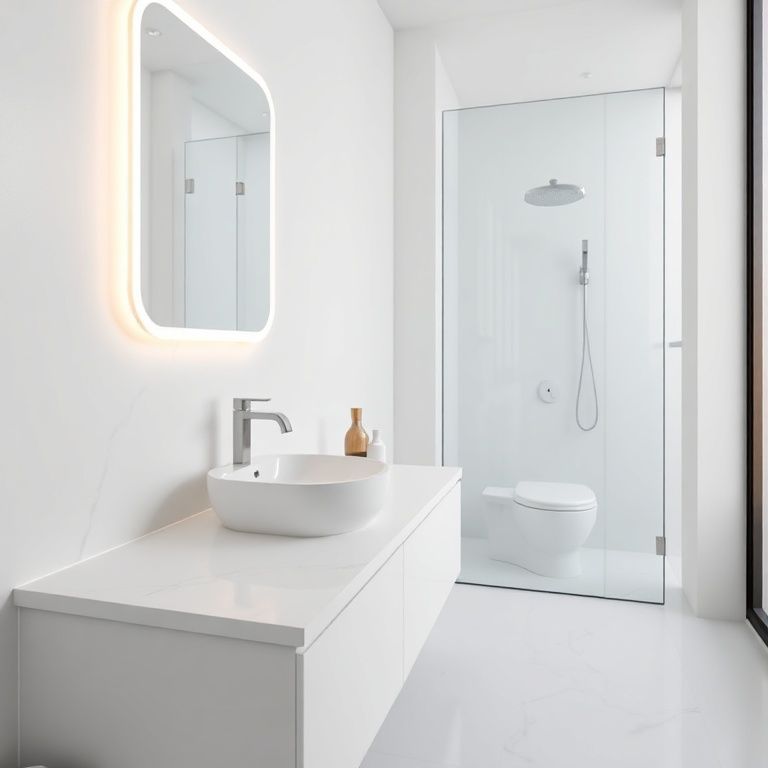
Despite its many advantages, artificial stone countertops can sometimes develop a yellowing appearance. This issue can be quite concerning, especially if you’re looking to maintain the pristine look of your kitchen or bathroom. To understand why this happens, let’s explore the factors that contribute to yellowing and how it can be addressed.
Factors Contributing to Yellowing
Several factors can lead to the yellowing of artificial stone countertops:
Exposure to UV Light
Ultraviolet (UV) rays from the sun can cause artificial stone to yellow over time. Prolonged exposure to direct sunlight can break down the resin and pigments, leading to a yellow or discolored appearance. This is particularly common in areas like patios or balconies where the countertops are exposed to sunlight for extended periods.
Chemical Reactions
Certain chemicals can react with the resin in artificial stone, leading to discoloration. This includes acids from fruits like lemons and oranges, as well as cleaning agents that contain bleach or harsh detergents. Even regular soap residue can contribute to yellowing if not properly cleaned.
Oil and Grease
Cooking and food preparation often involve oils and grease, which can leave a residue on artificial stone countertops. Over time, these residues can cause the surface to yellow, especially if they are not cleaned promptly and thoroughly.
Prevention and Maintenance
Preventing yellowing requires a combination of proper cleaning practices and protective measures. Here are some tips to help maintain the beautiful appearance of your artificial stone countertops:
Regular Cleaning
Regular cleaning is essential to prevent yellowing. Use a mild, non-abrasive cleaner specifically designed for artificial stone. Avoid using acidic or harsh chemicals that can damage the surface. Wipe up spills immediately to prevent stains and discoloration.
Protective Coatings
Applying a protective coating can offer an extra layer of defense against yellowing. These coatings create a barrier that repels stains and chemicals, making it easier to keep your countertops looking their best. Look for products that are specifically formulated for artificial stone.
Avoiding Direct Sunlight
If possible, minimize the exposure of your artificial stone countertops to direct sunlight, especially in areas like patios or balconies. Use curtains, blinds, or UV-protective window films to reduce the impact of UV rays.
Proper Cooking Practices
When cooking, use non-stick cookware to avoid leaving oil and grease residues on the countertops. Wipe down the surfaces regularly to remove any cooking-related stains.
Reviving and Protecting Your Artificial Stone Countertops
Artificial stone countertops are a fantastic choice for those seeking a durable, low-maintenance surface that looks stunning. However, maintaining their pristine appearance requires ongoing care and attention. In this part, we’ll explore in-depth strategies to prevent yellowing and revive your artificial stone countertops when discoloration does occur.
Understanding the Chemistry Behind Yellowing
To effectively combat yellowing, it’s important to understand the chemical processes at play. When artificial stone is exposed to UV light, the resin bonds can break down, leading to a yellow or brownish hue. This is a natural aging process but can be accelerated by environmental factors. Chemical reactions, such as those caused by acidic substances or cleaning agents, can also degrade the resin and pigment in the stone, resulting in discoloration.
Effective Cleaning Techniques
Proper cleaning is crucial to prevent and address yellowing. Here are some effective techniques for maintaining your artificial stone countertops:
Use the Right Cleaner
Opt for a cleaner specifically designed for artificial stone. These cleaners are formulated to clean without damaging the resin and pigments. Avoid using acidic cleaners or those containing bleach, vinegar, or harsh detergents, which can cause further discoloration.
Regular Maintenance
Develop a regular cleaning routine. Wipe down your countertops daily with a damp cloth to remove spills and residues. For deeper cleaning, use a mild cleaner once a week. Regular maintenance helps to prevent the buildup of substances that can cause yellowing.
Avoid Abrasives
Avoid using abrasive pads or sponges when cleaning your countertops. These can scratch the surface and lead to further discoloration. Instead, use soft cloths or non-abrasive cleaning tools.
Immediate Spill Management
Immediately address spills, especially those from acidic or greasy substances. Acidic spills can cause significant damage, and grease can leave a residue that yellows over time. Use a clean, damp cloth to wipe up spills as soon as they occur.
Reviving Yellowed Countertops
If your artificial stone countertops have already yellowed, there are several methods you can use to restore their original appearance. Here are some effective techniques:
Baking Soda Paste
Create a paste using baking soda and water. Apply the paste to the yellowed areas and let it sit for a few minutes before scrubbing gently with a soft cloth. Baking soda is a mild abrasive that can help lift stains without damaging the stone.
Hydrogen Peroxide
For stubborn yellowing, hydrogen peroxide can be an effective solution. Mix equal parts hydrogen peroxide and water, apply it to the yellowed areas, and let it sit for a few minutes before wiping it off with a damp cloth. Be cautious with this method, as hydrogen peroxide can be harsh and may bleach certain pigments.
Professional Cleaning Services
For severe cases of yellowing, consider hiring a professional cleaning service. Professionals have access to specialized equipment and products that can effectively clean and restore the appearance of your countertops without causing damage.
Protective Measures
Preventing yellowing is always better than trying to fix it, so here are some additional protective measures to consider:
UV Protection
If your artificial stone countertops are exposed to direct sunlight, consider using UV-protective window films. These films can block harmful UV rays and help prevent yellowing over time.
Regular Inspections
Regularly inspect your countertops for signs of yellowing or other damage. Early detection can make it easier to address issues before they become severe.
Proper Use of Cooking Utensils
When cooking, use non-stick cookware to avoid leaving oil and grease on the countertops. If non-stick cookware is not an option, clean the surfaces promptly to prevent residues from yellowing the stone.
The Long-Term Benefits of Artificial Stone
Despite the potential for yellowing, the long-term benefits of artificial stone countertops far outweigh the occasional maintenance required. Here’s why:
Durability
Artificial stone is incredibly durable. It is resistant to scratches, stains, and chips, making it an ideal choice for high-traffic areas like kitchens and bathrooms.
Low Maintenance
Artificial stone requires minimal maintenance compared to natural stone. Regular cleaning with a mild, non-abrasive cleaner will keep it looking beautiful for years to come.
Aesthetic Appeal
The aesthetic appeal of artificial stone is unparalleled. It can mimic a wide range of natural stones, providing versatility and design options that are hard to match with natural stone.
Cost-Effective
While the initial cost of artificial stone may be higher than some other materials, its durability and low maintenance make it a cost-effective choice in the long run.
Conclusion
Artificial stone countertops offer a stunning, durable, and low-maintenance alternative to natural stone. While they can yellow over time due to factors like UV exposure, chemical reactions, and oil residues, proper care and maintenance can prevent this issue. By following effective cleaning techniques, using protective measures, and addressing yellowing promptly, you can ensure that your artificial stone countertops remain a beautiful focal point in your home for years to come. Embrace the beauty and durability of artificial stone to enhance your kitchen and bathroom with a surface that looks stunning当然,我会继续提供更多关于如何维护和保护你的人造石台面的详细信息。
定期检查和维护
1. 定期检查: 每月检查台面是否有任何污渍、划痕或其他损伤。早期发现问题可以避免它们恶化。
2. 清洁工具: 使用软布、海绵或擦布来清洁台面。避免使用任何硬质工具或刷子,以防刮伤表面。
3. 湿润清洁: 定期用湿布擦拭台面,保持干净。如果有污渍,可以使用温水和中性清洁剂,但不要使用过多水分。
特殊清洁方法
1. 咖啡和茶渍: 咖啡和茶渍可以用热水和少量的洗洁精迅速清除。立即擦干,以防渗入表面。
2. 油污和脂肪: 可以使用专用的去油剂或者自制的纳豆凝胶(小苏打、醋和水混合),轻轻擦拭污渍。注意不要让去油剂过久接触台面。
3. 酸性液体: 如果有果汁或其他酸性液体洒在台面上,用纯水立即擦拭干净,然后用中性清洁剂进行清洗,以防止腐蚀。
使用保护套和垫子
1. 烤盘垫: 在使用烤盘或炒锅时,使用烤盘垫或锡纸,以防止热量和油污直接接触台面。
2. 切菜垫: 在切菜或处理食物时,使用切菜垫,避免划伤台面。
3. 桌布和垫子: 在餐桌上摆放餐具时,使用桌布或桌垫,保护台面不受划伤。
避免常见误区
1. 不要使用过多的清洁剂: 过多的清洁剂可能会残留化学物质,导致表面变色。
2. 避免使用钢丝球: 钢丝球虽然清洁效果好,但会对人造石台面造成划伤。
3. 不要忽视小污渍: 小污渍如果不及时清理,会扩大并变得更难清除。
专业维护和保养
1. 定期专业清洁: 每6个月到1年进行一次专业清洁,以确保台面的表面光滑和洁净。
2. 使用保护涂层: 有些人会在台面上涂抹保护涂层,以增加耐用性和防污性。但要注意选择合适的产品,并遵循制造商的建议。
处理严重损伤
1. 小划痕: 可以使用专门的修复笔或抛光剂,根据需要涂抹并擦拭至光滑。
2. 严重划痕或裂痕: 如果台面有严重的划痕或裂痕,建议联系专业人员进行修复,以确保台面的完整性和美观。
通过以上的保养和维护方法,你可以确保你的人造石台面保持如新,持久美观。定期的细心护理,不仅能延长台面的使用寿命,还能让其保持最佳的外观和功能。