The Allure and Quality of Engineered Marble Stone
Introduction to Engineered Marble Stone
In the world of home and commercial design, the choice of materials plays a pivotal role in shaping the aesthetic and functionality of spaces. Engineered marble stone, a modern marvel, has emerged as a top contender for those seeking luxury, durability, and timeless beauty. This sophisticated material, often mistaken for natural marble, is a composite material crafted to mimic the elegance of real marble while offering superior benefits.
What is Engineered Marble Stone?
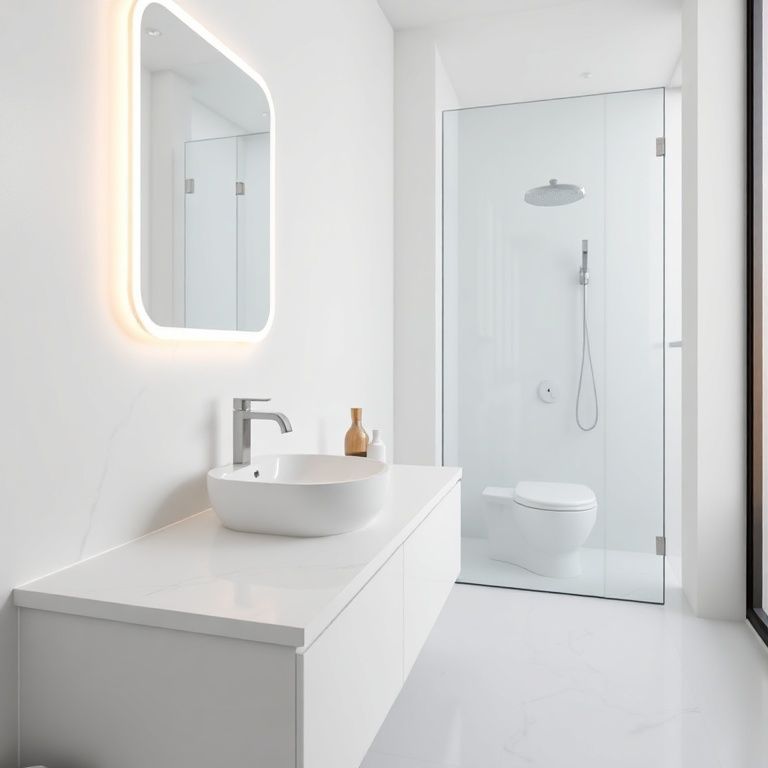
Engineered marble stone is a high-quality composite material that combines the best attributes of natural stone with advanced manufacturing techniques. It is typically made from a blend of stone chips, resin, and pigments, which are fused together under high pressure and temperature. This results in a material that not only looks like marble but also boasts enhanced durability and resistance to stains, scratches, and thermal damage.
The Beauty of Engineered Marble Stone
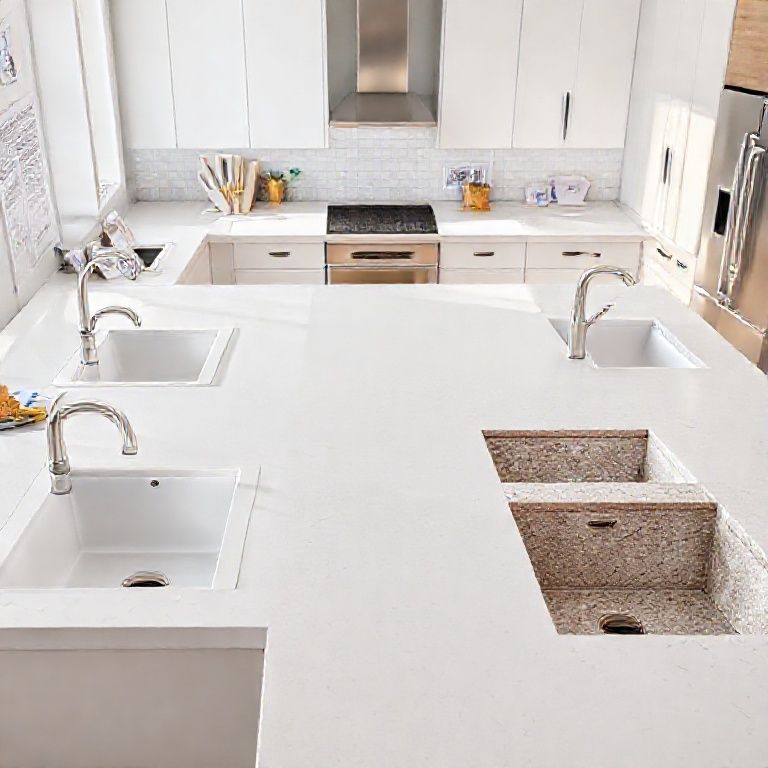
The beauty of engineered marble stone lies in its versatility and the stunning visual appeal it brings to any space. Its intricate patterns and rich colors are reminiscent of natural marble, providing a luxurious and sophisticated look that can elevate the ambiance of any room. The surface of engineered marble is smooth and sleek, making it an ideal choice for countertops, backsplashes, and other high-traffic areas where a polished and elegant appearance is desired.
Durability and Maintenance
One of the standout features of engineered marble stone is its durability. Unlike natural stone, which can be prone to cracks and chips, engineered marble is designed to withstand everyday wear and tear. It is also highly resistant to stains and spills, which makes it an excellent choice for kitchens and bathrooms where moisture and grease are common. Maintenance of engineered marble is relatively simple; it requires minimal cleaning and care, making it a practical choice for busy households and commercial establishments.
Why Choose Engineered Marble Stone?
The decision to choose engineered marble stone over other materials is influenced by several key factors:
Aesthetic Appeal: The visual beauty of engineered marble cannot be understated. Its rich patterns and vibrant colors offer a level of sophistication that is hard to achieve with other materials.
Durability: Engineered marble’s resistance to scratches, stains, and thermal damage makes it a long-lasting choice. It can withstand the rigors of daily use without losing its pristine appearance.
Cost-Effectiveness: While the initial cost of engineered marble may be higher than some alternatives, its durability and low maintenance requirements make it a cost-effective option in the long run.
Versatility: Engineered marble can be used in a variety of applications, from countertops and backsplashes to flooring and decorative elements. Its versatility allows for endless design possibilities.
Cost Factors Influencing Marble Countertop Prices
When considering the cost of engineered marble stone, several factors come into play. Understanding these elements can help you make an informed decision and get the most value for your investment.
Material Quality
The quality of the materials used in engineered marble significantly affects its price. Higher-grade materials, including premium stone chips and advanced resins, result in a more luxurious and durable product. These materials not only enhance the appearance but also the longevity of the countertop.
Design and Complexity
The design and complexity of the engineered marble also influence its cost. Custom designs with intricate patterns or unique colors may require more time and expertise to create, leading to higher prices. Additionally, the intricacy of the design, such as the depth of the pattern and the smoothness of the finish, can affect the overall cost.
Labor Costs
Labor costs are another critical factor in determining the price of engineered marble countertops. The expertise required to properly install and maintain engineered marble can vary, leading to differences in labor costs. Professional installation ensures that the material is used to its full potential, providing a seamless and professional finish.
Surface Finish
The surface finish of the engineered marble plays a crucial role in its cost. High-gloss finishes that reflect light beautifully can enhance the visual appeal but may also require more labor and specialized equipment to achieve. Matte finishes, on the other hand, offer a more understated elegance and may be less expensive to produce.
Application and Usage Area
The intended application and the size of the area where the engineered marble will be used also affect its cost. Larger installations, such as extensive countertops or flooring, will naturally incur higher costs due to the increased amount of material needed. Additionally, the specific requirements of the application, such as special edge treatments or unique configurations, can influence the overall price.
Conclusion
Engineered marble stone stands out as a luxurious, durable, and versatile choice for modern design. Its aesthetic appeal, combined with its superior qualities, makes it a compelling option for both residential and commercial spaces. Understanding the factors that influence marble countertop prices ensures that you can make a well-informed decision that aligns with your design vision and budget.
In the next part, we will delve deeper into the installation process, the benefits of choosing engineered marble for various applications, and how to maintain this beautiful material to ensure its longevity and beauty.
Installation, Applications, and Maintenance of Engineered Marble Stone
The Installation Process
Proper installation of engineered marble stone is essential to ensure its durability and aesthetic appeal. Here’s a detailed look at the installation process and the importance of professional expertise.
Preparation and Planning
Before installation, thorough preparation and planning are crucial. This involves assessing the space where the engineered marble will be placed to determine the appropriate size and design. It’s also important to consider the specific requirements of the area, such as humidity levels for bathrooms or kitchens with high moisture.
Professional contractors will conduct a site survey to ensure that the material is suitable for the intended application. They will also take measurements and create a detailed plan to guide the installation process. Proper planning helps to avoid costly mistakes and ensures a smooth installation.
Surface Preparation
The surface where the engineered marble will be installed must be clean, flat, and free of any debris. This includes removing old materials, leveling the surface, and ensuring it is properly sealed to prevent any moisture or contaminants from affecting the new countertop. Surface preparation is a critical step that can significantly impact the longevity and appearance of the engineered marble.
Installation Techniques
Installing engineered marble stone typically involves adhering the material to a substrate using specialized adhesives. The process may vary depending on the specific design and requirements of the project. Professionals will use precise cutting techniques to fit the engineered marble to the space, ensuring a seamless and professional finish.
During installation, it is essential to follow manufacturer guidelines and best practices to achieve the best results. Proper installation techniques help to prevent issues such as cracking, warping, or uneven surfaces, which can detract from the material’s beauty and functionality.
Benefits of Engineered Marble in Various Applications
Engineered marble stone offers a myriad of benefits when used in various applications, making it a versatile choice for different design needs.
Kitchen Countertops
In kitchens, engineered marble countertops provide a sleek and elegant look that complements modern and traditional designs alike. Their durability ensures that the countertops can withstand the rigors of daily cooking and cleaning, while their resistance to stains and scratches means they require minimal maintenance. The smooth surface also makes them easy to clean, making them an excellent choice for busy households.
Bathroom Vanities and Backsplashes
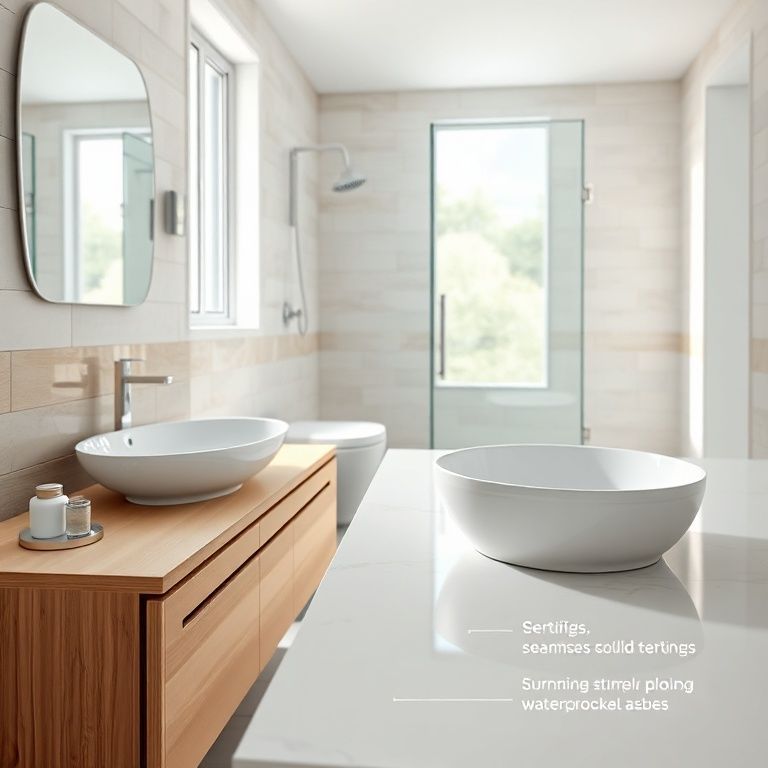
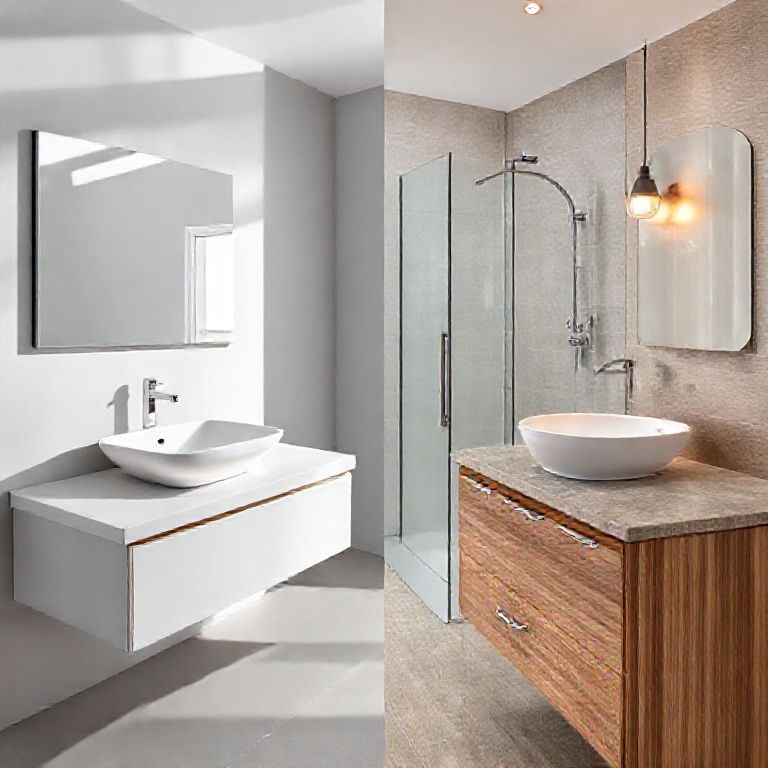
Bathrooms benefit greatly from the use of engineered marble in vanities and backsplashes. The material’s resistance to moisture and stains makes it an ideal choice for these high-moisture areas. The aesthetic appeal of engineered marble can enhance the overall look of the bathroom, providing a luxurious and sophisticated touch.
Flooring
Engineered marble can also be used for flooring, offering a durable and stylish option for both residential and commercial spaces. Its resistance to wear and tear makes it suitable for high-traffic areas, while its polished finish adds a touch of elegance. The versatility of engineered marble allows it to blend seamlessly with various design styles, from contemporary to traditional.
Decorative Elements
Beyond functional applications, engineered marble can be used for decorative elements such as tabletops, shelving, and even decorative wall panels. Its versatility and beauty make it a popular choice for adding a touch of luxury and sophistication to any space.
Maintenance Tips for Engineered Marble
To ensure that engineered marble maintains its beauty and durability, proper maintenance is essential. Here are some tips to help you care for your engineered marble:
Regular Cleaning
Engineered marble should be cleaned regularly to prevent the buildup of grime and stains. Use a soft cloth and a mild, pH-neutral cleaner to wipe down the surface. Avoid using abrasive cleaners or scrubbers that can scratch the surface.
Stain Prevention
To prevent stains, it’s important to clean up spills immediately. For liquid spills, blot the area with a clean cloth to absorb as much of the liquid as possible before wiping the surface. For solid spills, sweep or vacuum up the debris before wiping the surface.
Avoiding Acidic and Oily Substances
Acidic and oily substances can damage the surface of engineered marble. Avoid using acidic cleaners, citrus-based cleaners, or placing acidic foods on the countertop. If an acidic spill occurs, clean it up immediately with a mild, pH中的清洁剂。
避免将油性食物或锅具直接放在石材表面,以防止污渍和划痕。
定期检查和维护
定期检查工作台面和其他表面,确保没有划痕、裂缝或其他损伤。如果发现任何损坏,应及时进行修复。对于大面积的裂缝,可以考虑专业维修服务。
避免过度暴露在阳光下
虽然工程大理石具有很好的耐候性,但长时间暴露在强烈阳光下可能会导致颜色褪色。因此,最好将工程大理石表面遮蔽或使用遮阳措施,以延长其美观和耐用性。
专业维修和保养
对于需要修复或保养的工程大理石,建议寻求专业服务。专业人员有经验和工具,可以有效地修复损坏,恢复石材的美观和功能。
通过遵循这些维护建议,您可以确保您的工程大理石石材保持其美观和耐用性,为您的家居或商业空间带来长期的美丽和价值。
选择工程大理石的额外优势
除了美观和耐用性,工程大理石还有许多其他优势,使其成为许多设计师和消费者的首选:
环保性:工程大理石通常采用可再生资源制造,其环境影响小于传统的天然大理石。它们通常经过精心设计和处理,以减少对环境的影响。
经济实惠:相比天然大理石,工程大理石通常更加经济实惠。由于其制造过程更加高效,价格更为亲民,使其成为预算有限的消费者的理想选择。
定制化选项:工程大理石提供了广泛的定制化选项。从颜色到图案,设计师可以根据项目需求自由创造,以实现最佳的视觉效果。
安装简便:工程大理石通常设计成易于安装的模块或板块,这使得安装过程更加简单和高效。这对于专业人员和DIY爱好者来说都是一个巨大的优势。
耐用性和耐用性:工程大理石经过特殊处理,使其具有出色的耐用性和耐用性。它们能够承受高度的日常使用和压力,同时保持其美观和功能。
工程大理石不仅提供了优雅和现代的外观,还具有许多实际的优势,使其成为许多家庭和商业项目的理想选择。通过正确的维护和保养,您可以确保这种美丽的材料在您的空间中持续闪耀。