The Hidden Drawbacks of Marble Dining Tables
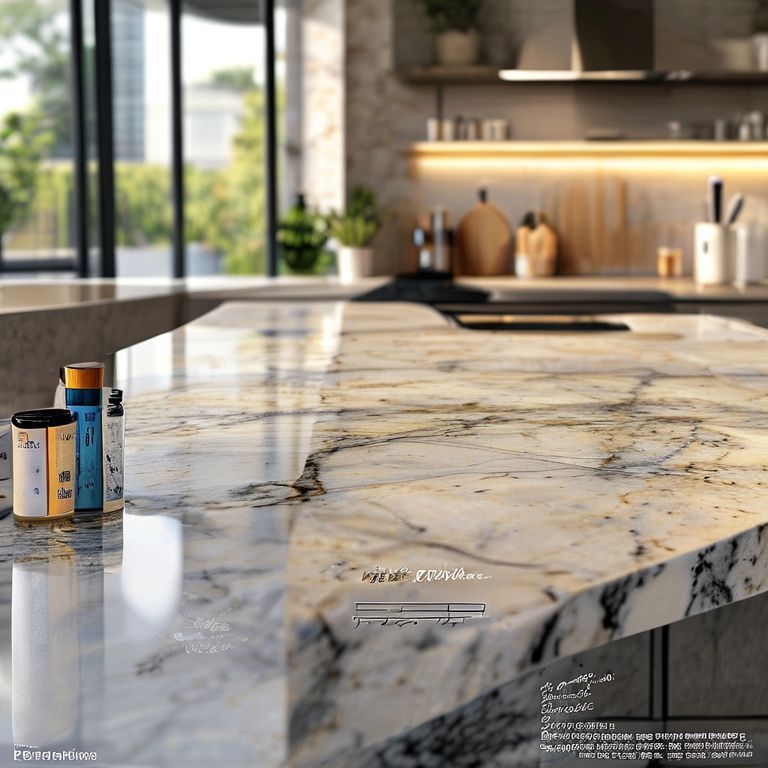
In the world of home decor, marble dining tables often stand out due to their elegance and timeless appeal. However, beneath this beautiful exterior lies a collection of issues that make them less than ideal for many households. Let’s explore the hidden drawbacks of choosing a marble dining table.
Durability Concerns
One of the most significant issues with marble dining tables is their durability. While marble is strong and beautiful, it is also incredibly brittle. This means that even a minor impact can lead to a crack or chip. When it comes to dining tables, which are often subjected to daily use and the occasional clumsy spill, the risk of damage is higher. Unlike other materials such as hardwood or engineered wood, which can often be sanded and refinished, marble requires professional repair services to fix even minor damage, which can be costly and time-consuming.
Maintenance Issues
Marble is also notorious for being difficult to maintain. Unlike other surfaces, marble requires a special care routine to keep its shine and prevent stains. It needs to be sealed regularly to protect it from the acids in foods like wine, juice, and tomato sauce, which can cause unsightly spots and etching. Over time, this sealing process can become a tedious and expensive chore. Many people find that the upkeep required for a marble table is simply not worth the hassle, especially when compared to more low-maintenance options.
Cost Implications
The cost of a marble dining table is another significant concern. High-quality marble can be extremely expensive, and the installation process adds to the overall cost. Additionally, the need for professional maintenance and potential repair services can result in ongoing expenses. For many households, the initial investment and the long-term costs can be prohibitive.
Environmental Impact
From an environmental perspective, marble is not the most sustainable choice. The extraction of marble involves significant environmental degradation, including habitat destruction and pollution. Furthermore, the transportation of marble from its source to your home contributes to carbon emissions, adding to its environmental footprint. As we become more conscious of our environmental impact, choosing materials that are more sustainable becomes increasingly important.
Alternatives to Marble
There are several alternatives to marble that offer both style and practicality. For example, quartz dining tables combine the beauty of marble with the durability and low maintenance of synthetic materials. They are resistant to stains, heat, and scratches, making them an excellent choice for busy households. Similarly, engineered wood and solid wood dining tables offer a range of styles and are often more affordable and environmentally friendly than marble.
In conclusion, while marble dining tables have their charm, they come with a host of drawbacks that make them less than ideal for many homes. From durability and maintenance issues to cost and environmental concerns, it’s clear that there are compelling reasons to reconsider this choice. In the next part of this article, we will delve deeper into the practical and sustainable alternatives to marble dining tables.
Practical and Sustainable Alternatives to Marble Dining Tables
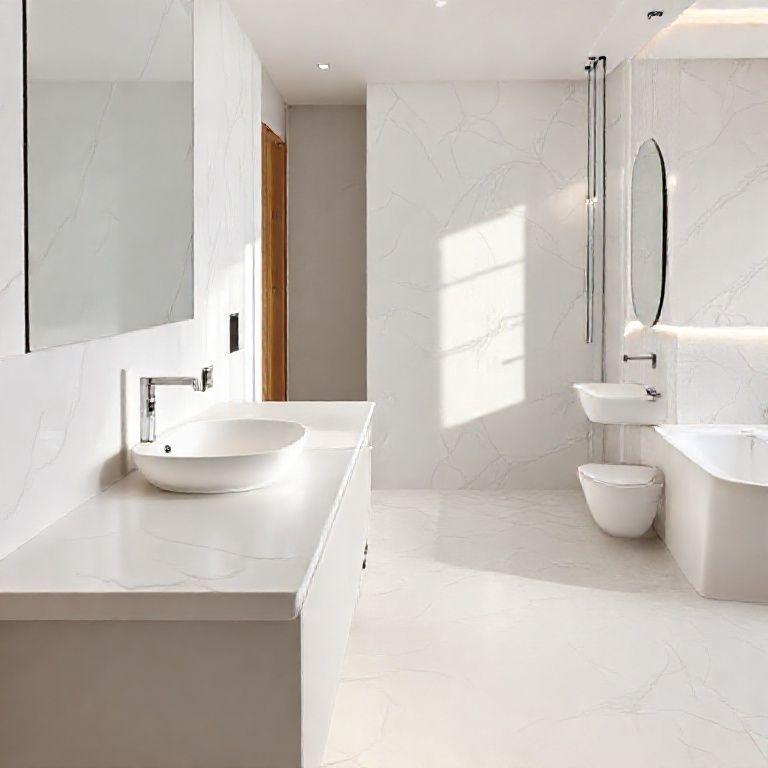
While the drawbacks of marble dining tables are significant, there are many practical and sustainable alternatives that offer both beauty and functionality. In this part, we will explore these alternatives in more detail, highlighting their benefits and why they might be a better choice for your dining room.
Engineered Wood
Engineered wood dining tables are a popular alternative to both natural wood and marble. These tables are made from layers of wood that are bonded together, creating a surface that is both durable and low maintenance. Engineered wood is resistant to warping, cracking, and splintering, making it an excellent choice for high-traffic areas like dining rooms. Additionally, engineered wood can be finished to look like natural wood, offering a variety of styles and colors. Because it is more durable than natural wood, it also requires less maintenance and is more affordable.
Solid Wood
Solid wood dining tables offer a timeless and elegant look that is difficult to replicate. Unlike engineered wood, solid wood tables are made from a single piece of wood, providing a unique grain and texture that is not found in manufactured alternatives. While solid wood tables require more maintenance than engineered wood, they offer unmatched durability and longevity. With proper care, a solid wood table can last for generations. Regular cleaning, polishing, and refinishing can help maintain its beauty and protect it from scratches and stains.
Quartz
Quartz dining tables have become increasingly popular due to their combination of beauty and practicality. Made from a mixture of quartz particles and resin, these tables offer the aesthetic appeal of marble without the drawbacks. Quartz surfaces are highly durable, resistant to stains, heat, and scratches, and require minimal maintenance. They are also more affordable than high-quality marble and can be customized to fit any design aesthetic. Additionally, quartz is a sustainable choice, as it is produced using a process that has a lower environmental impact than mining and transporting natural marble.
Bamboo
Bamboo is a rapidly renewable resource that offers a sustainable and stylish alternative to traditional dining tables. Bamboo grows quickly and can be harvested without damaging the environment, making it a more eco-friendly choice. Bamboo tables are incredibly strong and durable, resistant to scratches, stains, and warping. They also offer a unique and attractive grain that sets them apart from other materials. While bamboo tables may require more maintenance than some other options, with proper care, they can provide a beautiful and long-lasting dining surface.
Plastic and Resin
Plastic and resin dining tables offer a modern and low-maintenance alternative to traditional materials. These tables are highly durable, resistant to stains, scratches, and temperature changes, and require minimal upkeep. They are also available in a wide range of colors and styles, allowing for a high degree of customization. While they may not offer the same timeless elegance as wood or stone, they provide a practical and affordable solution for many households.
Conclusion
When it comes to choosing a dining table, there are many alternatives to marble that offer both style and practicality. From engineered wood and solid wood to quartz, bamboo, and resin, each material has its own unique benefits and drawbacks. While marble dining tables have their charm, the durability, maintenance, cost, and environmental concerns make them a less ideal choice for many homes. By exploring these alternatives, you can find a dining table that not only meets your aesthetic preferences but also suits your lifestyle and values.
In conclusion, while marble dining tables are often seen as the epitome of elegance, the hidden drawbacks make them a less than ideal choice for most households. By considering practical and sustainable alternatives, you can find a dining table that offers both beauty and functionality, without the long-term costs and maintenance issues associated with marble. Whether you choose engineered wood, solid wood, quartz, bamboo, or resin, there are many options available that can provide a stylish and durable dining surface for years to come.