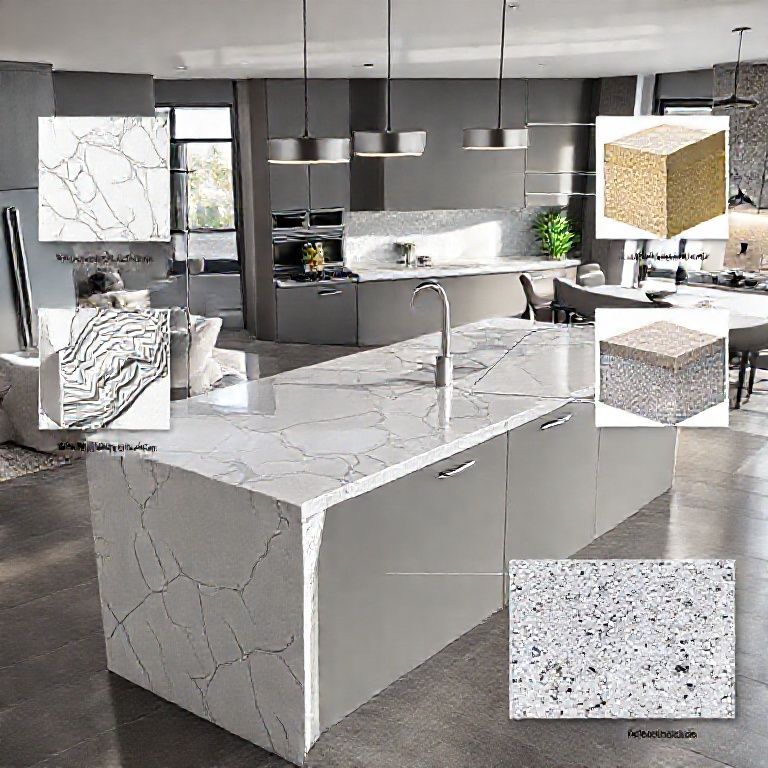
The Chemistry of 84 Disinfectant and Marble: An In-Depth Look
In the realm of household cleaning, disinfectants play a crucial role in maintaining hygiene and preventing the spread of germs. One of the most widely used disinfectants is the 84 Disinfectant, known for its potent antimicrobial properties. However, its application on certain surfaces like marble needs careful consideration due to the potential for adverse chemical reactions.
Understanding 84 Disinfectant
The 84 Disinfectant, often labeled as a powerful cleaner, contains a variety of active ingredients such as sodium hypochlorite, which is a form of chlorine. Sodium hypochlorite is a potent bleaching agent and disinfectant, effective against a broad spectrum of bacteria, viruses, and fungi. However, this same potency poses risks when used inappropriately on various materials, including marble.
Marble: A Brief Overview
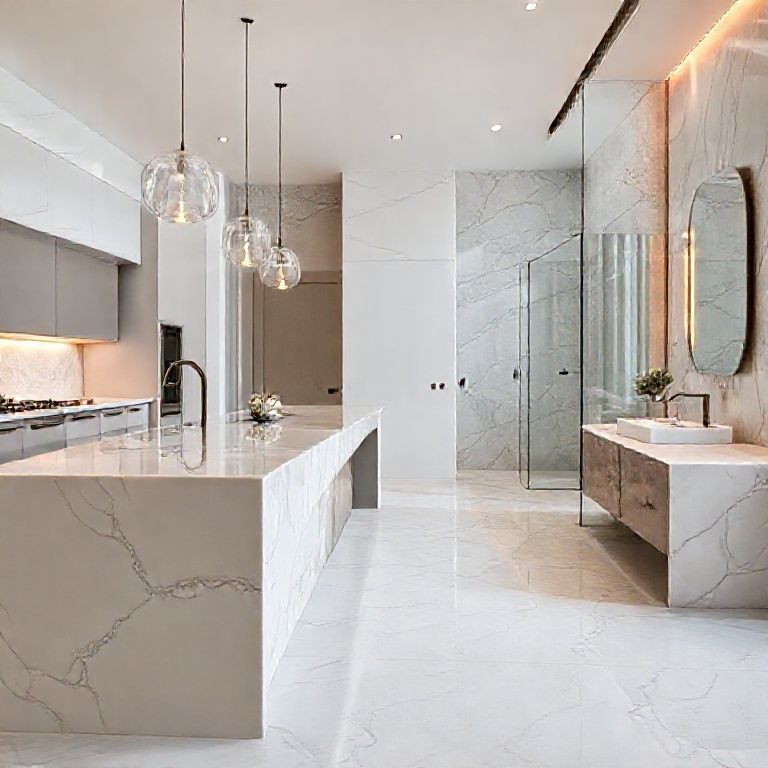
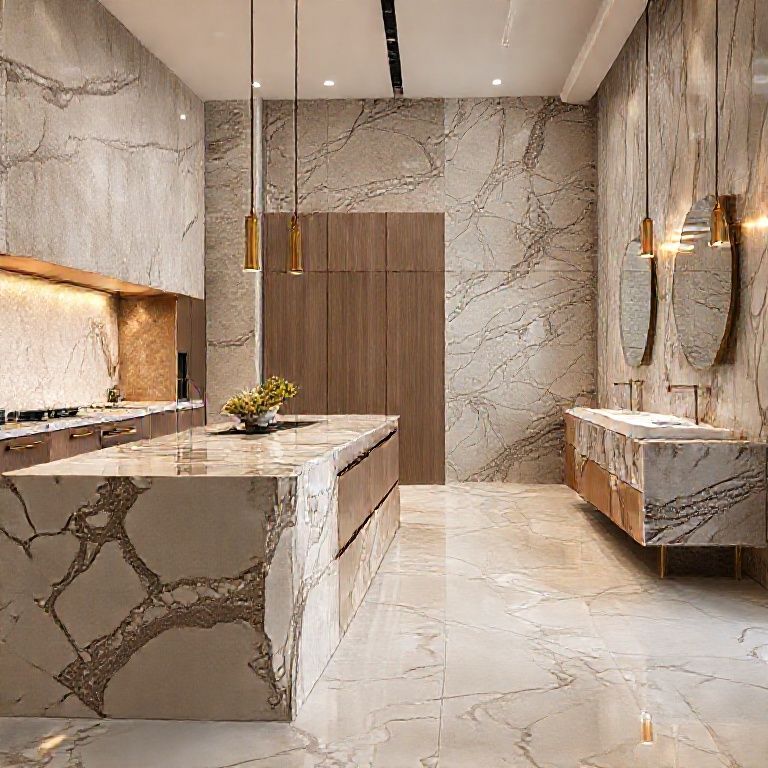
Marble is a popular choice for countertops, flooring, and decorative elements due to its aesthetic appeal and durability. Composed primarily of calcium carbonate (CaCO3), marble is a metamorphic rock that forms under high pressure and temperature from limestone. Its crystalline structure and porosity make it a visually stunning but also a delicate material.
The Chemical Reaction: 84 Disinfectant and Marble
When 84 Disinfectant comes into contact with marble, a series of chemical reactions can occur. Sodium hypochlorite in the disinfectant is a strong oxidizer. When it interacts with the calcium carbonate in marble, it can lead to the formation of calcium hypochlorite and carbon dioxide, as well as other byproducts. This reaction can cause significant damage to the marble’s surface, including discoloration, etching, and loss of shine.
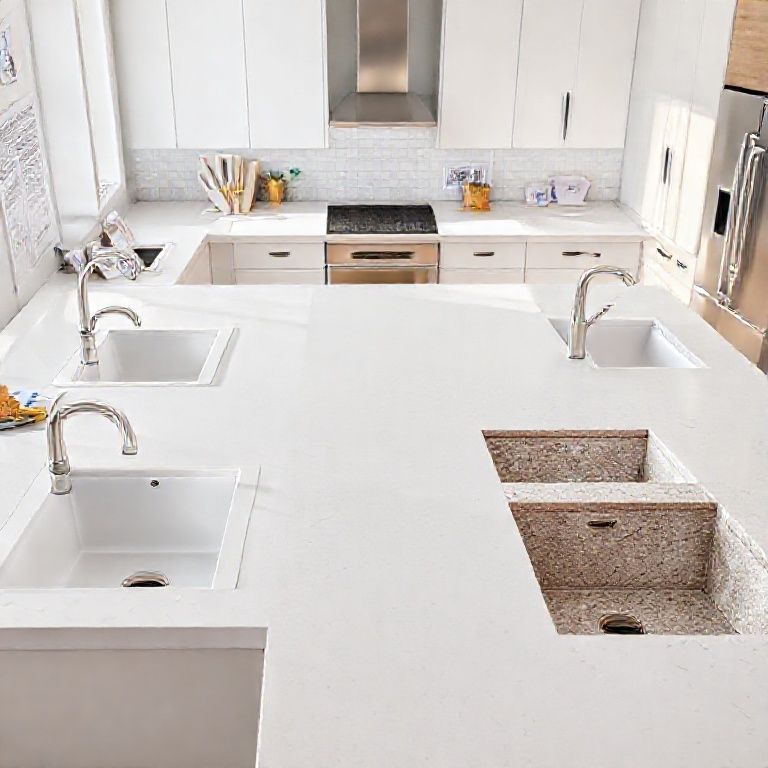
Signs of Damage
The adverse effects of using 84 Disinfectant on marble can be both visible and structural. Here are some signs to watch for:
Discoloration: Sodium hypochlorite can cause marble to develop unsightly stains, particularly in lighter shades. The bleaching properties of the disinfectant can lead to a whitening or graying effect.
Etching: The oxidizing nature of sodium hypochlorite can etch the marble’s surface, resulting in a rough texture. This not only affects the marble’s appearance but also its durability.
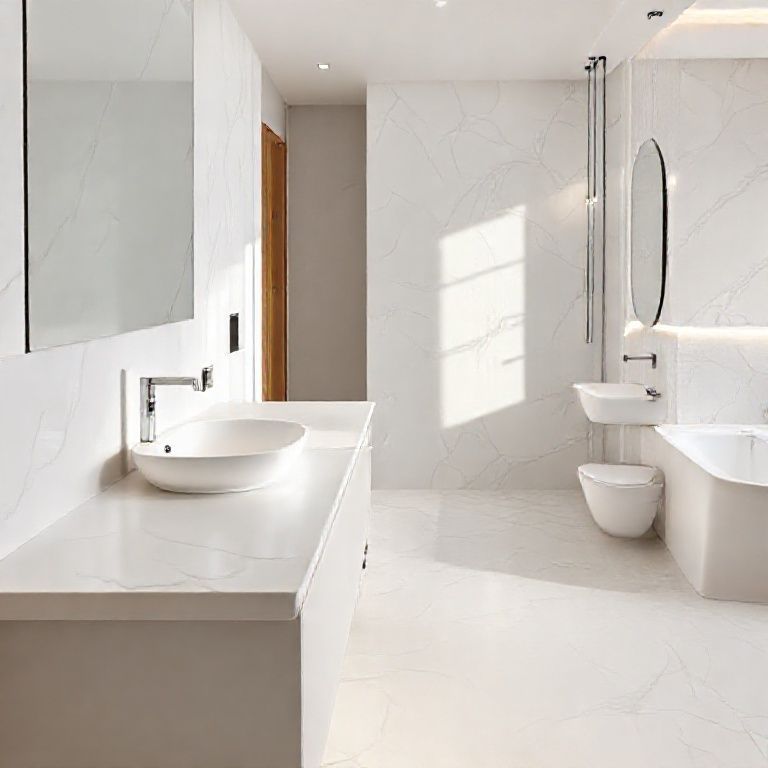
Loss of Shine: Marble typically has a natural luster due to its crystalline structure. The chemical reaction can dull this shine, making the marble appear dull and lifeless.
The Science Behind the Damage
To better understand why 84 Disinfectant is harmful to marble, we need to delve into the specifics of the chemical reactions involved. When sodium hypochlorite interacts with calcium carbonate, it undergoes the following reaction:
[ CaCO3 + NaOCl \rightarrow Ca(OCl)2 + CO2 + H2O ]
This equation simplifies the complex interplay of chemicals but highlights the fundamental issue: the formation of calcium hypochlorite, which can further react with other minerals in the marble, exacerbating the damage.

Environmental and Safety Considerations
While the primary concern lies in the interaction between 84 Disinfectant and marble, it’s also important to consider the broader environmental and safety implications. Sodium hypochlorite is a powerful chemical that, when not used correctly, can pose risks not only to surfaces but also to human health and the environment.
Proper Usage Guidelines
To mitigate the risk of damaging marble surfaces while using 84 Disinfectant, follow these guidelines:
Test in an Inconspicuous Area: Before applying the disinfectant to a large marble surface, test it in a small, inconspicuous area to ensure there is no adverse reaction.
Dilute Appropriately: If using 84 Disinfectant on surfaces other than marble, always dilute it according to the manufacturer’s instructions. Over-concentration can lead to more severe chemical reactions.
Use Alternative Cleaners: For marble surfaces, consider using pH-neutral, marble-safe cleaning solutions specifically designed to maintain the integrity of the stone.
Rinse Thoroughly: If 84 Disinfectant must be used, rinse the surface thoroughly with water immediately after application to minimize prolonged contact with the marble.
Regular Maintenance: Regular cleaning with appropriate products can help maintain the marble’s appearance and prevent the buildup of grime that might otherwise exacerbate the effects of accidental disinfectant use.
In conclusion, while 84 Disinfectant is an effective tool for cleaning and disinfecting many surfaces, its use on marble requires careful consideration. Understanding the chemical interactions and taking appropriate precautions can help preserve the beauty and longevity of marble surfaces in your home.
Preventing Damage to Marble from 84 Disinfectant: Best Practices and Alternatives
In the previous segment, we delved into the chemical reactions that occur when 84 Disinfectant comes into contact with marble, emphasizing the importance of understanding these interactions to prevent damage. In this part, we will explore best practices to protect marble surfaces and alternative cleaning solutions that are safer for marble.
Best Practices for Marble Maintenance
Maintaining marble surfaces requires a combination of regular cleaning, proper use of cleaning products, and awareness of the potential risks posed by disinfectants like 84.
1. Regular Cleaning Routine
A consistent cleaning routine is key to maintaining the appearance and structural integrity of marble:
Use pH-Neutral Cleaners: Opt for cleaners that are specifically designed for marble. These products are formulated to be safe for the surface without causing chemical reactions or damage.
Mild Cleaning Agents: Avoid harsh chemicals and abrasive materials. Use a soft cloth or microfiber sponge to gently clean the marble surface.
Water Rinse: After cleaning, rinse the marble thoroughly with clean water to remove any residues that could potentially react with other cleaning products.
2. Immediate Action for Accidental Spills
In the unfortunate event of an accidental spill of 84 Disinfectant on marble, immediate action is crucial:
Blot, Don’t Scrub: Gently blot the spill with a clean, damp cloth to absorb the disinfectant without spreading it further. Avoid scrubbing, which can exacerbate the damage.
Rinse Immediately: Rinse the affected area thoroughly with plenty of water to dilute and remove the disinfectant.
Dry the Surface: Use a clean, dry cloth to pat the area dry, preventing water from pooling and potentially causing further damage.
3. Avoid Frequent Use of Bleach-Based Cleaners
To prevent long-term damage, avoid frequent use of bleach-based cleaners on marble:
Limit Use: Reserve bleach-based cleaners for areas where they are absolutely necessary and ensure they are used sparingly and infrequently on marble surfaces.
Choose Safer Alternatives: For routine cleaning, opt for safer, marble-compatible cleaning solutions.
Alternative Cleaning Solutions
For those looking to avoid the risks associated with bleach-based disinfectants, there are several alternative cleaning solutions that are gentle yet effective for maintaining marble surfaces.
1. Vinegar and Water Solution
Vinegar is a natural cleaner that can effectively remove grime and disinfect without damaging marble:
Recipe: Mix equal parts of white vinegar and water in a spray bottle.
Application: Spray the solution on the marble surface and let it sit for a few minutes before wiping it clean with a soft cloth.
2. Baking Soda Paste
Baking soda is a mild abrasive that can be used to clean marble without harming its structure:
Recipe: Mix baking soda with a small amount of water to create a paste.
Application: Apply the paste to the marble surface, let it sit for a few minutes, then scrub gently with a soft cloth and rinse thoroughly.
3. Commercial Marble Cleaners
Several commercial products are specifically formulated to be safe for marble:
pH-Neutral Cleaners: Look for cleaners labeled as pH-neutral or marble-safe. These products are designed to clean and protect marble without causing chemical reactions.
Instructions: Follow the manufacturer’s instructions for proper application and dilution.
4. Lemon Juice
Lemon juice is a natural, acidic cleaner that can be effective for light cleaning and disinfection:
Recipe: Squeeze fresh lemon juice into a spray bottle and add water.
Application: Spray the lemon juice solution on the marble, let it sit for a few minutes, then wipe clean with a soft cloth.
The Role of Proper Maintenance in Preserving Marble
Proper maintenance is essential for preserving the beauty and integrity of marble surfaces. Regular cleaning and the use of appropriate products can prevent the need for more intensive restoration efforts down the line.
1. Preventative Measures
Implementing preventative measures can go a long way in protecting marble:
Protective Coatings: Consider applying a marble sealant or protective coating. These products form a barrier that protects the marble from stains, spills, and harsh chemicals.
Protective Pads: Use cutting pads and placemats to protect marble surfaces from scratches and stains caused by everyday use.
2. Professional Cleaning
For heavily trafficked areas or significant cleaning needs, professional marble cleaning services can offer deep cleaning and restoration:
Regular Professional Cleaning: Schedule regular professional当然,可以继续探讨如何更好地保护和维护大理石表面,以及一些更深入的技术细节。
1. 定期检查和保养
每月检查:每月对大理石表面进行简单的检查,查看是否有新的污渍或划痕。 清洁:定期使用pH中性的清洁剂进行清洁,避免使用含有酸性或碱性成分的清洁剂。
2. 使用适当的工具和材料
选择合适的工具和材料进行清洁和维护,可以避免对大理石表面造成不必要的损伤。
软布:使用绒布或微纤维布进行清洁,避免使用金属或玻璃刮刀等硬质工具。 避免硬物:不要使用硬质刷子或硬物刮擦大理石表面,以防划伤。
3. 处理溢出物和泄漏
及时处理液体溢出或泄漏是保护大理石的重要步骤。
快速反应:在液体溢出或泄漏时,立即用干净的布擦干,然后用水冲洗干净,最后用干布擦干。 使用垫圈:在厨房和浴室等容易泄漏的地方,安装合适的垫圈,防止污水溢出到大理石表面。
4. 定期保护层维护
如果你在大理石表面上使用了保护层或密封剂,定期维护是非常重要的。
重新密封:通常建议每12到24个月对大理石表面进行一次重新密封,以保持其防污和防溅功能。 专业服务:如果不确定如何进行重新密封,可以考虑请专业人员进行维护。
5. 环境控制
控制大理石表面周围的环境也是保护大理石的一部分。
湿度控制:避免在潮湿环境中使用大理石,尤其是在厨房和浴室,因为湿气会加速大理石表面的老化。 避免强热:大理石在高温下可能会产生裂纹,因此避免将热食物直接放在大理石表面上。
6. 处理划痕和污渍
如果大理石表面出现划痕或污渍,可以尝试以下方法进行处理:
划痕:使用专门的大理石修复膏,按照说明进行涂抹和抛光,可以有效修复轻微的划痕。 污渍:使用专用的大理石清洁剂,对于顽固污渍可以进行多次清洁,直至完全去除。