
The Chic Allure: Unpacking the Practicality of Artificial Marble for Your Home
In the grand theater of interior design, where every surface tells a story and every material whispers of style, artificial marble has emerged as a captivating leading player. Once viewed as a mere imitation, this engineered wonder has transcended its origins to become a celebrated choice for homeowners and designers alike, gracing countertops, vanities, and even wall panels with its sophisticated charm. But as with any star performer, the question inevitably arises: is artificial marble truly “good to use”? Is its allure a fleeting trend, or does its practicality stand the test of time and daily life? Let’s pull back the curtain and explore the multifaceted reality of this increasingly popular material.
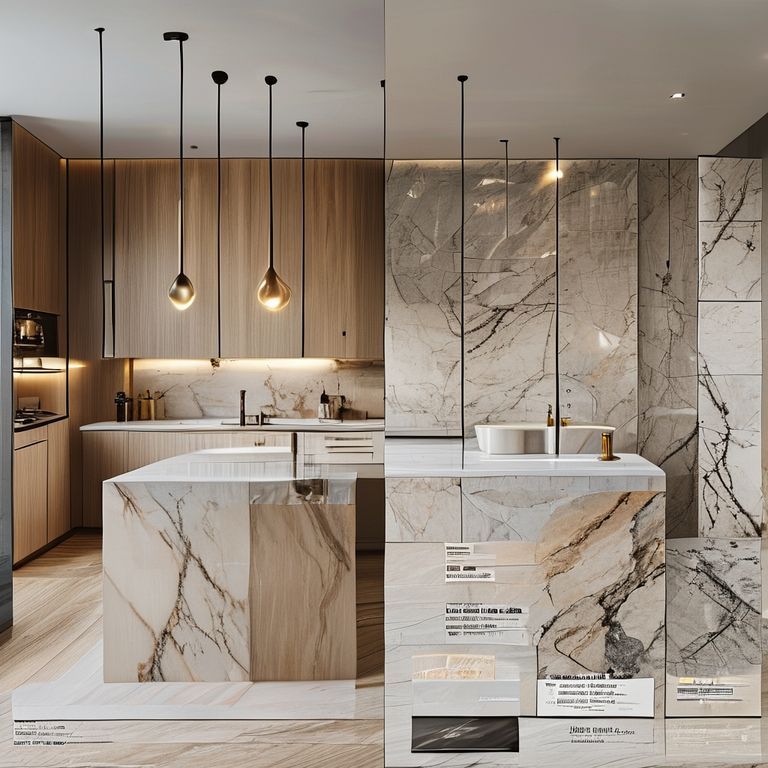
The aesthetic appeal of artificial marble is undeniable. It masterfully captures the ethereal beauty of natural marble – the dramatic veining, the subtle swirls, the luminous depth – but with a remarkable level of consistency and control. Unlike its natural counterpart, which can be unpredictable in its patterns and hues, artificial marble is manufactured to precise specifications. This means you can select a slab with a specific veining pattern, a particular shade of white, or a unique color that perfectly complements your existing decor or your wildest design aspirations. Imagine a kitchen countertop that mirrors the pristine elegance of Carrara marble, or a bathroom vanity that boasts the dramatic black veins of Nero Marquina, all without the inherent variations and potential imperfections of natural stone. This predictability offers a designer’s dream, allowing for seamless integration into a cohesive design scheme. Furthermore, the sheer variety available in the artificial marble market is staggering. From classic white marbles with delicate grey veining to bold, contemporary designs featuring vibrant colors and abstract patterns, the options are virtually limitless. This versatility empowers you to achieve a high-end look without being confined by the natural world’s inherent limitations.
Beyond its visual prowess, the practical advantages of artificial marble are significant, particularly when we consider its common applications in kitchens and bathrooms. These are areas of the home that often bear the brunt of daily wear and tear, demanding materials that are not only beautiful but also resilient. Artificial marble, often made from a blend of natural quartz crystals, resins, and pigments, offers an impressive level of durability. The high concentration of quartz (typically around 90-95%) imbues it with exceptional hardness, making it highly resistant to scratches, chips, and cracks. This is a considerable advantage over natural marble, which is softer and more prone to damage from everyday activities like chopping vegetables directly on the surface or placing heavy pots and pans. The non-porous nature of most artificial marble is another key benefit. Natural marble, with its interconnected pores, can easily absorb liquids, leading to staining from things like red wine, coffee, or oil. This porosity also makes it a breeding ground for bacteria, posing a hygiene concern in busy households. Artificial marble, on the other hand, has a sealed, non-absorbent surface that effectively repels liquids and prevents the penetration of stains. This makes it incredibly easy to clean and maintain, a crucial factor for busy families and those who entertain frequently. A simple wipe with soap and water is usually all that’s needed to keep it looking pristine.
The resistance to heat is another area where artificial marble often shines, though it’s important to note that this can vary depending on the specific manufacturing process and the resin content. Many engineered quartz surfaces, a popular form of artificial marble, can withstand moderately hot items for short periods. However, it’s always advisable to use trivets or hot pads to protect the surface from extreme temperatures, as prolonged exposure to intense heat can potentially cause discoloration or damage to the resin binder. Still, compared to some other countertop materials, its heat resistance is generally quite good, offering a reasonable degree of peace of mind in a bustling kitchen environment. The seamless installation is another plus. Artificial marble slabs can be fabricated into precise shapes and sizes, allowing for countertops with minimal or no seams, particularly in smaller kitchens. This not only contributes to a sleeker, more modern aesthetic but also further enhances its hygienic properties by eliminating grout lines or crevices where dirt and bacteria can accumulate. The ability to achieve a continuous, flowing surface adds to the perceived luxury and ease of maintenance.
In essence, the “good to use” factor for artificial marble is strongly rooted in its intelligent fusion of aesthetic sophistication with robust practicality. It offers a compelling solution for those who desire the timeless elegance of marble without the associated high maintenance, susceptibility to damage, and aesthetic unpredictability of its natural counterpart. It’s a material that understands the demands of modern living, providing a beautiful, durable, and easy-to-care-for surface that can elevate the look and feel of any home.
As we continue our exploration into the world of artificial marble, moving beyond its initial allure and practical advantages, it’s time to delve deeper into the nuances that define its “good to use” quotient. While its beauty and resilience are undeniable, a comprehensive understanding requires a balanced perspective, acknowledging both its triumphs and its potential limitations. This deeper dive will equip you with the knowledge to make an informed decision, ensuring that your chosen material not only looks stunning but also functions optimally within the rhythm of your daily life.
One of the most significant practical considerations when opting for artificial marble is its ease of maintenance. As previously touched upon, its non-porous nature is a game-changer in high-traffic areas like kitchens and bathrooms. Spills are less likely to seep in and cause permanent stains, and the surface is generally resistant to common household chemicals. This means that everyday messes – from coffee rings and wine spills to soap scum and toothpaste splatters – can be wiped away with minimal effort, often with just a damp cloth and a mild detergent. This lack of porosity also contributes to a more hygienic environment, as it significantly reduces the risk of bacterial growth compared to porous materials like natural marble or even some types of granite. For households with young children or those who prioritize a pristine living space, this inherent cleanliness is a powerful argument in favor of artificial marble. The consistent finish also means that cleaning is predictable; you won’t need specialized cleaners or elaborate techniques to maintain its shine.
However, it’s important to acknowledge that while artificial marble is generally low-maintenance, it’s not entirely maintenance-free. While durable, it’s not indestructible. As mentioned, extreme heat can be a concern. Leaving a scorching hot pan directly on the surface, even for a short period, could lead to thermal shock, potentially causing the resin to discolor or even crack. Therefore, using trivets and cutting boards remains a sensible practice. Similarly, while scratch-resistant, it’s not scratch-proof. Aggressive scrubbing with abrasive cleaners or using sharp knives directly on the surface can still result in visible marks. Therefore, treating artificial marble with a degree of care, similar to how you would treat a high-quality wooden surface, will ensure its longevity and pristine appearance. It’s about understanding its strengths and respecting its boundaries.
The fabrication and installation process of artificial marble also contribute to its “good to use” verdict. Because it’s engineered, it can be cut and shaped with a high degree of precision. This allows for complex designs, custom edge profiles, and seamless installations, especially for smaller spaces where traditional marble might require more seams. The ability to create large, monolithic slabs without the natural fissures or breaks found in stone can result in a more unified and visually appealing finish. Furthermore, the consistency in thickness and quality across different batches means that fabricators can work with greater confidence, reducing the likelihood of unexpected issues during installation. This streamlined process often translates to a smoother and more predictable overall project experience for the homeowner.
When comparing artificial marble to its natural counterpart, the cost factor often plays a significant role in its practicality. While high-end natural marble can command astronomical prices, and some rare varieties are simply unattainable for many budgets, artificial marble often offers a more accessible entry point into achieving a similar luxurious aesthetic. This democratizes design, allowing a broader range of homeowners to incorporate the elegance of marble into their spaces without breaking the bank. While not always the cheapest countertop material available, its price point often represents excellent value when considering its durability, aesthetic appeal, and low maintenance. The long-term cost of ownership is also a consideration; the reduced need for sealing, specialized cleaning products, and potential repairs can make artificial marble a more economical choice over time.
The environmental impact is another facet to consider. While natural marble is a product of the earth, its extraction can have environmental consequences. Artificial marble, on the other hand, is manufactured. The production process involves energy consumption and the use of resins, which can be derived from petroleum. However, many manufacturers are increasingly focusing on sustainable production methods, using recycled content and reducing waste. The longevity of artificial marble also contributes to its sustainability, as it reduces the need for frequent replacement. Therefore, while not inherently “green” in the same way as reclaimed wood, its durability and potential for recycled content can position it as a responsible choice when produced and utilized thoughtfully.
Ultimately, the question of whether artificial marble is “good to use” is a resounding yes, provided one understands and respects its characteristics. It excels in areas where natural marble might falter – consistency, stain resistance, and ease of maintenance. It offers a powerful combination of aesthetic beauty and practical resilience, making it a highly functional and visually striking choice for modern homes. It’s a material that doesn’t demand constant coddling, allowing homeowners to enjoy its beauty without the associated anxieties. It’s a testament to human ingenuity, a material that has successfully married form and function, proving that imitation, in this case, can indeed be the sincerest form of flattery to the natural world, offering a more accessible and practical pathway to timeless elegance.









