
The whisper of a challenge – a kitchen that measures a mere 2.1 meters in width. For many, this might conjure images of cramped quarters, a place where culinary aspirations go to die, a space perpetually battling for elbow room. But I’m here to tell you that this perceived limitation is, in fact, an invitation to innovation, a canvas for creativity, and a gateway to a remarkably efficient and surprisingly stylish living space. Forget the notion of a narrow kitchen as an afterthought; we’re about to embark on a journey to make your 2.1-meter culinary haven not just functional, but utterly fabulous.

Think of it as a precisely curated experience, a space designed for purposeful movement and elegant efficiency. The secret lies in understanding the inherent advantages of a narrower footprint and leveraging them to your advantage. Unlike sprawling kitchens that can feel impersonal and overwhelming, a compact space demands thoughtful planning, leading to a more intimate and intuitive cooking environment. It’s about embracing the “less is more” philosophy and infusing it with personality and panache.
The cornerstone of any successful narrow kitchen design is the layout. For a 2.1-meter width, the most intuitive and often the most effective layout is the classic galley kitchen. This configuration, with two parallel runs of cabinetry and appliances, offers a clear, unobstructed path for movement, creating a highly efficient workspace. The key here is to optimize the length of these runs. Consider a single-wall kitchen if your space is particularly short, where all elements are placed along one wall. This can feel even more streamlined, though it might require more creative storage solutions elsewhere.
However, for a 2.1-meter width, the galley layout is usually the star. The magic of a galley kitchen lies in its inherent linearity. It minimizes wasted space and encourages a logical flow – from refrigerator to sink to stovetop, creating a natural “work triangle” even within a confined area. The crucial decision then becomes how to arrange your appliances and cabinetry within these parallel walls.
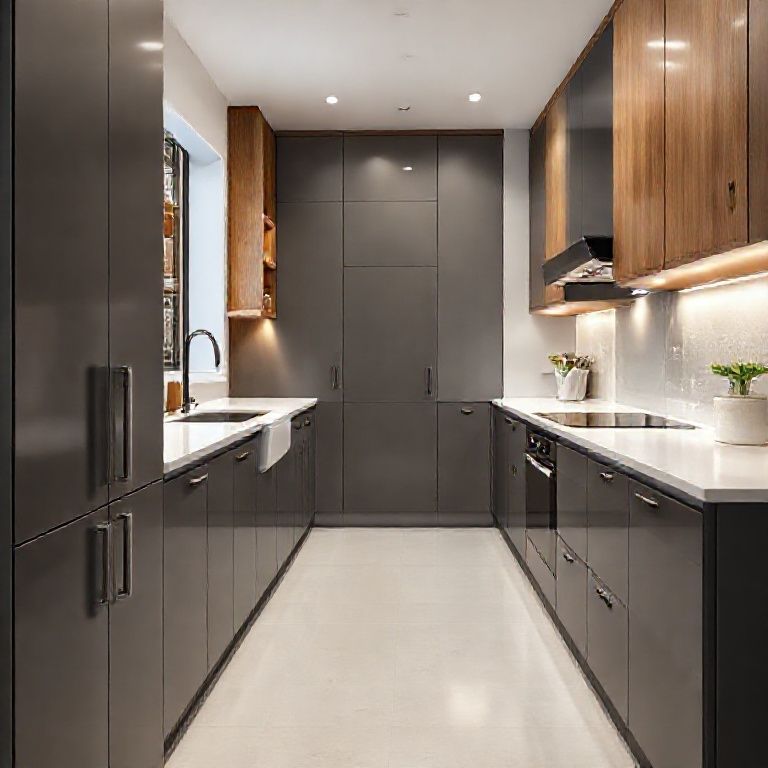
One popular approach is to place the “wet” zone (sink and dishwasher) on one side and the “dry” zone (stove and oven) on the opposite side, with the refrigerator strategically placed at one end. This creates distinct areas for different tasks, preventing you from feeling like you’re constantly crossing paths with yourself. Alternatively, you might opt for a more integrated approach, placing the sink and stovetop on the same wall, with the refrigerator and pantry storage on the opposing wall. The choice often depends on the existing plumbing, the placement of windows, and your personal cooking habits.
When designing your galley, consider the depth of your base cabinets. Standard depths of around 60cm are typical, but in a narrow kitchen, you might explore shallower options for certain sections to maximize walkway space. However, be mindful of compromising too much on storage. A balance is key. Think about incorporating pull-out pantries or narrow, deep drawers for efficient use of space.
The “walkway” itself is paramount. Aim for a minimum of 1.2 meters between the two runs of cabinetry to allow for comfortable movement, even with two people in the kitchen. If your 2.1 meters are precisely allocated, this means your base cabinets will likely be around 45-50cm deep, leaving a generous 1.1-1.2 meter walkway. This is ample space for bustling activity.
Now, let’s talk about the visual elongation of your space. Color is your most powerful ally here. Light and bright is the mantra. Opt for pale, cool tones on your cabinetry, walls, and even your countertops. Whites, creams, soft grays, and muted blues or greens can work wonders in making the space feel larger and more airy. Consider a high-gloss finish for your cabinets; the reflective surface will bounce light around the room, creating an illusion of greater depth.
Lighting is another non-negotiable. A well-lit kitchen feels more expansive and inviting. Beyond ambient lighting from ceiling fixtures, think about task lighting. Under-cabinet LED strips are a game-changer, illuminating your work surfaces without creating shadows. Pendant lights over an island or peninsula (if your layout permits) can add both style and focused light. Natural light, of course, is gold. Maximize it by keeping window treatments minimal and choosing light-colored blinds or sheer curtains.
When it comes to cabinetry, consider sleek, handle-less designs. Integrated handles or push-to-open mechanisms create a seamless, uncluttered look that enhances the sense of space. Vertical lines can also draw the eye upwards, making the ceiling appear higher. Think about tall pantry cabinets that reach towards the ceiling, or even a strategically placed vertical accent on one of your walls.
The choice of materials can also play a significant role. For countertops, opt for lighter-colored materials like quartz, marble, or even a well-sealed solid surface. These materials are not only durable and easy to clean but also contribute to the bright, open feel of the kitchen. Avoid heavy, dark patterns that can make the space feel smaller.
Think about the floor as well. A continuous flooring material that extends into adjacent living areas can help blur the boundaries and make the kitchen feel more integrated and less like a separate, confined box. Light-colored tiles or wood-look vinyl flooring can be excellent choices.
Storage, the eternal quest in any kitchen, becomes a finely tuned art form in a narrow space. Every inch counts. Instead of relying solely on deep cabinets that can hide clutter, embrace clever solutions. Deep drawers are your best friend for base cabinets, allowing you to see and access everything easily. Utilize wall space judiciously. Open shelving can be both practical and decorative, showcasing your favorite ceramics or glassware, but be mindful of over-cluttering. Floating shelves offer a minimalist aesthetic.
Consider incorporating pull-out solutions within your cabinets – spice racks, trash and recycling bins, or even narrow pull-out pantries that maximize vertical storage. Think about the “zones” in your kitchen. Dedicate specific storage to each zone: a baking zone, a cooking zone, a cleaning zone. This organization will not only make cooking more efficient but also make putting things away a breeze.
And what about appliances? In a 2.1-meter kitchen, scale is important. Opt for slimmer refrigerators, dishwashers, and even ovens where possible. Many manufacturers now offer compact or slimline versions of popular appliances designed specifically for smaller spaces. A built-in microwave, for instance, can save valuable counter space. If you enjoy entertaining, consider a smaller-capacity dishwasher that still offers all the functionality of a larger one.
The illusion of width can also be achieved through strategic placement of mirrors. A well-placed mirror can double the perceived space, reflecting light and views, and making the kitchen feel significantly larger. Consider a mirrored backsplash or a decorative mirror on a wall that catches the light.
Finally, don’t underestimate the power of a well-designed backsplash. A lighter-colored, reflective backsplash can open up the space. Subway tiles laid in a traditional brick pattern can add visual interest without overwhelming the senses. A sleek, frameless glass backsplash offers a modern, seamless look.
The 2.1-meter kitchen is not a constraint; it’s a canvas for your ingenuity. It’s about creating a space that is not only a joy to cook in but also a delightful place to gather, to share, and to simply be. It’s a testament to the idea that good design isn’t about size, but about smart choices, thoughtful execution, and a touch of personal flair.
Continuing our exploration of the 2.1-meter kitchen, we’ve established the foundational principles of layout, color, lighting, and smart storage. Now, let’s delve deeper into the nuances that transform a functional narrow kitchen into a truly inspiring space. We’re moving beyond mere utility and into the realm of aesthetic excellence, where every detail contributes to a cohesive and captivating design.
When it comes to selecting your cabinetry finishes, think beyond just color. The texture and material can have a profound impact. A matte finish can offer a sophisticated, modern feel, while a satin finish provides a gentle sheen without the high reflectivity of gloss. For a touch of warmth and natural beauty, consider wood veneers. Light-colored woods like birch, maple, or ash can bring an organic element to the space, keeping it feeling airy and welcoming. If you’re drawn to darker tones, use them strategically. Perhaps a darker accent on the upper cabinets or a single feature wall, balanced by lighter tones everywhere else.
The hardware on your cabinets is another area where you can inject personality. As mentioned, handle-less options offer a minimalist aesthetic. However, if you prefer hardware, choose something sleek and understated. Slim bar handles or simple knobs in finishes like brushed nickel, matte black, or brass can add a touch of elegance without visually cluttering the space. Consider extending the hardware theme to other elements, like drawer pulls for your appliances or even the handles on your oven.
The kitchen island, often a coveted feature, might seem like a distant dream in a 2.1-meter wide space. However, a narrow galley kitchen can often accommodate a streamlined peninsula or a compact, mobile island. A peninsula, attached to one of the walls, can serve as an extension of your countertop, a breakfast bar, or even house a small sink or cooktop. It effectively creates an L-shape, which can feel more dynamic and less confining than a straight galley.
If a peninsula isn’t feasible, a compact, mobile island can be a lifesaver. These can be moved out of the way when not in use, or brought to where you need them most. Look for islands with built-in storage, wheels for easy maneuverability, and perhaps even a butcher block top for added workspace. Even a narrow, wheeled cart can serve as a versatile prep station and storage unit.
Think about the flow of movement. In a galley kitchen, it’s crucial to ensure there are no obstructions. Avoid placing heavy furniture or large decorative items in the main walkway. If you have an open-plan living space, consider how the kitchen visually connects. A well-designed backsplash can act as a visual anchor, drawing the eye and adding a layer of interest. Consider a patterned tile for a subtle decorative touch, or a bold color if you’re feeling adventurous. Just ensure it complements the overall color palette.
The sink is a focal point in any kitchen, and in a narrow space, its design can contribute to the overall aesthetic. A single-bowl undermount sink can create a seamless look, maximizing counter space and making cleaning easier. If you have the option, a deep sink can be incredibly practical for washing larger pots and pans. Consider a sink material that complements your countertops, such as stainless steel, composite granite, or even ceramic.
When it comes to the faucet, choose a style that is both functional and aesthetically pleasing. A pull-down faucet is a practical choice for a busy kitchen, offering flexibility for rinsing and cleaning. A minimalist, gooseneck faucet can add a touch of elegance and height. Consider the finish to match your cabinet hardware for a cohesive look.
Appliances, as we touched upon, should be selected with scale in mind. However, don’t shy away from appliances that offer significant functionality. A powerful, compact range hood is essential for maintaining air quality and preventing grease buildup. Look for one that is integrated into your cabinetry for a seamless look. If you love to bake, a smaller, built-in oven that offers precise temperature control is a worthy investment.
The concept of “visual weight” is important in narrow spaces. Avoid heavy, bulky items that can make the kitchen feel smaller. Instead, opt for streamlined designs and lighter materials. For example, instead of a chunky dining table, consider a slim, wall-mounted table that can be folded down when not in use, or a set of compact, stackable stools that can be tucked away.
Floating shelves are a fantastic way to add storage and display space without overwhelming the walls. They create an open, airy feel and can be used to showcase decorative items, cookbooks, or even everyday essentials. When styling your open shelves, aim for a curated look. Avoid clutter, and group items by color or function.
For backsplashes, consider materials that are easy to clean and maintain. Ceramic tiles, glass panels, or even stainless steel can be excellent choices. A mirrored backsplash can create a dramatic illusion of depth, making the kitchen feel significantly larger. If you opt for mirrors, consider a frosted or antique finish for a softer, more sophisticated look.
Think about the small details that make a big difference. The type of lighting fixtures, the style of your cabinet pulls, the material of your faucet – these elements all contribute to the overall character of your kitchen. Don’t be afraid to experiment with different textures and finishes to create a space that is uniquely yours.
If you have a window, treat it as a feature. Keep window treatments simple and light. A roller blind or a roman shade in a neutral color can provide privacy without blocking out precious natural light. If you have a view, consider enhancing it by keeping the window area as unobstructed as possible.
Consider incorporating elements of biophilic design – bringing the outdoors in. A small herb garden on your windowsill or a few strategically placed plants can add a touch of life and color to your kitchen, making it feel more welcoming and vibrant.
The 2.1-meter kitchen is a masterclass in maximizing potential. It’s about understanding that true beauty and functionality lie not in the square footage, but in the intelligent application of design principles. By embracing the challenges of a narrow space and transforming them into opportunities for creativity, you can craft a kitchen that is not only a joy to cook and dine in but also a true reflection of your personal style and a testament to your innovative spirit. It’s a space that proves that even the most compact of footprints can house the grandest of culinary dreams.









