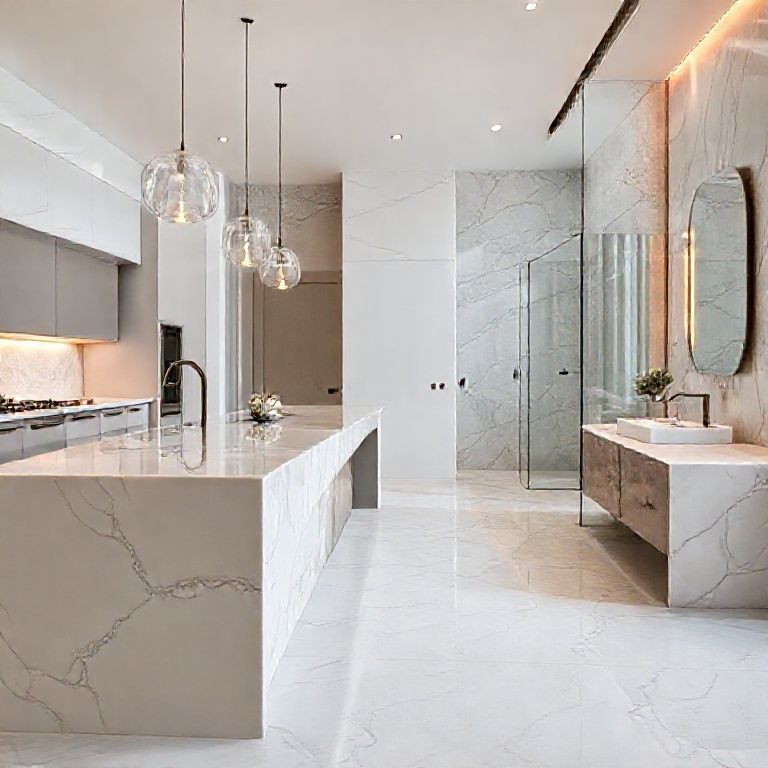
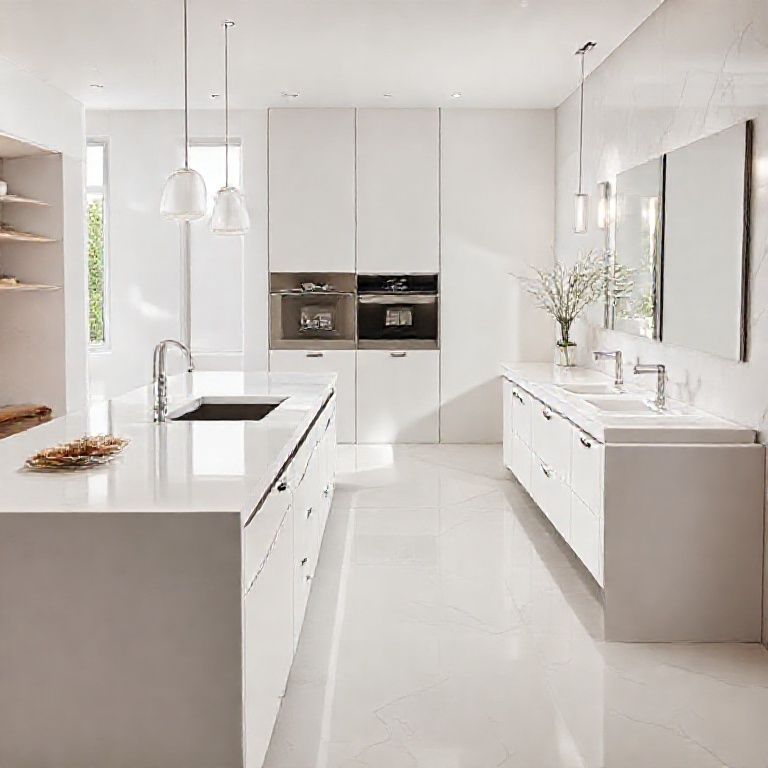
Discover the fascinating world of artificial stone countertops and explore why they might change color over time. This comprehensive guide breaks down the factors influencing color transformation in artificial stone, offering valuable insights for homeowners and designers alike. We’ll delve into the science behind the color changes, maintenance tips, and how to choose the best materials for your kitchen or bathroom.
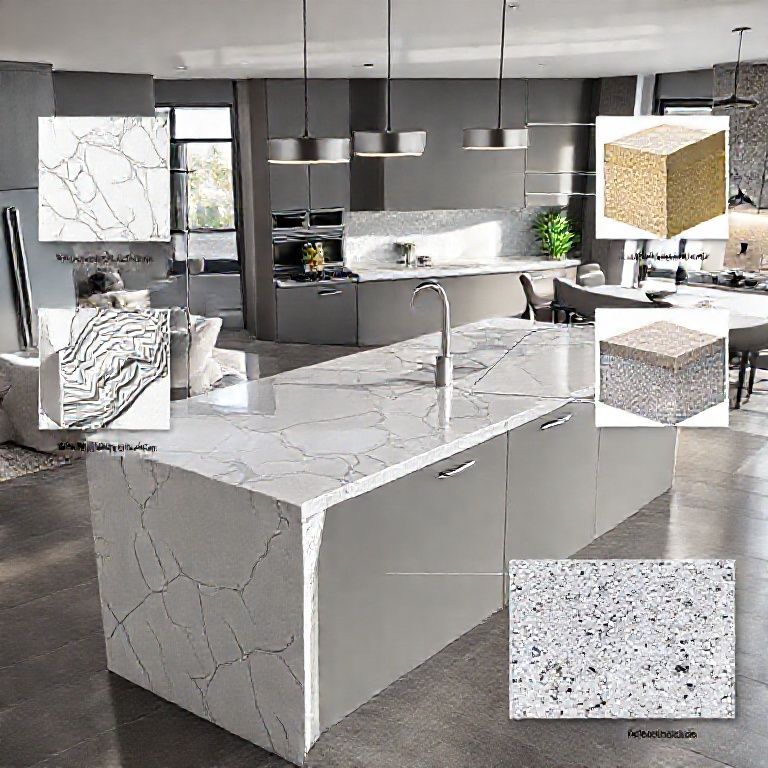
artificial stone countertops, color change, stone surface maintenance, countertop material, kitchen design, bathroom design, durable countertops, stone countertop benefits, countertop longevity, color stability
Part 1
The Color Transformation of Artificial Stone Countertops: Understanding Why and How
Artificial stone countertops have become a popular choice for modern kitchens and bathrooms due to their stunning aesthetics, durability, and low maintenance. However, one question that often arises among users and designers alike is: “Will artificial stone countertops change color over time, and if so, why does it happen?” In this comprehensive guide, we will delve into the science behind the color transformation of artificial stone, explore the factors that influence this phenomenon, and provide practical tips to maintain the pristine look of your stone countertops.
The Science Behind Color Change
Artificial stone, also known as quartz, is a composite material made from natural quartz sand, a binder, and colorants. The primary binder used in artificial stone is a polymer resin, which gives the material its strength and durability. The colorants are responsible for the wide array of colors available, ranging from natural stone hues to vibrant and unique shades.
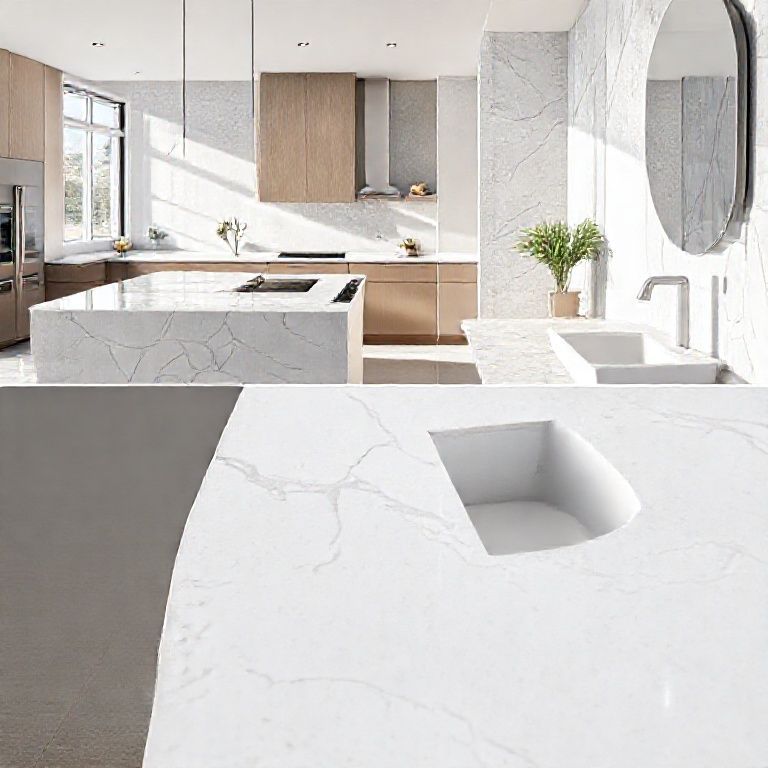
The color transformation in artificial stone countertops often occurs due to several factors:
Chemical Reactions: Over time, exposure to certain chemicals can cause the colorants within the artificial stone to break down or alter. This can result in a noticeable change in color, particularly if the stone has been exposed to acidic or alkaline substances, such as those found in cleaning products or food.
Heat Exposure: Artificial stone is designed to withstand high temperatures, but prolonged exposure to extreme heat can cause the colorants to break down. This is particularly relevant in kitchen settings where countertops are frequently exposed to hot pots, pans, or direct sunlight.
UV Radiation: Ultraviolet (UV) rays from the sun can cause the colorants in artificial stone to fade or change over time. This is why outdoor artificial stone installations may show more pronounced color changes compared to indoor installations.
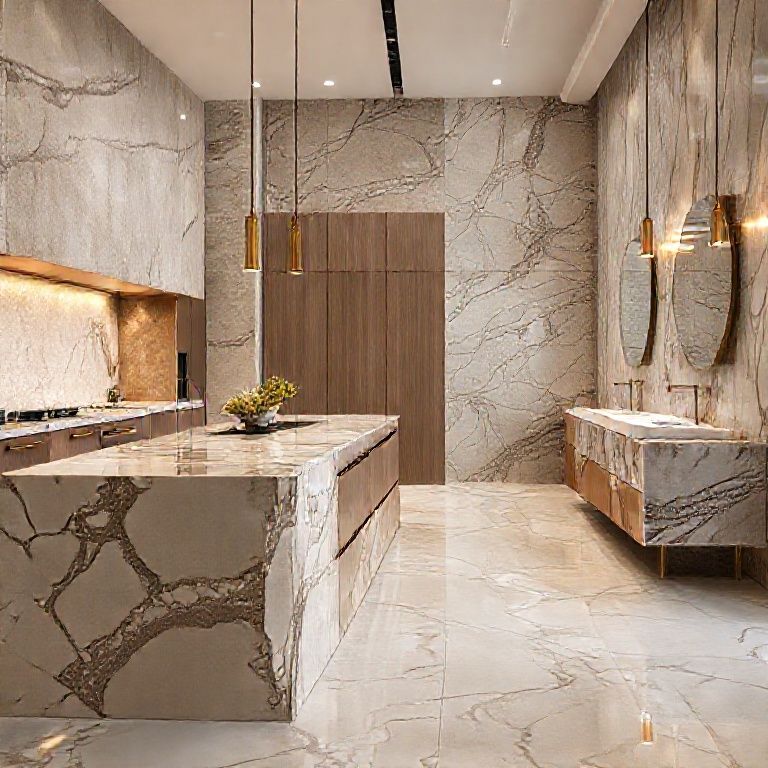
Abrasion and Wear: Physical wear and tear can also lead to color changes. Scratches and chips can expose the binder layer, which may have a different color than the surface layer, leading to a mottled appearance.
Factors Influencing Color Change
Several factors can influence the extent and rate of color change in artificial stone countertops:
Quality of Material: Higher-quality artificial stone with a more stable binder and robust colorants is less likely to undergo significant color changes over time.
Manufacturing Process: The manufacturing process plays a crucial role in the stability of artificial stone. Stones that undergo rigorous quality control and have a uniform distribution of colorants are less prone to color transformation.
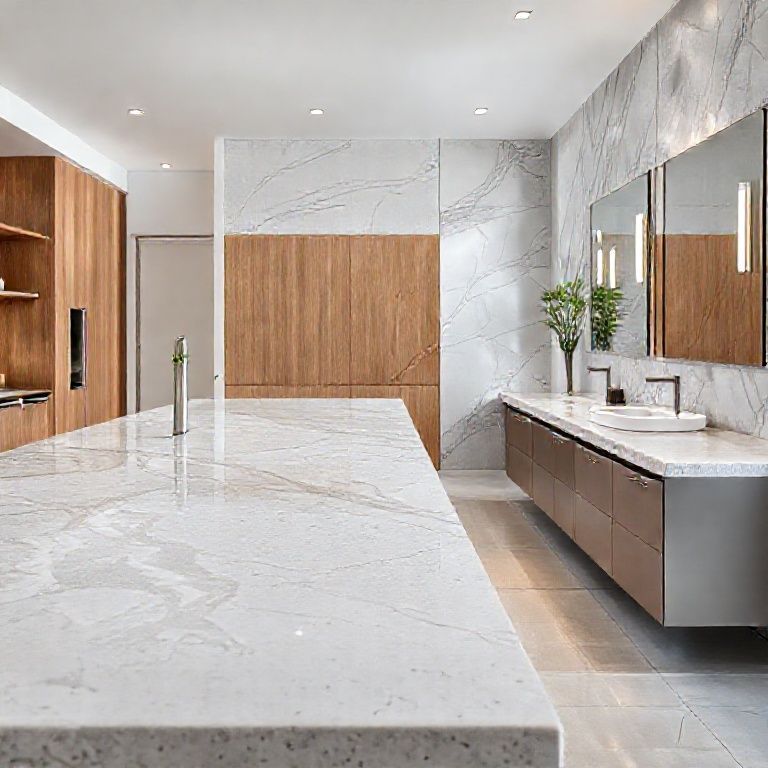
Maintenance Practices: Proper maintenance can significantly mitigate the risk of color change. Regular cleaning with mild, pH-neutral cleaners and avoiding the use of abrasive pads can help preserve the stone’s appearance.
Environmental Exposure: The level of exposure to chemicals, heat, and UV radiation can vary depending on the countertop’s location. Kitchens with high traffic and frequent use of cleaning agents are more susceptible to color changes compared to bathrooms with lower chemical exposure.
Practical Tips for Maintaining Artificial Stone Countertops
To ensure that your artificial stone countertops retain their vibrant color and aesthetic appeal, consider the following maintenance tips:
Use pH-Neutral Cleaners: Opt for mild, pH-neutral cleaning products specifically designed for stone surfaces. Avoid harsh chemicals that can degrade the colorants.
Avoid Abrasive Cleaners: Use non-abrasive cleaning tools and cloths to prevent scratches and chips that can expose the binder layer and lead to color changes.
Heat Protection: When placing hot pots or pans on the countertop, use trivets or heat-resistant pads to prevent localized heating that can cause color breakdown.
UV Protection: If your artificial stone countertop is exposed to direct sunlight, consider using UV-protective coatings or placing it in a shaded area to minimize UV exposure.
Regular Inspections: Regularly inspect your countertops for any signs of wear, chips, or color changes. Promptly addressing any issues can prevent further damage and maintain the stone’s appearance.
Professional Maintenance: For high-traffic areas or installations where color stability is crucial, consider periodic professional maintenance to clean and inspect the countertops.
By understanding the factors that contribute to color transformation in artificial stone countertops and implementing effective maintenance practices, you can ensure that your stone surfaces remain beautiful and durable for years to come.
Part 2
The Color Transformation of Artificial Stone Countertops: Understanding Why and How
Continuing our exploration into the fascinating world of artificial stone countertops, we delve deeper into the reasons behind color change and how to select the best materials for your home. This part will focus on the long-term durability and color stability of artificial stone, as well as provide guidance on choosing the right type of artificial stone for your specific needs.
Long-Term Durability and Color Stability
Artificial stone is renowned for its durability, but understanding its long-term behavior is crucial for maintaining its appearance. Here’s a closer look at how to ensure your artificial stone countertops remain vibrant and resistant to color change over time:
Material Composition: The composition of the artificial stone plays a significant role in its durability and color stability. Stones with a higher percentage of natural quartz and advanced polymer binders are more resistant to chemical reactions, heat, and UV radiation.
Grade and Quality: Higher-grade artificial stone, such as those rated for professional-grade installations, typically have better color stability. Look for stones that undergo rigorous quality testing to ensure they meet durability standards.
Manufacturing Techniques: Advanced manufacturing techniques, such as high-pressure and high-temperature processing, contribute to the overall strength and color stability of the stone. Stones produced using these methods are less likely to change color over time.
Colorants and Binders: The type and quality of colorants and binders used in the stone can impact its color stability. High-quality, synthetic colorants and binders are more resistant to fading and degradation.
Surface Treatment: Some artificial stone manufacturers offer additional surface treatments that enhance the stone’s resistance to scratches, stains, and color change. These treatments can provide an extra layer of protection and prolong the lifespan of the countertop.
Choosing the Right Type of Artificial Stone
Selecting the appropriate type of artificial stone for your kitchen or bathroom involves considering several factors to ensure both aesthetic appeal and long-term durability. Here’s a guide to help you make an informed choice:
Purpose and Usage: Determine how the countertop will be used. Kitchen countertops require a material that can withstand high heat and frequent cleaning, while bathroom countertops may have lower chemical exposure but need to resist moisture and humidity.
Design Preferences: Consider the design and color scheme of your space. Artificial stone comes in a wide range of colors and patterns, allowing for a high degree of customization to match your decor.
Budget: Artificial stone can vary significantly in price depending on the quality and type. Balance your budget with the need for durability and color stability by choosing a material that offers the best value for your intended use.
Maintenance Requirements: Understand the maintenance requirements of different types of artificial stone. Some stones may require more frequent cleaning or specific types of cleaners to maintain their appearance.
Supplier Reputation: Choose a reputable supplier with a track record of providing high-quality artificial stone and excellent customer service. A reliable supplier can offer warranties and support for your installation.
Customizing Your Artificial Stone Countertops
Artificial stone offers unparalleled versatility in design, allowing homeowners and designers to create custom countertops that meet specific aesthetic and functional requirements. Here are some ways to customize your artificial stone countertops:
Custom Colors and Patterns: Most artificial stone manufacturers offer the ability to create custom colors and patterns. You can choose from a vast palette of colors or design unique patterns that reflect your personal style.
Edge Profiles: Artificial stone countertops can be finished with various edge profiles, including beveled, straight, or rounded edges. The choice of edge profile can enhance the visual appeal and functionality of the countertop.
Integrated Features: Incorporate features such as integrated sink bases, backsplashes, or decorative elements into your artificial stone countertops. These elements can add both aesthetic value and practical functionality to your space.
Durable Finishes: Select a durable finish that suits your design and usage needs. High-gloss finishes offer a sleek, modern look but may require more frequent maintenance. Matte finishes are more low-maintenance but can show scratches and chips more prominently.
Installation Options: Consider different installation options, such as floating countertops or those secured with adhesives or brackets. The choice of installation method can impact the ease of maintenance and overall stability of the countertop.
Conclusion
定期更新: 数据更新:确保你的数据库和知识库定期更新,以包含最新的信息和技术进展。 软件升级:定期检查和升级你的软件,以获得新的功能和改进的性能。 用户反馈: 收集反馈:鼓励用户提供反馈,以了解它们的需求和使用体验。 分析反馈:分析收集到的反馈,找出常见问题或改进点,并据此优化系统。
性能监控: 实时监控:使用监控工具实时监控系统的性能,及时发现和解决潜在问题。 日志分析:分析系统日志,找出异常行为或错误,并进行修复。 安全措施: 数据保护:采用加密技术保护用户数据,防止数据泄露和未经授权的访问。 漏洞修复:定期进行安全扫描,修复发现的漏洞。
扩展功能: 新功能开发:根据用户需求,开发新功能或改进现有功能,以提升系统的价值。 第三方集成:与其他应用或服务进行集成,提供更多的互操作性和功能。 用户培训: 使用指南:提供详细的使用指南和教程,帮助用户更好地理解和使用系统。 培训课程:如果可能,提供在线培训课程或支持,让用户能更深入地掌握系统功能。
多语言支持: 语言扩展:考虑为系统添加多语言支持,以满足不同语言用户的需求。 本地化:确保系统的界面和功能能够适应不同文化和地区的用户习惯。 技术支持: 客户支持:建立一个有效的客户支持系统,及时回应用户的问题和反馈。 FAQ和文档:提供常见问题解答(FAQ)和详细的使用文档,帮助用户自助解决问题。
通过这些措施,你可以确保你的人工智能助手系统不仅能够满足现有用户的需求,还能不断适应和满足新的市场和用户需求。