The Comprehensive Analysis of the Pros and Cons of Artificial Stone Countertops
Introduction
In the realm of home improvement and interior design, the choice of countertop material is a critical decision. Among the plethora of options available, artificial stone countertops have gained significant popularity. Known for their durability, versatility, and aesthetic appeal, artificial stone countertops offer a compelling alternative to natural stone and traditional materials like granite and quartz. This first part of our detailed analysis will focus on the myriad advantages of artificial stone countertops, making it a comprehensive guide for those considering this modern material for their kitchen and bathroom spaces.
Durability and Strength
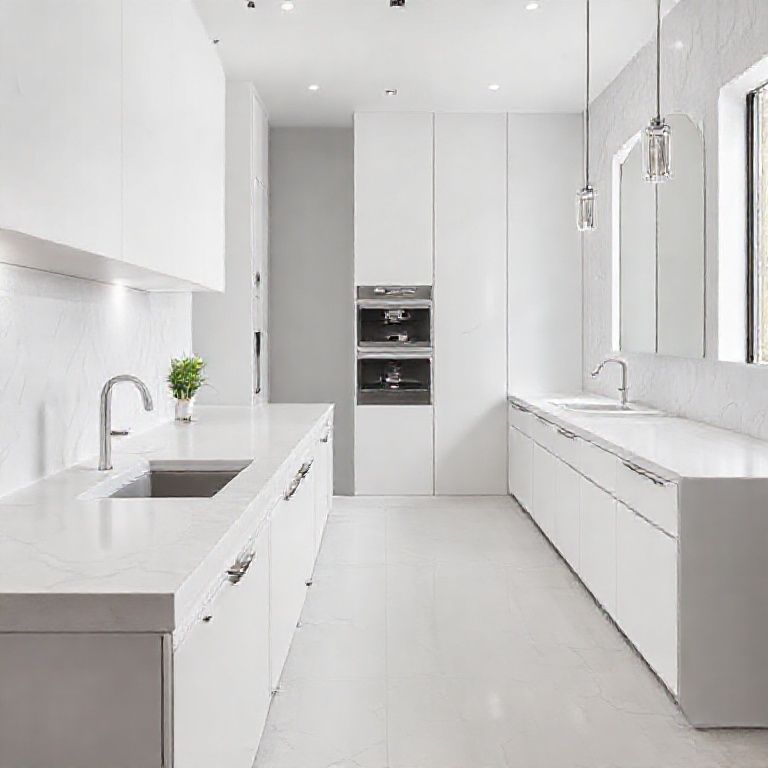
One of the standout features of artificial stone countertops is their exceptional durability. Crafted from a combination of natural stone dust and resin, these countertops exhibit remarkable strength and resistance to impact, scratches, and dents. Unlike traditional materials, artificial stone does not suffer from the natural flaws that can be found in granite or marble. This means fewer repairs and a longer lifespan for your countertop.
Heat Resistance
Artificial stone countertops are also highly resistant to heat. This is particularly beneficial in kitchen environments where hot pots and pans are commonplace. Unlike granite, which can flake or crack under high temperatures, artificial stone maintains its integrity and appearance. This resistance to heat not only enhances the longevity of the countertop but also ensures safety in the kitchen.
Water Resistance
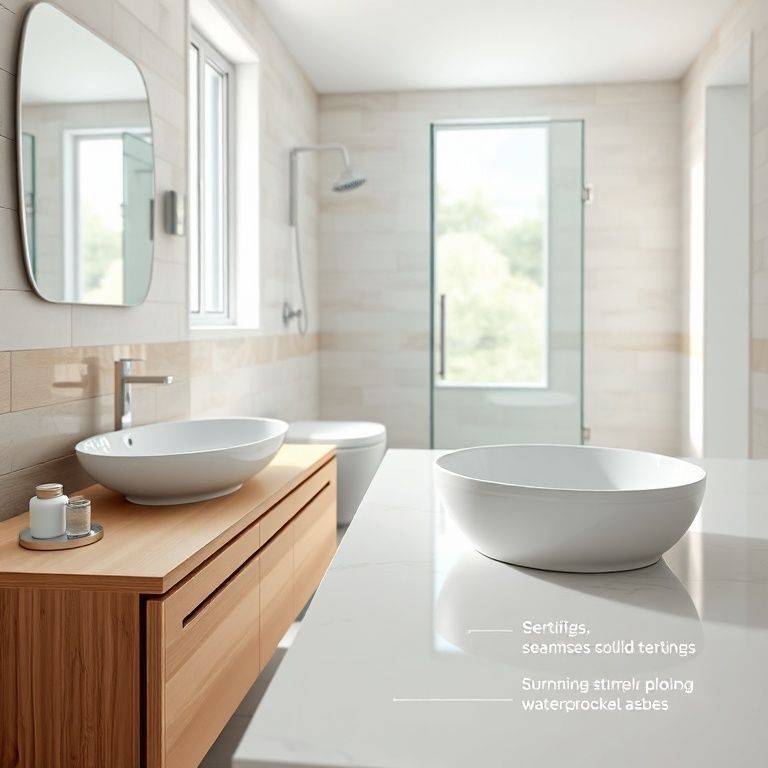
Another significant advantage is the water resistance of artificial stone countertops. These materials do not absorb water, which means they are less prone to staining and warping compared to wood or even certain types of laminate countertops. This characteristic makes artificial stone an excellent choice for high-moisture areas like kitchens and bathrooms, where spills are a frequent occurrence.
Aesthetic Appeal
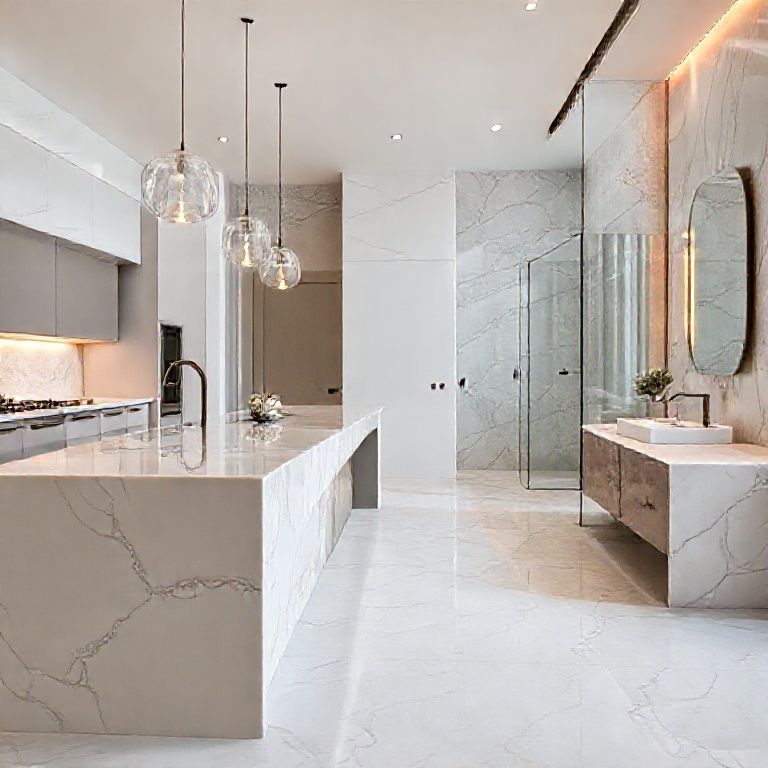
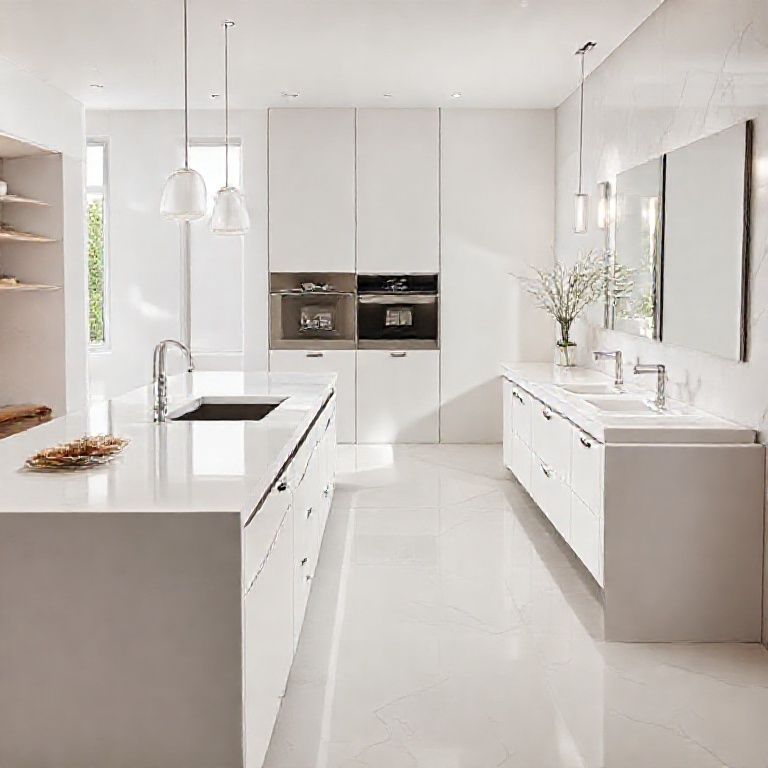
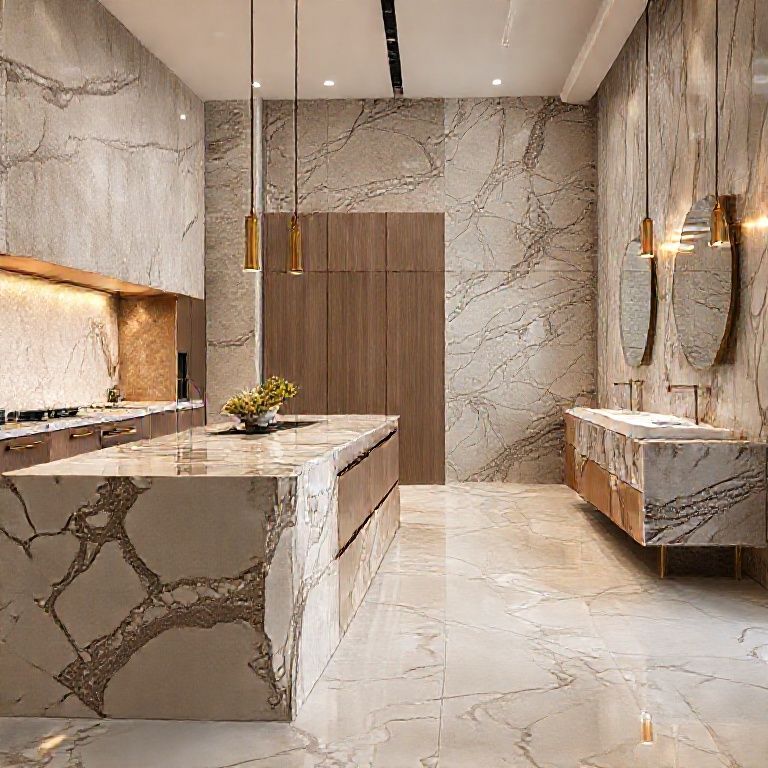
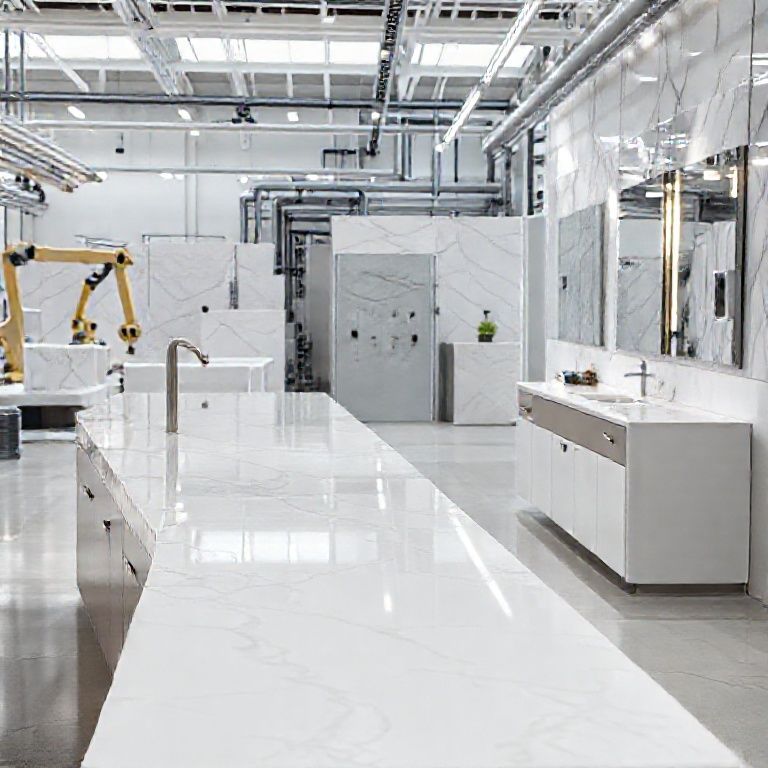
Artificial stone countertops offer a vast array of color options and finishes, allowing for a high degree of customization to match any design aesthetic. The manufacturers can mimic the look of natural stone, including marble, granite, and quartz, to an impressive degree. This flexibility in design means that homeowners can achieve a luxurious appearance without the high cost associated with natural stone.
Low Maintenance
Maintenance is another area where artificial stone excels. These countertops are easy to clean and require minimal upkeep. A simple wipe with a damp cloth and mild soap is often sufficient to keep the surface looking pristine. Unlike natural stone, which may need sealing periodically to maintain its protective qualities, artificial stone offers a low-maintenance option that saves time and effort.
Cost-Effectiveness
While the initial cost of artificial stone countertops might be higher than some alternatives, they offer significant long-term savings. The durability and low maintenance requirements mean fewer repairs and replacements over time. Additionally, the ability to choose from a wide range of designs and finishes often means that a higher-end look can be achieved without the price tag of premium natural stone materials.
Conclusion
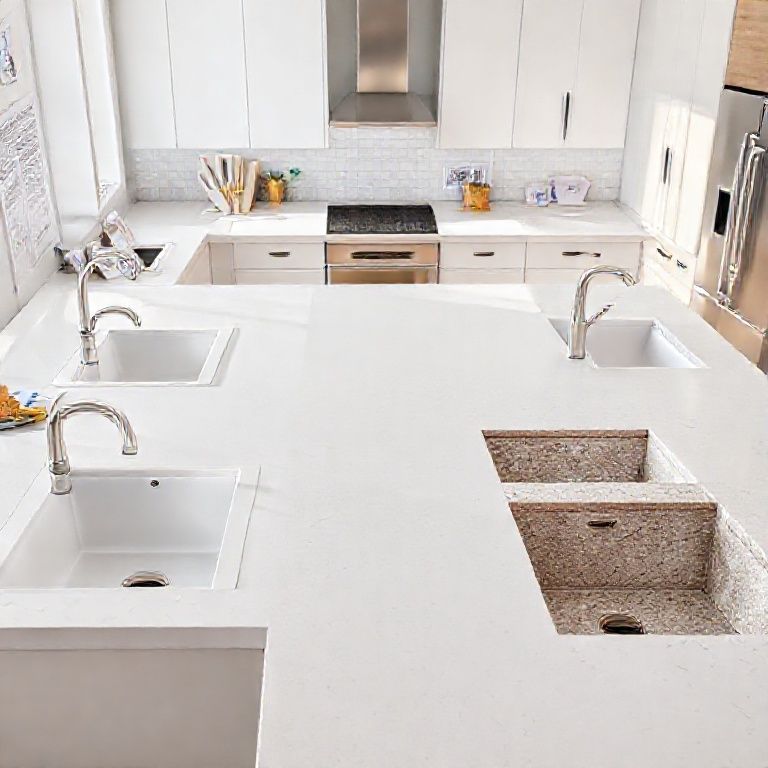
In conclusion, artificial stone countertops present numerous compelling advantages. Their durability, strength, heat and water resistance, aesthetic flexibility, low maintenance, and cost-effectiveness make them an attractive option for many homeowners and designers. In the next part of this analysis, we will explore the potential drawbacks and considerations associated with artificial stone countertops, providing a balanced perspective on this versatile material.
The Comprehensive Analysis of the Pros and Cons of Artificial Stone Countertops
Introduction
Continuing our detailed exploration of artificial stone countertops, this second part will focus on the potential drawbacks and considerations associated with this popular material. While the benefits of artificial stone countertops are numerous, it is important to weigh these against any possible downsides to make an informed decision. This comprehensive review will cover aspects such as cost, environmental impact, and performance limitations to provide a balanced view.
Cost Considerations
While artificial stone countertops are generally more cost-effective in the long run due to their durability and low maintenance, the initial investment can be significant. High-quality artificial stone may come with a higher upfront cost compared to some other countertop materials. However, it is essential to consider the full lifecycle cost, including potential repairs, replacements, and maintenance. Over time, the durability and low maintenance requirements of artificial stone can offset the initial cost, leading to substantial savings.
Environmental Impact
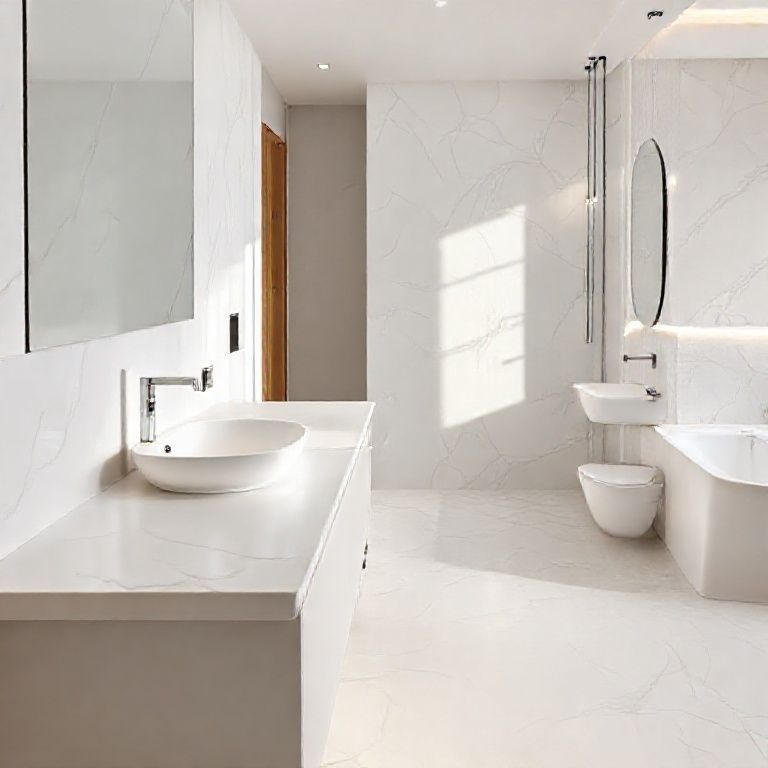
The environmental impact of artificial stone countertops is another critical aspect to consider. The production process involves the use of resin and natural stone dust, which raises questions about sustainability and environmental footprint. While the end product is durable and long-lasting, the extraction and processing of natural stone dust can have environmental implications. It is important to consider the source of the stone dust and the manufacturing practices of the producers. Some manufacturers have taken steps to address these concerns by using recycled materials and implementing eco-friendly production processes.
Performance Limitations
Despite their many advantages, artificial stone countertops do have some performance limitations. For instance, while they are highly resistant to heat, they can still be susceptible to extreme temperatures. Prolonged exposure to very high heat can cause discoloration or other aesthetic changes. Additionally, while artificial stone is resistant to water and stains, it is not entirely impervious. Spills and drops of harsh chemicals can still potentially damage the surface over time, although this is less common than with natural stone.
Aesthetic Constraints
While artificial stone countertops offer a wide range of designs and finishes, there are some aesthetic constraints to consider. While the manufacturers can achieve a very close resemblance to natural stone, there are subtle differences that can be noticeable upon close inspection. For instance, the texture and grain of artificial stone might not perfectly match that of natural stone, and some finishes may not have the same depth or character. It is important to set realistic expectations regarding the aesthetic outcomes.
Installation and Longevity
The installation process for artificial stone countertops can be more complex compared to some other materials. Due to their composite nature, they may require specialized installation techniques and tools. Additionally, while artificial stone is durable, it is not entirely indestructible. Over time, with heavy use, there is a possibility of wear and tear, although this is typically minimal compared to other materials.
Conclusion
In conclusion, while artificial stone countertops offer many compelling benefits, it is essential to consider their potential drawbacks and limitations. The cost, environmental impact, performance limitations, aesthetic constraints, and installation complexities are all factors that must be weighed when making a decision. By understanding both the advantages and disadvantages, homeowners and designers can make more informed choices that best suit their needs and preferences. Artificial stone countertops remain a strong contender in the market for modern, durable, and aesthetically pleasing kitchen and bathroom surfaces.
This detailed analysis aims to provide a balanced and comprehensive understanding of artificial stone countertops, equipping you with the information needed to make an informed decision based on your specific requirements and preferences.