The Comprehensive Guide to Artificial Stone Countertops: Pros and Cons
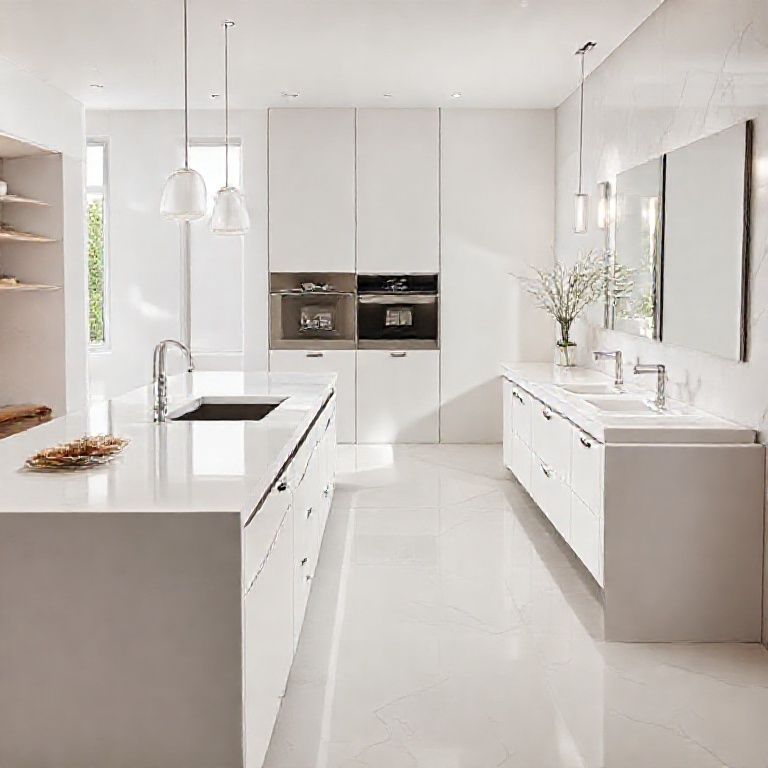
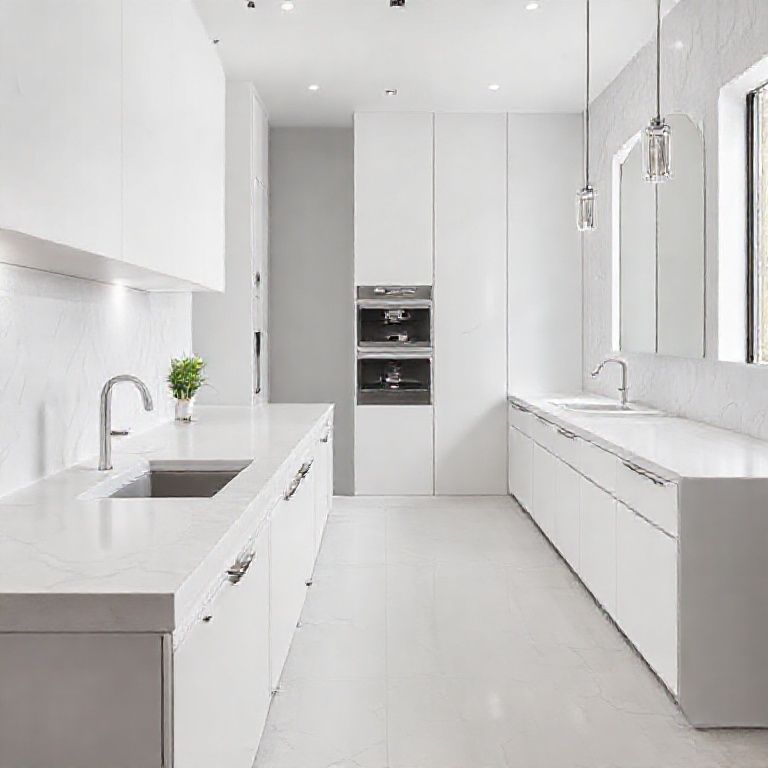
Artificial stone countertops have become increasingly popular in both commercial and residential settings due to their blend of aesthetics, durability, and versatility. This material, often referred to as quartz, offers a range of benefits that make it a compelling choice for many. However, like any material, it also has its drawbacks. This article delves into the intricate details of artificial stone countertops, exploring their advantages and disadvantages to help you make an informed decision.
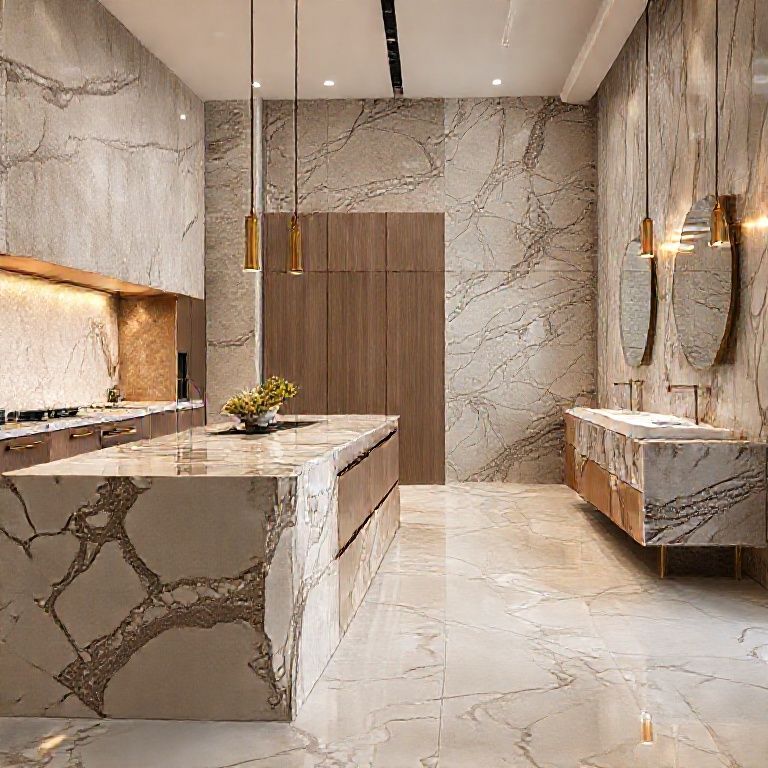
Advantages of Artificial Stone Countertops
1. Durability and Strength One of the most significant advantages of artificial stone countertops is their durability. Unlike traditional granite or marble, artificial stone is engineered to be incredibly tough. It is highly resistant to scratches, chips, and dents, making it a long-lasting option for both kitchen and bathroom countertops. This durability translates to a longer lifespan, reducing the need for frequent replacements or repairs.
2. Heat Resistance Artificial stone countertops are known for their excellent heat resistance. They can withstand high temperatures without melting or warping, which is particularly beneficial in kitchen environments where hot pots and pans are frequently placed on the countertop. This feature ensures that the surface remains flat and stable over time, maintaining a professional and polished look.
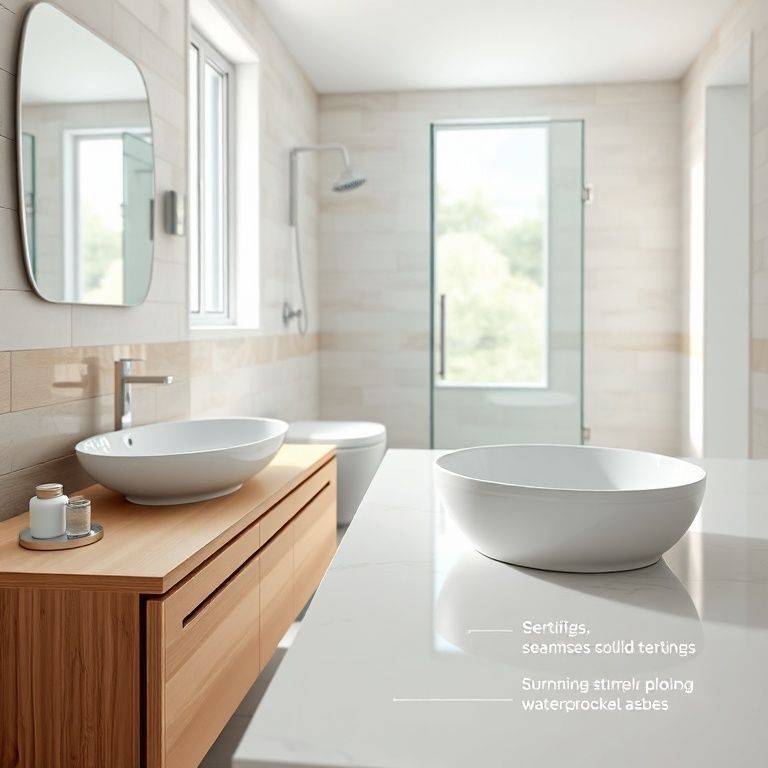
3. Water Resistance Water resistance is another key benefit of artificial stone. Unlike natural stone, which can absorb water and potentially lead to stains or discoloration, artificial stone is engineered to repel water. This makes it easier to clean and maintain, as spills and splashes do not penetrate the surface, reducing the risk of water spots and other forms of damage.
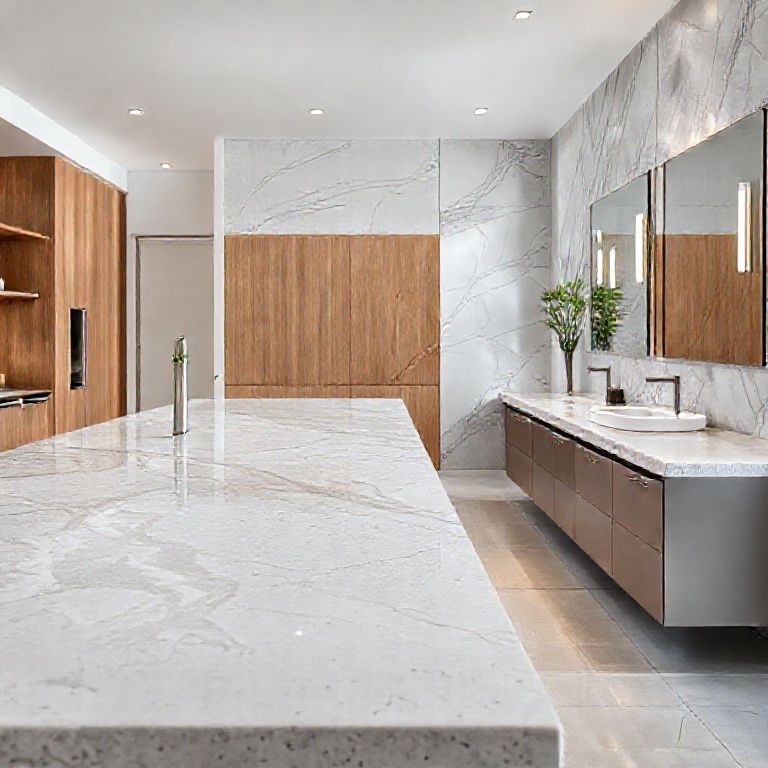
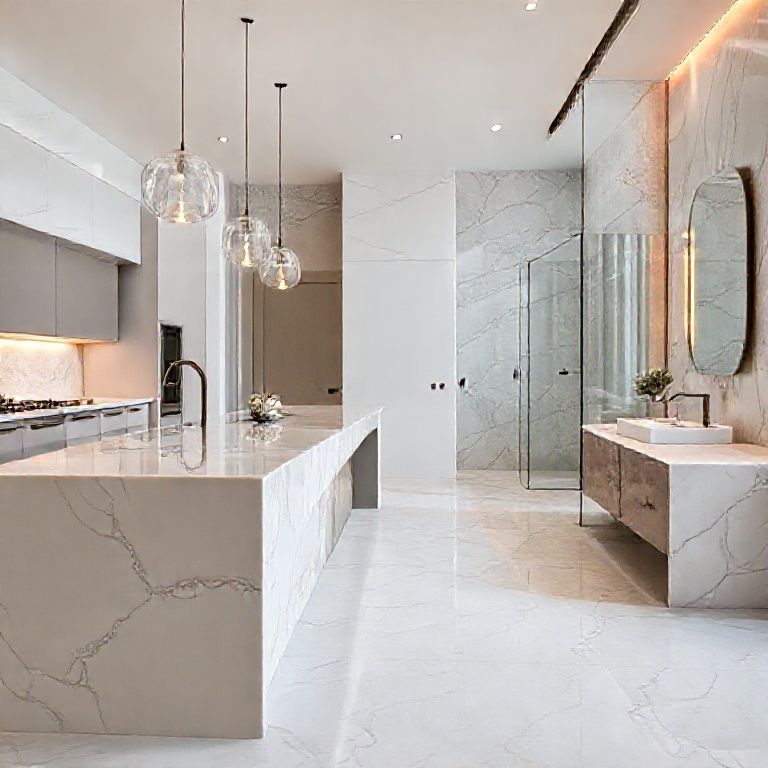
4. Design Flexibility One of the most exciting aspects of artificial stone is the design flexibility it offers. With a wide range of colors, patterns, and finishes available, you can create virtually any look you desire. Whether you prefer a classic marble look, a sleek modern design, or something entirely unique, artificial stone can be customized to meet your aesthetic needs. This flexibility makes it a versatile choice for both traditional and contemporary styles.
5. Cost-Effectiveness Artificial stone countertops are generally more affordable than natural stone options. The manufacturing process for artificial stone allows for mass production, which keeps costs down. This makes it an accessible option for homeowners who are looking to upgrade their kitchen or bathroom without breaking the bank. Additionally, the durability and low maintenance requirements contribute to long-term savings.
6. Low Maintenance The low maintenance requirements of artificial stone countertops are a significant advantage. Unlike natural stone, which often requires sealing and periodic maintenance to prevent stains and discoloration, artificial stone typically needs minimal upkeep. A simple wipe-down with a mild cleaner is usually sufficient to keep the surface looking pristine.
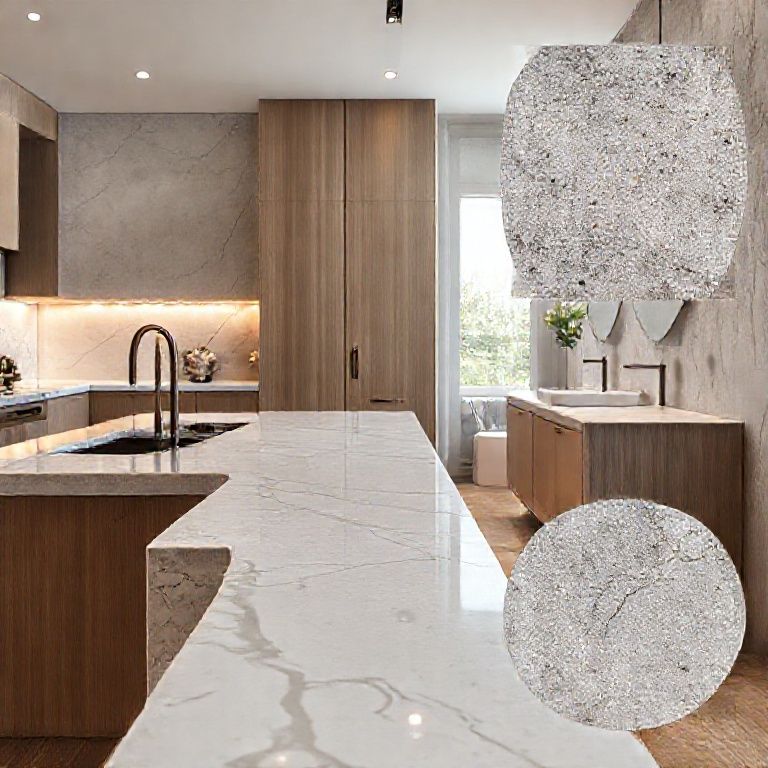
7. Easy Installation Installation of artificial stone countertops is relatively straightforward. The material can be cut to size using standard tools, and the process of installation is less labor-intensive than with natural stone. This ease of installation makes it a practical choice for DIY enthusiasts or those who prefer to work with professional installers who can complete the job efficiently.
Disadvantages of Artificial Stone Countertops
1. Lack of Natural Appeal While artificial stone offers incredible versatility and durability, it often lacks the natural beauty and character of natural stone. The polished, uniform look of artificial stone can feel less organic and more manufactured compared to the unique imperfections found in natural stone. This can be a drawback for those who prefer the natural aesthetic of materials like granite or marble.
2. Heat Scarring Although artificial stone is highly heat-resistant, it can still be scarred by extremely high temperatures. While it won’t melt like plastic, prolonged exposure to very hot objects can cause discoloration or create a heat scar on the surface. This is a minor issue but something to consider if you frequently use hot appliances on your countertop.
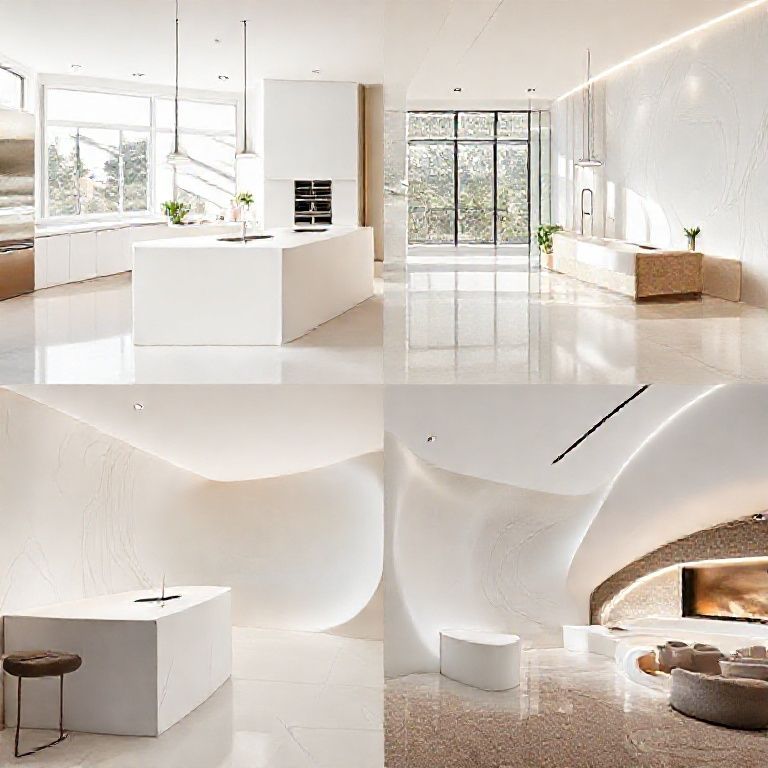
3. Installation Limitations While installation of artificial stone is relatively easy, it is not without limitations. The material is relatively brittle and can break if subjected to significant impact or pressure during installation. Additionally, because it is not as flexible as natural stone, it may not conform well to certain curved or complex designs, requiring more precise cutting and fitting.
4. Environmental Concerns The production process of artificial stone involves the use of various chemicals and materials, which can raise environmental concerns. Some people prefer natural stone because it is a more environmentally friendly option, as it does not require the same level of synthetic chemicals during manufacturing.
5. Potential for Discoloration While artificial stone is more resistant to water and stains than some other materials, it is not entirely immune. Over time, certain types of stains or discoloration can occur, although they are generally easier to clean than those on natural stone. This can be an issue for those who are particularly concerned about maintaining a pristine appearance.
6. Cost Variations While artificial stone is generally more affordable than natural stone, the cost can vary significantly depending on the specific type and quality of the material. High-end artificial stone can be quite expensive, approaching the cost of premium natural stone, which may limit its accessibility for some consumers.
7. Limited Availability of Customization While artificial stone offers a wide range of design options, it is still limited compared to the natural stone market. Some unique or highly specific design requests may not be feasible with artificial stone, particularly if they require extensive customization or unique textures.
In conclusion, artificial stone countertops offer numerous advantages such as durability, heat resistance, design flexibility, and cost-effectiveness. However, they also have some drawbacks, including a lack of natural appeal, potential heat scarring, installation limitations, environmental concerns, and limited availability for highly customized designs. When deciding whether artificial stone is the right choice for your kitchen or bathroom, it is important to weigh these pros and cons carefully based on your specific needs and preferences.
The Comprehensive Guide to Artificial Stone Countertops: Pros and Cons
Continuing our detailed exploration of artificial stone countertops, this second part delves deeper into the nuanced advantages and disadvantages of this popular material. Understanding both the positive and negative aspects will empower you to make a well-informed decision when considering this modern alternative for your home’s countertops.
Further Advantages of Artificial Stone Countertops
1. Allergen-Free and Non-Toxic Artificial stone countertops are crafted from a blend of minerals, resins, and other non-toxic materials. This makes them an excellent choice for those with allergies or sensitivities to certain chemicals or substances commonly found in natural stone or other materials. The absence of volatile organic compounds (VOCs) ensures a healthier environment, which is particularly beneficial for households with children or pets.
2. Consistent Quality The manufacturing process of artificial stone ensures a high level of consistency in quality. Each piece is produced under controlled conditions, which means that the color, texture, and finish will be uniform across all pieces. This consistency is a significant advantage over natural stone, where variations in color and pattern are inevitable. This uniformity can help in achieving a cohesive look throughout your kitchen or bathroom.
3. Eco-Friendly Options Many manufacturers of artificial stone are focusing on sustainability and eco-friendliness. By using recycled materials and minimizing waste during the manufacturing process, they are creating a more environmentally-friendly alternative to traditional stone. This can be an important consideration for environmentally-conscious consumers.
4. Customization with Advanced Technology Advancements in technology have significantly enhanced the customization options available with artificial stone. Modern manufacturing techniques allow for intricate designs and patterns that were once only possible with natural stone. This includes layering, veining, and even creating effects that mimic the natural look of stone with precision. The result is a high level of design flexibility that can cater to even the most specific tastes.
5. Ease of Repair Unlike natural stone, which can be challenging to repair once damaged, artificial stone is relatively easy to repair. Small scratches or chips can often be fixed by simply sanding and polishing the surface. In some cases, a patch repair can be done using matching stone dust and resin, restoring the countertop to its original condition. This ease of repair adds another layer of durability and practicality to the material.
6. Resistance to Bacteria and Mold Artificial stone countertops are inherently resistant to bacteria and mold growth. This is due to their non-porous nature, which makes it difficult for bacteria to adhere and grow on the surface. This characteristic makes artificial stone an excellent choice for high-traffic areas such as kitchens and bathrooms, where hygiene is a top priority.
7. Versatility in Applications Artificial stone’s versatility extends beyond countertops to include a wide range of applications such as sinks, vanities, tabletops, and even decorative elements like fireplaces and outdoor features. This versatility makes it a comprehensive solution for various design needs, providing a consistent look and feel across different areas of your home.
Further Disadvantages of Artificial Stone Countertops
1. 热敏感性 虽然人造石具有优异的耐热性,但在极端高温情况下,它仍然可能受到影响。如果长时间暴露在极高温度下,人造石的颜色可能会发生变化,或者在极端情况下,它可能会出现微小的裂纹。这对于那些经常使用高温炉具或烤箱的厨房可能是一个小问题。
2. 表面损伤 虽然人造石非常耐用,但它仍然对于尖锐物品或重物有一定的脆弱性。例如,锋利的刀具划过人造石台面可能会留下划痕,尽管这些划痕通常不像在天然石材上那样明显。重物的直接压力也可能导致微小的凹陷或损伤。
3. 价格波动 由于人造石的生产依赖于人工制造过程,其价格可能会受到原材料成本、生产技术和市场需求等因素的影响。虽然总体上人造石比天然石便宜,但价格在某些特定市场中可能会有波动。
4. 环保性问题 虽然许多人造石品牌声称其产品环保,但并非所有的人造石都是完全环保的。某些人造石可能含有有害化学物质,这在生产和使用过程中可能会释放到环境中。消费者应选择经过认证的环保产品,以确保其对健康和环境的影响最小化。
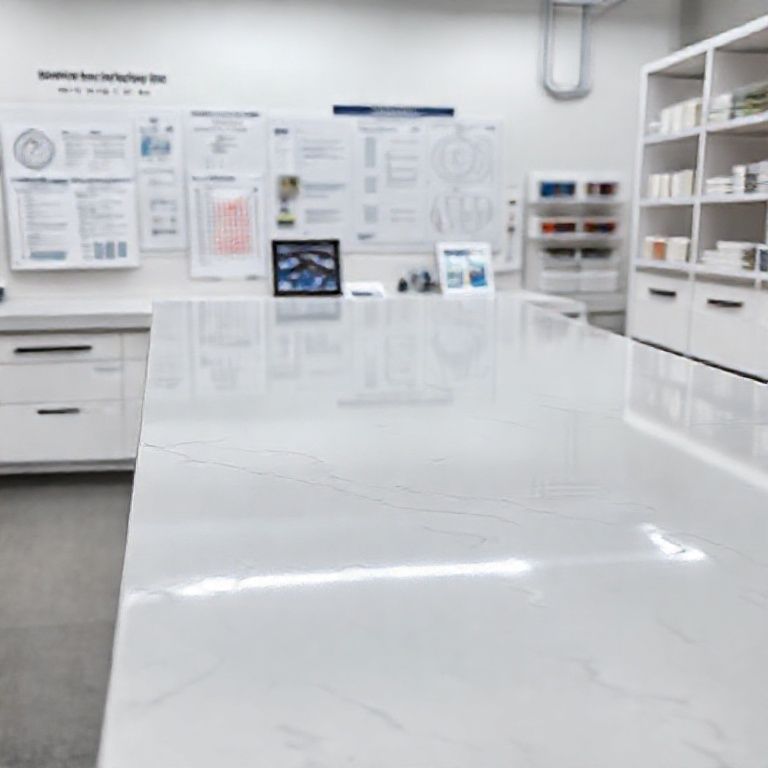
5. 耐化学性 人造石具有优异的耐化学性,但在某些极端化学环境下,它仍然可能受到影响。例如,浓盐酸、浓硫酸等强腐蚀性化学品可能会对人造石表面造成损害。因此,在实验室或其他特殊环境中使用人造石可能需要特别注意。
6. 安装复杂度 尽管人造石的安装相对简单,但在某些复杂设计或特殊几何形状的场合,安装可能会变得比较复杂。需要专业技能和设备来确保安装的精确性和美观性,特别是在需要高度定制化的设计时。
7. 耐磨性 虽然人造石的耐磨性较强,但在高频使用的环境中,长期的磨损可能会导致表面的细微损坏。这种情况通常在高流量区域,如厨房中的操作台面,可能会比较明显。
8. 热膨胀和热收缩 人造石在温度变化下的热膨胀和热收缩可能会导致其在极端温度变化下出现微小的变形。虽然这种变形通常不明显,但在某些极端情况下,可能会对整体设计和美观产生影响。
人造石台面具有许多显著的优点,如耐用性、设计灵活性、易于清洁等,使其成为许多家庭和商业空间的理想选择。它也有一些缺点,需要在选择时综合考虑。无论选择哪种材料,都应根据具体需求、预算和环境条件做出最适合的决策。