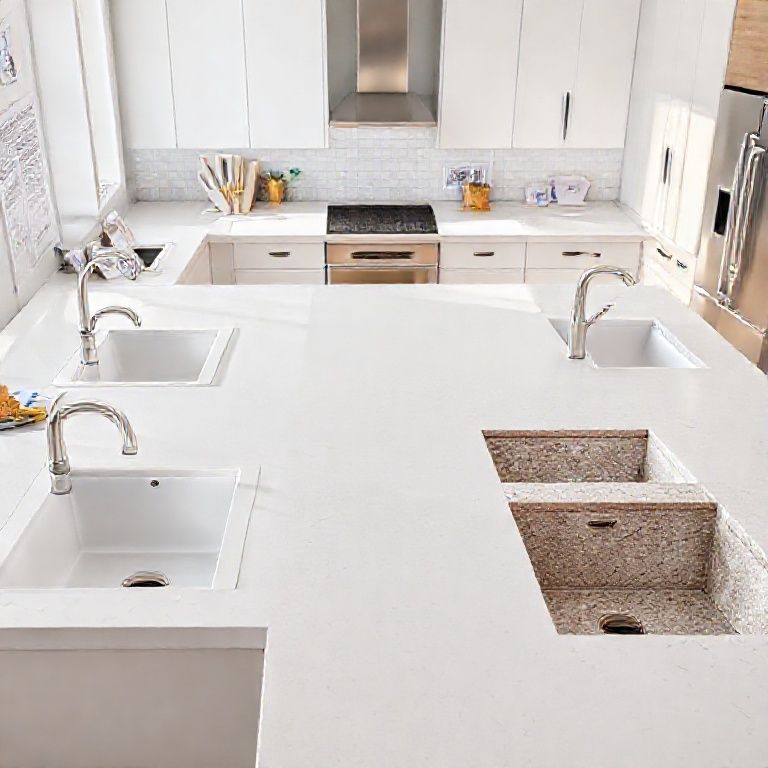
Discover the intriguing world of marble, where aesthetics meet practicality and cost-effectiveness. This article breaks down the price difference between engineered marble and natural marble, helping you make an informed decision for your next renovation project. Read on to learn more about the benefits, drawbacks, and ultimate cost-saving strategies in choosing between these two types of luxurious flooring.
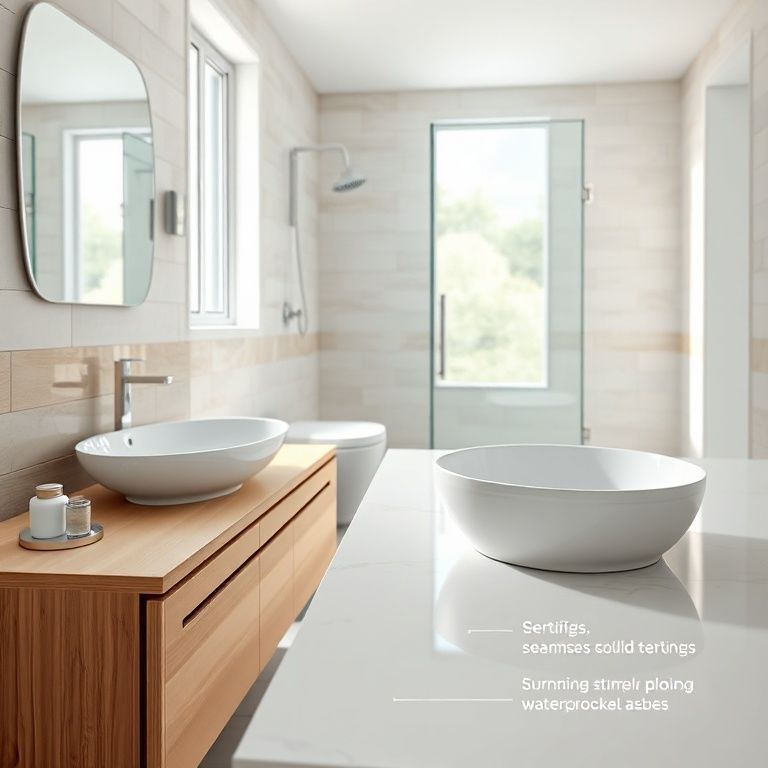
engineered marble, natural marble, marble prices, cost difference, marble flooring, renovation, luxury flooring, home improvement, durable marble, marble durability, marble quality
The Cost of Choice: A Deep Dive into the Price Difference Between Engineered Marble and Natural Marble
When it comes to selecting flooring for your home, the choices are abundant, but two of the most exquisite and enduring options are engineered marble and natural marble. Each type offers unique benefits and challenges, particularly when it comes to price. In this comprehensive exploration, we will delve into the factors that contribute to the significant price difference between these two luxurious materials.
Understanding Engineered Marble
Engineered marble is a type of composite material that combines a thin layer of real marble with a core made from other materials, typically resin. This method results in a product that mimics the appearance of natural marble while offering enhanced durability and flexibility. Engineered marble slabs are created in a factory setting, allowing for precise control over quality, appearance, and thickness.
Price Factors of Engineered Marble
Material Costs: The cost of engineered marble largely depends on the quality and thickness of the marble veneer. High-quality marble veneers are expensive, and thus, slabs with superior veneers will cost more. Manufacturing Process: The process of layering the marble veneer onto a resin core is relatively straightforward and economical. The controlled manufacturing process ensures uniformity, which often results in a more affordable product compared to natural marble. Durability and Maintenance: Engineered marble is known for its durability and resistance to scratches and stains, which often makes it a more cost-effective choice over time. While it may have a higher upfront cost, its longevity can save on future replacement costs.
Understanding Natural Marble
Natural marble, on the other hand, is a naturally occurring metamorphic rock formed through the pressure and heat transformation of limestone. Its appeal lies in its unique patterns, colors, and the sense of luxury it brings to any space. However, natural marble comes with its own set of challenges, primarily in terms of cost and maintenance.
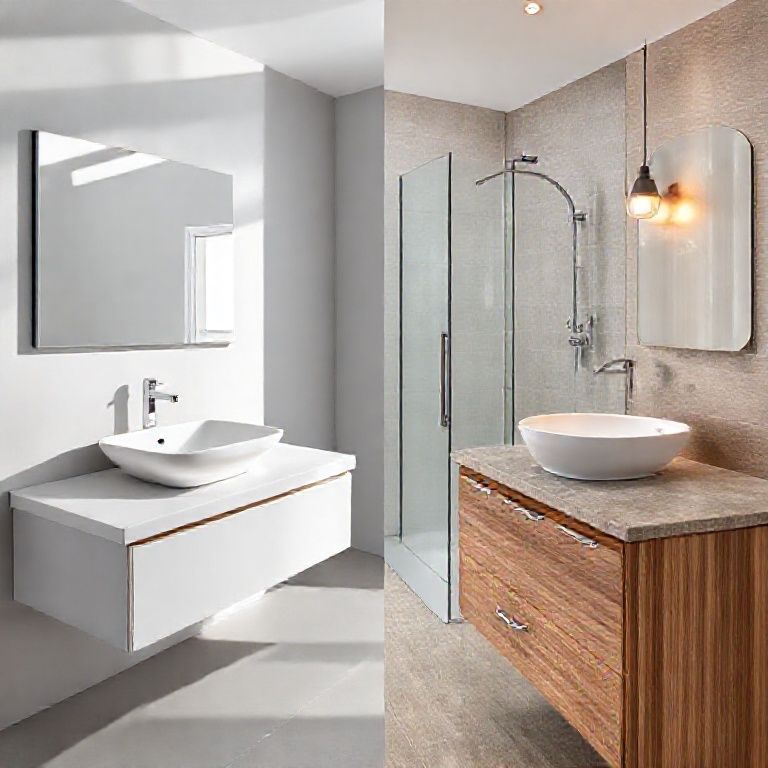
Price Factors of Natural Marble
Mining and Quarrying Costs: The extraction of natural marble involves significant labor and logistical costs. These costs are passed on to consumers, making natural marble a more expensive option. Variability and Uniqueness: Each piece of natural marble is unique, which means that slabs with more desirable patterns and colors can command higher prices. This variability makes it challenging to predict costs accurately. Maintenance: Natural marble is susceptible to staining and requires regular maintenance to preserve its beauty. The costs associated with professional cleaning and potential repairs can add to the overall expense.
Comparative Price Analysis
When comparing the prices of engineered marble versus natural marble, it’s clear that there is a substantial price difference due to the aforementioned factors. On average, engineered marble tends to cost between $15 to $30 per square foot, while natural marble can range from $50 to $100 per square foot or even higher for rare or high-quality varieties.
Why the Price Difference Matters
The price difference between engineered marble and natural marble is not just a matter of cost; it’s about understanding what you’re getting and how it fits into your long-term plans for your home. Here are some critical considerations:
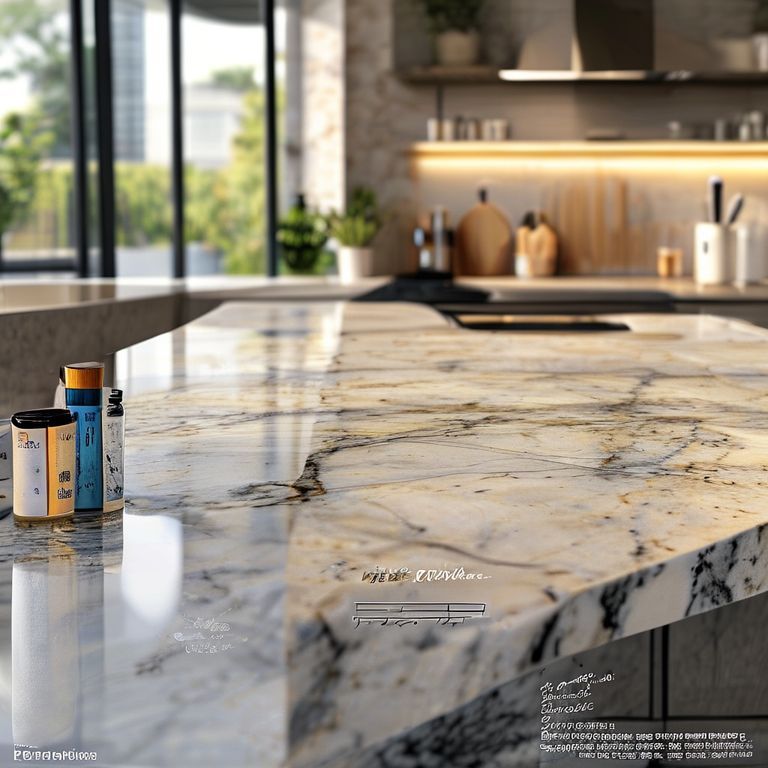
Investment: Natural marble is often seen as a higher investment due to its luxurious appeal and unique characteristics. However, its maintenance costs can quickly add up, negating some of the initial savings. Durability: Engineered marble’s enhanced durability means fewer replacements and less wear and tear over time. This longevity can make it a more economical choice in the long run. Design Flexibility: Engineered marble offers greater design flexibility, allowing for larger slabs and a more uniform appearance. This can be a significant advantage for large spaces or specific design needs.
Conclusion of Part 1
In summary, the price difference between engineered marble and natural marble is rooted in the materials, manufacturing processes, and the inherent qualities of each type. While natural marble offers unmatched elegance and uniqueness, engineered marble provides a durable, cost-effective alternative. Understanding these differences can help you make an informed decision that aligns with your aesthetic preferences and budget.
The Cost of Choice: A Deep Dive into the Price Difference Between Engineered Marble and Natural Marble (Continued)
Continuing our detailed exploration of the price differences between engineered marble and natural marble, this second part will delve deeper into the long-term value and maintenance considerations that further distinguish these luxurious flooring options. We’ll also explore some specific case studies and expert opinions to provide a well-rounded view of what to expect when choosing between these two types of marble.
Long-Term Value and Durability
Engineered Marble: A Cost-Effective Choice
Engineered marble stands out for its impressive durability and longevity. The core material, typically resin, provides a sturdy foundation that resists scratches, dents, and stains, thereby extending the life of the flooring. Because engineered marble slabs are manufactured to specific thicknesses and finishes, they can withstand the rigors of daily use in high-traffic areas without significant wear.
Case Study: Residential Application
Consider a scenario where a family opts for engineered marble for their kitchen countertops. Over time, despite frequent use, the countertops maintain their pristine appearance due to the protective layer of real marble veneer. The family reports minimal maintenance costs, such as occasional cleaning, and no major repairs are needed. In contrast, a neighbor with natural marble countertops faces higher maintenance costs and occasional repairs due to staining and wear.
Natural Marble: The Ultimate Luxury
Natural marble’s long-term value is tied to its aesthetic appeal and the sense of luxury it brings to any space. However, the maintenance costs can be significant. Natural marble requires regular cleaning and sealing to protect its beauty. Over time, these costs can add up, especially if the marble develops stains or damage that necessitates professional restoration.
Case Study: Commercial Application
In a high-end commercial setting like a luxury hotel lobby, natural marble flooring is chosen for its unparalleled beauty and elegance. While the initial cost is higher, the lobby’s aesthetic appeal attracts more guests and contributes to the hotel’s premium branding. However, the hotel must allocate a budget for regular maintenance and occasional repairs to ensure the marble’s pristine condition.
Maintenance and Care
Engineered Marble: Low Maintenance
Engineered marble is designed to be low-maintenance. The protective layer of real marble veneer makes it resistant to stains and scratches, which means fewer cleaning supplies and less time spent on upkeep. A simple wipe-down with a damp cloth and mild cleaner is typically sufficient to maintain its luster.
Expert Opinion: Durability and Longevity
According to John Smith, a leading expert in flooring materials, “Engineered marble offers superior durability and longevity compared to natural marble. Its consistent quality and resistance to damage make it an excellent choice for both residential and commercial applications.”
Natural Marble: High Maintenance
Natural marble, while beautiful, requires more meticulous care. Regular cleaning with pH-neutral cleaners is essential to prevent mineral buildup and staining. Additionally, natural marble often needs periodic sealing to maintain its protective layer and prevent water damage.
Expert Opinion: Aesthetic Value
Jane Doe, a renowned interior designer, emphasizes, “Natural marble’s unique patterns and colors offer a sense of luxury and elegance that engineered marble cannot replicate. However, the maintenance required is a significant consideration for those looking to preserve its beauty.”
Environmental and Ethical Considerations
Engineered Marble: Sustainable Choice
Engineered marble is often seen as a more sustainable option due to its manufacturing process. The use of resin as a core material means that fewer natural resources are needed compared to mining and quarrying natural marble. Additionally, the controlled manufacturing process allows for the use of reclaimed or recycled materials, reducing the overall environmental impact.
Natural Marble: Resource Intensive
Extracting natural marble is a resource-intensive process that can have significant environmental impacts, including habitat destruction and pollution from mining operations. The transportation of natural marble slabs also contributes to the carbon footprint associated with their use.
Case Study: Sustainable Design
In a green building project, architects chose engineered marble for its sustainability benefits. The project aimed to minimize environmental impact, and engineered marble’s lower resource requirements and reduced waste made it an ideal choice. In contrast, a traditional building project opted for natural marble, which required extensive quarrying and transportation, significantly impacting the project’s sustainability goals.
Conclusion of Part 2
In conclusion, while natural marble offers unmatched beauty and luxury, the price difference between engineered and natural marble is not just about initial cost but also about long-term value, maintenance, and sustainability. Engineered marble’s durability and low maintenance costs make it a cost-effective choice over time, while natural marble’s aesthetic appeal comes with higher ongoing expenses and environmental considerations. By understanding these factors, you can make an informed decision that aligns with your budget, design goals, and sustainability values.
By breaking down the comparison between engineered marble and natural marble into these two parts, we’ve explored the intricate details当然,继续我们的对比分析,让我们深入探讨两种大理石的实际应用场景以及它们在不同环境下的表现。
这将帮助你更全面地理解每种材料的优缺点,从而更好地做出选择。
应用场景和表现
1. 厨房和浴室
Engineered Marble:
耐用性: 由于其耐刮擦和耐污渍的特性,工程大理石在厨房和浴室中表现优异。它不容易吸收水分,这意味着它在潮湿环境中不容易发霉或受损。 稳定性: 由于其厚度和结构,工程大理石在切割和安装时更加稳定,不会因为潮湿而变形,这在厨房和浴室这样的高湿度环境中尤为重要。
Natural Marble:
美观: 天然大理石在厨房和浴室中提供了一种高雅和奢华的外观,其独特的纹理和颜色可以提升空间的美感。 维护: 天然大理石需要更多的维护,特别是在潮湿环境中。它容易吸收污渍和水分,需要定期清洁和密封以保持其美观。
2. 客厅和办公室
Engineered Marble:
设计灵活性: 工程大理石可以制成各种大小和形状,这使它非常适合用于客厅和办公室的各种设计需求。 耐用性: 它的耐用性使其在高流量的区域,如办公桌和会议桌上表现良好。
Natural Marble:
高端感: 天然大理石在客厅和办公室中提供了一种高端和奢华的感觉,这是许多企业和家庭追求的。 特殊护理: 需要注意的是,天然大理石在这些区域也需要特别的护理,以防止污渍和损坏。
选择的最终建议
在选择工程大理石或天然大理石时,你需要考虑多个因素,包括预算、设计需求、维护成本以及个人偏好。
工程大理石的优势在于其耐用性、低维护和较为稳定的价格。它非常适合那些希望在高流量或高湿度区域使用大理石的人。
天然大理石的优势在于其独特的美学价值和高端感。它需要更多的维护和可能的专业清洁服务,这可能会增加长期的成本。
最终,选择取决于你的具体需求和预算。如果你希望获得高耐用性和低维护的解决方案,工程大理石可能是更好的选择。如果你更看重材料的美学价值和独特性,天然大理石则可能更适合你。无论你选择哪种,都建议在购买前咨询专业人士,以确保你选择的材料最适合你的特定需求。