Understanding Artificial Stone Countertops and Their Cost
Introduction
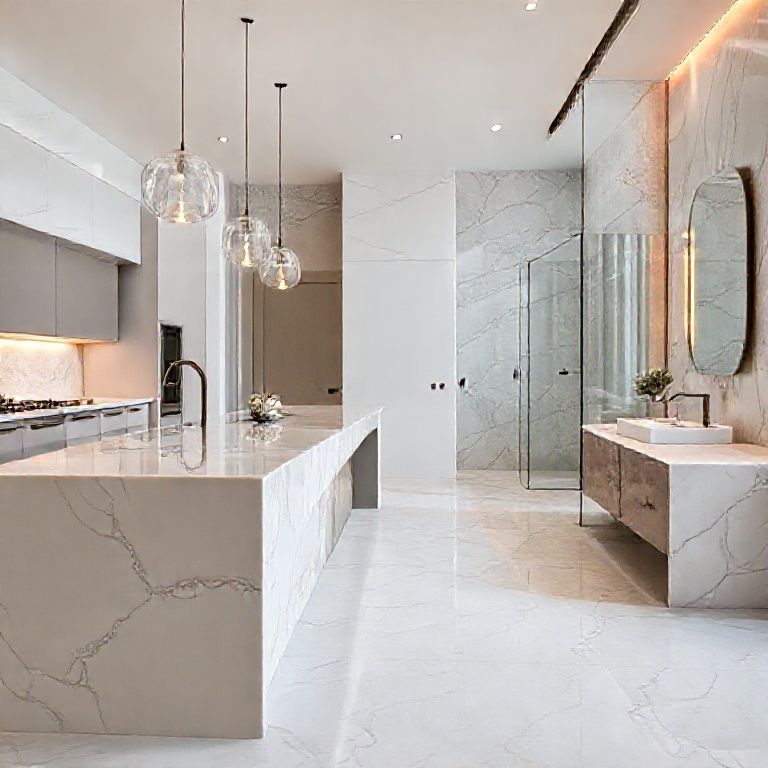
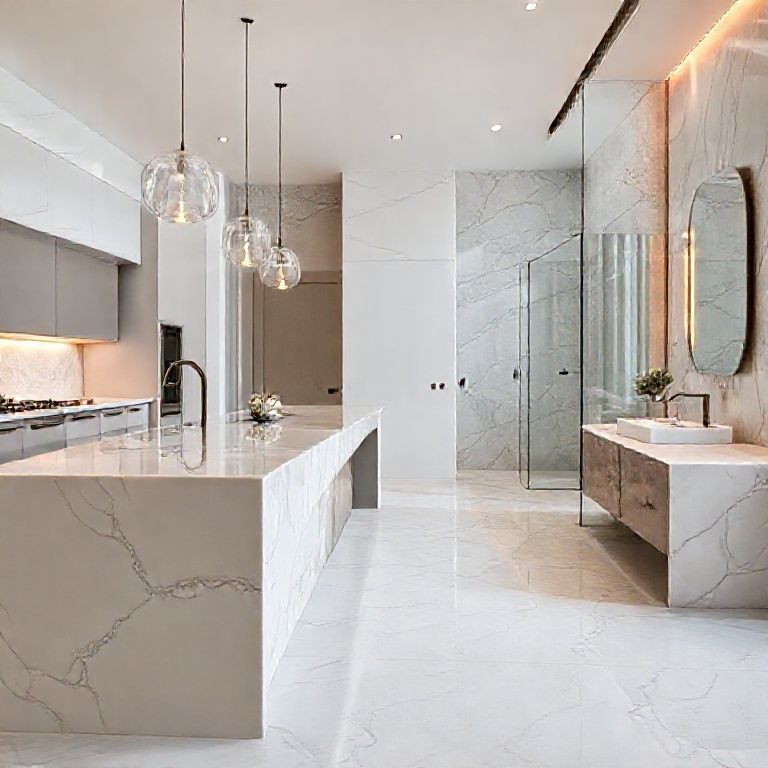
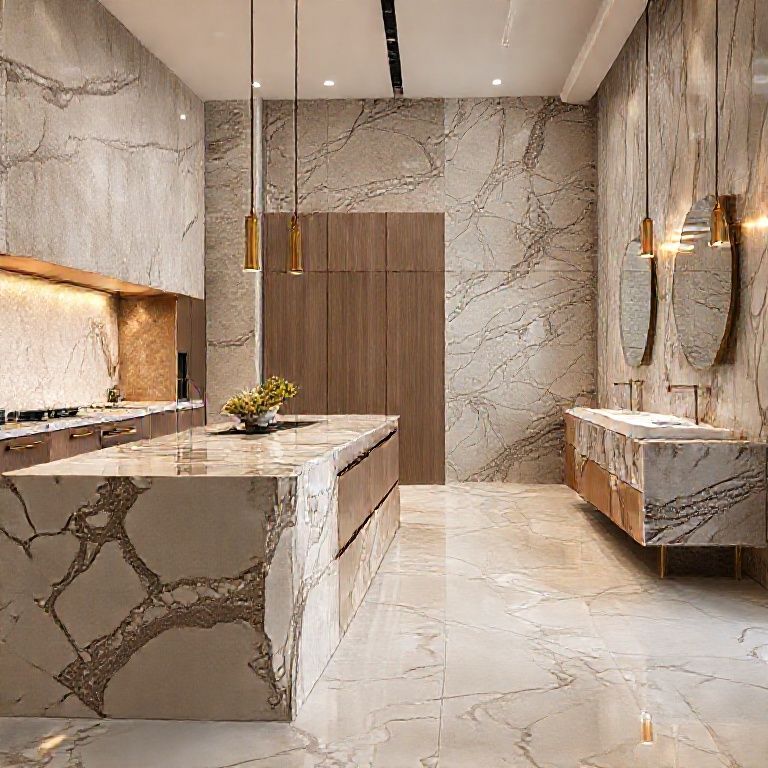
When it comes to kitchen and bathroom renovations, one of the most talked-about and sought-after materials is artificial stone countertops. These modern alternatives to traditional granite and marble offer a unique combination of beauty, durability, and cost-effectiveness. This article delves into the intricacies of artificial stone countertops, breaking down their cost per square foot, the factors influencing the price, and the myriad benefits they offer.
What Are Artificial Stone Countertops?
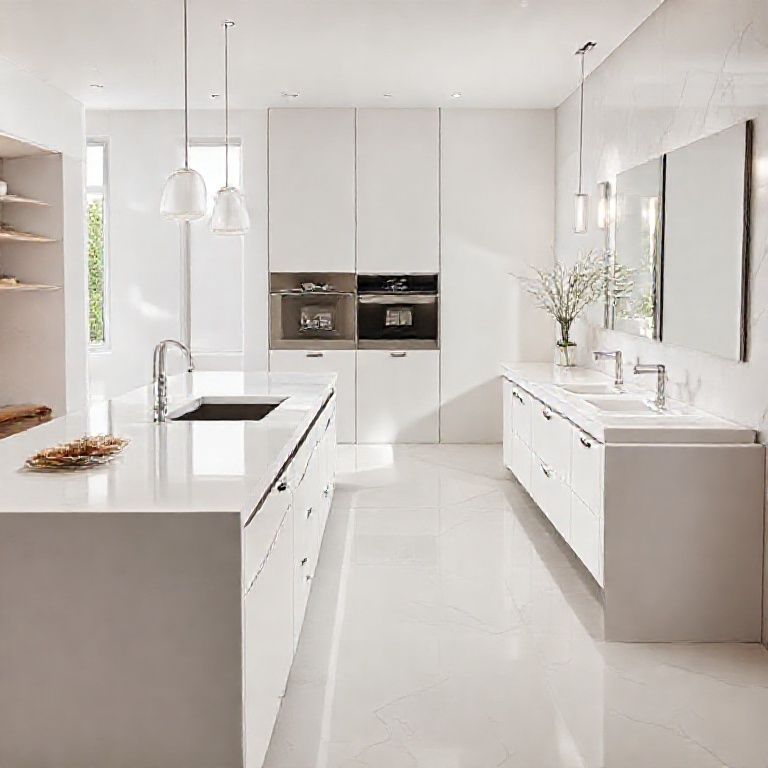
Artificial stone countertops, often referred to as cultured stone, are a composite material made from natural stone, such as limestone, marble, or granite, mixed with resins and pigments. This blend mimics the appearance of natural stone while offering superior strength and flexibility. The resulting product is a robust, low-maintenance surface that can withstand the rigors of daily use without the high cost and maintenance of natural stone.
Factors Influencing the Cost of Artificial Stone Countertops
Material Quality
The quality of the materials used in artificial stone significantly impacts its cost. Higher-grade resins and more natural stone content generally lead to a more durable and aesthetically pleasing product. Premium materials mean higher upfront costs but can pay off in longevity and reduced maintenance.
Design and Customization
Custom designs and intricate patterns can drive up the cost of artificial stone countertops. Unique shapes, complex patterns, and bespoke colors require additional time and skill in manufacturing, leading to a higher price tag.
Installation Complexity
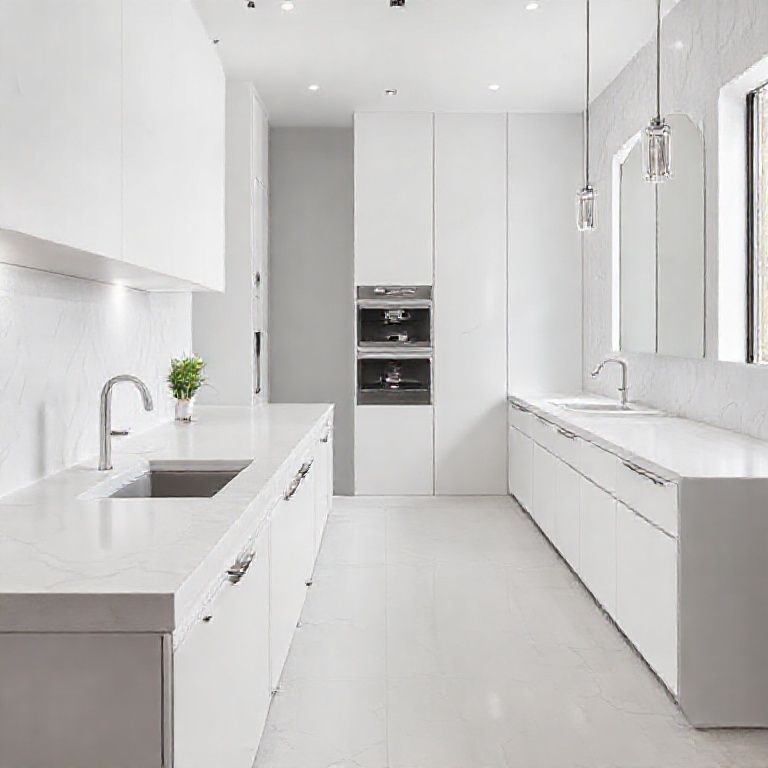
The complexity of the installation process also affects the overall cost. Countertops that require intricate shaping or integration with existing cabinetry and appliances will typically cost more to install than standard, flat surfaces.
Labor Costs
The expertise of the installer plays a crucial role in determining the cost. Highly skilled artisans who can seamlessly integrate artificial stone into your existing space and ensure a flawless finish will charge more than less experienced workers.
Location
Just like with any product, location matters. Urban areas with a higher cost of living and demand for premium materials will naturally have higher prices for artificial stone countertops compared to rural or less economically competitive regions.
Benefits of Artificial Stone Countertops
Artificial stone countertops offer numerous benefits that make them a popular choice for both residential and commercial spaces:
Durability
Artificial stone is incredibly resilient and can withstand heavy use without scratching, chipping, or fading. Unlike natural stone, it doesn’t require sealing or regular maintenance, which saves both time and money in the long run.
Aesthetic Versatility
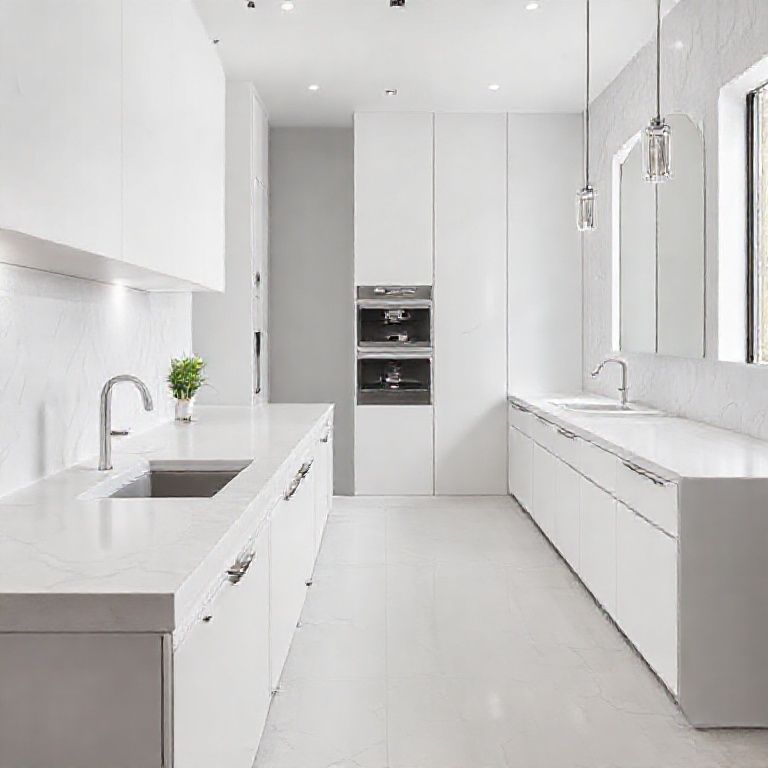
With a wide range of colors and patterns available, artificial stone can be tailored to fit any design vision. Whether you’re looking for a sleek, modern look or a traditional, rustic aesthetic, there’s an artificial stone option to suit your needs.
Water Resistance
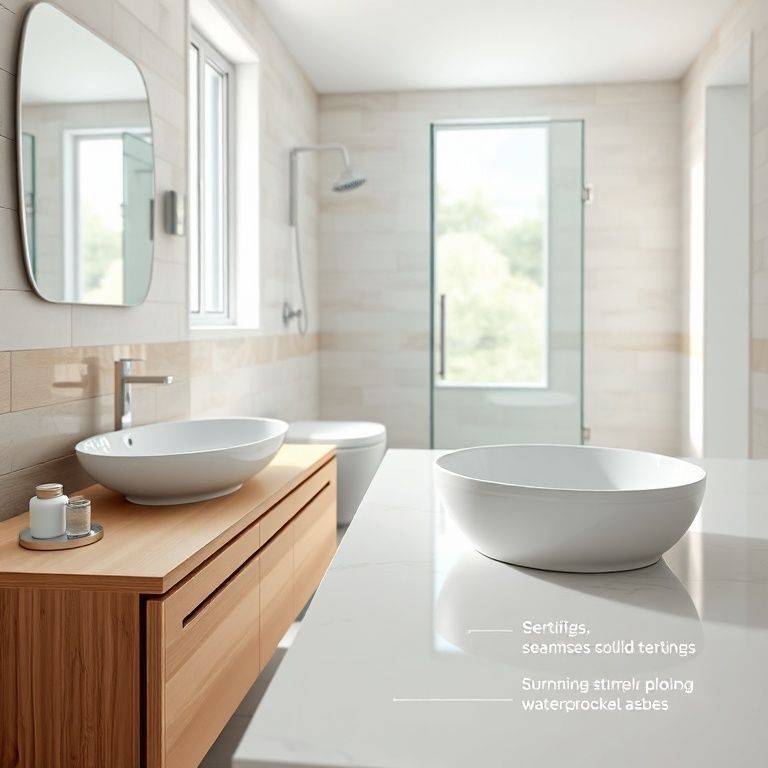
Artificial stone is impervious to water and other liquids, making it an ideal choice for kitchen and bathroom countertops where spills are inevitable. This feature not only enhances the durability but also simplifies cleaning.
Environmentally Friendly
Unlike natural stone, which often involves mining and contributes to environmental degradation, artificial stone is a more sustainable option. It reduces the demand for natural resources and can be produced with fewer environmental impacts.
Installation and Maintenance of Artificial Stone Countertops
Installation Process
Installing artificial stone countertops is generally straightforward but requires careful planning and skilled execution. Here’s a step-by-step guide to ensure a successful installation:
Planning and Measurement
The first step in installation is precise planning and measurement. Accurate dimensions are crucial to ensure a perfect fit. Professional installers will take detailed measurements of your existing cabinetry and work surface to create custom-cut countertops that fit seamlessly.
Preparation
Proper preparation of the existing work surface is essential. Any old countertop, backsplash, or cabinetry must be removed and the surface cleaned and leveled. This ensures that the artificial stone can be securely attached and that the new surface will be smooth and even.
Cutting and Shaping
Using specialized tools, the artificial stone countertop is cut to fit the space. For custom shapes and intricate designs, additional cutting and shaping may be required. Precision in this step is key to achieving a professional finish.
Adhesion
The artificial stone countertop is adhered to the work surface using high-quality adhesives. This step ensures that the countertop remains securely in place throughout its lifespan.
Finishing Touches
Once the countertop is securely in place, any necessary finishing touches are applied. This includes trimming excess material, smoothing edges, and polishing to achieve the desired finish. Skilled installers will ensure that the final product looks seamless and professional.
Maintenance Tips for Artificial Stone Countertops
Maintaining artificial stone countertops is simple and requires minimal effort:
Regular Cleaning
Cleaning artificial stone countertops is straightforward. Use a mild soap and water solution or a specialized stone cleaner. Avoid using abrasive cleaners or scrubbing with hard brushes, which can scratch the surface.
Immediate Spill Management
While artificial stone is resistant to water and spills, it’s best to clean up spills immediately to prevent any potential staining. For tough spills, a gentle cleaner or a mixture of vinegar and water can be effective.
Avoiding Sharp Objects
To maintain the pristine look of your artificial stone countertop, avoid placing sharp or heavy objects directly on the surface. This can cause scratches or dents, especially on custom designs.
Periodic Inspection
Regular inspection of the countertop can help identify any minor issues early. This ensures that any potential problems are addressed before they become more significant issues.
Conclusion
Artificial stone countertops represent a fantastic blend of beauty, durability, and cost-effectiveness. Understanding the factors that influence their cost and the benefits they offer can help you make an informed decision when planning your kitchen or bathroom renovation. With proper installation and maintenance, artificial stone countertops can provide a stunning and long-lasting surface that enhances the overall aesthetic and functionality of your space.