
The Countertop Conundrum: Acrylic vs. Artificial Stone – A Deep Dive into Durability, Design, and Dream Kitchens

Embarking on a kitchen renovation or building a new home is an exciting journey, a canvas upon which you paint your culinary dreams and aesthetic aspirations. Amidst the myriad of decisions – cabinet styles, appliance choices, flooring textures – the humble countertop stands as a central character, dictating not only the visual harmony of your space but also its day-to-day functionality. Two materials that frequently emerge in these crucial deliberations are acrylic (often referred to as solid surface) and artificial stone (most commonly, engineered quartz). While both offer a departure from the traditional granite or marble, their underlying compositions and resulting characteristics paint vastly different pictures. This exploration will meticulously dissect the advantages and disadvantages of each, arming you with the knowledge to make a choice that is as practical as it is beautiful.
Let’s begin our journey with acrylic, a material that has carved out a significant niche in the design world. Often known by brand names like Corian, acrylic countertops are a non-porous, man-made material composed primarily of acrylic polymers and alumina trihydrate (ATH), a derivative of bauxite ore. This unique composition bestows upon acrylic a remarkable set of attributes that have cemented its place in kitchens and bathrooms worldwide.
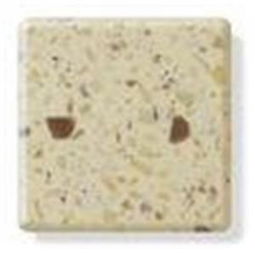
One of acrylic’s most celebrated advantages is its unparalleled seamlessness. Thanks to its thermoplastic nature, acrylic can be thermoformed and seamlessly joined, creating monolithic surfaces that appear to flow effortlessly. This means no visible seams, no grout lines, and no awkward gaps where unsightly bacteria or stubborn stains can take root. For those who prioritize pristine hygiene and a sleek, uncluttered aesthetic, this feature alone is a compelling reason to consider acrylic. Imagine a vast expanse of countertop, flowing uninterrupted into a matching integrated sink – a true testament to modern design and effortless maintenance. The non-porous nature also translates directly into superior stain resistance. Unlike natural stone which can absorb liquids, acrylic is inherently resistant to most common kitchen spills, from red wine and coffee to olive oil and tomato sauce. A simple wipe-down is usually all that’s needed to keep it looking immaculate.
Furthermore, acrylic boasts an impressive range of colors and patterns. From vibrant hues that make a bold statement to subtle, stone-like textures that mimic natural elegance, the design flexibility is virtually limitless. This adaptability makes it a designer’s dream, allowing for creative expression and the perfect integration into any décor. Another significant advantage lies in its repairability. Minor scratches, chips, or even burns can often be buffed out or repaired by a professional, restoring the surface to its original glory. This ability to rejuvenate the countertop over time can be a substantial long-term benefit, extending its lifespan and preserving its aesthetic appeal. For those concerned about impact resistance, acrylic is also surprisingly durable, able to withstand everyday knocks and bumps without immediate damage. Its slightly yielding nature can absorb some impact, making it less prone to chipping than some harder materials.
However, no material is without its Achilles’ heel, and acrylic is no exception. Its primary drawback, and one that often elicits concern, is its susceptibility to heat. While it can tolerate moderate temperatures, prolonged exposure to very hot pots or pans directly from the stovetop or oven can lead to scorching, discoloration, or even melting. This necessitates the diligent use of trivets and hot pads, a habit that some homeowners find inconvenient. While repairable, deep scratches or significant heat damage can still incur costs, and the process of repair, while effective, can sometimes leave a slight visual difference if not expertly executed. Additionally, while generally scratch-resistant, very sharp objects or abrasive cleaning pads can indeed leave their mark, requiring careful handling and specific cleaning methods to maintain its flawless finish.
The cost of acrylic countertops can also be a factor. While it sits in a mid-to-high price range, it can sometimes be more expensive than certain types of artificial stone, depending on the brand, color, and complexity of the installation. The initial investment, coupled with the need for mindful use regarding heat, are crucial considerations for prospective buyers. When compared to the sheer hardness of engineered quartz, acrylic’s slightly softer surface means that consistent, heavy-duty scraping or cutting directly on the surface is not advisable. The aesthetic, while versatile, can sometimes be perceived as less luxurious or “authentic” than natural stone by some consumers, though this is largely subjective and depends on the specific design and finish. The integrated sink option, while aesthetically pleasing, also means that if the sink is damaged, the entire countertop unit may need to be replaced or repaired, a more significant undertaking than simply swapping out a separate sink.
In essence, acrylic countertops offer a compelling blend of hygiene, seamless design, and customizable aesthetics. Their non-porous nature, inherent stain resistance, and repairability make them a practical and elegant choice for many households. However, the crucial need for heat protection and the potential for scratching require a more mindful approach to daily use. Understanding these trade-offs is the first step in determining whether acrylic aligns with your lifestyle and design vision.
The Countertop Conundrum: Acrylic vs. Artificial Stone – A Deep Dive into Durability, Design, and Dream Kitchens (Continued)

Having explored the compelling attributes and nuanced limitations of acrylic, we now turn our attention to its formidable counterpart: artificial stone, more commonly known in the industry as engineered quartz. This material represents a significant technological advancement in countertop manufacturing, combining the beauty of natural stone with enhanced performance characteristics. At its core, engineered quartz is a composite material made from approximately 90-95% ground natural quartz crystals, bound together with about 5-10% polymer resins and pigments. This potent combination results in a surface that is both aesthetically captivating and remarkably resilient.
The paramount advantage of engineered quartz lies in its extraordinary durability and hardness. Quartz crystals are among the hardest minerals on Earth, and when fused with resins, they create a surface that is exceptionally resistant to scratches, chips, and cracks. This inherent toughness makes it an ideal candidate for busy kitchens where knives might accidentally slip or heavy pans are frequently placed. Unlike many natural stones, quartz countertops are virtually impervious to etching from acidic substances like lemon juice or vinegar, maintaining their polished appearance with minimal fuss. This resilience translates into a countertop that is built to last, withstanding the rigors of daily life for decades.
Another significant selling point of engineered quartz is its non-porous nature, a characteristic it shares with acrylic but with a crucial difference in its formation. The manufacturing process tightly binds the quartz particles and resins, creating a solid, impermeable surface. This means that stains simply cannot penetrate. Spills from wine, coffee, or oil are easily wiped away, leaving no trace behind. This superior stain resistance, combined with its non-porous quality, also makes quartz highly hygienic and resistant to the growth of bacteria and mold, a vital consideration for any food preparation area.
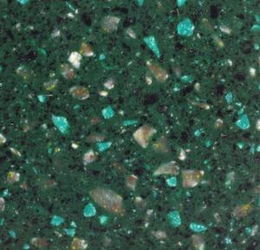
The design versatility of engineered quartz is another aspect that garners widespread appeal. While the base material is natural quartz, the addition of pigments and binders allows manufacturers to create an astonishing array of colors, patterns, and finishes. From classic white marble looks and realistic granite veining to bold, contemporary solid colors and unique textured effects, engineered quartz can mimic the aesthetics of natural stone with remarkable fidelity or forge its own distinct identity. This broad spectrum of choices ensures that homeowners can find a quartz countertop that perfectly complements their existing kitchen design or inspires a new one. Moreover, the consistent quality and color uniformity achieved through the manufacturing process mean that what you see in the showroom is precisely what you get in your home, eliminating the variability that can sometimes be encountered with natural stone.
When it comes to maintenance, engineered quartz truly shines. Its hard, non-porous surface requires no special sealing or conditioning, unlike many natural stones. Regular cleaning with mild soap and water or a non-abrasive household cleaner is usually sufficient to keep it looking pristine. This low-maintenance aspect is a significant draw for busy individuals or families who seek a beautiful countertop that doesn’t demand constant attention or specialized care. While its heat resistance is generally very good, it’s still advisable to use trivets for extremely hot items directly from the oven or stovetop. Prolonged, intense heat can potentially damage the resin binders, though it is far more resistant than acrylic in this regard.
However, despite its many strengths, engineered quartz does have its own set of considerations. While incredibly durable, its hardness also means it can be more susceptible to chipping or cracking from a sharp, direct impact, especially on its edges or corners. While repairs are possible, they are often more challenging and may be more noticeable than those performed on acrylic. The aesthetic, while versatile, can sometimes be perceived as less “natural” or unique than quarried stone by purists, as the patterns are manufactured rather than naturally occurring. The sheer consistency, while an advantage for many, might lack the organic, one-of-a-kind character that some homeowners desire.
Another important factor to consider is the cost. Engineered quartz typically falls into the mid-to-high price bracket, often comparable to or slightly less expensive than higher-end acrylic options, and more expensive than basic laminate or some forms of solid surface. The initial investment can be substantial, particularly for larger kitchen spaces or more intricate designs. Furthermore, the installation process for quartz requires specialized tools and expertise due to its weight and hardness, meaning professional installation is almost always a necessity, adding to the overall cost. While it is resistant to UV rays, prolonged direct sunlight can potentially cause some discoloration over very long periods, making it less ideal for outdoor kitchens or areas with consistent, intense sun exposure. Finally, the resins used in its composition, while safe and inert, are petroleum-based products, which might be a consideration for those prioritizing strictly natural or eco-friendly materials.
In conclusion, engineered quartz offers a compelling fusion of natural beauty and modern engineering. Its exceptional durability, stain resistance, hygienic properties, and extensive design options make it a highly practical and visually appealing choice for many kitchens. While its hardness can make it prone to chipping from sharp impacts and its manufactured nature may not appeal to all, its low-maintenance profile and long-term resilience are significant advantages.
Ultimately, the choice between acrylic and artificial stone is not about declaring one definitively superior to the other, but rather about aligning the unique characteristics of each material with your specific needs, lifestyle, and aesthetic preferences. Whether you lean towards the seamless flow and repairability of acrylic or the formidable hardness and low-maintenance elegance of engineered quartz, both materials offer the potential to elevate your kitchen into a space that is both functional and a true reflection of your personal style.









