
Certainly, I can help you with that! Here’s a soft article comparing acrylic and artificial stone, designed to be engaging and informative.

In the grand theatre of your home, the kitchen often plays the starring role. It’s where culinary dreams are concocted, where family stories are shared, and where life, quite literally, unfolds. And at the heart of this vibrant stage lies the countertop – a surface that must not only withstand the heat of the stove and the zest of lemons but also embody the very essence of your personal style. Two materials frequently vie for this prestigious position: acrylic and artificial stone. While both promise a modern, sophisticated upgrade, their natures, strengths, and weaknesses diverge significantly, impacting everything from daily use to long-term investment.
Let’s begin our exploration with acrylic, often referred to as solid surface. Imagine a material that can be molded, shaped, and seamlessly integrated, creating an unbroken expanse of countertop that flows into your backsplash or even forms a waterfall edge without a hint of a seam. This is the magic of acrylic. Its primary composition is acrylic polymer and alumina trihydrate (ATH), minerals derived from bauxite ore. What this blend allows for is an incredible versatility in design. Because it can be thermoformed, designers can conjure curves, bowls, and intricate shapes that are simply impossible with more rigid materials. This makes it a dream for those seeking a truly bespoke kitchen, where the countertop becomes a sculptural element rather than just a functional surface.
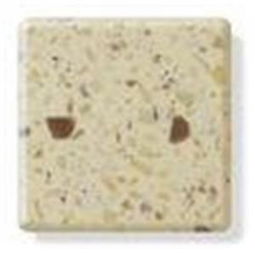
The aesthetic appeal of acrylic is undeniable. It offers a smooth, matte finish that feels warm and inviting to the touch, a stark contrast to the often cool, hard feel of stone. Color palettes are extensive, ranging from the purest whites and deepest blacks to vibrant, playful hues and subtle, marbled patterns. The non-porous nature of acrylic is another significant advantage. This means spills, beignets batter, or errant splashes of red wine don’t stand a chance of seeping into the material and causing permanent stains. Cleaning is typically a breeze; a damp cloth and a mild detergent are usually all that’s needed to restore its pristine appearance. This inherent hygiene makes it a strong contender for families with young children or anyone who prioritizes a germ-free environment.
Furthermore, acrylic’s repairability is a game-changer. While no material is entirely impervious to damage, minor scratches or chips can often be buffed out or filled, restoring the surface to its original glory without the need for costly replacements. This means that a scratch from a carelessly placed pot or a ding from a dropped utensil doesn’t have to be a permanent scar. This ease of restoration contributes to its longevity and can be a significant factor in its overall value proposition. The seamless nature also means no grout lines to scrub or hide grime, contributing to a more hygienic and visually uncluttered space.
However, acrylic isn’t without its Achilles’ heel. Its most significant drawback lies in its susceptibility to heat. Unlike its stone counterparts, prolonged exposure to high temperatures can cause acrylic to scorch, discolor, or even warp. This means that while you can place a warm mug on it, a scalding hot pot directly from the stove requires a trivet or heat pad. This necessitates a change in cooking habits for some, a minor adjustment that’s crucial to preserve the countertop’s beauty. It’s also not as resistant to scratching as materials like quartz. While minor abrasions can be repaired, deep gouges will require more involved restoration. This means that while it’s easy to clean, being a bit more mindful during food preparation, especially when using sharp knives directly on the surface, is advisable. The perceived value can also be a consideration; while durable and repairable, some consumers perceive it as less luxurious or permanent than natural stone, which can impact resale value in certain markets. The cost of acrylic can also vary significantly, with more complex designs and premium colors commanding higher prices, sometimes rivaling the cost of high-end artificial stones.
Now, let’s turn our attention to the formidable contender: artificial stone, a category that most commonly refers to engineered quartz, but also encompasses materials like recycled glass and concrete. For the purpose of this comparison, we will focus primarily on engineered quartz, as it is the most prevalent alternative to acrylic in modern kitchens. Engineered quartz is a composite material made from approximately 90% ground natural quartz crystals mixed with about 10% polymer resins and pigments. This fusion creates a surface that is not only stunningly beautiful but also incredibly resilient.
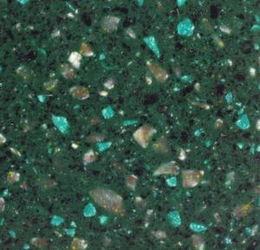
The aesthetic versatility of artificial stone, particularly quartz, is vast, albeit achieved through different means than acrylic. While it doesn’t possess the seamless, moldable qualities of solid surface, quartz offers an unparalleled range of finishes and patterns that mimic natural stone with remarkable fidelity. You can find countertops that replicate the dramatic veining of Calacatta marble, the earthy tones of granite, or the subtle elegance of travertine, all while benefiting from the consistent quality and predictable appearance that engineered materials offer. The resins used in its composition also allow for a dazzling array of colors, from classic neutrals to bold jewel tones, and even finishes that incorporate metallic flecks or mirror fragments for added sparkle.
Where artificial stone truly shines is in its sheer durability and resilience. Quartz is one of nature’s hardest minerals, and its engineered form inherits this strength. This makes it exceptionally resistant to scratching, chipping, and cracking. You can chop vegetables directly on a quartz countertop with confidence (though a cutting board is always recommended to protect your knives and the countertop’s edges), and hot pans can generally be placed directly on the surface without fear of scorching. This “set it and forget it” mentality regarding heat resistance is a significant advantage for those who enjoy active kitchens where speed and efficiency are paramount.

Furthermore, the non-porous nature of engineered quartz is a major selling point for hygiene-conscious homeowners. Similar to acrylic, this means it resists staining from common kitchen culprits like red wine, coffee, and oils. Spills are easily wiped away, and the material doesn’t harbor bacteria or mold, making it an excellent choice for food preparation areas. The low maintenance aspect is also highly appealing. Unlike natural stone, quartz does not require periodic sealing to maintain its stain and moisture resistance. A simple wipe-down with soap and water or a mild household cleaner is usually sufficient to keep it looking immaculate. This reduced upkeep translates to less time spent on chores and more time enjoying your kitchen.
However, artificial stone also has its considerations. While incredibly durable, it is not indestructible. Because it is a composite material, it can be susceptible to damage from extreme thermal shock – rapid and significant temperature changes – which can cause cracking. While it’s generally heat-resistant, using a trivet for extremely hot objects is still a prudent practice to ensure its longevity. Its rigidity, while a strength, also means that it cannot be seamlessly integrated or thermoformed like acrylic. This can result in visible seams where slabs meet, particularly in larger kitchens or complex layouts. While skilled fabricators can minimize their appearance, they are generally unavoidable.
Another point to consider is the potential for fading or discoloration if exposed to prolonged, direct UV light, especially in kitchens that receive a lot of direct sunlight. While this is not an issue for most indoor kitchens, it’s something to be aware of. The weight of artificial stone is also substantial, requiring reinforced cabinetry to support its load, which can add to installation complexity and cost. Finally, while artificial stone offers a premium look and feel, its initial cost can be higher than some acrylic options, and unlike acrylic, deep scratches or chips are generally not repairable in the same way, often requiring professional intervention or even partial replacement if the damage is severe. The repair process for quartz is typically more about discreet filling or patching, rather than the seamless buffing possible with solid surfaces.









