Sure, I can help you with that! Here’s a soft article comparing artificial stone and Corian, written in attractive English, with the content split into two parts as requested.

The heart of any home often beats strongest in the kitchen, a space where culinary creativity meets daily life. And at the center of this vibrant hub? The countertop. It’s more than just a surface; it’s a canvas for chopping vegetables, a resting place for steaming pots, and a gathering spot for family and friends. When it comes to selecting the perfect countertop material, the choices can feel overwhelming, each promising beauty, durability, and a touch of luxury. Among the most popular contenders are artificial stone and its celebrated cousin, Corian. While often used interchangeably by some, these materials possess distinct characteristics that can significantly impact their performance, appearance, and long-term value. Let’s embark on a journey to unravel the nuances of artificial stone and Corian, empowering you to make a choice that resonates with your home’s unique style and your practical needs.
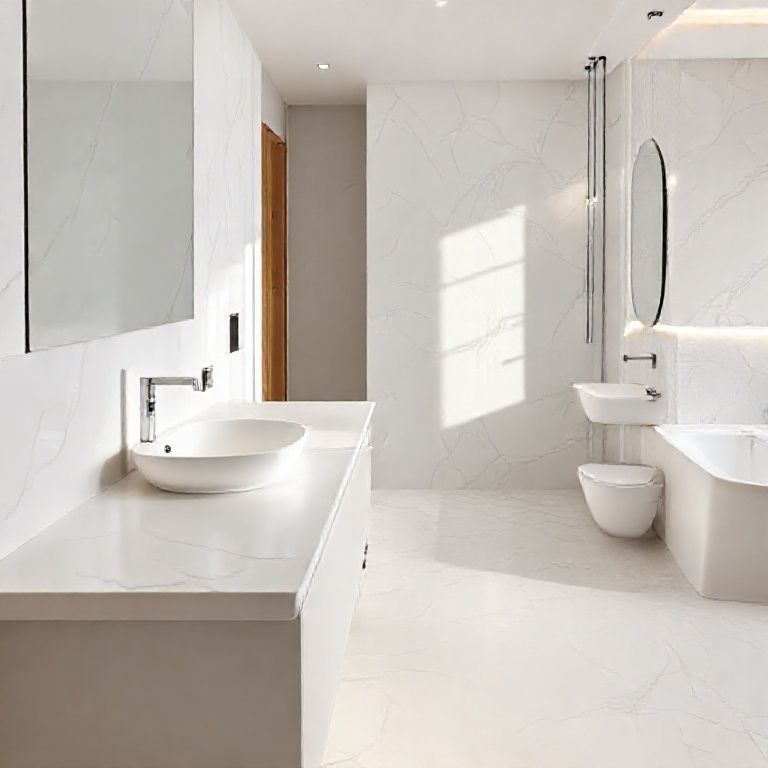
Artificial stone, a broad category encompassing a variety of engineered materials, is essentially a composite created by combining natural stone aggregates, such as quartz or granite dust, with resins and pigments. This ingenious fusion results in a product that can mimic the look and feel of natural stone, often with enhanced uniformity and a wider range of color and pattern possibilities. Think of it as nature’s artistry, refined and perfected. The most prevalent form of artificial stone you’ll encounter is quartz composite, a material celebrated for its exceptional hardness and resilience. Its composition typically includes around 90-95% ground quartz, bound together with polymers and additives. This high quartz content lends it a remarkable resistance to scratches, stains, and heat, making it a formidable choice for high-traffic areas. The manufacturing process allows for incredible consistency; each slab will possess the same color and veining, ensuring a predictable and sophisticated aesthetic. This uniformity is a significant advantage for those seeking a cohesive look throughout their kitchen or bathroom. Furthermore, the non-porous nature of quartz composite means it’s highly hygienic, resisting the growth of bacteria and mold, a crucial consideration for food preparation areas. The maintenance is refreshingly straightforward: a simple wipe-down with soap and water is usually sufficient to keep it looking pristine. No sealing is required, saving you time and the hassle of periodic treatments. The visual appeal of quartz composite is undeniable. It can replicate the classic elegance of marble, the earthy richness of granite, or offer entirely novel patterns and solid colors that simply don’t exist in nature. This versatility allows designers and homeowners alike to achieve a bespoke look tailored to their specific vision. Whether you’re drawn to the dramatic swirls of a calacatta-inspired pattern or the subtle elegance of a monochromatic design, artificial stone offers an expansive palette to explore. Its durability also translates to a sound investment, as it’s built to withstand the rigors of daily life for decades to come.
Now, let’s turn our attention to Corian, a name that has become synonymous with solid surface materials. Developed by DuPont in the late 1960s, Corian is a brand of solid surface material composed primarily of acrylic polymer and alumina trihydrate (ATH). This unique composition sets it apart from quartz composites. While both are engineered materials, Corian’s structure allows for a different set of characteristics. One of its most celebrated features is its seamless nature. Because Corian is non-porous and can be thermoformed, it can be expertly fabricated and installed with inconspicuous seams, creating a continuous, monolithic surface. This is particularly advantageous for kitchens and bathrooms where hygiene is paramount. The absence of grout lines or visible seams means there are no nooks or crannies for dirt, grime, or bacteria to accumulate, making cleaning exceptionally easy. A simple damp cloth often suffices, and for tougher spots, mild abrasive cleaners can be used without fear of damaging the surface. This seamless integration also extends to sinks and backsplashes, which can be seamlessly molded into the countertop itself, creating a truly unified and elegant look that is both practical and visually stunning. Another remarkable aspect of Corian is its ability to be repaired. Minor scratches, chips, or even deeper gouges can often be buffed out or repaired by a qualified professional, restoring the surface to its original glory. This repairability can extend the lifespan of your Corian countertops and provides peace of mind against accidental damage. Aesthetically, Corian offers a vast spectrum of colors and patterns, from subtle, understated tones to bold, vibrant hues and intricate veining that can mimic natural stone. Its versatility in design is further enhanced by its malleability; it can be curved, shaped, and even backlit to create unique design features. This opens up a world of creative possibilities for designers seeking to push the boundaries of kitchen and bathroom aesthetics. The smooth, matte finish of Corian is also highly sought after, offering a contemporary and sophisticated feel that complements a wide range of interior styles.
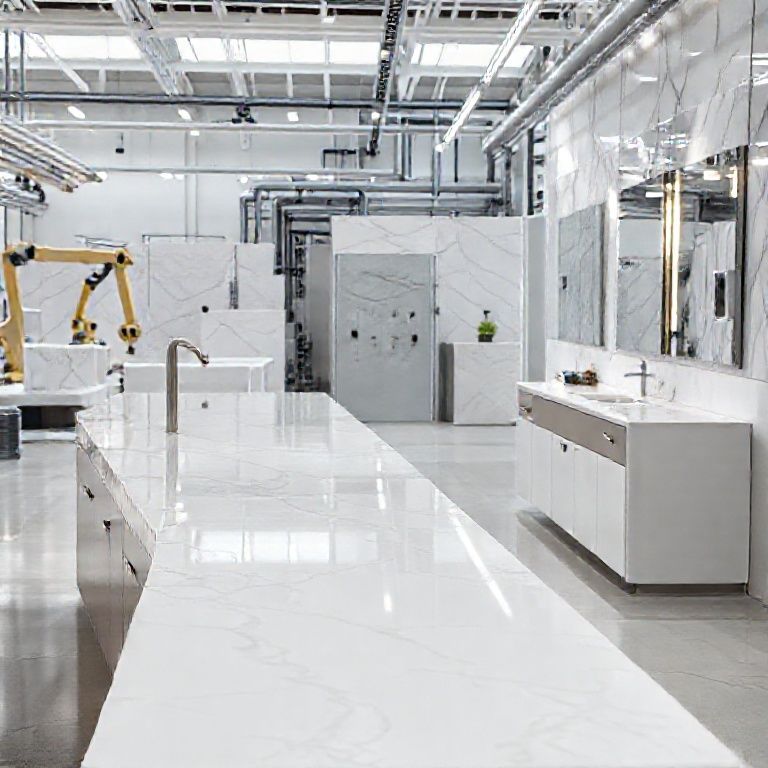
Comparing these two exceptional materials, it’s clear that both artificial stone (particularly quartz composite) and Corian offer compelling benefits. Artificial stone, with its quartz composition, often leads in terms of hardness and resistance to heat and scratches, making it a champion for intense kitchen use. Corian, on the other hand, excels in its seamless fabrication, repairability, and unique aesthetic possibilities, offering a fluid and hygienic surface. The choice between them hinges on your priorities: for unparalleled scratch and heat resistance and a visually consistent appearance, artificial stone might be your top pick. If seamless integration, an exceptionally hygienic surface, and the potential for unique design elements like integrated sinks or backlighting are paramount, Corian emerges as a strong contender.
Continuing our exploration into the world of high-performance countertops, the decision between artificial stone and Corian often boils down to a careful consideration of specific performance attributes, long-term value, and the unique demands of your living space. While both materials represent a significant upgrade from traditional options like laminate or tile, their inherent compositions lead to subtle yet impactful differences in how they perform day-to-day and how they integrate into your home’s overall design narrative.
Let’s delve deeper into the practicalities of durability and maintenance. As mentioned, artificial stone, particularly quartz composite, is renowned for its robust nature. The high percentage of natural quartz means it boasts a Mohs hardness rating of 7, placing it just below diamonds. This translates to exceptional resistance against chips, cracks, and, most notably, scratches. Daily activities like chopping vegetables directly on the surface (though not generally recommended for any countertop material to preserve blade sharpness) are less likely to leave their mark on quartz. Furthermore, its inherent heat resistance is a significant plus in a busy kitchen. While it’s always wise to use trivets for extremely hot pots and pans, quartz can generally withstand brief exposure to heat better than many other materials, including Corian. This resilience means your countertop will likely maintain its pristine appearance with minimal fuss, even under heavy use. Maintenance for artificial stone is refreshingly simple. Its non-porous nature means spills, from red wine to olive oil, don’t penetrate the surface, preventing stains. A quick wipe with a damp cloth and mild detergent is usually all that’s needed. Unlike natural stone, it doesn’t require periodic sealing, which is a significant convenience and cost-saver over time. This ease of care makes it an ideal choice for busy households where time is a precious commodity and for those who prefer a low-maintenance lifestyle.
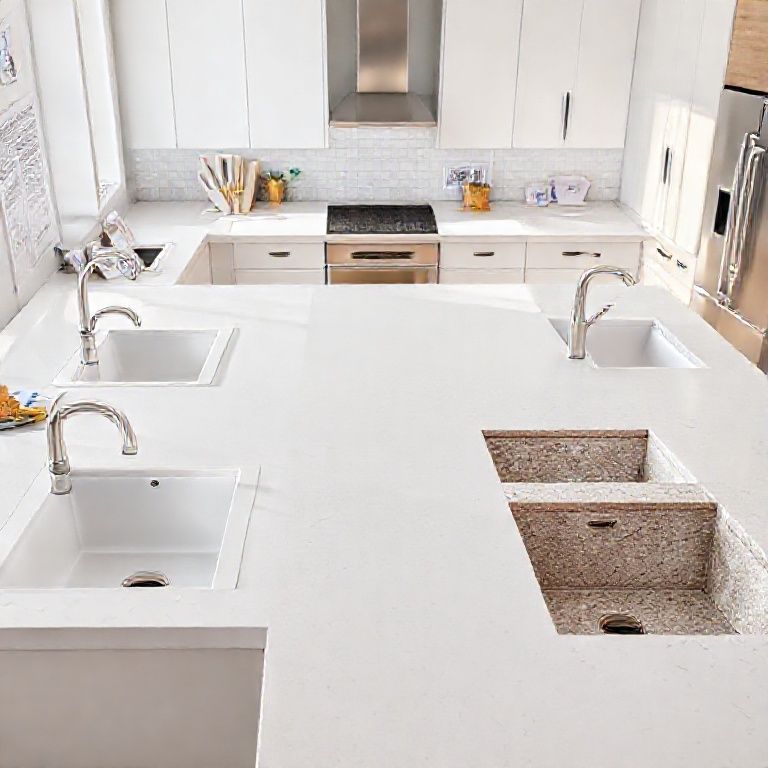
Corian, while also very durable, offers a different kind of resilience. Its composition means it is softer than quartz composite, making it more susceptible to scratches and dings if subjected to sharp objects or abrasive cleaning. However, this perceived softness is also its strength. The material is not brittle like some natural stones, and it possesses a degree of flexibility that can absorb impacts. Where Corian truly shines is in its repairability. Minor scratches can often be buffed out with a fine-grit sandpaper or a specialized cleaner, and deeper damage can be expertly repaired by a certified fabricator, often making the damaged area virtually indistinguishable from the original surface. This ability to “heal” is a remarkable feature that can significantly extend the aesthetic lifespan of your countertops. The maintenance of Corian is also exceptionally straightforward. Its non-porous nature makes it inherently hygienic, preventing the growth of bacteria and mold. Spills are easily wiped away, and its smooth, seamless finish means there are no grout lines to harbor dirt. For routine cleaning, soap and water are sufficient. For tougher stains, mild abrasive cleaners can be used, but care must be taken to avoid prolonged contact with harsh chemicals or abrasive pads that could dull the finish. The key difference in maintenance lies in the approach to damage: with artificial stone, the focus is on preventing damage due to its inherent hardness, while with Corian, the focus is on the ease of repairing minor cosmetic imperfections.
When it comes to aesthetics and design flexibility, both materials offer a dazzling array of choices, but with different strengths. Artificial stone, particularly quartz, boasts an incredible range of designs that accurately mimic natural stone, from the veining of marble to the granular texture of granite, often at a more accessible price point and with greater consistency than their natural counterparts. The color palette is vast, encompassing everything from classic whites and grays to deep blacks and vibrant jewel tones. The uniformity of pattern in quartz means you can be confident that the slab you choose will look exactly as intended, offering a predictable and sophisticated outcome. This consistency is a major draw for those who want a very specific, polished look. Corian, on the other hand, offers a unique aesthetic through its seamless capabilities and its inherent material quality. The ability to create integrated sinks, seamless backsplashes, and curved edges opens up a world of design possibilities that are simply not achievable with other materials. The matte finish of Corian is a signature look, offering a modern and understated elegance. While it can mimic natural stone patterns, its true strength lies in its ability to create bold, solid colors and unique textural effects. It can also be backlit, creating a soft, ambient glow that adds a dramatic flair to kitchens and bathrooms, a feature not possible with quartz. The design considerations for Corian often lean towards creating a unified, flowing space, where the countertop becomes an extension of the cabinetry and walls.
The financial aspect is also an important consideration. Generally, quartz composite falls within a mid-to-high price range, with variations depending on the brand, complexity of the pattern, and thickness. Corian also occupies a similar price bracket, with costs influenced by color, pattern, and the complexity of fabrication, especially when integrated sinks or intricate designs are involved. When comparing the long-term value, it’s worth considering the longevity and maintenance costs. Artificial stone’s exceptional durability and low maintenance can translate to a very cost-effective investment over many years. Corian’s repairability also adds to its long-term value, as minor damage can be rectified without the need for complete replacement. The choice between them often comes down to prioritizing specific attributes. If your primary concern is superior resistance to heat, scratches, and stains, coupled with a desire for a highly consistent, natural-stone-like appearance, artificial stone, especially quartz, is likely the ideal choice. If your vision includes seamless integration, a highly hygienic and repairable surface, and the potential for truly unique design elements, then Corian presents a compelling and beautiful solution. Ultimately, both materials offer a sophisticated and practical upgrade for your home, promising years of beauty and functionality. Your decision will be guided by your personal style, your lifestyle, and the specific performance characteristics that matter most to you.