
The heart of any home often beats strongest in the kitchen, a space where culinary creativity meets daily life. And at the center of this vibrant hub lies the countertop – a surface that endures chopping, spills, and conversations, silently witnessing the rhythm of your household. When it comes to selecting this crucial element, two materials frequently rise to the top of the consideration list: artificial stone and Corian. Both promise durability, aesthetic appeal, and a modern sensibility, but beneath the surface, they possess distinct characteristics that can profoundly influence your decision. Understanding these differences is key to transforming your kitchen or bathroom from merely functional to truly spectacular.

Let’s begin our exploration with the broad category of artificial stone. This umbrella term encompasses a range of engineered materials designed to mimic the beauty and performance of natural stone, but with enhanced consistency and often, a more accessible price point. Within this category, the most prevalent players are quartz countertops and what’s often referred to as “engineered stone.” While both are manufactured, their compositions and resulting properties differ.
Quartz countertops, for instance, are a marvel of modern material science. They are typically composed of around 90-95% ground natural quartz crystals, blended with polymer resins and pigments. This fusion results in a material that is exceptionally hard and non-porous. The natural quartz provides incredible strength and durability, making it highly resistant to scratches, chips, and stains. Think about the everyday battles your countertops face: a rogue knife slip, a dropped can of soup, a spilled glass of red wine. Quartz stands up to these challenges with remarkable resilience. Furthermore, the non-porous nature of quartz is a significant advantage, especially in kitchens where hygiene is paramount. Unlike natural stones that may have microscopic pores allowing bacteria to seep in, quartz offers a solid, impermeable surface that’s easy to clean and maintain, making it a hygienic choice for food preparation.
The aesthetic versatility of quartz is another major draw. Because the color and pattern are engineered into the material, manufacturers can create an astonishing array of looks. You can opt for the classic elegance of marble-like veining, the rugged sophistication of granite patterns, or embrace bold, contemporary solid colors. The consistency in its appearance is a key differentiator from natural stone, where each slab can be unique, sometimes leading to unexpected variations. With quartz, what you see in the showroom is largely what you get in your home, offering a predictable and controlled design outcome. This uniformity can be a blessing for homeowners who have a very specific vision for their space.
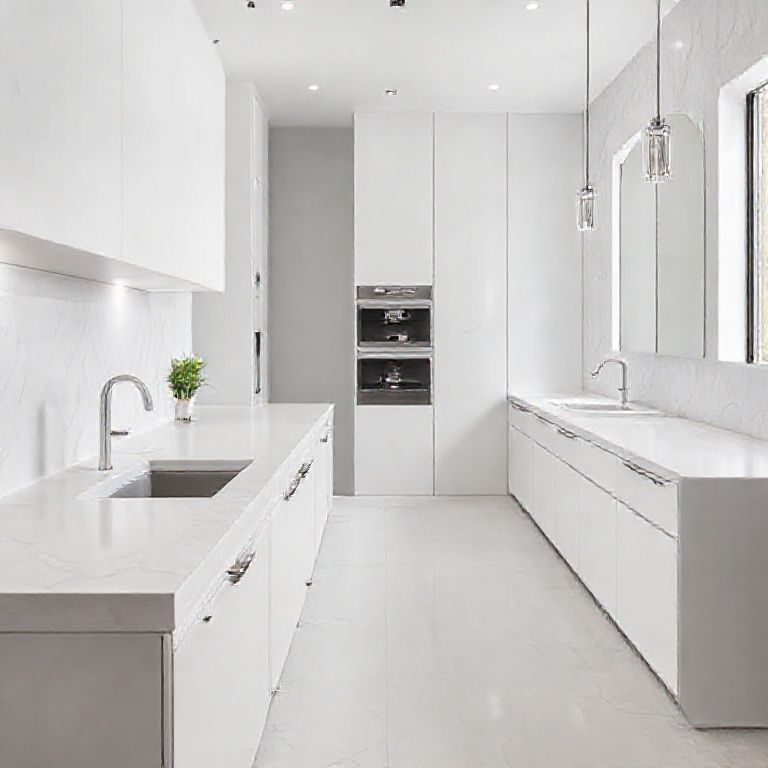
However, this engineered perfection does come with its own set of considerations. While quartz is heat resistant, it’s not entirely heat-proof. Prolonged exposure to very high temperatures, such as placing a hot pan directly from the stove onto the surface without a trivet, can cause the resin binders to discolor or even scorch. It’s a material that demands a degree of care when it comes to extreme heat. Additionally, the very hardness that makes quartz so durable can also mean it’s less forgiving of sharp impacts from very heavy objects. While chips are rare, they can occur if subjected to extreme force.
Moving on to the broader category of “engineered stone,” this often refers to materials made from crushed natural stone aggregates bound together with resin. These can offer a beautiful aesthetic, often resembling granite or marble, but with improved consistency and reduced porosity compared to their natural counterparts. The specific blend of stone and resin will influence its performance characteristics, but generally, they provide a good balance of durability and visual appeal. The manufacturing process allows for greater control over color and pattern, ensuring a more uniform look across large installations.
When considering artificial stone in general, one of its most compelling advantages is its consistency. Natural stone can be unpredictable; a beautiful slab you saw last week might be unavailable, or the colors and patterns might differ significantly from what you expect. Artificial stone, with its controlled manufacturing process, offers a level of predictability that can simplify the design and selection process. You can be confident that the countertop you choose will look precisely as intended.
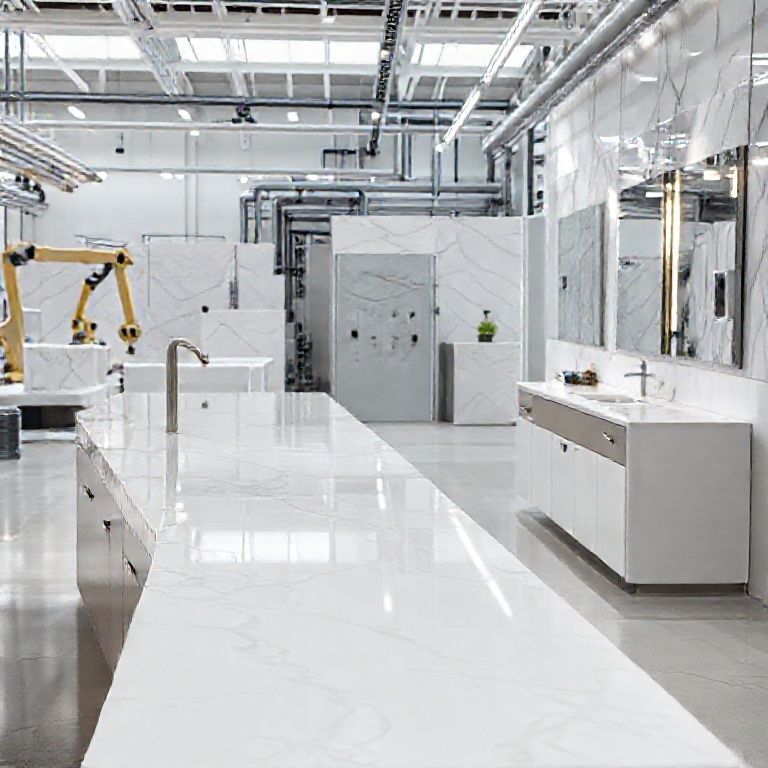
The maintenance of artificial stone, particularly quartz, is another strong selling point. Its non-porous surface means that spills of wine, coffee, or oil are unlikely to penetrate and leave permanent stains. A simple wipe with soap and water is often all that’s needed to keep it looking pristine. This low-maintenance aspect is highly appealing to busy households where time is a precious commodity. You won’t need to worry about special sealants or intricate cleaning routines.
However, it’s worth noting that the aesthetic of artificial stone, while diverse, can sometimes lack the unique, organic beauty and depth of natural stone. While designers have become incredibly adept at replicating these qualities, for some, the subtle variations and inherent imperfections of natural materials hold an irreplaceable charm. The feel and visual nuances of a truly unique granite or marble slab can be hard to replicate perfectly. Furthermore, while generally more affordable than high-end natural stones, premium artificial stones, especially those with intricate designs, can still represent a significant investment.
Now, let’s pivot to Corian, a name that has become almost synonymous with solid surface countertops. Developed by DuPont in the late 1960s, Corian is a brand of solid surface material that stands in a category of its own. Unlike engineered stone which uses a high percentage of natural stone aggregate, Corian is primarily composed of acrylic polymer and alumina trihydrate (ATH), a derivative of bauxite ore. This unique composition gives Corian its distinctive set of properties and benefits.
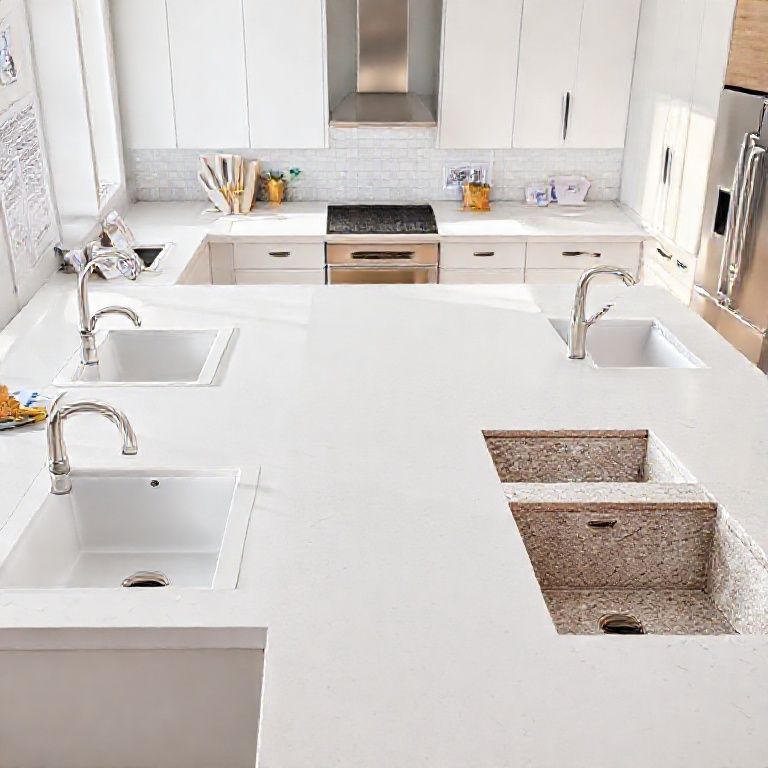
One of Corian’s most celebrated attributes is its seamlessness. Because it’s a solid material throughout, it can be fabricated and installed with virtually invisible seams. This is achieved through specialized adhesives that, when applied and cured, create a bond that is as strong as the material itself. This seamless construction has profound implications for both aesthetics and hygiene. In a kitchen, it means no more gunk collecting in the grout lines between countertop sections, creating a smooth, uninterrupted surface that is incredibly easy to clean. For bathrooms, this seamless quality can extend to integrated sinks and backsplashes, offering a sleek, modern, and incredibly hygienic design. Imagine a sink that flows seamlessly into the countertop, with no crevices for water or grime to accumulate. That’s the Corian advantage.
The non-porous nature of Corian is another significant benefit, mirroring that of quartz. This inherent property means it resists stains, mold, and mildew, making it an excellent choice for kitchens and bathrooms where moisture and spills are common. Cleaning is typically straightforward – a damp cloth and mild detergent are usually sufficient. Moreover, Corian is repairable. Minor scratches or burns can often be sanded out by a professional or even a skilled DIYer, restoring the surface to its original condition. This repairability adds to its longevity and can be a significant cost-saver over the lifespan of the countertop.
Aesthetically, Corian offers a vast palette of colors and patterns, from subtle neutrals and soft pastels to bold, vibrant hues and intricate speckles. The consistent color throughout the material means that even if it’s scratched, the underlying color is the same, making repairs less conspicuous. This consistency also allows for creative design possibilities, such as inlaying different colors or creating intricate designs that are “carved” into the surface.
However, Corian does have its vulnerabilities. While it’s durable, it is not as hard as quartz or natural stone. This means it is more susceptible to scratches from sharp objects and can be damaged by prolonged exposure to high heat. Placing hot pots and pans directly on a Corian surface is a definite no-no; trivets are essential. While minor scratches can be repaired, deeper gouges or burns can be more challenging to fix and might require professional intervention. The acrylic resin component, while providing its unique properties, also makes it more prone to surface damage from abrasion and heat compared to quartz.
The cost of Corian can also be a factor. While it often falls within a similar price range to mid-range granite or quartz, premium colors and intricate fabrication can increase the overall expense. Its installation typically requires specialized fabricators who are trained in working with solid surface materials, which can also contribute to the overall cost.
So, as we begin to digest the characteristics of these two popular choices, we see a landscape of impressive options, each with its own strengths and weaknesses. Artificial stone, particularly quartz, offers unparalleled hardness and stain resistance, coupled with immense aesthetic variety and low maintenance. Corian, on the other hand, shines with its seamless fabrication, inherent hygiene, repairability, and a distinctively smooth feel. The choice between them is not about one being definitively “better” than the other, but rather about which set of properties aligns best with your lifestyle, design aspirations, and practical needs.
Continuing our deep dive into the world of countertops, we now move from understanding the individual merits of artificial stone and Corian to a more comparative analysis. The “which is better” question is often less about an objective hierarchy and more about a subjective alignment of features with your specific needs. For artificial stone, and quartz in particular, the emphasis leans heavily towards resilience and an almost indestructible surface. Its composition, rich in quartz crystals, bestows it with a formidable hardness. This translates into an exceptional resistance to scratches, chips, and abrasions. For a busy family kitchen where knives might occasionally slip, or where heavy items are frequently moved, quartz offers a robust defense. The non-porous nature is also a significant hygiene advantage. Spills of juice, wine, or oil are met with a surface that doesn’t absorb, meaning a quick wipe is often all that’s needed to restore its pristine appearance. This ease of maintenance is a compelling factor for many homeowners seeking a countertop that requires minimal fuss.
The visual appeal of quartz is another area where it excels, particularly for those who appreciate consistency and a wide range of design options. The manufacturing process allows for precise control over color, pattern, and veining. Whether you’re dreaming of the dramatic swirls of marble, the speckled depth of granite, or a sleek, modern solid color, quartz can deliver. This predictability means that the sample you choose in the showroom is a faithful representation of the final product, eliminating the surprises that can sometimes accompany natural stone. The uniformity of quartz also makes it an excellent choice for large installations where a cohesive look is paramount. It can provide a continuous, sophisticated backdrop that unifies the entire space.
However, it’s important to acknowledge the limitations. While quartz is heat-resistant, it’s not entirely impervious to extreme temperatures. Placing very hot pots and pans directly onto the surface can, over time, cause discoloration or even scorch the resin binders. Using trivets is therefore a non-negotiable practice for maintaining the beauty of a quartz countertop. While chips are infrequent due to its hardness, they can occur with a sharp, forceful impact. Repairing a chip in quartz can be more complex than addressing surface scratches, often requiring specialized fillers and professional attention.
Corian, on the other hand, offers a different set of advantages, primarily centered around its unique solid surface construction and its inherent ability to be seamlessly fabricated. The acrylic resin and mineral filler composition means that Corian is not just a surface layer; it’s the same material all the way through. This is what enables those coveted seamless installations. Imagine a kitchen island with an integrated sink, where the countertop and sink appear as one continuous piece. This not only creates a sleek, modern aesthetic but also eliminates grout lines and crevices where dirt and bacteria can accumulate, making it exceptionally hygienic and easy to clean. The lack of seams also means a reduced risk of leaks, a practical benefit in busy kitchens and bathrooms.
The non-porous nature of Corian is a significant advantage, similar to quartz. It actively resists stains, mold, and mildew, contributing to a cleaner and healthier living environment. For households with young children or those who entertain frequently, this stain resistance and ease of cleaning are invaluable. Furthermore, Corian possesses a unique reparability. Minor scratches, scuffs, or even burns can often be sanded out, restoring the surface to its original flawless condition. This ability to be “refreshed” can extend the lifespan of the countertop and potentially save on replacement costs down the line.
When it comes to aesthetics, Corian offers a vast spectrum of colors and patterns, from muted, natural tones to vibrant, avant-garde hues. The consistency of color throughout the material means that any repairs are less likely to be visually jarring. It also lends itself well to creative design applications, such as inlaid designs or sculpted elements, offering a level of design flexibility that some other materials might not match. The tactile quality of Corian is also often noted; it has a slightly warmer, softer feel than stone or quartz, which can contribute to a more welcoming atmosphere.
However, Corian’s softness also represents its primary vulnerability. It is more susceptible to scratching than quartz or natural stone. While it can be repaired, it’s crucial to be mindful of sharp objects and abrasive cleaners. Similarly, its resistance to heat is lower than that of quartz. Direct contact with hot cookware can cause damage, making trivets and hot pads essential accessories. The repairability, while a significant benefit, does require specialized knowledge and tools, so while minor DIY repairs might be possible, larger issues would likely necessitate a professional.
When weighing the decision, consider your priorities. If unparalleled scratch and heat resistance are paramount, and you value the consistent, predictable beauty of engineered stone, then quartz might be your ideal choice. It’s a material built for resilience and a “set it and forget it” approach to maintenance, with the caveat of mindful heat management. If seamless design, integrated sinks, and the ability to repair surface damage are higher on your list, and you’re willing to be diligent about protecting the surface from scratches and high heat, then Corian presents a compelling, stylish, and hygienic solution.
The cost factor also plays a role. Generally, both artificial stone and Corian fall within a similar mid-range price bracket, often more accessible than premium natural stones like marble or high-grade granite. However, the final cost will depend on the specific brand, color, complexity of the fabrication (e.g., edge profiles, integrated sinks), and installation. It’s always wise to obtain detailed quotes from reputable fabricators for both materials to get an accurate picture of the investment required.
Ultimately, the choice between artificial stone and Corian is a personal one, deeply intertwined with your lifestyle and aesthetic preferences. Both offer modern, durable, and attractive solutions for kitchen and bathroom countertops. Artificial stone, particularly quartz, emphasizes robustness and low-maintenance resilience, making it a strong contender for high-traffic areas where durability is key. Corian, with its seamless capabilities and repairability, offers a distinct advantage in terms of hygiene and design fluidity, ideal for those seeking a sleek, integrated look and the peace of mind that comes with a repairable surface. By understanding their unique characteristics – the hardness of quartz versus the seamlessness of Corian, their respective strengths in heat and scratch resistance, and their aesthetic nuances – you can confidently select the countertop that will not only elevate your home’s design but also serve you faithfully for years to come.









