
The heart of any home often beats strongest in the kitchen. It’s where culinary creations come to life, where conversations flow over morning coffee, and where memories are forged around shared meals. And at the center of this vibrant hub lies the countertop – a surface that’s not just about aesthetics, but also about enduring the daily demands of a busy household. For many homeowners embarking on renovations or building their dream homes, the choice of countertop material can feel like a significant crossroads. Two popular contenders, each with its own distinct allure and practicalities, frequently find themselves at the forefront of this discussion: Corian and Quartzite. But what exactly sets these two materials apart, and how do you navigate the decision to choose the one that’s right for you? Let’s dive into the fascinating world of kitchen surfaces and explore the unique narratives that Corian and Quartzite bring to the table.

Corian, a brand name that has become almost synonymous with solid surface countertops, emerged in the late 1960s as a revolutionary material. Developed by DuPont, it’s an engineered composite, primarily composed of acrylic polymer and alumina trihydrate (a derivative of bauxite ore). This unique blend gives Corian its signature characteristics: a non-porous, seamless, and remarkably versatile surface. When we talk about Corian, we’re often talking about a world of possibilities. Its fabrication allows for seamless integration of sinks and backsplashes, creating a sleek, uninterrupted look that’s incredibly hygienic. Think of it as a blank canvas, ready to be molded and shaped to fit your exact design vision. This inherent malleability is one of Corian’s strongest selling points. It can be thermoformed into curves, allowing for truly custom designs that might be impossible with other materials. The color palette available for Corian is also exceptionally broad, ranging from subtle, earthy tones that mimic natural stone to bold, vibrant hues that make a striking design statement. Whether you’re aiming for a minimalist aesthetic or a playful pop of color, Corian offers an impressive spectrum to choose from.
Beyond its design flexibility, Corian boasts excellent hygiene properties. Because it is non-porous, it doesn’t absorb liquids, which means it’s resistant to stains from common kitchen culprits like wine, coffee, and oil. This also makes it inherently resistant to the growth of mold and mildew, a significant advantage in a kitchen environment. For families with young children or anyone concerned about cleanliness, this is a compelling benefit. Cleaning Corian is generally straightforward; a damp cloth and mild detergent are usually sufficient for everyday spills. For more stubborn marks, a non-abrasive cleaner can often do the trick. Furthermore, Corian is repairable. Minor scratches or chips can often be buffed out or repaired by a professional, extending the lifespan and maintaining the pristine appearance of your countertops. This ability to be restored to its original condition is a testament to its robust composition.
However, like any material, Corian has its considerations. While it’s durable, it’s not impervious to damage. Its acrylic component means it can be susceptible to scratching if subjected to sharp knives or abrasive cleaning pads. High heat can also be a concern; prolonged exposure to very hot pots and pans directly from the stove or oven can cause discoloration or even damage. Therefore, using trivets and cutting boards is a must when working with Corian. The cost of Corian can also vary, but it generally falls into a mid-to-high price range, especially for custom designs or intricate installations. It’s an investment, but one that offers a unique blend of style and practicality. The seamless nature, while aesthetically pleasing, also means that any repairs, though possible, are often best left to certified professionals to ensure the integrity and appearance of the surface.
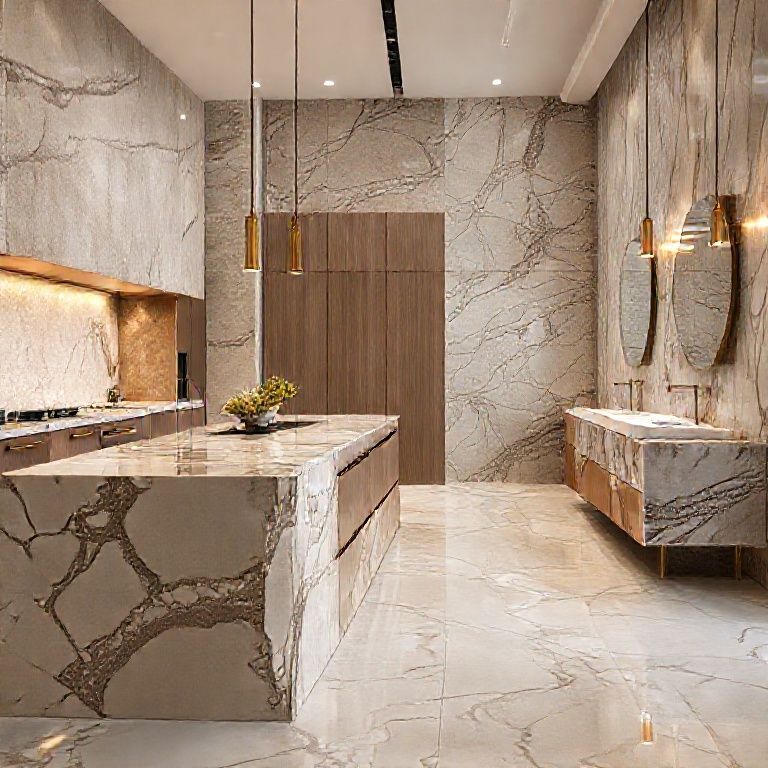
On the other side of the countertop coin sits Quartzite. Unlike Corian, which is an engineered composite, Quartzite is a natural stone. It’s formed when sandstone is subjected to intense heat and pressure deep within the Earth’s crust. This metamorphic process transforms the original quartz grains into a dense, crystalline structure, making it one of the hardest and most durable natural stones available. When you choose Quartzite, you are selecting a piece of geological artistry, a unique creation shaped by millions of years of natural forces. Each slab of Quartzite is one-of-a-kind, showcasing intricate veining, stunning color variations, and a natural beauty that’s difficult to replicate. The appearance can range from pure white with subtle grey veining to dramatic swirls of gold, red, and brown, offering a luxurious and sophisticated look to any kitchen.
The primary allure of Quartzite lies in its exceptional durability and resilience. It ranks very high on the Mohs scale of hardness, making it significantly more resistant to scratching and etching than granite, marble, or even many quartz composite materials. This means you can often chop directly on a Quartzite surface without fear of causing damage (though a cutting board is still advisable for the longevity of your knives and the stone). Its heat resistance is also noteworthy; while extreme and prolonged heat can still pose a risk, it’s generally more forgiving than other natural stones when it comes to hot pans. This natural strength translates to a countertop that can withstand the rigors of everyday kitchen life with remarkable grace.
Furthermore, many Quartzite varieties are naturally non-porous, or can be sealed to become effectively non-porous. This makes them stain-resistant, similar to Corian, and therefore hygienic. When sealed properly, they offer excellent protection against spills, preventing liquids from seeping into the stone and causing discoloration or damage. The maintenance of sealed Quartzite is also relatively straightforward. Regular cleaning with a mild soap and water is usually sufficient, and prompt wiping of spills is always recommended to maintain its pristine condition. The natural beauty and inherent toughness of Quartzite often position it as a premium choice, offering an unparalleled sense of elegance and permanence to a kitchen. It’s a material that speaks of timeless style and enduring quality.
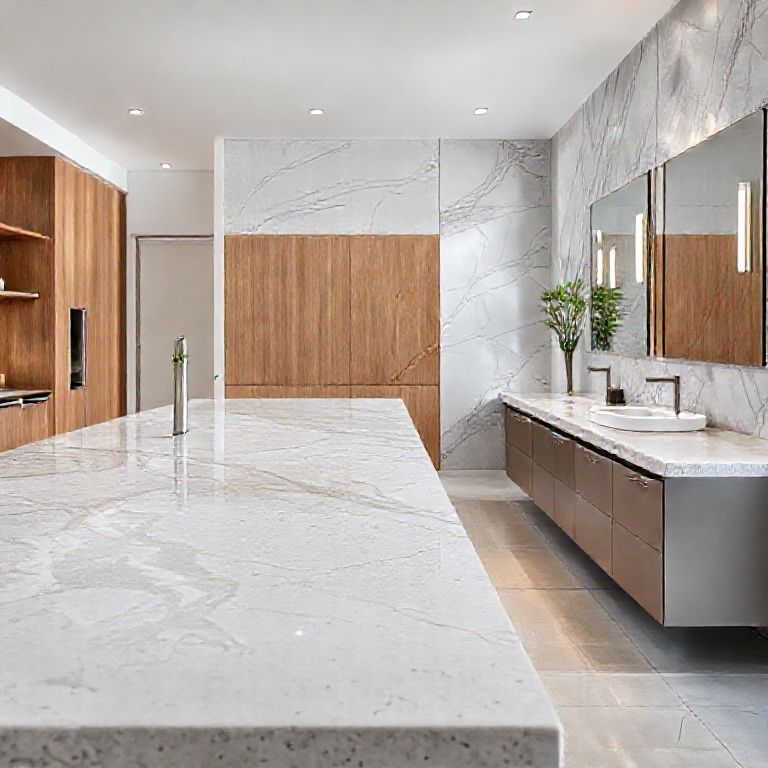
However, the very nature of Quartzite as a natural stone means that its availability and consistency can be a factor. Because each slab is unique, it’s crucial to view and select your specific slab in person. What you see in a showroom sample might not perfectly represent the full slab you’ll receive. Variations in color, veining, and pattern are to be expected and are part of its natural charm, but it requires a homeowner who appreciates this inherent uniqueness. The price point for Quartzite is typically at the higher end of the countertop market, often comparable to or exceeding high-end granite or quartz. Its rarity and the demanding extraction and fabrication processes contribute to its cost. Installation also requires skilled professionals who understand how to handle and fit natural stone slabs, ensuring proper support and finishing. While its durability is a major draw, like all natural stones, it can still be susceptible to chipping or cracking if subjected to a sharp, direct impact, particularly on edges.
The decision between Corian and Quartzite isn’t merely about selecting a surface; it’s about aligning your lifestyle, design aspirations, and practical needs with the unique attributes of each material. As we’ve explored, Corian offers a world of design freedom with its seamless integration and vast color possibilities, coupled with excellent hygiene and repairability. Quartzite, on the other hand, presents the raw, untamed beauty of natural stone, boasting exceptional hardness, heat resistance, and a unique, one-of-a-kind aesthetic. Let’s delve deeper into how these characteristics translate into everyday use and help you visualize which material might best grace your kitchen.
Consider the aesthetics. If your vision for your kitchen involves a desire for sleek, minimalist lines and an almost monolithic appearance, Corian often excels. The ability to integrate sinks and backsplashes seamlessly eliminates grout lines and joints, creating a fluid, continuous surface that’s visually striking. This is particularly appealing in modern and contemporary kitchen designs. Imagine a waterfall edge that flows uninterrupted down the side of an island, or a precisely matched backsplash that makes the entire countertop appear as one sculpted piece. Furthermore, the sheer breadth of color options in Corian means you can achieve virtually any look imaginable. From a pure, crisp white that brightens a space to a deep, dramatic black that adds sophistication, or even vibrant, custom hues for a truly personalized statement, Corian is a designer’s playground. It can mimic the look of other materials, such as stone or concrete, but with the added benefits of its own unique properties. This versatility makes it an excellent choice for homeowners who want a specific look that might be challenging or prohibitively expensive to achieve with natural materials. The ability to have a consistent color and pattern across a large surface area without the natural variations found in stone can be a significant advantage for those who prefer a more controlled aesthetic.
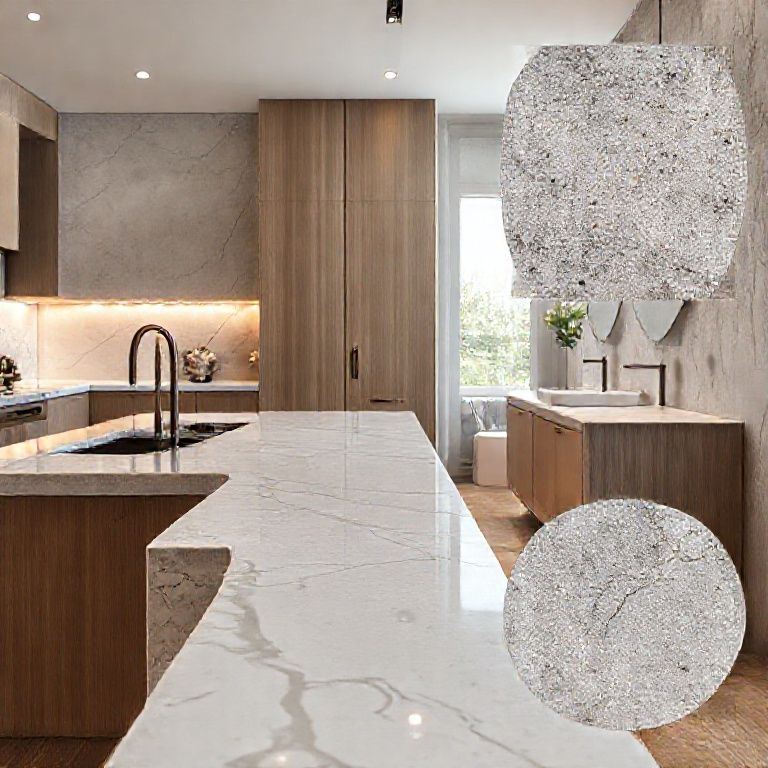
Quartzite, in contrast, offers a different kind of beauty – one that is inherently natural and irreplaceable. The subtle shifts in color, the intricate veining, and the natural crystalline patterns found in Quartzite slabs are a testament to the earth’s artistry. Each slab is a masterpiece, and when you choose Quartzite, you are bringing a unique piece of natural history into your home. This can range from the delicate, almost ethereal look of Calacatta-style Quartzite with its soft grey veins against a white background, to the bold, dramatic statements of slabs with rich, earthy tones and complex patterns. For those who appreciate the organic, the luxurious, and the truly singular, Quartzite delivers an unparalleled visual impact. The depth and dimension that natural stone offers can add a layer of warmth and character to a kitchen that engineered materials sometimes struggle to replicate. It’s a choice that speaks of timeless elegance and a connection to the natural world.
Now, let’s talk about performance and practicality, which are paramount in a kitchen setting. Durability is often a key deciding factor. Quartzite, being one of the hardest natural stones, generally boasts superior resistance to scratches and etching compared to most other countertop materials, including granite. This makes it a forgiving choice for active kitchens where knives might be used on the surface (though again, a cutting board is still recommended for blade longevity) and where acidic substances like lemon juice or vinegar might be accidentally spilled. Its heat resistance is also a significant advantage, allowing for the placement of warm dishes directly from the oven, though the use of trivets is always a wise precaution to prevent thermal shock. The non-porous nature of well-sealed Quartzite means it’s highly resistant to stains, making cleanup of everyday spills a breeze.
Corian, while durable, has a different kind of resilience. Its strength lies in its composite nature. While it can scratch under heavy use, these scratches are often repairable, meaning the surface can be restored to its original condition. This is a significant advantage for homeowners who might be less concerned about minor wear and tear, knowing that the material can be revitalized. Corian’s non-porous composition also makes it inherently stain-resistant and hygienic, without the need for sealing (though some finishes might benefit from it). The seamless installation is another practical benefit, eliminating those hard-to-clean grout lines that can harbor bacteria and grime. However, as mentioned, Corian is more susceptible to damage from high heat and harsh abrasives than Quartzite. Care must be taken to avoid placing hot pots directly on the surface, and only non-abrasive cleaning agents should be used.
Maintenance is another crucial aspect. For Corian, daily cleaning is usually a simple wipe-down with a damp cloth and mild soap. For tougher stains, a non-abrasive cleaner can be used. The repairability of Corian means that minor damage can often be fixed by a professional, extending the material’s lifespan and maintaining its aesthetic appeal. This can translate to lower long-term maintenance costs if minor issues arise.
Quartzite, when properly sealed, also requires relatively simple maintenance. Regular cleaning with mild soap and water is typically sufficient. Promptly wiping up spills is important to prevent potential staining, especially on lighter-colored or more porous varieties. The key to maintaining Quartzite’s beauty is ensuring it remains adequately sealed. Depending on the specific type of Quartzite and its usage, resealing might be necessary periodically, perhaps every one to two years, to maintain its stain and water resistance. While this is an extra step, it’s not overly burdensome and ensures the stone’s longevity and performance.
Cost is invariably a factor in any renovation decision. Corian can range in price, but it generally sits in the mid-to-high tier of countertop materials. The price is influenced by the color, complexity of the design, and the fabrication process, with custom shapes and integrated sinks adding to the cost. It offers a good balance of aesthetic appeal and functionality at a competitive price point, especially when considering its design flexibility and repairability.
Quartzite, being a natural stone that is both beautiful and incredibly hard, typically occupies the higher end of the pricing spectrum. Its cost is comparable to or can exceed that of high-quality granite or engineered quartz. The price is influenced by the rarity of the particular slab, the complexity of its veining and color patterns, and the overall demand for it. While it represents a significant investment, many homeowners see it as a worthwhile one due to its exceptional durability and timeless natural beauty, which can add considerable value to a home.
In conclusion, the choice between Corian and Quartzite boils down to prioritizing your needs and preferences. If seamless design, a vast array of colors, and repairability are at the top of your list, and you’re comfortable with the necessary heat and scratch precautions, Corian offers a sophisticated and highly adaptable solution. It’s a material that can be molded to fit any aesthetic and lifestyle, offering a clean, modern, and hygienic surface.
If, however, you are drawn to the unparalleled, unique beauty of natural stone, crave exceptional hardness and durability, and are prepared for the investment in a premium material, Quartzite is a truly magnificent choice. Its resistance to wear and tear, coupled with its inherent elegance, makes it a statement piece that will likely stand the test of time, evolving gracefully with your home. Both materials offer compelling advantages, and by understanding their nuances, you can confidently select the countertop that will truly elevate your kitchen from a functional space to the heart of your home.









