
Embarking on a kitchen renovation or building a new culinary haven is an exciting endeavor, often marked by the thrill of choosing every detail, from the perfect cabinet hardware to the ideal flooring. Yet, perhaps no decision carries as much visual and functional weight as selecting your countertops. They are the workhorses of the kitchen, bearing witness to countless chopping sessions, hurried breakfasts, and elaborate dinner parties. Amidst the dazzling array of options, two contenders frequently emerge, sparking a lively debate: Corian and quartzite. Both offer compelling advantages, but their fundamental natures and performance characteristics diverge significantly. Understanding these differences is key to unlocking the perfect countertop for your lifestyle and aesthetic aspirations.

Let’s begin by unraveling the nature of Corian. Often referred to as a solid surface material, Corian is actually a brand name owned by DuPont, though the term has become somewhat synonymous with this category of countertop. Corian is a composite material, meticulously engineered from a blend of acrylic polymer and alumina trihydrate (ATH), derived from bauxite ore. This sophisticated fusion results in a non-porous, homogeneous surface that is consistent all the way through. Imagine a luxurious cake; every slice reveals the same rich texture and flavor. That’s the essence of Corian. This inherent uniformity is one of its most celebrated attributes.
One of the primary benefits of Corian’s non-porous nature is its remarkable resistance to stains. Spills from red wine, coffee, or olive oil, common culprits in any active kitchen, tend to bead up on the surface rather than seeping in. This makes cleanup incredibly straightforward. A simple wipe with a damp cloth and mild detergent is often all that’s needed to restore its pristine appearance. This also translates to superior hygiene. Because bacteria and mold have nowhere to penetrate, Corian surfaces are inherently sanitary, a significant consideration for any home, especially those with young children or individuals with compromised immune systems.
Beyond its practical advantages, Corian boasts an impressive versatility in design. It is available in an astonishing spectrum of colors and patterns, ranging from solid, vibrant hues to sophisticated marbled and granite-like appearances. This vast palette allows for unparalleled customization, enabling designers and homeowners to perfectly match their vision, whether it’s a sleek, minimalist aesthetic or a bold, statement-making design. Furthermore, Corian’s unique composition allows it to be thermoformed. This means it can be heated and molded into curved shapes and intricate designs, opening up a world of creative possibilities that are simply not achievable with more rigid materials. Think seamless sinks integrated directly into the countertop, custom-designed backsplashes, or even flowing, organic forms that defy traditional straight lines. This ability to create a truly bespoke look is a significant draw for those seeking a kitchen that is as unique as they are.
Another advantage of Corian is its repairability. Minor scratches or chips, common wear and tear in a high-traffic kitchen, can often be buffed out or repaired by a professional, sometimes even by a DIY enthusiast with the right tools and techniques. This means that over time, Corian can maintain its beautiful appearance with proper care, extending its lifespan and ensuring it remains a captivating feature of your kitchen for years to come. The seamless nature of Corian installations also contributes to its appeal. Seams are virtually invisible, creating a fluid, uninterrupted surface that enhances both the aesthetic and the hygiene of the kitchen. This is a stark contrast to materials like granite or quartz, where seams can sometimes be noticeable, disrupting the visual flow.
However, it’s important to acknowledge Corian’s limitations. While it is durable, it is not impervious to damage. Its softer composition, which allows for its flexibility and repairability, also makes it more susceptible to scratches and heat damage compared to harder materials like quartzite. While everyday cooking temperatures are generally not an issue, placing hot pots or pans directly from the stove or oven onto a Corian surface can lead to scorching or discoloration. The use of trivets and cutting boards is, therefore, essential for maintaining its integrity. Similarly, while stain-resistant, prolonged exposure to certain harsh chemicals or abrasive cleaners can potentially dull its finish or cause damage. Gentle, non-abrasive cleaning methods are always recommended.
The cost of Corian can also be a factor. While it generally falls within a mid-range price point, its cost can vary significantly depending on the color, pattern, and complexity of the design. Intricate thermoforming or integrated sink designs will naturally incur higher fabrication costs. Despite these considerations, for many, the combination of its seamless design, extensive color options, hygienic properties, and repairability makes Corian a highly attractive and practical choice for a modern kitchen. It offers a sophisticated blend of form and function, capable of transforming a utilitarian space into a true culinary sanctuary.
Now, let’s turn our attention to the dazzling world of quartzite. Unlike Corian, which is an engineered solid surface, quartzite is a natural stone. It is formed deep within the earth, a metamorphic rock that originates from sandstone. Under immense heat and pressure over millions of years, sandstone undergoes a transformation, recrystallizing into a dense, crystalline structure. This natural process results in a material of exceptional hardness and beauty, prized for its unique veining, color variations, and inherent strength.
The most significant advantage of quartzite, and arguably its defining characteristic, is its extraordinary durability. It ranks high on the Mohs scale of mineral hardness, often comparable to or even exceeding granite. This translates to a surface that is highly resistant to scratches, chips, and abrasion. You can chop directly on a quartzite countertop (though a cutting board is still a wise investment to preserve your knives and the countertop’s pristine edge), and it can withstand the rigors of a busy kitchen without showing significant signs of wear and tear. This inherent toughness makes it an excellent choice for homeowners who demand a countertop that can truly stand the test of time and active use.
Furthermore, quartzite is renowned for its heat resistance. While no stone is completely impervious to extreme heat, quartzite can generally tolerate higher temperatures than many other countertop materials, including Corian and even most granites. This means that placing a hot pan on the surface, while still not ideal for long-term preservation, is far less likely to cause damage than it would with other materials. However, as with all natural stones, it is always best practice to use trivets and hot pads to protect your investment and ensure its longevity.
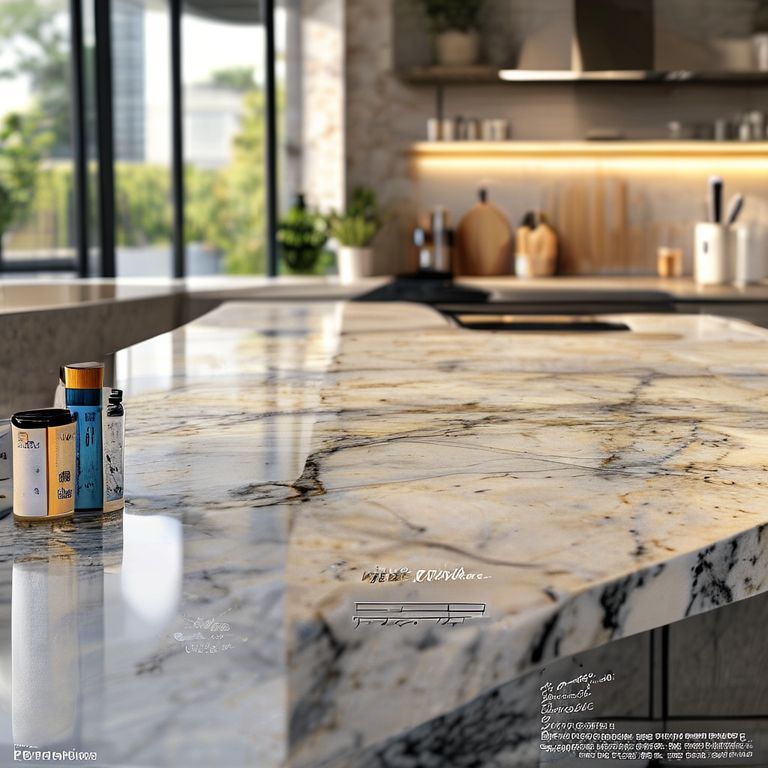
Aesthetically, quartzite offers a natural beauty that is difficult to replicate. Each slab is a unique work of art, shaped by the geological forces that created it. You’ll find a stunning array of colors, from pristine whites and soft creams to deep grays, rich blues, and earthy browns. The veining patterns can range from subtle and delicate to bold and dramatic, often mimicking the appearance of marble but with significantly superior durability. This natural variation ensures that no two quartzite countertops are exactly alike, providing a truly bespoke and elegant focal point for your kitchen. For those who appreciate the organic beauty of natural materials, quartzite offers an unparalleled aesthetic appeal.
The non-porous nature of high-quality quartzite is another significant advantage, particularly after proper sealing. While natural quartzite is generally less porous than marble, it can still benefit from sealing to further enhance its stain resistance. Once sealed, it becomes highly resistant to absorbing liquids, making it a practical choice for kitchens where spills are frequent. This combination of hardness and stain resistance makes it a formidable opponent against the common kitchen mishaps.
However, the natural origin of quartzite also presents some unique considerations. Because it is a natural stone, variations in color, veining, and pattern are inherent. While this is part of its charm, it also means that the samples you see in a showroom might not perfectly match the slab you select for your kitchen. It’s crucial to view and approve the specific slabs that will be used for your project to ensure you are happy with the final appearance.
Moreover, the sourcing and fabrication of quartzite can influence its price. As a highly sought-after natural stone, quartzite can be one of the more expensive countertop options available. The rarity of certain colors and the complexity of quarrying and cutting can contribute to higher costs. Installation also requires skilled professionals due to the stone’s weight and hardness.
The availability of quartzite can also be a factor. While widely available, certain colors or patterns may be more difficult to source, potentially leading to longer lead times for your renovation project. And while highly durable, it’s not entirely invincible. While resistant to most daily wear, extremely heavy impacts or very sharp objects dropped from a significant height could potentially cause chipping or cracking, though this is less common than with softer materials.
Ultimately, the choice between Corian and quartzite hinges on a careful evaluation of your priorities. Corian offers unparalleled design flexibility, seamless integration, and ease of maintenance, making it ideal for those who prioritize customization and a modern, clean aesthetic. Quartzite, on the other hand, champions natural beauty and robust durability, a perfect fit for busy kitchens where resilience and the timeless appeal of natural stone are paramount.
Continuing our exploration of the countertop conundrum, let’s delve deeper into the practical considerations that often sway the decision-making process between Corian and quartzite. Beyond the initial aesthetic appeal and inherent material properties, factors such as maintenance, cost, and long-term value play a pivotal role in ensuring your chosen countertop becomes a source of joy rather than regret.
When it comes to maintenance, both Corian and quartzite present distinct advantages, though the specifics of their care routines differ. As previously mentioned, Corian’s non-porous nature means it’s highly resistant to staining and naturally inhibits the growth of bacteria and mold. This translates to a very low-maintenance surface for everyday use. A simple wipe-down with a damp cloth and a mild, non-abrasive cleaner is usually sufficient to keep it looking immaculate. For tougher spots, a paste of baking soda and water can often work wonders. The key with Corian is to avoid harsh chemicals, abrasive scrubbers, and prolonged exposure to extreme heat. If minor scratches do appear, they can often be buffed out with a fine-grit sandpaper or a specialized Corian polishing compound, a testament to its repairable nature. This ease of superficial repair can be a significant selling point for those who worry about maintaining the pristine look of their kitchen surfaces over time. The seamless integration of Corian sinks, for instance, means there are no crevices or grout lines where grime can accumulate, further simplifying the cleaning process and contributing to a more hygienic environment.
Quartzite, while also offering excellent stain resistance when properly sealed, requires a slightly different approach. The initial sealing process is crucial, and periodic resealing, typically every one to two years depending on usage and the type of sealant used, is recommended to maintain its optimal performance. This resealing process is generally straightforward and can often be done by the homeowner, but it’s an added step in the maintenance routine that Corian doesn’t require. Daily cleaning of quartzite is similar to Corian: a soft cloth with mild soap and water is ideal. However, due to its natural stone composition, it’s advisable to avoid acidic cleaners (like vinegar or lemon juice) and harsh chemicals that could etch or damage the sealant over time. While quartzite is incredibly hard, it’s still wise to use cutting boards to protect the surface from knife marks and trivets to shield it from extreme heat, as with any countertop material. The beauty of quartzite is that even if minor surface issues occur, such as slight dulling of the sealant, they can often be addressed with professional refinishing, restoring its luster.
The cost factor is often a significant determinant in countertop selection, and here, the two materials present a broad spectrum. Corian typically falls into the mid-range price category. Its cost can vary depending on the complexity of the fabrication, the chosen color and pattern (more intricate patterns and custom colors often command a higher price), and whether integrated features like sinks are included. However, generally speaking, you can expect to invest in Corian with a good understanding of its price bracket, which is often more accessible than high-end natural stones. Its ease of fabrication and widespread availability contribute to its competitive pricing.
Quartzite, on the other hand, can range from mid-to-high-end pricing, and sometimes even into the luxury category, depending on the specific type of quartzite, its origin, and its rarity. Popular and readily available white and grey quartzes are often priced more competitively, while exotic colors with intricate veining can significantly increase the cost. The process of quarrying and fabricating natural stone is inherently more labor-intensive and can contribute to its higher price point. Installation costs for quartzite are also typically higher due to the weight and hardness of the material, requiring specialized tools and expertise. Therefore, while the initial investment for quartzite might be higher, its exceptional durability and timeless appeal can offer excellent long-term value.
When considering the long-term value and investment in your home, both Corian and quartzite have their merits. Corian is a well-established brand with a reputation for quality and innovation. Its seamless designs and customizable options can add significant modern appeal and functionality to a kitchen, which can be a draw for potential buyers. The ease of maintenance and repair also contributes to its long-term desirability. A well-maintained Corian countertop can retain its aesthetic appeal and functionality for many years, offering a reliable and attractive surface.
Quartzite, being a natural stone, possesses an inherent timelessness and luxury that is always in demand. Its unique beauty and exceptional durability translate into a statement of quality and sophistication. For many, the idea of owning a countertop that is a natural work of art, forged by geological forces, adds a layer of perceived value and prestige. The robust nature of quartzite means it’s less likely to suffer damage from daily use, ensuring it remains a beautiful and functional centerpiece of the kitchen for decades. This inherent resilience and natural elegance can contribute to a higher return on investment when it comes to home resale value, as buyers often equate natural stone with quality and durability.
Let’s touch upon the environmental impact, a growing consideration for many homeowners. Corian is an engineered product, and its manufacturing process involves the use of chemicals and energy. However, DuPont has made efforts to develop more sustainable manufacturing practices, and the longevity and repairability of Corian can be seen as contributing to a reduced lifecycle impact compared to materials that require frequent replacement. It’s also important to note that many solid surface materials, including Corian, can be recycled or repurposed at the end of their life.
Quartzite, as a natural stone, has an environmental footprint associated with its extraction and transportation. Quarrying processes can have localized environmental impacts, and the energy required for transportation from remote quarries to fabrication centers and then to your home is a factor. However, the inherent durability and longevity of quartzite mean that it rarely needs to be replaced, which can offset some of the initial environmental costs over its very long lifespan. When choosing quartzite, looking for suppliers who prioritize sustainable quarrying practices can be a way to mitigate some of these concerns.
In summary, the choice between Corian and quartzite is a deeply personal one, dictated by your specific needs, preferences, and priorities. If your heart sings for unparalleled design freedom, seamless integration, and a low-fuss cleaning routine, Corian might be your perfect match. Its ability to be molded into virtually any shape, its vast color palette, and its repairability make it a chameleon of countertop materials, capable of adapting to any kitchen vision. It’s a material that prioritizes form and function in equal measure, offering a modern and sophisticated solution.
Conversely, if you are drawn to the inimitable beauty of natural stone, demand uncompromising durability, and desire a countertop that will stand the test of time and heavy use, then quartzite is likely to capture your admiration. Its natural elegance, exceptional hardness, and heat resistance make it a powerhouse in the kitchen, a material that exudes luxury and resilience. It’s a choice that speaks to a desire for timeless quality and a connection to the earth’s artistry.
Ultimately, both Corian and quartzite are excellent choices for kitchen countertops, each offering a unique set of benefits. The “better” option is not an objective truth but a subjective conclusion that emerges from a thoughtful assessment of what you value most in your kitchen. Whether you prioritize the boundless creative potential of a solid surface or the majestic, enduring strength of natural stone, your countertop will undoubtedly become a cherished feature of your home, a surface that invites culinary exploration and lifelong memories. Taking the time to understand these distinctions will empower you to make a decision that you will be delighted with for years to come, transforming your kitchen into the functional and beautiful space you’ve always dreamed of.









