
The heart of any home often beats strongest in the kitchen. It’s where culinary creations come to life, where families gather, and where memories are made over steaming mugs of coffee and shared meals. And at the center of this vibrant hub, silently witnessing it all, are the countertops. They are the workhorses, the style setters, and a significant investment. In the ever-evolving landscape of kitchen design, two materials frequently rise to the top of the conversation: artificial stone (often referring to engineered quartz) and Corian (a brand of solid surface). But when faced with the choice, which one truly shines? Let’s embark on a journey to demystify these popular contenders, exploring their unique characteristics, performance, and aesthetic appeal.

The term “artificial stone” is a broad umbrella, but in the context of kitchen countertops, it most commonly refers to engineered quartz. This isn’t your grandmother’s laminate; engineered quartz is a marvel of modern material science. It’s a composite material created by mixing approximately 90-95% crushed natural quartz crystals with about 5-10% polymer resins and pigments. This meticulous blend is then subjected to intense heat and pressure, a process known as vibrocompression, which fuses the components into a non-porous, incredibly durable slab. The result is a material that boasts the beauty of natural stone but with a host of enhanced properties.
One of the most celebrated attributes of engineered quartz is its unparalleled durability. Quartz is one of the hardest minerals on Earth, second only to diamond. This inherent strength translates directly into countertops that are remarkably resistant to scratches, chips, and cracks. Spills, dropped utensils, and the daily grind of kitchen life are unlikely to leave a lasting mark. Furthermore, the non-porous nature of engineered quartz is a significant advantage. Unlike natural stones like granite or marble, which can absorb liquids and stains if not properly sealed, quartz is inherently impermeable. This means wine, coffee, oil, and acidic foods are no match for its surface. The risk of bacterial growth is also significantly reduced, making it a hygienic choice for food preparation areas.
Aesthetically, engineered quartz offers an almost limitless palette. The manufacturing process allows for incredible control over color and pattern. You can find quartz that flawlessly mimics the veining of Calacatta marble, the rich depth of granite, or the subtle elegance of concrete. Beyond natural stone imitations, quartz is available in a vast array of solid colors, from crisp whites and deep blacks to vibrant blues and soft pastels. This versatility makes it an adaptable choice for a wide range of design styles, whether you’re aiming for a modern minimalist kitchen, a classic farmhouse look, or a boldly contemporary space. The consistency of engineered quartz is another point of appeal. Unlike natural stone, where each slab can have unique variations, quartz slabs are manufactured to be uniform, ensuring that the countertop you see in the showroom is precisely what you’ll get in your kitchen. This predictability is a boon for designers and homeowners who have a specific vision in mind.
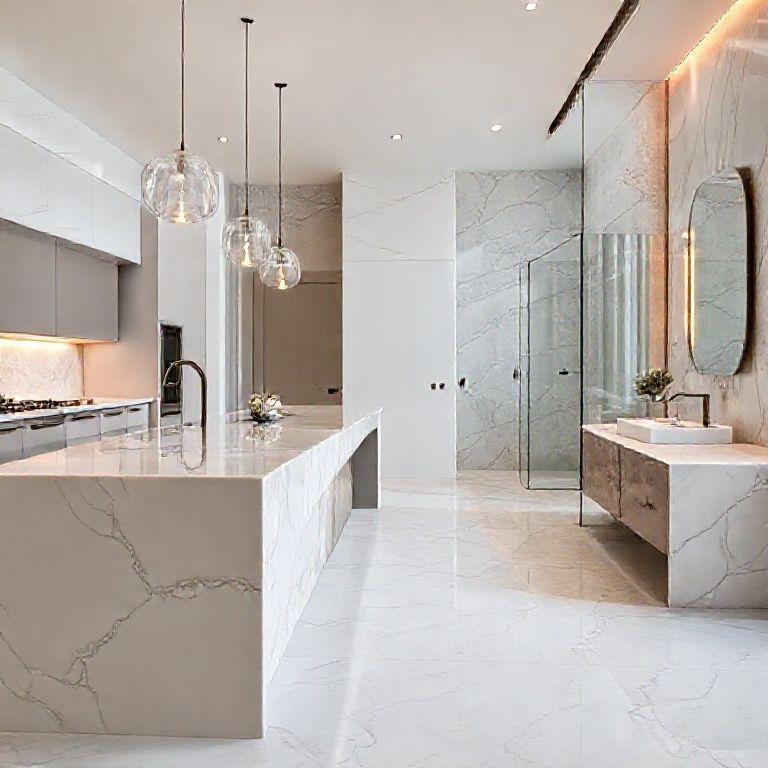
Maintenance is another area where engineered quartz truly excels. Because it’s non-porous and extremely hard, cleaning is a breeze. A simple wipe-down with a damp cloth and mild soap is usually sufficient to keep it looking pristine. There’s no need for specialized sealants or harsh chemical cleaners. Its resistance to heat is also impressive, though it’s always advisable to use trivets for extremely hot pots and pans to prevent potential thermal shock or discoloration over prolonged exposure. The resins, while durable, can be susceptible to very high, concentrated heat. However, for everyday cooking activities, engineered quartz holds up exceptionally well.
The “artificial” aspect of engineered quartz also contributes to its sustainability profile. By using quartz as a raw material, which is abundant, and combining it with resins, manufacturers reduce the need to quarry massive blocks of natural stone, minimizing the environmental impact associated with extraction and transportation of heavy granite or marble slabs. Many manufacturers also incorporate recycled materials into their quartz formulations, further enhancing their eco-friendly credentials.
Now, let’s turn our attention to Corian. Developed by DuPont in the late 1960s, Corian is a brand name for a specific type of solid surface material. Solid surface is an engineered composite material made from acrylic polymer and alumina trihydrate (ATH), a derivative of bauxite ore. It’s manufactured into sheets of various thicknesses and then fabricated into countertops, sinks, backsplashes, and other architectural elements. Corian is not just a material; it’s a system. Its key characteristic lies in its homogeneous composition throughout its entire thickness.
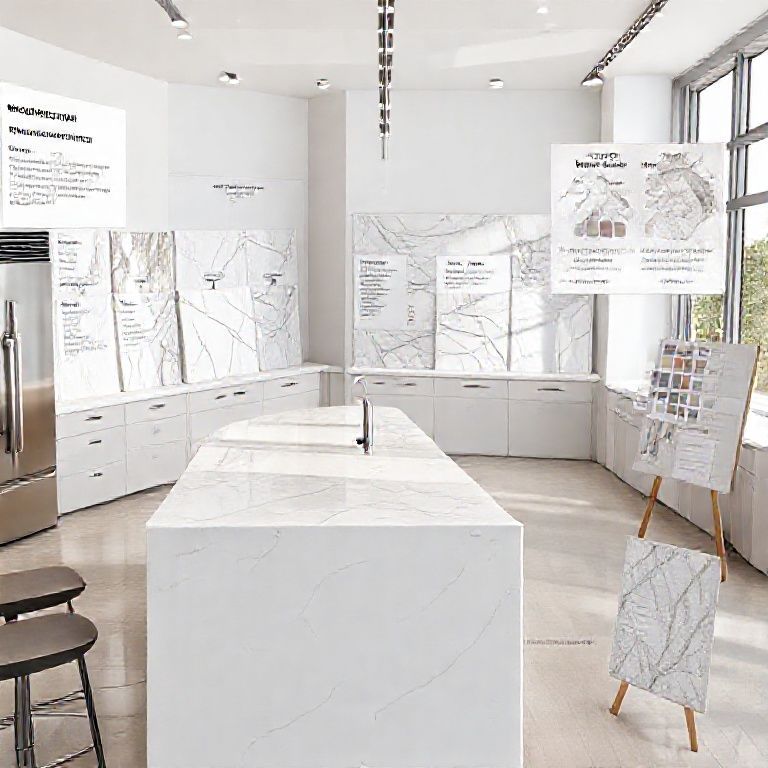
One of the most significant advantages of Corian is its seamless appearance. Because it is non-porous and can be thermoformed, it can be fabricated into virtually any shape and size, and its seams can be rendered invisible through specialized adhesives that chemically bond the pieces. This means you can have countertops that flow seamlessly into integrated sinks, wrap around complex corners, or even form curved islands without the visible lines that often interrupt the visual flow of other materials. This creates a clean, monolithic look that is highly desirable in modern design.
The non-porous nature of Corian is also a major selling point, similar to quartz. This makes it exceptionally hygienic, as it doesn’t absorb liquids or harbor bacteria. This is particularly appealing for kitchens, where cleanliness is paramount. Stains are generally not an issue, and most common household spills can be easily wiped away. Unlike stone, which can chip or crack if a heavy object is dropped directly onto an edge, Corian possesses a certain degree of flexibility, which can help it absorb some impact.
Corian’s versatility extends beyond its seamless fabrication. It is available in a vast array of colors and patterns, from subtle, stone-like textures to bold, vibrant hues. This allows for immense design freedom, enabling homeowners and designers to create truly unique and personalized spaces. Its ability to be thermoformed – heated and bent into curves – opens up a world of design possibilities that are simply not achievable with rigid materials like stone. Think of undulating countertops, sculpted waterfall edges, or even custom-designed furniture pieces integrated into the kitchen.
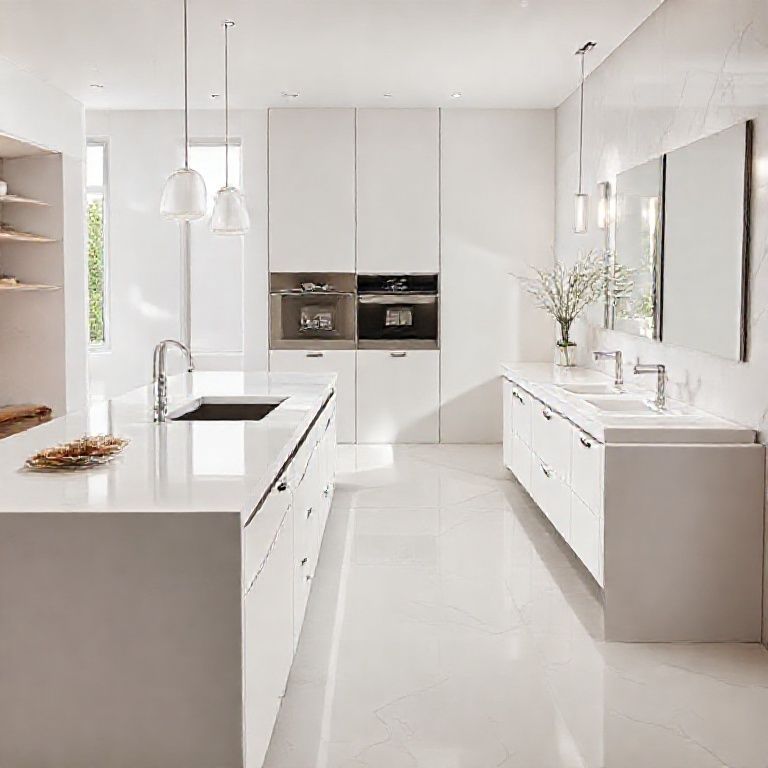
Perhaps one of Corian’s most compelling features is its repairability. While it is durable, if scratches, chips, or even minor heat damage occur, Corian can often be repaired and restored to its original condition. Minor scratches can be buffed out, and deeper damage can be filled and sanded by a professional fabricator, effectively making the countertop look new again. This inherent ability to be rejuvenated adds to its long-term value and sustainability.
When considering the “artificial” aspect of Corian, it’s important to note that it is a fully man-made material. This means its production is carefully controlled, leading to consistent quality and predictable performance. It doesn’t rely on the geological lottery of natural stone, offering a reliable and predictable outcome in terms of appearance and function. Its production process also has environmental considerations, and like many modern materials, manufacturers are increasingly focusing on reducing their environmental footprint.
In summary of this initial exploration, both artificial stone (engineered quartz) and Corian offer compelling advantages for kitchen countertops. Engineered quartz stands out for its supreme hardness, scratch resistance, and a vast, consistent aesthetic range that mimics natural stones or offers unique patterns. Corian, on the other hand, shines with its seamless fabrication, design flexibility including thermoforming, excellent hygiene, and the unique ability to be repaired and restored. The choice between them will likely hinge on specific priorities regarding durability, aesthetic goals, and desired design features.
Continuing our deep dive into the world of kitchen countertops, we now shift our focus to the practicalities and long-term considerations that will influence your decision between artificial stone (engineered quartz) and Corian. Beyond the initial wow factor and the broad strokes of their composition, understanding how these materials perform in the daily trenches of a busy kitchen, their installation nuances, and their overall value proposition is crucial for making the best choice for your home.
Let’s revisit the performance aspects, particularly concerning heat and stain resistance, which are paramount in a kitchen environment. As mentioned, engineered quartz is renowned for its heat resistance. The quartz crystals themselves can withstand high temperatures, and the resin binders are designed for robust performance. While it’s generally safe to place hot items on quartz, it’s always prudent to use trivets or hot pads for anything coming directly from a very high-heat source, such as a searing hot pan. Prolonged exposure to extreme temperatures can potentially cause discoloration or thermal shock, which could lead to cracks. However, for typical cooking scenarios, engineered quartz is an exceptionally resilient surface. Its stain resistance is, as we’ve established, top-tier. The non-porous nature means that even notoriously stubborn substances like red wine, olive oil, or beet juice are unlikely to penetrate the surface and leave a permanent mark. A quick wipe with a damp cloth is usually all that’s needed to keep it looking immaculate.
Corian, while also non-porous and highly resistant to stains, has a different relationship with heat. The acrylic resins that form its base are more sensitive to extreme heat than the quartz crystals in engineered stone. Direct contact with very hot pots or pans can cause the surface to scorch, melt, or discolor. Therefore, using trivets and hot pads is not just recommended but essential when working with Corian to protect its integrity. However, its superior stain resistance is often lauded; its uniform composition means that spills, no matter how vibrant or oily, tend to sit on the surface and can be easily wiped away before they have a chance to cause any trouble. For those who frequently cook with ingredients known for staining, Corian offers peace of mind, provided the heat precautions are diligently observed.
When it comes to the sheer aesthetic range and visual impact, both materials offer a wide spectrum, but with distinct nuances. Engineered quartz excels in its ability to replicate the look of natural stone with uncanny accuracy. If you dream of the intricate veining of marble or the dramatic patterns of granite but want the performance benefits of a man-made material, quartz is likely your best bet. The consistency of quartz slabs also means that if you’re working with a large island or a long run of countertops, you can achieve a cohesive and predictable look without the worry of significant color or pattern variation between slabs. The sheer diversity of colors, from earthy tones to bold jewel tones and everything in between, means there’s a quartz option for virtually any design concept.
Corian, while also offering a vast palette of colors and patterns, distinguishes itself through its ability to create seamless, fluid designs. If your aesthetic leans towards the ultra-modern, minimalist, or architecturally avant-garde, Corian’s capacity for invisible seams, integrated sinks, and thermoformed shapes might be its trump card. The ability to create a completely monolithic surface, where the countertop flows into the backsplash or an integrated sink without any visible joints, offers a level of design sophistication that is hard to match. While some Corian patterns mimic stone, it also offers a wide range of solid colors and subtle textures that create a distinctively contemporary feel, unburdened by the need to imitate natural materials.
The installation process for both materials is typically handled by professional fabricators and installers. Engineered quartz is supplied in slabs, similar to natural stone, and is cut to size in a workshop before being transported to the site for installation. Due to its weight and hardness, specialized tools and expertise are required. The seams in quartz are generally visible, though skilled installers can minimize their prominence by carefully matching patterns and using high-quality adhesives.
Corian, being a solid surface material, is also fabricated from sheets into custom designs. Its advantage here lies in the ability to create those seamless joints. The adhesive used for Corian bonds the material at a molecular level, making the seam virtually disappear and creating a truly continuous surface. This can simplify installation in complex layouts and contribute to the overall smooth, uninterrupted aesthetic. The thermoforming process for Corian also requires specialized equipment and expertise, allowing for the creation of curves and custom shapes that are impossible with rigid materials like quartz.
In terms of longevity and value, both materials are considered long-term investments. Engineered quartz is exceptionally durable and, with proper care, can last for decades, maintaining its appearance and structural integrity. Its resistance to wear and tear means it’s unlikely to need replacement due to damage. Corian, too, is a durable material, and its repairability is a significant factor in its long-term value. While it might show wear over time, the ability to sand out scratches and repair damage means that a Corian countertop can be revitalized, extending its lifespan considerably. This repairability can be a considerable economic advantage over the long run, potentially saving on replacement costs if minor damage occurs.
Cost is, of course, a significant consideration in any renovation. Generally speaking, engineered quartz and Corian fall into a similar mid-to-high price range, often competing with each other. However, prices can vary widely depending on the specific brand, color, pattern, edge profile, and the complexity of the fabrication and installation. High-end quartz designs with intricate veining or unique colorations can command a higher price, as can custom Corian designs involving complex thermoforming or extensive seamless fabrication. It’s always best to get detailed quotes from multiple reputable fabricators for the specific material and design you envision.
When it comes to environmental impact, both materials present a more sustainable alternative to traditional natural stone quarrying. Engineered quartz utilizes abundant natural quartz and binders, minimizing the need for destructive mining operations. Many manufacturers also incorporate recycled content and employ eco-conscious production methods. Corian is an engineered material produced through controlled processes. Its durability and repairability contribute to its sustainability by extending its lifespan and reducing the need for frequent replacement. As with any manufactured product, it’s worth investigating the specific sustainability practices of the brands you are considering.
Ultimately, the choice between artificial stone (engineered quartz) and Corian is a deeply personal one, guided by your unique priorities for your kitchen.
If your primary concerns are unparalleled scratch and impact resistance, a vast selection of natural stone imitations or bold consistent patterns, and minimal maintenance requiring only simple cleaning, then engineered quartz is likely to be your champion. It offers a robust, virtually indestructible surface that’s perfect for the most demanding kitchen environments, all while providing immense aesthetic flexibility.
If, however, your design vision leans towards seamless integration, fluid lines, unique curved elements, and a truly monolithic aesthetic, and you value the ability to repair and restore your countertops, then Corian might be the perfect fit. Its capacity for invisible seams, integrated sinks, and custom shapes offers a level of design freedom that is truly exceptional, coupled with excellent hygiene and stain resistance (with mindful heat precautions).
Both materials represent smart, stylish, and functional choices that will undoubtedly elevate your kitchen. By understanding their distinct strengths and considering how they align with your lifestyle, design aspirations, and practical needs, you can confidently select the countertop that will not only serve as the hardworking heart of your kitchen but also be a source of enduring beauty and satisfaction for years to come. The countertop conundrum, it turns out, is less about one being definitively “better” than the other, and more about finding the perfect partner for your specific culinary and aesthetic journey.









