
The Countertop Conundrum: Sintered Stone vs. Porcelain for Your Bathroom Vanity
The bathroom vanity. It’s the anchor of your washroom, a surface that witnesses the daily rituals of brushing teeth, applying makeup, and the occasional frantic search for a misplaced item. More than just a functional space, it’s a canvas for personal style. And at the heart of this crucial element lies its countertop. The material you choose here doesn’t just contribute to the overall look; it dictates how your vanity will perform over time, how easily it can be maintained, and ultimately, how satisfied you’ll be with your bathroom’s evolution. In the realm of modern bathroom design, two materials have risen to prominence, often sparking a friendly debate among homeowners and designers alike: sintered stone and porcelain. Both offer compelling advantages, yet they bring distinct characteristics to the table. Understanding these nuances is key to unlocking the perfect countertop for your sanctuary.

Let’s begin by demystifying what these materials actually are. Sintered stone, a name that might sound a bit formidable, is essentially a man-made material crafted under extreme heat and pressure. Imagine a blend of natural minerals – quartz, feldspar, and clay – meticulously engineered to mimic the beauty of natural stone like marble or granite, but with enhanced properties. This process, often referred to as “sintering,” fuses these components at a molecular level, creating a non-porous, incredibly dense slab. Think of it as nature’s best qualities amplified. The result is a material that boasts exceptional resistance to heat, stains, scratches, and impact. It’s a testament to modern material science, offering a sophisticated aesthetic with performance to match.
Porcelain, on the other hand, has a long and storied history in the world of ceramics. It’s produced from a specific type of clay, kaolin, fired at very high temperatures. This firing process results in a vitreous, extremely dense material that is inherently resistant to water and stains. While porcelain has traditionally been used for tiles, advancements in manufacturing have allowed for the creation of larger slabs, making it a viable and increasingly popular choice for countertops, including those for bathroom vanities. It’s a material that has proven its mettle over centuries, now re-emerging in a more robust and versatile form for contemporary applications.
When we talk about durability, both sintered stone and porcelain present a strong case. Sintered stone, with its ultra-dense structure, is often lauded for its superior hardness and resistance to scratching. You could, in theory, chop directly on a sintered stone surface without leaving a mark, though we don’t recommend putting that to the test in your bathroom! Its non-porous nature also makes it incredibly resistant to staining. Coffee, wine, makeup – even the most persistent culprits tend to bead up on the surface, easily wiped away with a damp cloth. This inherent resistance to liquids means that spills won’t penetrate the material, preventing discoloration and the potential for mold or mildew growth, a significant advantage in a humid bathroom environment. Furthermore, sintered stone’s ability to withstand high temperatures means you don’t have to worry about placing hot styling tools directly on the surface, offering a level of convenience that’s hard to beat.
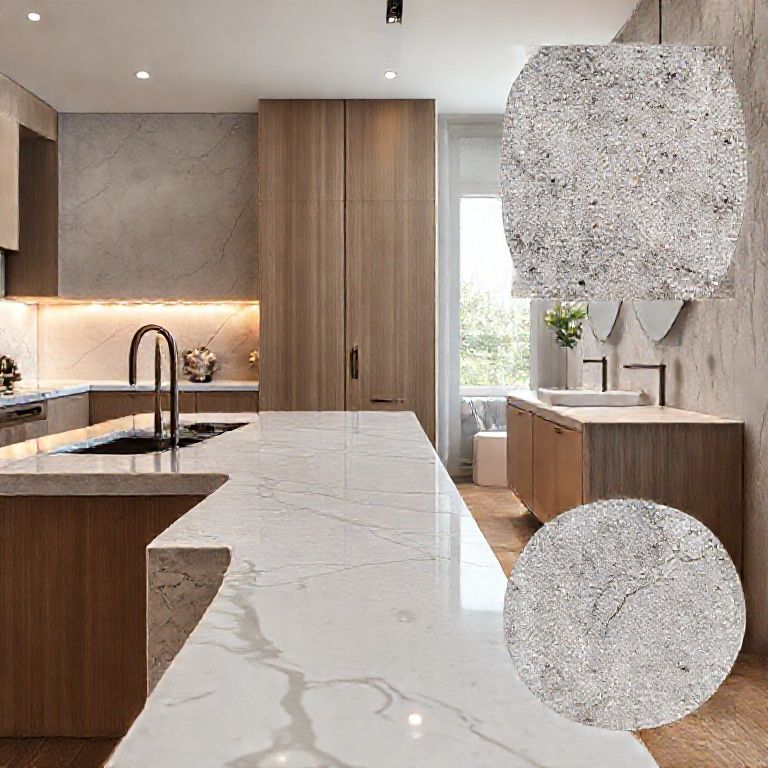
Porcelain, while incredibly durable, can sometimes be perceived as slightly less resistant to impact than sintered stone. Imagine dropping a heavy ceramic mug; while it might not shatter a well-installed porcelain countertop, it could potentially cause a chip or crack, especially at the edges. However, its impermeability is a significant strength. Porcelain is virtually non-porous, meaning it absorbs negligible amounts of water, making it exceptionally resistant to moisture and stains. This is paramount for a bathroom vanity, where exposure to water is constant. Think of it this way: the same properties that make porcelain a great choice for bathroom tiles also make it an excellent option for a countertop. It’s a material that’s built to withstand the rigors of daily use without degrading.
In terms of aesthetics, both materials offer a wide spectrum of choices, allowing you to tailor your bathroom’s look to your exact vision. Sintered stone often excels at mimicking the intricate veining and natural variations found in high-end natural stones. If you’re dreaming of the luxurious look of marble with its dramatic swirls and subtle color shifts, sintered stone can often achieve this with remarkable fidelity. Manufacturers are constantly innovating, producing slabs that are virtually indistinguishable from their natural counterparts, offering a sophisticated and upscale appearance. This ability to replicate complex patterns means you can achieve a high-end look without the associated costs and maintenance demands of natural stone. The finishes available also add to the versatility, ranging from high gloss to matte, further enhancing its design potential.
Porcelain, too, offers a dazzling array of design possibilities. While it can also mimic natural stone, porcelain often shines in its ability to present clean, minimalist aesthetics. Think of sleek, solid colors, subtle textured finishes, or even designs that evoke the look of concrete or wood. This makes it an excellent choice for contemporary and modern bathrooms where a streamlined, uncluttered look is desired. The consistent color and pattern of porcelain can provide a sense of calm and order, contributing to a spa-like atmosphere. The advancements in digital printing technology have allowed porcelain manufacturers to create incredibly realistic designs, offering a vast palette of colors and patterns to suit any design preference. The beauty of porcelain lies in its consistency and the ability to achieve a very precise aesthetic.
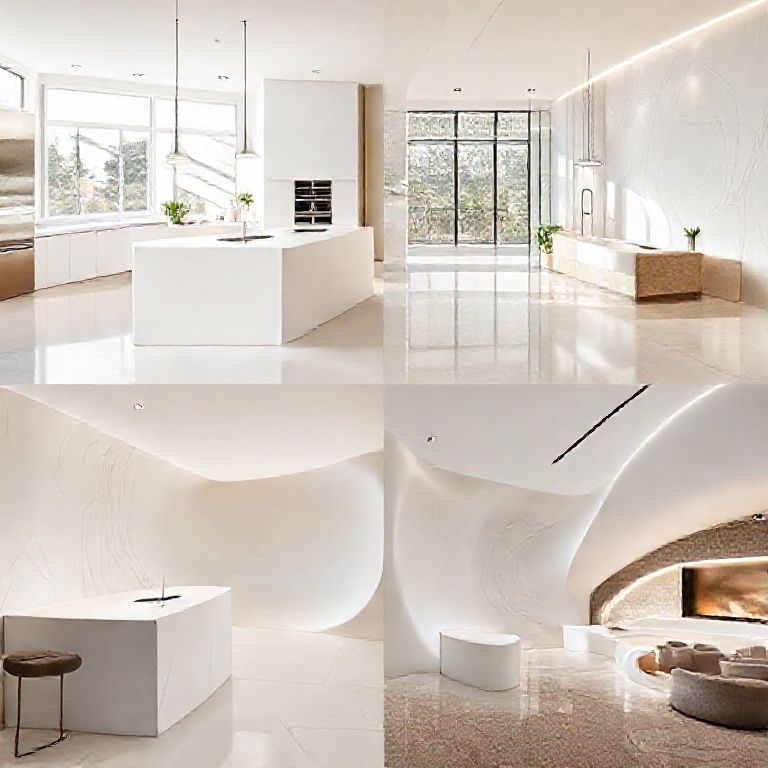
When it comes to maintenance, this is where the non-porous nature of both materials truly shines. For sintered stone, daily cleaning is a breeze. A simple wipe-down with a damp cloth and mild soap is usually all that’s needed to keep it looking pristine. Its resistance to stains means you don’t have to fret over spilled toothpaste or makeup removers. Even tougher substances can typically be cleaned off without issue. The lack of porosity also means it’s highly hygienic, as bacteria and mold have nowhere to penetrate and thrive. This is a significant plus for a bathroom, an area where cleanliness is paramount.
Porcelain mirrors these low-maintenance qualities. Its inherent impermeability means that spills are easily wiped away. There’s no need for special sealants or elaborate cleaning routines. Mild soap and water are your best friends here. The resistance to chemicals also means you can use most standard household cleaners without fear of damaging the surface. This ease of care is a major draw for busy households or anyone who prefers to spend less time scrubbing and more time enjoying their beautifully designed bathroom. Both sintered stone and porcelain offer a significant upgrade in terms of hassle-free upkeep compared to more porous materials like unsealed natural stone or certain types of laminate.
Moving beyond the fundamental properties, let’s delve into the practical considerations that often tip the scales in favor of one material over the other. Cost, for instance, is a significant factor in any renovation or building project. Generally speaking, sintered stone can often come with a higher price tag than porcelain. This is partly due to the sophisticated manufacturing process and the specialized raw materials used. However, it’s important to view this cost in the context of its performance. The extreme durability and resistance to damage that sintered stone offers can translate into long-term savings, as it’s less likely to require repairs or premature replacement. The initial investment might be higher, but the longevity and minimal upkeep can make it a cost-effective choice over the lifespan of your bathroom.
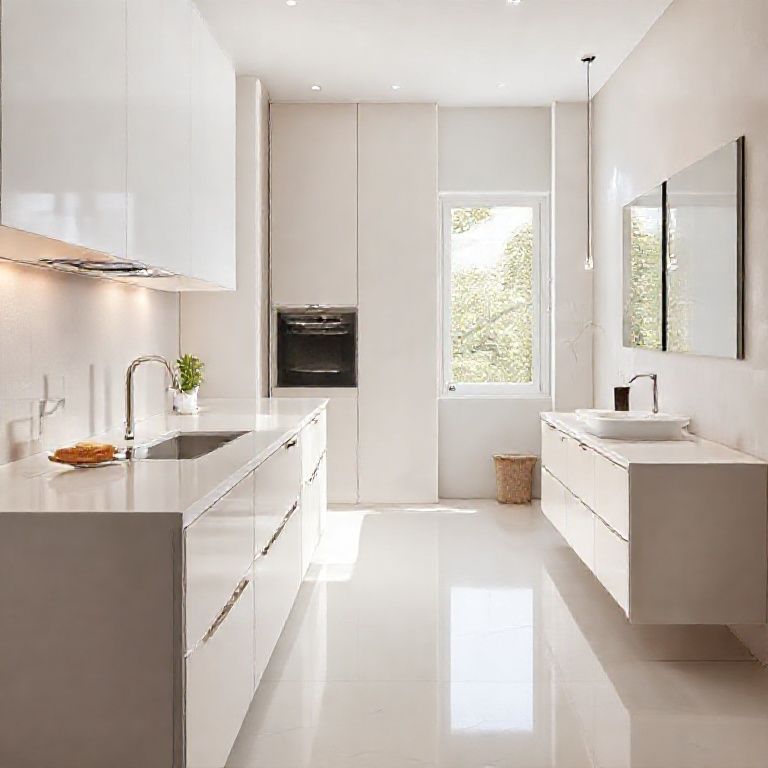
Porcelain, on the other hand, often presents a more budget-friendly option, especially when comparing it to sintered stone. The cost can vary depending on the complexity of the design, the thickness of the slab, and the manufacturer, but it generally offers excellent value for money. You can achieve a high-quality, stylish, and durable countertop without breaking the bank. This makes porcelain an attractive choice for those undertaking a renovation on a tighter budget or for larger projects where material costs can quickly add up. The accessibility of porcelain allows more homeowners to achieve a premium look and feel without an exorbitant expense.
Installation is another aspect to consider. Both sintered stone and porcelain slabs require professional installation. They are heavy and can be brittle if not handled with care during transport and fitting. Sintered stone, due to its exceptional hardness, can sometimes be more challenging to cut and shape on-site, requiring specialized tools and experienced fabricators. This can potentially add to the installation costs. However, the precision manufacturing of sintered stone often means that the slabs are cut to exact specifications, which can simplify the installation process in some ways.
Porcelain slabs, while also requiring careful handling, are generally more familiar territory for fabricators and installers due to the long history of working with porcelain products. The cutting and shaping of porcelain are well-understood processes. The consistency of porcelain also means that the slabs are typically uniform, which can contribute to a smoother installation experience. The expertise of the installer is paramount for both materials, ensuring a flawless finish and a secure fit that will stand the test of time.
Let’s talk about the environmental aspect. Sintered stone manufacturing is an energy-intensive process due to the high temperatures involved. However, many manufacturers are increasingly focusing on sustainable practices, utilizing recycled materials and optimizing energy efficiency in their production. The durability of sintered stone also contributes to its environmental credentials, as a longer-lasting product means less waste over time. When choosing sintered stone, looking for manufacturers with strong environmental commitments can be a wise move.
Porcelain production also involves high firing temperatures, but its components are generally derived from natural, abundant resources. The durability of porcelain means it’s a long-term investment, reducing the need for frequent replacements and thus minimizing waste. Like sintered stone, many porcelain manufacturers are also adopting more sustainable production methods. The inherent recyclability of ceramic materials can also be a plus.
When it comes to the feel and aesthetic nuances, personal preference plays a significant role. Sintered stone, especially those mimicking natural stone, can offer a tactile richness that’s hard to replicate. The depth of color and the intricate veining can create a sense of natural beauty and luxury. The matte finishes, in particular, can feel very organic and sophisticated. It’s a material that can make a statement, adding a focal point to your bathroom design.
Porcelain, while capable of mimicking natural textures, often presents a cleaner, more uniform surface. This uniformity can be incredibly appealing for creating a serene and minimalist environment. The cooler touch of porcelain can also be a pleasant sensation in a bathroom setting. The consistency of its appearance lends itself to a very controlled and deliberate design scheme.
Let’s consider the question of longevity and impact on resale value. Both sintered stone and porcelain are considered high-quality, durable materials that can significantly enhance the perceived value of your home. A bathroom vanity countertop made from either of these materials signals a level of quality and attention to detail that potential buyers appreciate.
Sintered stone, with its cutting-edge technology and premium appearance, might be seen as a more modern and innovative upgrade. Its exceptional resistance to damage means it will likely look as good in 10 or 15 years as it does on day one, a compelling selling point.
Porcelain, with its timeless appeal and proven track record, also contributes positively to resale value. It’s a material that is widely understood and appreciated for its durability and ease of maintenance. The classic beauty of porcelain, whether it’s mimicking natural stone or presenting a clean solid color, remains desirable.
Ultimately, the choice between sintered stone and porcelain for your bathroom vanity countertop boils down to a balance of priorities. If your absolute top priorities are unparalleled resistance to heat, scratches, and stains, and you desire the intricate beauty of natural stone with enhanced performance, and your budget allows for a premium investment, then sintered stone is likely your champion. It’s a material that pushes the boundaries of durability and aesthetics, offering a truly sophisticated and worry-free surface for years to come.
However, if you’re seeking a material that offers exceptional durability, is highly resistant to water and stains, comes in a vast array of beautiful designs (including stunning natural stone imitations and sleek contemporary looks), is generally more budget-friendly, and is familiar territory for installers, then porcelain stands out as a fantastic choice. It provides a brilliant blend of performance, aesthetics, and value, making it a practical and stylish option for a wide range of bathroom designs and homeowners. Both materials are excellent choices, and understanding their distinct strengths will empower you to select the perfect countertop for your personal oasis.









