
The question hangs in the air, a gentle query that sparks a cascade of memories and practical considerations: “Is a 2 by 2.5-meter kitchen small?” The immediate, almost instinctual answer for many is a resounding “Yes!” In a world often extolling the virtues of sprawling, open-plan living, a kitchen measuring a mere five square meters can feel like a cramped afterthought. It’s a space that demands a certain kind of intimacy, a willingness to dance in close quarters with your ingredients, your appliances, and perhaps even a fellow cook. But to dismiss it as simply “small” is to overlook the rich tapestry of life that can unfold within its boundaries.
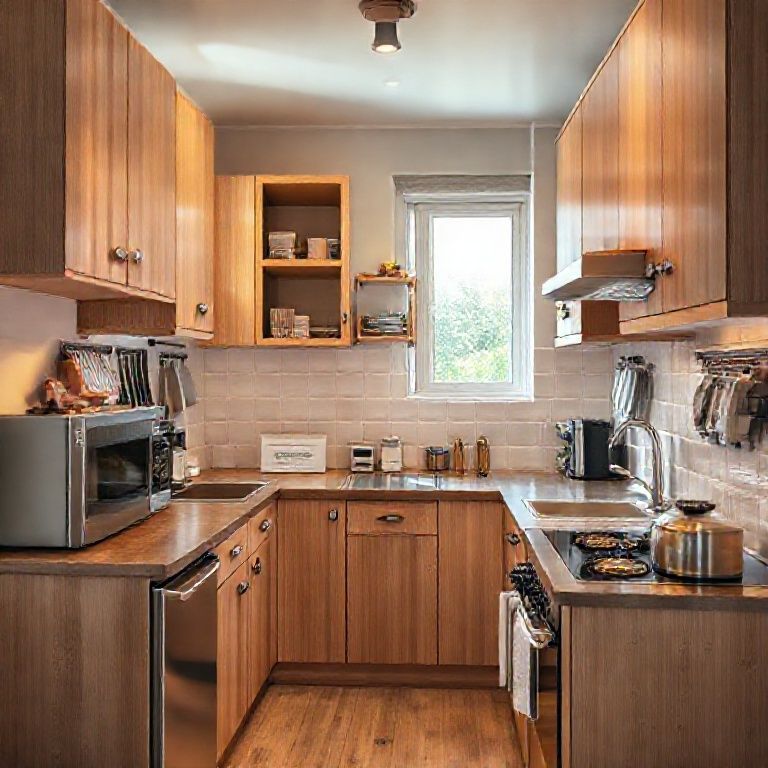
Think of it this way: a standard parking space is roughly 2.5 by 5 meters. So, your kitchen, while certainly not cavernous, offers a dedicated space roughly equivalent to two-thirds of that. It’s enough room to stand, to chop, to stir, and to create. It’s a functional canvas, albeit a compact one, upon which culinary masterpieces can be painted. The “smallness” isn’t an inherent flaw; it’s a characteristic that shapes the experience, dictating a unique approach to design, organization, and even the very act of cooking.
For those who find themselves in such a culinary nook, the initial reaction might be a sigh. Perhaps you’ve just moved in, or perhaps you’re contemplating a renovation, staring at these dimensions and feeling a pang of inadequacy. You might picture elaborate dinner parties and expansive islands, picturing a kitchen that plays host to a crowd. But let’s shift the perspective. What if we embrace the cozy? What if we reframe “small” as “efficient,” “intimate,” and “focused”?
A 2×2.5-meter kitchen is, by its very nature, a space that encourages mindfulness. There’s simply no room for clutter to accumulate unnoticed. Every pot, every utensil, every spice jar must earn its keep. This enforced tidiness can be a blessing in disguise. It fosters a more deliberate approach to cooking, where you’re acutely aware of what you have and where it is. No more digging through overflowing cupboards in search of a forgotten ingredient! In a small kitchen, everything is within arm’s reach, creating a streamlined workflow that can, surprisingly, feel incredibly liberating.
Consider the ergonomics. In a well-designed small kitchen, the “kitchen work triangle” – the imaginary lines connecting the sink, stove, and refrigerator – can be incredibly efficient. You can often move from one task to another with just a few steps. This minimizes wasted motion and can make cooking feel less like a marathon and more like a well-choreographed ballet. It’s about maximizing every inch, every corner, every vertical surface. Think upwards! Wall-mounted shelves, magnetic knife strips, and hanging pot racks can transform blank walls into valuable storage real estate.
The aesthetic of a small kitchen can also be a source of delight. Light colors and reflective surfaces can make the space feel larger and brighter. Minimalist design often thrives in compact environments, where clean lines and uncluttered surfaces create a sense of calm and order. You can still have style, even on a small scale. Think about a vibrant backsplash that adds personality, or a charming collection of vintage cookware displayed proudly. The focus shifts from sheer size to thoughtful details and clever execution.
However, let’s be real. There are undeniably challenges. Hosting a large gathering and attempting to prepare a multi-course meal for twenty guests in a 2×2.5-meter kitchen might be… ambitious. You’ll likely need to be strategic about entertaining, perhaps opting for a buffet-style approach or focusing on simpler, make-ahead dishes. The counter space is precious, and every surface will likely be utilized during meal preparation. This is where organization truly becomes an art form.
Drawer organizers, pull-out shelves, and clever storage solutions become your best friends. Think about multi-functional appliances that can do the job of two or three. A stand mixer that also grinds meat, or a blender that also steams vegetables, can save invaluable space. Even the humble cutting board can be designed to fit over the sink, providing extra prep area when needed.
The emotional aspect of living with a small kitchen is also worth exploring. For some, it might evoke a sense of restriction. They might dream of a kitchen where they can spread out, where multiple people can comfortably work side-by-side. For others, it’s a source of pride, a testament to their ingenuity and their ability to create a fulfilling life within defined parameters. It’s a space that fosters resourcefulness and a deeper appreciation for the essentials.
Moreover, the conversation around kitchen size often intersects with broader discussions about sustainable living and conscious consumerism. In a small kitchen, you’re naturally inclined to buy only what you need, to use what you have, and to be mindful of food waste. It encourages a more thoughtful approach to consumption, which can be a positive ripple effect beyond the kitchen itself.
So, to answer the initial question: is a 2×2.5-meter kitchen small? Yes, by conventional standards, it is. But “small” is a relative term. It’s a space that demands creativity, efficiency, and a touch of playful problem-solving. It’s a space that can be incredibly functional, charming, and deeply personal. It’s a space where culinary adventures are not diminished, but rather, refined and concentrated. It’s about making the most of what you have, and often, you’ll find that what you have is more than enough to create a life filled with flavor and warmth.
The intrinsic nature of a 2×2.5-meter kitchen begs for innovation and a redefinition of what constitutes a functional and enjoyable culinary space. It’s not about lamenting what isn’t there, but about celebrating what can be achieved within its existing footprint. This is where the magic of smart design and creative organization truly shines, transforming perceived limitations into delightful advantages.
One of the most effective strategies for a compact kitchen is to think vertically. Walls are no longer just barriers; they are prime real estate for storage. Consider the power of floating shelves. They offer a place to store frequently used items like spices, oils, or decorative pieces, keeping countertops clear. Opt for open shelving to create a sense of airiness, or choose sleek, minimalist closed cabinets for a more streamlined look. Magnetic knife strips are a game-changer, freeing up drawer space and keeping your most-used tools easily accessible and safely stored. Pegboards, often seen in workshops, can be repurposed to hang pots, pans, utensils, and even small appliances, turning a blank wall into a functional masterpiece.
The humble cabinet can also be maximized. Instead of deep, unwieldy shelves, opt for pull-out drawers or tiered shelves. This allows you to see and access everything at the back of the cabinet with ease, preventing forgotten items from lurking in the shadows. Lazy Susans are excellent for corner cabinets, making those awkward spaces accessible. For deeper cabinets, consider using stackable containers or bins to compartmentalize items and maximize vertical storage.
Countertop space is gold in a small kitchen. The key is to keep it as clear as possible. Invest in multi-functional appliances that can serve multiple purposes. A high-quality immersion blender can replace a bulky countertop blender. A toaster oven can often perform the functions of a regular oven for smaller meals. Look for appliances that can be stored away when not in use, or those that have a sleek, compact design. Even the sink can become a workstation with the addition of a cutting board that fits snugly over it, providing an extended prep surface.
The choice of color and light plays a crucial role in the perception of space. Light, neutral colors on walls and cabinets can make the kitchen feel larger and more open. White, pale grays, or soft pastels reflect light and create an airy ambiance. Glossy finishes on cabinets or backsplashes can also enhance this effect by bouncing light around the room. Strategic lighting is equally important. Under-cabinet lighting can illuminate countertops without taking up valuable space, while pendant lights can add a touch of style without overwhelming the area. Natural light should be maximized by keeping windows unobstructed.
When it comes to appliances, think about scale. A standard-sized refrigerator might be overwhelming in a 2×2.5-meter space. Consider a counter-depth model or even a smaller, more compact refrigerator. Similarly, a narrow dishwasher or a dishwasher drawer can be a more space-efficient option. For cooking, a two-burner induction cooktop might be perfectly adequate for most daily cooking needs, especially if supplemented by a toaster oven or microwave.
The layout itself is critical. Most 2×2.5-meter kitchens will likely fall into a single-wall or galley layout. For a single-wall kitchen, all appliances and cabinets are situated along one wall, which is highly efficient. For a galley kitchen, with two parallel walls, the challenge is to ensure sufficient clearance between the two sides – typically at least 1.2 meters to allow for comfortable movement. The “work triangle” becomes even more condensed and can be incredibly efficient if planned thoughtfully.
Think about dining solutions. A large, formal dining table is likely out of the question. However, a small, foldable table that can be extended when needed, or a breakfast bar with stools that can be tucked away, can provide a dining area without sacrificing precious floor space. Even a wall-mounted drop-leaf table can offer a compact dining solution.
Beyond the practical, there’s an emotional and psychological aspect to living and cooking in a small kitchen. It fosters a sense of intimacy and connection. Cooking can become a more focused, almost meditative activity, where you are truly present with the task at hand. It encourages resourcefulness and a deeper appreciation for the tools and ingredients you have. It can also be a catalyst for a more minimalist lifestyle, where you are more conscious of what you bring into your home and what you accumulate.
The social aspect of cooking in a small kitchen can also be a unique experience. It might not be conducive to large dinner parties where guests mingle freely in the kitchen, but it can foster close, intimate gatherings. Cooking together in a small space requires a certain level of cooperation and communication, which can actually strengthen bonds. It’s about shared experiences in a shared, compact space.
Ultimately, the question of whether a 2×2.5-meter kitchen is “small” is less about its dimensions and more about the mindset and ingenuity applied to it. It’s an opportunity to be creative, to be organized, and to embrace a more intentional way of living and cooking. It’s a space that proves that joy, delicious food, and a fulfilling culinary life can thrive, regardless of square footage. It’s about making every centimeter count, transforming a compact area into a hub of warmth, efficiency, and delicious possibilities.









