
The Crystal Ball of Countertops: Unpacking the Wholesale Price of Artificial Stone
The allure of artificial stone in modern interior design is undeniable. It’s the silent workhorse of kitchens and bathrooms, offering a blend of durability, aesthetic versatility, and a more accessible price point compared to its natural counterparts. But when we talk about “artificial stone,” we’re not talking about a single entity. This broad category encompasses a range of materials, each with its own unique manufacturing process, ingredient list, and ultimately, its own wholesale price structure. Understanding this nuance is the first step in appreciating the factors that influence what you’ll pay for that gorgeous slab of engineered quartz or that seamless solid surface vanity.

Let’s begin by dissecting the major players in the artificial stone arena. The two most prominent categories that often come to mind are engineered quartz and solid surface. While both are man-made and offer compelling benefits, their composition and production methods lead to significant differences in their wholesale pricing.
Engineered quartz, for instance, is a marvel of material science. It’s typically composed of around 90-95% ground natural quartz crystals, mixed with polymer resins and pigments. This high concentration of natural quartz is a key driver of its cost. The process involves crushing raw quartz, a relatively abundant but still mined mineral, into fine particles. These particles are then combined with a binding agent, usually a polyester resin, and subjected to intense heat and vibration under vacuum. This vibrocompression process is energy-intensive and requires specialized, high-tech equipment. The quality and purity of the quartz aggregate, the type and quantity of resin used, and the sophistication of the manufacturing equipment all contribute to the final wholesale price. Higher concentrations of pure quartz, for example, will generally command a higher price than those with a larger proportion of resin. Similarly, advancements in resin technology that enhance durability, stain resistance, or UV stability can also push wholesale prices upward, as these represent added value and performance.
On the other hand, solid surface materials, often recognized by brands like Corian, are primarily composed of acrylic polymers and alumina trihydrate (ATH), a mineral derived from bauxite ore. The manufacturing process for solid surface involves mixing these components into a liquid slurry, which is then poured into molds to create sheets or shapes. While this process can also be quite sophisticated, the raw materials themselves, particularly the acrylic polymers, can sometimes be more cost-effective to produce in large volumes compared to the meticulous processing of natural quartz. The ATH, while adding fire-retardant and bulk properties, is also generally a more readily available and less resource-intensive material to source than high-purity quartz. The design flexibility of solid surface, allowing for seamless integration, thermoforming, and a wide range of colors and patterns, is a significant selling point, but the core material costs can be lower than those of engineered quartz.
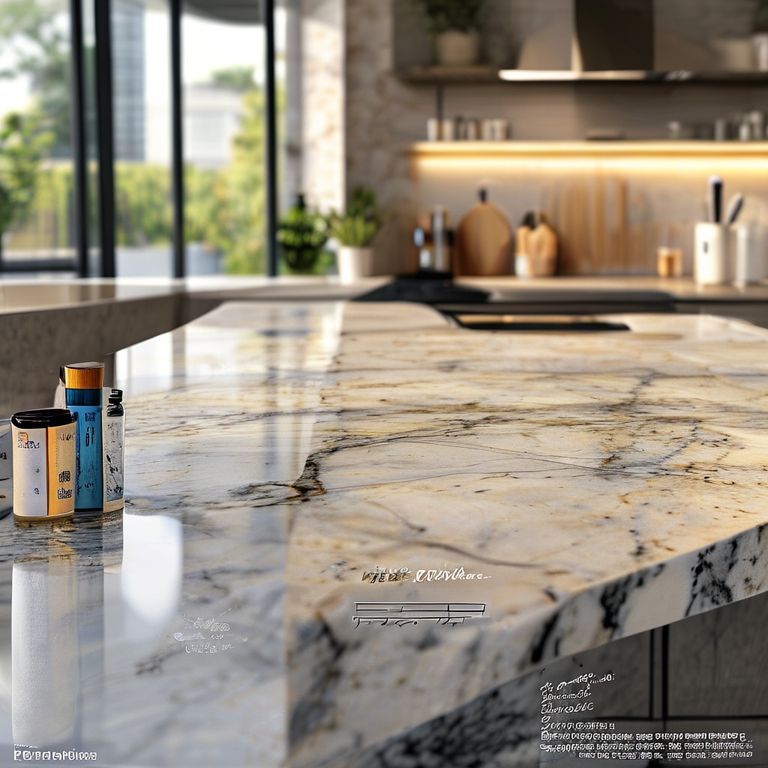
Beyond the fundamental composition, a multitude of factors influence the wholesale price of any artificial stone. Let’s delve into these.
Raw Material Sourcing and Costs: This is perhaps the most foundational element. The price and availability of the primary ingredients – natural quartz, resins, pigments, and fillers like ATH – are subject to global commodity markets. Fluctuations in the mining of quartz, the production of petrochemical-based resins, or the availability of bauxite can directly impact the cost for manufacturers. Think of it like a baker whose ingredient costs rise; eventually, that cost gets passed on. The consistency and quality of these raw materials are paramount. Manufacturers often invest in rigorous quality control to ensure their end product meets stringent standards, and this investment is factored into the price.
Manufacturing Processes and Technology: As touched upon earlier, the technology employed in production is a major differentiator. Highly automated, state-of-the-art facilities that can produce large volumes of consistent, high-quality material with minimal waste will often have different cost structures than smaller, less technologically advanced operations. The energy consumption of the machinery, the efficiency of the production lines, and the labor costs associated with operating these complex systems all play a role. Innovations in manufacturing, such as advanced polishing techniques or unique pattern embedding, can also add to the wholesale price, as they represent proprietary processes and added value.
Brand and Reputation: In the realm of artificial stone, just as with many other consumer goods, brand name carries weight. Established manufacturers with a proven track record of quality, durability, and customer service can often command a premium wholesale price. This premium is not just for the material itself but for the perceived reliability, the warranty offered, and the brand’s overall market presence. A lesser-known brand might offer a similar product at a lower wholesale price, but buyers might weigh the potential risks against the cost savings.
Design Complexity and Aesthetics: The visual appeal of artificial stone is a significant factor in its perceived value. The complexity of the patterns, the depth and richness of the colors, and the availability of unique finishes (like matte or textured surfaces) can influence wholesale pricing. A marble-like veining pattern, for example, that requires precise pigment blending and careful pattern replication during manufacturing, will likely be more expensive than a solid color or a simple speckled design. Limited-edition colors or special collections can also carry a higher price tag due to their exclusivity and the R









