
In the grand theater of interior design, where every surface tells a story and every material whispers a promise, there’s a star performer that consistently captivates with its blend of beauty, versatility, and sheer adaptability: acrylic solid surface. Often referred to by its broader category of “artificial stone,” this material has carved out a significant niche, moving beyond mere functionality to become a true design element, a “crystal canvas” upon which dreams are painted. But as with any exquisite creation, the question inevitably arises: “亚克力人造石价格多少?” – How much does acrylic solid surface cost? This isn’t a simple price tag; it’s an exploration into the value proposition of a material that offers so much more than meets the eye.

The allure of acrylic solid surface lies in its inherent chameleon-like nature. Unlike natural stone, which is beholden to the earth’s geological whims, acrylic solid surface is engineered, allowing designers and manufacturers to conjure an almost limitless palette of colors, patterns, and textures. From the stark purity of white to the deep drama of obsidian, from the subtle veining of marble to the bold, abstract swirls, the possibilities are, quite literally, boundless. This uniformity in appearance, a stark contrast to the inherent variability of natural stone, ensures predictable and repeatable results, a crucial factor for large-scale projects or when matching existing elements.
Beyond its aesthetic flexibility, the tactile experience of acrylic solid surface is a significant part of its appeal. It possesses a warm, smooth, and inviting feel, a departure from the often cool, hard nature of granite or quartz. This warmth translates not just to the touch but also to the overall ambiance of a space, contributing to a more welcoming and comfortable environment. Imagine a kitchen countertop that feels pleasant to lean against while you’re preparing a meal, or a bathroom vanity that offers a soft touch as you begin your day.
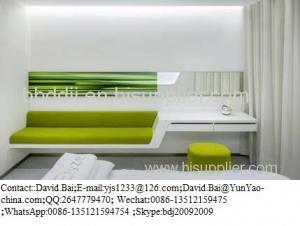
But beauty and feel are only part of the equation. Acrylic solid surface is celebrated for its exceptional durability and low maintenance. Its non-porous nature is a game-changer. Unlike granite or marble, which require regular sealing to prevent staining, acrylic solid surface is inherently resistant to liquids, oils, and common household chemicals. This means spills are easily wiped away without fear of permanent discoloration, making it an ideal choice for high-traffic areas like kitchens and bathrooms, where everyday life can be a bit messy. Furthermore, its seamless construction is a major advantage. Seams can be inconspicuous, virtually disappearing when expertly fabricated, creating a continuous, hygienic surface. This eliminates the grout lines found in tile, which can harbor bacteria and be difficult to clean, contributing to a more sanitary environment.
The repairability of acrylic solid surface is another significant selling point that contributes to its long-term value. Minor scratches, chips, or even heat marks can often be repaired by sanding and buffing, restoring the surface to its original pristine condition. This stands in stark contrast to natural stone, where damage can be more difficult and costly to rectify, sometimes requiring replacement of entire sections. This inherent ability to be rejuvenated means that a well-maintained acrylic solid surface installation can retain its beauty and functionality for many years, offering a compelling return on investment.
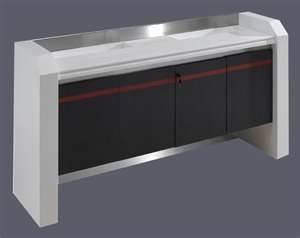
The manufacturing process itself is also a testament to the material’s advanced nature. Acrylic solid surface is typically composed of acrylic polymer and alumina trihydrate (ATH), a mineral derived from bauxite ore. These components are mixed and then cast into sheets or molded into specific shapes. This controlled manufacturing environment allows for precise quality control, ensuring consistent material properties and an exceptional finish. The ability to thermoform acrylic solid surface – to heat and bend it into curves and complex shapes – opens up a world of design possibilities that are simply not achievable with natural stone. This allows for seamless integrated sinks, curved reception desks, and intricate architectural elements, pushing the boundaries of what’s possible in design.
When we begin to delve into the question of “亚克力人造石价格多少,” it’s crucial to understand that this is not a monolithic cost. The price of acrylic solid surface is influenced by a confluence of factors, much like the pricing of any bespoke product. The brand name plays a role, with established manufacturers often commanding a premium for their reputation for quality and consistency. Then there’s the color and pattern. While a solid white might be more budget-friendly, intricate veining, exotic hues, or custom color matching will naturally command a higher price due to the complexity of the manufacturing process and the raw materials involved.
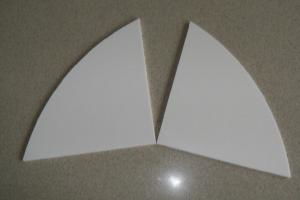
The thickness of the material is another significant determinant. Standard thicknesses are common, but for applications requiring enhanced structural integrity or a more substantial feel, thicker slabs will naturally increase the overall cost. Furthermore, the form in which the material is purchased also impacts pricing. Sheets, which are then fabricated on-site, will have a different cost structure than pre-fabricated components like integrated sinks or vanity tops.
However, the true cost of acrylic solid surface is often best understood when considering the “all-in” price, which includes fabrication and installation. This is where the artistry of the fabricator becomes paramount. The complexity of the design, the number of cuts, the precision required for seamless joints, and the integration of features like sinks or backsplashes all contribute to the labor costs. Professional installation ensures that the material is handled correctly, that seams are invisible, and that the finished product is both beautiful and structurally sound. This expertise is an investment that pays dividends in the longevity and aesthetic appeal of your project.
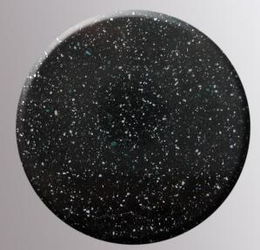
Continuing our exploration into the world of acrylic solid surface and the ever-present question of “亚克力人造石价格多少,” we move from the fundamental qualities of the material to the practical considerations that shape its perceived value and ultimate cost. While the initial price of the material itself is a significant component, the total investment is a more nuanced calculation, heavily influenced by the application, the complexity of the design, and the expertise of the professionals involved in its transformation from raw material to finished masterpiece.
The application of acrylic solid surface plays a pivotal role in its pricing. A simple vanity top for a powder room will naturally carry a different price tag than an expansive kitchen countertop with an integrated sink and a custom-designed backsplash. Similarly, a reception desk for a high-end corporate lobby, often involving intricate curves, integrated lighting, and complex branding elements, will represent a considerably higher investment. The scale of the project is a direct driver of cost. Larger areas require more material, more fabrication time, and potentially more complex installation logistics, all of which contribute to the overall expenditure.
The fabrication process is where the true magic, and often a significant portion of the cost, lies. Acrylic solid surface is a remarkably versatile material, but its ability to be thermoformed, seamlessly joined, and precisely shaped requires specialized tools and skilled craftsmanship. The process of cutting, routing, sanding, and polishing demands meticulous attention to detail. If a design calls for intricate curves, sharp angles, or the integration of a sink that is flush-mounted or undermounted, the fabricator’s expertise becomes invaluable, and this expertise is reflected in the price. The creation of seamless joints, a hallmark of high-quality solid surface installations, is a testament to the fabricator’s skill. Achieving this flawless, continuous look requires precise cutting, specialized adhesives, and careful finishing techniques, all of which add to the labor costs.
When considering the price of “亚克力人造石价格多少,” it’s essential to factor in the cost of specialized fabrication techniques. Thermoforming, for instance, allows for the creation of truly unique shapes and forms that are impossible with natural stone. This process involves heating the acrylic solid surface to a pliable state and then molding it over forms or into specific curves. This advanced capability, while offering unparalleled design freedom, requires specialized equipment and a higher level of skill, thus contributing to the overall price.
The installation phase is another critical element that influences the final cost. While acrylic solid surface sheets might be delivered to a site, their transformation into a finished installation is a skilled trade. This involves careful templating, precise cutting and fitting, and secure mounting. For larger projects, or those in challenging locations, the logistical aspects of transportation and installation can also add to the expense. Professional installation ensures that the material is handled with care, that seams are perfectly aligned, and that the finished product is stable and durable for years to come. The warranty offered by both the material manufacturer and the installer is often a good indicator of the quality and confidence associated with the installation.
The specific brand and its associated reputation also impact the price. Well-established brands, known for their consistent quality, extensive color ranges, and strong warranties, often come with a premium price tag. These brands have invested heavily in research and development, manufacturing excellence, and customer support, and their pricing reflects this commitment. While there might be less-known or generic alternatives available, opting for a reputable brand often provides peace of mind, ensuring a higher quality product and a more reliable performance over time. The availability of specific colors and patterns can also affect price. Highly sought-after or custom-designed colors might be more expensive than standard offerings due to the complexity of their production or the limited demand.
When comparing acrylic solid surface to other countertop materials, it’s important to look beyond the initial per-square-foot price. While granite or quartz might sometimes appear more affordable on a superficial basis, the long-term costs associated with their maintenance, repair, and potential eventual replacement should be taken into account. The non-porous nature of acrylic solid surface, its resistance to staining, and its ability to be repaired significantly reduce ongoing maintenance costs and the likelihood of costly interventions down the line. This holistic view of cost, encompassing initial outlay, ongoing care, and longevity, often positions acrylic solid surface as a highly competitive and valuable choice.
For instance, consider the difference in maintenance. Natural stone countertops require regular cleaning with specialized, pH-neutral cleaners and periodic resealing to maintain their stain resistance. Acrylic solid surface, on the other hand, can be cleaned with mild soap and water or common household cleaners. This ease of maintenance translates into both time and cost savings for the homeowner or business owner.
Furthermore, the environmental aspect is increasingly becoming a consideration in material selection. Many acrylic solid surface manufacturers are committed to sustainable practices, utilizing recycled content in their products and employing energy-efficient manufacturing processes. While the initial “亚克力人造石价格多少” might not directly reflect these environmental benefits, they contribute to the overall value proposition for a growing number of discerning consumers and specifiers.
In conclusion, the question of “亚克力人造石价格多少” is best answered by understanding that it’s not about a single number, but a dynamic interplay of material quality, design complexity, fabrication expertise, and installation precision. It’s an investment in a material that offers unparalleled design freedom, exceptional durability, hygienic properties, and a warm, inviting aesthetic. By carefully considering the application, the desired aesthetic, and the importance of skilled craftsmanship, one can navigate the pricing landscape and discover that the value of acrylic solid surface extends far beyond its initial cost, offering a beautiful, functional, and enduring solution for a wide array of interior design challenges. It is, indeed, a crystal canvas waiting for your vision to bring it to life.









