
The whisper of innovation often begins with a material that transforms the ordinary into the extraordinary. In the realm of interior design and architectural marvels, acrylic solid surface has emerged as a star player, a chameleon material that blends form, function, and a touch of understated luxury. Often referred to by its Chinese moniker, “亚克力人造石” (yàkèlì rénzào shí), which directly translates to “acrylic artificial stone,” this material is far more than its literal translation suggests. It’s a testament to human ingenuity, a fusion of acrylic polymers and mineral fillers, meticulously crafted to offer a seamless, non-porous, and remarkably versatile surface that can be shaped, molded, and integrated into designs with an almost artistic freedom.

The allure of acrylic solid surface lies in its inherent aesthetic qualities. Imagine a surface that gleams with a subtle radiance, capable of mimicking the look of natural stone, from the veining of marble to the granular texture of granite, yet without the inherent limitations. It can be manufactured in an astonishing spectrum of colors and patterns, from the purest whites and deepest blacks to vibrant hues and intricate speckles. This vast palette allows designers to translate their visions into tangible reality, creating bespoke pieces that are as unique as the spaces they inhabit. Beyond its visual appeal, the tactile experience of acrylic solid surface is also noteworthy. It possesses a warmth and smoothness that distinguishes it from cooler materials like natural stone or tile, contributing to a more inviting and comfortable environment.
But the beauty of acrylic solid surface is not merely skin-deep. Its non-porous nature is a significant functional advantage, particularly in high-traffic areas like kitchens and bathrooms. Unlike natural stone or laminate, it resists staining from common household spills like wine, coffee, or oil, making it incredibly easy to clean and maintain. This inherent resistance to bacteria and mold also makes it a hygienic choice, a crucial consideration for any home. Furthermore, its seamless integration is a game-changer. Joints can be invisibly bonded, eliminating grout lines that can trap dirt and moisture, thus presenting a continuous, fluid surface that enhances both aesthetics and hygiene. This seamlessness also lends itself to creative applications, allowing for integrated sinks and backsplashes that create a unified and streamlined look.
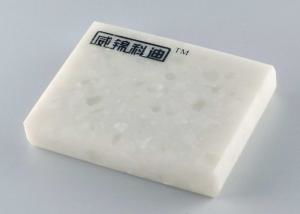
The durability of acrylic solid surface is another key factor contributing to its growing popularity. While it is not as hard as granite or quartz, it is remarkably resilient to impact and chipping. Minor scratches or imperfections can often be repaired by sanding and polishing, restoring the surface to its original glory – a testament to its repairability and longevity. This means that a well-maintained acrylic solid surface installation can retain its beauty and functionality for many years, offering a wise long-term investment for any property owner.
Now, let’s delve into the heart of the matter: the pricing of this remarkable material. Understanding “亚克力人造石价格表” involves navigating a landscape of various influencing factors. It’s not a simple one-size-fits-all equation. The cost of acrylic solid surface is a complex interplay of material quality, brand reputation, color and pattern complexity, fabrication techniques, and the intricacies of installation.
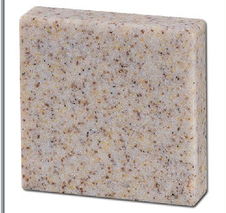
Firstly, the quality of the acrylic solid surface itself plays a pivotal role. While the core components are acrylic polymers and mineral fillers, the proportions and the specific types of these components can vary between manufacturers. Higher-grade materials often boast superior durability, UV resistance, and a more refined finish, commanding a higher price point. Brands that have established a reputation for excellence, consistency, and innovation tend to carry a premium. These established names often invest heavily in research and development, ensuring their products meet stringent quality standards and offer advanced features, justifying their slightly higher cost.
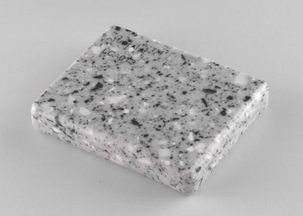
The aesthetic choices also significantly impact the price. Solid, unpatterned colors, especially common ones like white or beige, are generally more affordable. Conversely, intricate patterns that mimic natural stone with detailed veining or unique color variations require more complex manufacturing processes, thus increasing the cost. The depth of color and the uniformity of the distribution of flecks or veins can also contribute to price variations. Some manufacturers offer a tiered pricing system based on the complexity and exclusivity of their color palettes.
Fabrication is where the artistry truly begins, and it’s a significant contributor to the overall cost. The ability to thermoform acrylic solid surface into curves, create seamless joints, and integrate features like sinks and drainboards requires specialized skills and equipment. The more complex the desired shape or the more intricate the fabrication details, the higher the labor costs will be. For instance, creating a waterfall edge on a countertop or fabricating a custom-shaped vanity top will naturally incur more expense than a standard rectangular cut. The precision required for a flawless finish, free from visible seams or imperfections, is a hallmark of quality fabrication and is reflected in the price.
The installation process itself is another crucial element in the pricing structure. While acrylic solid surface is relatively lightweight compared to some natural stones, proper installation ensures its longevity and aesthetic integrity. This involves precise templating, careful transportation, and skilled fitting to achieve those coveted seamless joints. The complexity of the installation site, such as navigating tight spaces or dealing with existing structures, can also influence the labor costs. Professional installers are trained to handle these materials with care, ensuring a perfect fit and finish, and their expertise is a valuable component of the total investment. Understanding these foundational elements is key to appreciating the value proposition of acrylic solid surface and the price tags associated with its exquisite offerings.

Continuing our exploration into the captivating world of “亚克力人造石价格表,” we’ve established that the material’s inherent qualities and the artistry of its creation are significant drivers of its cost. Now, let’s delve deeper into the practical considerations that shape its pricing and how it stacks up against other popular surfacing options. The true value of acrylic solid surface becomes even clearer when viewed through the lens of its long-term benefits and its adaptability to diverse design needs.
Beyond the base material and fabrication, the scope and complexity of the project are paramount in determining the final price. A simple, straight-cut countertop for a small bathroom vanity will naturally be less expensive than a large, multi-faceted island for a gourmet kitchen, complete with an integrated sink and a custom-designed backsplash. Projects requiring extensive templating, multiple cuts, or specialized edge profiles will inevitably command a higher price due to the increased labor and material waste involved. Similarly, the decision to incorporate design features such as inlaid patterns, contrasting colors, or embedded lighting will add to the overall cost, reflecting the additional craftsmanship and complexity required.
The choice of brand, as touched upon in the first part, is a significant differentiator in the acrylic solid surface market. Well-established international brands, often recognized for their pioneering work in the material’s development and their extensive research into performance and aesthetics, typically carry a premium. These brands invest heavily in quality control, ensuring consistency across their product lines and offering comprehensive warranties that provide peace of mind to consumers. While more generic or lesser-known brands may offer lower price points, it’s important to scrutinize their product specifications, warranty offerings, and customer reviews to ensure they meet your specific project requirements and long-term expectations. The saying “you get what you pay for” often rings true in the realm of building materials, and acrylic solid surface is no exception.
The installation process itself, while often included in the overall quote, can have its own nuances that affect the final figure. Factors such as the accessibility of the installation site, the need for specialized lifting equipment, or the complexity of integrating the new surface with existing cabinetry or plumbing can all contribute to labor costs. A straightforward installation in a new build will generally be less expensive than a retro-fit in an older home where unforeseen challenges might arise. Professional installers are adept at managing these variables, and their expertise is an integral part of ensuring a successful and aesthetically pleasing outcome. It’s always advisable to obtain detailed quotes that clearly outline all labor and material costs associated with the installation.
When considering the “亚克力人造石价格表,” it’s also beneficial to conduct a comparative analysis with other popular surfacing materials. Natural granite, for instance, can range widely in price depending on the rarity of the stone, its origin, and its veining. While some granite options might be comparable in price to mid-range acrylic solid surface, exotic granites can significantly surpass it. Quartz surfaces, a popular engineered stone, also offer a wide price spectrum, often falling within a similar range as acrylic solid surface, particularly for more complex patterns. However, quartz is considerably harder and more resistant to scratching than acrylic solid surface. Laminate countertops, on the other hand, represent the most budget-friendly option, offering a vast array of aesthetic possibilities at a fraction of the cost, but they lack the durability, seamlessness, and repairability of acrylic solid surface.
The long-term value proposition of acrylic solid surface is where it truly shines. Its exceptional durability, ease of maintenance, and repairability translate into a lower total cost of ownership over time. Unlike materials that may require frequent sealing or replacement due to wear and tear, acrylic solid surface maintains its aesthetic appeal with minimal effort. The ability to buff out minor scratches and repair chips means that a beautiful surface can be preserved for decades, reducing the need for costly renovations down the line. This longevity, coupled with its hygienic properties and design versatility, makes it a compelling investment for homeowners and businesses alike.
Furthermore, the environmental aspect is becoming increasingly relevant. Many acrylic solid surface manufacturers are incorporating recycled content into their products and adopting sustainable manufacturing processes. The material itself is also non-toxic and does not emit volatile organic compounds (VOCs), contributing to healthier indoor air quality. This focus on sustainability can add to the perceived value and appeal of acrylic solid surface for environmentally conscious consumers and designers.
In conclusion, the “亚克力人造石价格表” is not a static document but rather a dynamic reflection of material quality, design innovation, artisanal craftsmanship, and project-specific requirements. It represents an investment in a material that offers an unparalleled blend of beauty, functionality, and longevity. From the sleek, minimalist kitchens of contemporary homes to the demanding environments of healthcare facilities, acrylic solid surface continues to redefine the possibilities of surface design. Its radiant appeal, coupled with its practical advantages, solidifies its position as a premier choice for those seeking to create spaces that are both visually stunning and enduringly functional. Understanding the factors that influence its price empowers consumers and designers to make informed decisions, unlocking the full potential of this extraordinary material.









