
The allure of a sleek, modern surface is undeniable. Whether you’re envisioning a minimalist kitchen, a spa-like bathroom, or a commercial space that exudes sophistication, the choice of surfacing material plays a pivotal role. In the realm of contemporary design, two materials often vie for the spotlight: acrylic and solid surface. While both offer a seamless aesthetic and a wealth of design possibilities, they are far from interchangeable. Understanding their fundamental differences is key to unlocking their full potential and ensuring your project achieves the desired look, feel, and functionality.

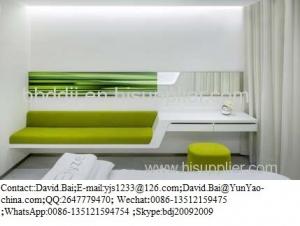
Let’s begin by dissecting acrylic. Often referred to by brand names like Corian (though Corian is technically a type of solid surface, the term has become somewhat generalized, which can lead to confusion), acrylic solid surface is a composite material made from acrylic polymer and alumina trihydrate (ATH). This unique blend results in a non-porous, durable, and versatile material that can be thermoformed, meaning it can be heated and shaped into curves and intricate designs. Visually, acrylic often presents a smooth, almost luminous finish, with a wide spectrum of colors and patterns available, from subtle marbling to bold, vibrant hues. One of its most celebrated attributes is its seamless integration. Seams are virtually invisible when properly fabricated, creating a continuous, monolithic appearance that is both aesthetically pleasing and hygienic, as there are no grout lines or cracks to trap dirt and bacteria. This makes it an excellent choice for environments where cleanliness is paramount, such as healthcare facilities, laboratories, and, of course, kitchens and bathrooms.
The aesthetic versatility of acrylic is truly remarkable. It can mimic the appearance of natural stone, concrete, or even wood, offering designers a vast palette to work with. Its translucency in certain colors allows for creative lighting effects, where backlighting can create a warm, inviting glow, transforming a simple countertop into a statement piece. Furthermore, acrylic is relatively easy to repair. Minor scratches and chips can often be buffed out, and more significant damage can be repaired by skilled fabricators, restoring the surface to its original glory. This inherent repairability contributes to its long-term value and sustainability.
However, it’s important to acknowledge the practical considerations. While durable, acrylic can be susceptible to scratching from sharp objects, and prolonged exposure to extreme heat can cause damage. Therefore, while it’s a fantastic material for work surfaces, using trivets for hot pots and cutting boards for chopping is highly recommended. Its fabrication requires specialized tools and expertise, meaning that installation costs can be a factor.
Now, let’s turn our attention to what is broadly categorized as “artificial stone” or “engineered stone,” but more specifically, “solid surface” in the context of this comparison. While acrylic solid surface is a type of solid surface, the term “solid surface” itself encompasses a broader category of materials. For clarity in this discussion, when we refer to “solid surface” in contrast to acrylic, we’re often thinking of materials that are primarily composed of mineral fillers (like quartz or granite dust) bound together with resins. This is where the distinction becomes crucial, and where visual comparisons become even more impactful.
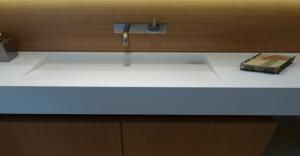
Engineered quartz, for instance, is a very popular type of solid surface that falls outside the primary acrylic composition. It’s made from approximately 90-95% crushed quartz crystals, mixed with polymer resins and pigments. This composition results in an exceptionally hard, dense, and non-porous material. Visually, engineered quartz often aims to replicate the look of natural stone, particularly granite and marble, but with a consistency and uniformity that natural stone rarely offers. You’ll find an astonishing array of patterns, from realistic veining that mimics Calacatta marble to speckled granite-like finishes. The consistency in color and pattern is a significant advantage, ensuring that the slab you choose will look exactly like the sample.
The defining characteristic of engineered quartz, and many other solid surface materials in this category, is its sheer durability. Its hardness makes it highly resistant to scratches, stains, and heat. This is a material that can withstand the rigors of a busy kitchen with minimal fuss. You can place hot pans directly on it (though it’s still good practice to use trivets to preserve the resin binder over the very long term), and you can chop directly on its surface without causing significant damage (though again, a cutting board is advisable for longevity and hygiene). The non-porous nature means that spills, even from highly staining liquids like red wine or coffee, won’t penetrate the surface, making cleanup effortless and preventing the development of unsightly stains.
The aesthetic appeal of these solid surface materials is also immense, though it leans more towards replicating the natural beauty of stone. The patterns can be incredibly intricate and realistic, offering a luxurious feel to any space. Unlike natural stone, however, engineered solid surfaces don’t require sealing, simplifying maintenance. The uniformity of the product also means that repairs, while possible, are often more challenging to make truly invisible compared to acrylic, especially if the material is deeply scratched or chipped. The edges of these materials are also typically finished as-is, meaning you won’t find the same thermoforming capabilities for intricate curves as you would with acrylic.
Therefore, the visual distinction between acrylic and these other forms of solid surface often comes down to a subtle difference in sheen, a slightly more “artificial” perfection in pattern replication for engineered quartz, and the inherent ability of acrylic to be molded into organic shapes that are simply not possible with the more rigid resin-bound mineral composites. When considering a visual comparison, imagine a countertop that flows seamlessly into a curved backsplash, a rounded sink that appears to grow organically from the surface – that’s the hallmark of acrylic’s thermoforming. Now imagine a countertop with the crisp, defined edges and the incredibly detailed, stone-like veining of a high-end granite or marble, but with the predictable perfection of an engineered product – that’s the territory of many other solid surface materials. The “picture comparison” aspect of understanding these materials is crucial, as it highlights the different ways they can be shaped and the distinct visual textures they offer.
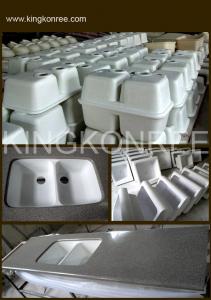
Continuing our exploration into the captivating world of surfacing materials, the distinctions between acrylic and other forms of solid surface become even clearer when we delve into their applications, fabrication processes, and long-term performance. While both offer a non-porous and hygienic surface, the subtle yet significant differences in their composition translate into unique advantages and considerations for designers and homeowners alike.
Let’s revisit acrylic’s transformative capabilities. Its inherent flexibility allows for a level of design freedom that is unparalleled. Thermoforming, as mentioned, enables the creation of complex curves, seamless sinks, and even artistic installations that defy traditional straight-line construction. Imagine a reception desk with a flowing, organic shape, or a bathroom vanity with an integrated, seamless basin that appears to melt into the countertop. This is where acrylic truly shines, offering architects and designers the ability to move beyond conventional forms and embrace more fluid, sculptural aesthetics. Furthermore, the ability to achieve completely invisible seams is a significant advantage for both hygiene and visual continuity. In commercial settings like hospitals or food processing plants, where cleanliness is paramount, the absence of grout lines or visible joints dramatically reduces potential breeding grounds for bacteria. In residential kitchens, this seamlessness translates to a more streamlined and elegant look, making cleaning a breeze.
The repairability of acrylic is another key aspect that contributes to its enduring appeal. Minor scratches, which can occur with everyday use, can often be buffed out with fine-grit sandpaper and polishing compounds, restoring the surface to its original sheen. For more significant damage, such as chips or deeper gouges, skilled fabricators can often fill and seamlessly repair the area, making it virtually indistinguishable from the original surface. This inherent reparability not only extends the lifespan of the material but also offers a more sustainable option, as it often avoids the need for complete replacement.
However, the flip side of this malleability and ease of repair is its relative susceptibility to heat and abrasion compared to some other solid surface materials. While it can withstand moderate heat, placing extremely hot pots or pans directly onto an acrylic surface without protection can lead to discoloration or even melting. Similarly, while durable, it can be scratched by sharp knives or abrasive cleaning pads. Therefore, while acrylic is a fantastic choice for many applications, careful use with trivets and cutting boards is essential to maintain its pristine appearance over time. The fabrication process also requires specialized equipment and expertise, as the thermoforming and seamless jointing techniques are distinct from those used for more rigid materials.
Now, let’s look at the broader category of solid surface materials, particularly those dominated by mineral fillers and resins, such as engineered quartz. This is where the comparison often becomes about robustness and a more classic, stone-like aesthetic. Engineered quartz, as a prime example, is celebrated for its extraordinary hardness and density. Its composition, with a high percentage of quartz crystals, makes it exceptionally resistant to scratches, chips, and impact. This makes it an ideal choice for high-traffic areas like busy family kitchens or commercial environments where durability is a top priority. The non-porous nature of engineered quartz also means it’s highly resistant to staining from common household substances like wine, coffee, and oil, further simplifying maintenance.
Visually, engineered quartz offers a remarkable replication of natural stone. The intricate veining, speckled patterns, and color variations found in granite and marble can be meticulously reproduced, often with a greater degree of consistency and predictability than natural stone itself. This allows designers to achieve a luxurious, high-end look with the assurance that every slab will be uniform. The aesthetic is often characterized by sharp, clean edges and a refined finish. While some solid surfaces can be fabricated with integral sinks, the extensive thermoforming capabilities seen with acrylic are generally not achievable with engineered quartz. The focus is more on the inherent beauty and resilience of the material as it is.
The maintenance of engineered quartz is notably straightforward. Its non-porous surface means it doesn’t require sealing, and spills can be wiped away with soap and water. It’s also highly resistant to heat, though as a best practice, using trivets for very hot items is still recommended to protect the resin binder. While repairs are possible for chips and cracks, they are often more complex to execute seamlessly compared to acrylic. Deep scratches can be more challenging to fully remove without affecting the surface finish, and matching the pattern precisely can be difficult. Therefore, while incredibly durable, the “repairability” aspect of engineered quartz is generally considered less forgiving than that of acrylic.
When considering the “video explanation” aspect of understanding these materials, imagine seeing footage of acrylic being heated and bent into a perfect curve, or a fabricator seamlessly joining two pieces to create an invisible seam. Then, contrast that with a video showing the extreme force required to scratch a piece of engineered quartz, or a close-up demonstrating how a spilled glass of red wine beads up and wipes away without a trace. These visual demonstrations powerfully illustrate the distinct strengths and characteristics of each material.
In essence, the choice between acrylic and other solid surface materials often boils down to prioritizing certain qualities. If your design vision calls for flowing lines, seamless integration, and exceptional repairability, acrylic is likely the superior choice. It offers a canvas for creative expression, allowing for unique shapes and integrated features that define modern design. If, on the other hand, your priority is unyielding durability, resistance to extreme conditions, and a classic, stone-like aesthetic with predictable patterns, then an engineered quartz or similar composite solid surface would be the more fitting option. Both materials represent the pinnacle of modern surfacing technology, each offering a unique pathway to achieving beautiful, functional, and long-lasting results in your home or commercial space. The “picture comparison” and “video explanation” are not just helpful; they are integral to truly appreciating the nuances that make each material stand out.









