
In the ever-evolving landscape of home design, countertops have transitioned from mere utilitarian surfaces to central style statements. They are the unsung heroes of our kitchens, bearing witness to culinary triumphs and hurried breakfasts, and the tranquil canvases of our bathrooms, starting and ending our days. Among the myriad of materials vying for a spot on our wish lists, acrylic solid surface countertops have emerged as a compelling contender, often lauded for their seamless beauty and remarkable adaptability. But like any relationship, understanding the full picture requires looking beyond the initial sparkle. Is this material the clear winner for your abode, or are there hidden complexities beneath its polished facade? Let’s embark on a journey to dissect the advantages and disadvantages of acrylic solid surface countertops, offering you the clarity needed to make a choice that will truly resonate with your lifestyle and aesthetic aspirations.

One of the most immediate and striking advantages of acrylic solid surface is its unparalleled aesthetic flexibility. Imagine a material that can be molded, shaped, and seamlessly joined to create virtually any form imaginable. This is the magic of acrylic solid surface. Unlike natural stones that come with inherent limitations in size and shape, acrylic solid surfaces can be fabricated into complex curves, integrated sinks, and dramatic waterfall edges, all without visible seams. This monolithic quality is not just about visual appeal; it translates directly into superior hygiene. Where natural stone countertops might have grout lines or seams that harbor bacteria and grime, acrylic solid surfaces offer a continuous, non-porous surface that is incredibly easy to clean and maintain. A simple wipe-down is often all that’s needed to keep spills and messes at bay, making it an exceptionally practical choice for busy households and those who prioritize a germ-free environment.
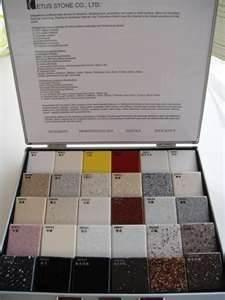
The color palette available with acrylic solid surfaces is another significant draw. From pristine whites and subtle beiges to bold hues and intricate patterns that mimic natural stone, the design possibilities are virtually endless. Manufacturers offer an extensive range of colors and textures, allowing homeowners to perfectly match their existing décor or create a striking new look. This adaptability means you’re not confined by the limitations of nature; you can achieve a specific design vision with remarkable precision. Furthermore, the color is consistent throughout the entire slab, meaning any scratches or minor damage can often be buffed out, restoring the surface to its original glory without revealing a different color underneath. This inherent repairability is a testament to the material’s resilience and contributes to its long-term appeal.
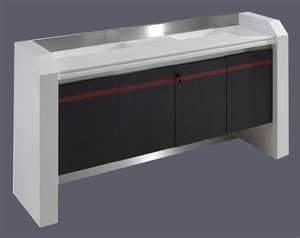
Beyond its visual prowess, acrylic solid surface boasts impressive durability, albeit with a caveat that we’ll explore later. It is resistant to staining from common household substances like wine, coffee, and oil, thanks to its non-porous nature. This means that accidental spills are less likely to leave permanent marks, giving you peace of mind during everyday use. While not as impervious to impact as some natural stones, it is generally robust enough for typical kitchen and bathroom activities. Its ability to resist moisture also makes it an excellent choice for areas prone to humidity, such as bathrooms and laundry rooms, where it won’t warp or degrade over time.
The seamless integration of sinks is a feature that truly elevates the functionality and aesthetic of acrylic solid surface countertops. Imagine a kitchen sink that appears to grow directly out of the countertop, with no caulking or seams to collect dirt. This is achievable with acrylic solid surfaces, creating a clean, modern look that is both visually appealing and remarkably hygienic. The same principle applies to bathroom vanities, where integrated sinks contribute to a spa-like feel and simplify cleaning routines. This level of design integration is difficult and often impossible to replicate with other countertop materials, making acrylic solid surface a unique proposition for those seeking a truly cohesive and streamlined design.
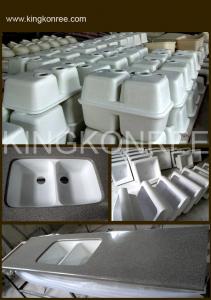
Another aspect worth highlighting is the relative ease of fabrication and installation. While specialized tools and expertise are required, acrylic solid surfaces are lighter and easier to cut and shape than many natural stones. This can translate into potentially lower installation costs and faster project completion times. The ability to work with the material on-site, making minor adjustments or seamless repairs, further adds to its practical appeal for designers and homeowners alike. This adaptability during the installation phase can be a significant advantage, especially in older homes or spaces with unique configurations.
Finally, let’s touch upon the tactile experience. Acrylic solid surface countertops offer a smooth, warm, and inviting feel to the touch, a stark contrast to the often cold and hard surfaces of granite or quartz. This subtle difference can contribute significantly to the overall comfort and welcoming atmosphere of a kitchen or bathroom, making it a more pleasant space to interact with on a daily basis. It’s a material that feels as good as it looks, adding another layer to its appeal.
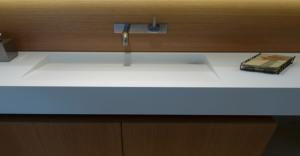
As we delve deeper into the world of acrylic solid surface, it becomes clear that its strengths lie in its design freedom, hygienic properties, and aesthetic versatility. It offers a canvas for creativity, allowing for bespoke solutions that are both beautiful and highly functional. However, like any material, its advantages are balanced by certain considerations that are crucial to understand before making a commitment.
While the advantages of acrylic solid surface countertops are indeed dazzling, a comprehensive understanding necessitates a frank discussion of their potential drawbacks. No material is perfect, and knowing where acrylic solid surface might fall short will empower you to make the most informed decision for your home. It’s not about deterring you, but about equipping you with the full spectrum of information so that your countertop choice truly aligns with your expectations and lifestyle.
Perhaps the most significant concern often raised with acrylic solid surfaces is their susceptibility to heat damage. Unlike granite or quartz, which can generally withstand hot pots and pans placed directly on their surface, acrylic solid surfaces are more sensitive. Prolonged exposure to high temperatures can cause the material to scorch, discolor, or even warp. This means that using trivets and hot pads is not merely a suggestion but an absolute necessity when working with acrylic solid surfaces in the kitchen. While many homeowners adapt to this practice, it requires a conscious effort and a shift in habit. For those who frequently engage in high-heat cooking and prefer the freedom to place hot items directly on their countertops, this could be a considerable limitation.
Another area where acrylic solid surface presents a vulnerability is its scratch resistance. While it’s certainly durable for everyday use, it is softer than many natural stones and engineered quartz. This means that sharp knives, abrasive cleaning pads, or even rough handling can lead to visible scratches. While minor scratches can often be buffed out, as mentioned previously, deeper gouges can be more challenging to repair seamlessly. This necessitates a mindful approach to using your countertops. Avoiding cutting directly on the surface and being cautious with abrasive materials will help maintain its pristine appearance over time. If your household tends to be less careful with surfaces, or if you envision a lot of direct knife work on your countertops, this is a factor that warrants serious consideration.
While acrylic solid surfaces are non-porous and resistant to most stains, their performance against extreme chemical exposure can be a point of concern. Certain harsh chemicals, solvents, or strong cleaning agents can potentially damage or dull the surface. While typical household cleaners are generally safe, it’s always prudent to check the manufacturer’s recommendations for cleaning and maintenance to avoid unintended reactions. This means being mindful of the cleaning products you use and always opting for gentle, non-abrasive options.
The cost of acrylic solid surface countertops can also be a factor. While often positioned as a mid-range option, its price can vary significantly depending on the brand, color, complexity of the fabrication, and installation. In some cases, high-end acrylic solid surface designs with intricate patterns or complex integrated features can rival the cost of premium natural stones. It’s important to get detailed quotes and compare them with other materials to ensure you’re getting the best value for your budget. While it offers aesthetic advantages that other materials might not, its cost-effectiveness needs to be assessed within the context of your overall project budget and desired outcome.
While the seamless nature of acrylic solid surface is a major selling point, it also implies a specific installation process. Unlike natural stone, which can often be cut and finished on-site with relative ease, acrylic solid surface fabrication requires specialized machinery and expertise. This means you’ll need to work with certified fabricators, which can sometimes limit your options for DIY installation or local customization. The complexity of the fabrication process can also contribute to the overall cost and lead time of your project.
Finally, while acrylic solid surface is known for its repairability, it’s not indestructible. Significant damage, such as large chips or deep cracks, might require professional repair or even replacement of the affected section. While the material’s ability to be resurfaced is a definite advantage, it’s important to have realistic expectations about the extent of damage that can be effectively rectified. For those seeking an absolutely indestructible material that can withstand almost any abuse, acrylic solid surface might not be the ultimate answer.
In conclusion, acrylic solid surface countertops present a compelling blend of design innovation, hygienic benefits, and aesthetic flexibility. They offer a unique opportunity to create truly bespoke and seamless spaces that are both beautiful and functional. However, their sensitivity to heat and scratches, along with potential concerns regarding harsh chemicals and installation complexity, means they are not a universally perfect solution. By carefully weighing these pros and cons against your personal needs, lifestyle, and design aspirations, you can confidently determine whether the crystal clear choice of acrylic solid surface is the right fit for your home. It’s a material that rewards mindful use and careful consideration, and when chosen wisely, it can undoubtedly elevate your living spaces to new heights of style and practicality.









