
The allure of a perfectly designed space often hinges on the materials we choose to bring it to life. In the realm of interior design, surfaces play a starring role, dictating not just aesthetics but also functionality and longevity. Among the pantheon of modern surfacing materials, acrylic solid surface has carved out a significant niche, celebrated for its chameleon-like ability to adapt to diverse design visions. Often referred to as “artificial stone” or simply “solid surface,” this composite material, primarily made from acrylic polymers and alumina trihydrate (ATH), presents a compelling proposition for kitchens, bathrooms, commercial spaces, and beyond. Its smooth, non-porous nature, coupled with an almost boundless palette of colors and patterns, makes it a designer’s dream. But like any material, its brilliance is not without its shadows. This deep dive aims to explore the multifaceted nature of acrylic solid surface, dissecting its strengths and weaknesses with a discerning eye, so you can make an informed decision for your next transformative project.

One of the most striking advantages of acrylic solid surface is its inherent design flexibility. Unlike natural stone, which is limited by the Earth’s geological whims, acrylic solid surface can be manufactured in an astonishing array of colors, patterns, and translucencies. From mimicking the subtle veining of marble to boasting bold, solid hues or even custom-designed graphics, the creative possibilities are virtually limitless. This adaptability allows designers to achieve a cohesive look across an entire space, ensuring that countertops, backsplashes, sinks, and even wall panels can seamlessly integrate into a unified design narrative. The material’s thermoformability is another game-changer. With the application of heat, acrylic solid surface can be bent, curved, and shaped into virtually any form imaginable. This opens up a world of possibilities for bespoke designs, allowing for intricate curves, organic shapes, and integrated sinks that flow seamlessly from the countertop. Imagine a waterfall edge that gracefully cascades down the side of a cabinet, or a bathroom vanity with a sink molded directly into the surface, eliminating those pesky grout lines and creating an uninterrupted expanse of pristine material. This seamlessness is not merely an aesthetic flourish; it carries significant functional benefits.
The non-porous nature of acrylic solid surface stands as a cornerstone of its appeal, particularly in environments where hygiene is paramount. Unlike natural stones like granite or marble, which can have microscopic pores that absorb liquids, bacteria, and stains, acrylic solid surface presents a completely sealed surface. This means that spills, whether they be red wine, coffee, or olive oil, are unlikely to penetrate the material and leave permanent marks. For kitchens and bathrooms, this translates to a significantly more hygienic environment. Food preparation becomes less of a concern for cross-contamination, and the surfaces are easier to keep clean and sanitary. This characteristic also contributes to its resistance to mold and mildew growth, a common issue in damp environments like bathrooms. The ease of maintenance is another significant draw. Because it’s non-porous and stain-resistant, cleaning is typically as simple as wiping down the surface with a damp cloth and mild soap. There’s no need for specialized sealants or harsh chemical cleaners, which can often damage other materials. This straightforward maintenance routine makes it an attractive option for busy households or commercial establishments where time and resources for upkeep are often at a premium.
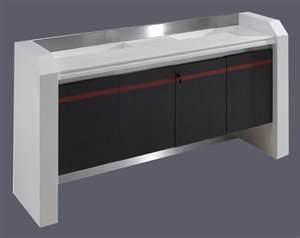
Furthermore, the inherent durability and repairability of acrylic solid surface contribute to its long-term value proposition. While it might not possess the same hardness as granite, it is remarkably resilient to daily wear and tear. Its strength lies in its uniformity; it is solid all the way through. This means that if scratches or minor damage do occur, they are often superficial and can be addressed. Unlike laminate, which can delaminate or chip, or natural stone that might crack, acrylic solid surface offers a solution. Minor scratches can often be buffed out with fine-grit sandpaper or a specialized repair kit. Deeper damage, while more involved, can often be repaired by a professional, effectively blending the damaged area with the surrounding surface to become virtually invisible. This ability to be repaired, rather than replaced, can save considerable cost and hassle over the lifespan of the material, making it a more sustainable and economically sound choice in the long run. The seamless construction of integrated sinks and countertops also eliminates potential weak points where cracks or chips are more likely to form, further enhancing its structural integrity. In essence, acrylic solid surface offers a harmonious blend of aesthetic freedom, practical hygiene, and enduring resilience, making it a powerful contender in the world of surfacing materials.
However, no material is without its Achilles’ heel, and acrylic solid surface is no exception. While its strengths are many, understanding its vulnerabilities is crucial to ensuring its successful integration into your design and to managing expectations regarding its long-term performance. One of the primary concerns often raised is its susceptibility to scratches. Despite its overall durability, the acrylic matrix, particularly in its glossier finishes, can be more prone to surface scratching from sharp objects, abrasive cleaning pads, or even everyday use with cutlery. These scratches, while often superficial, can detract from the material’s pristine appearance and may require intervention to restore its original luster. While repairability is a significant advantage, the need for frequent repairs due to scratching can become a point of frustration for some homeowners. It’s a trade-off: the desire for a seamless, molded look versus the inherent hardness of materials like granite or quartz. Proper care and mindful usage, such as employing cutting boards and avoiding dragging heavy pots and pans, become essential to preserving its flawless facade.
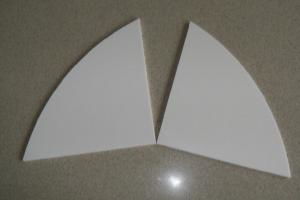
Another area where acrylic solid surface demands careful consideration is its reaction to heat. Unlike natural stones, which can generally withstand high temperatures, acrylic solid surface has a lower heat tolerance. Direct contact with extremely hot pots, pans, or baking sheets can cause permanent scorching, discoloration, or even warping of the material. This means that the use of trivets and hot pads is not just a recommendation but a necessity for anyone opting for this material in their kitchen. The potential for heat damage can be a significant drawback for those who frequently engage in extensive cooking and may not always remember to use protective measures. While some manufacturers offer heat-resistant formulations, they may come at a higher cost or with slightly different aesthetic properties. This limitation often leads to a degree of user anxiety in the kitchen, a space traditionally associated with warmth and activity, potentially tempering the carefree enjoyment of cooking and entertaining.
While the repairability of acrylic solid surface is a significant plus, it’s important to acknowledge that it’s not an infallible solution for all forms of damage. Deep gouges, significant impact damage, or extensive discoloration might be challenging and costly to repair seamlessly. While professionals can often blend repairs to be nearly invisible, the success of the repair can depend on the skill of the technician, the color and pattern of the material, and the extent of the damage. In some extreme cases, replacing an entire section or even the whole piece might be the most aesthetically pleasing and practical solution, which can negate some of the initial cost savings associated with repairability. Moreover, the cost of acrylic solid surface, while often competitive, can vary significantly depending on the brand, color, complexity of the design, and installation. High-end custom designs with intricate thermoformed shapes or specialized finishes can command a premium price, potentially rivaling or even exceeding the cost of some natural stones or engineered quartz. It’s crucial to obtain detailed quotes and understand what is included in the price, particularly regarding fabrication and installation, as these can be substantial components of the overall investment.
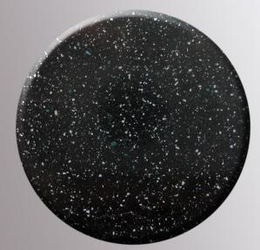
Finally, while acrylic solid surface is resistant to most common household stains, it can be susceptible to certain chemicals. Prolonged exposure to strong solvents, acids, or abrasive cleaning agents can damage the surface finish, leading to dulling or discoloration. It’s always advisable to consult the manufacturer’s guidelines for recommended cleaning products and to address spills promptly, even those that aren’t traditionally considered staining. The UV sensitivity of some acrylic formulations can also be a consideration for applications exposed to direct sunlight, potentially leading to yellowing or fading over time, though advancements in material science are continually addressing this. In conclusion, acrylic solid surface offers a dazzling array of design possibilities and practical advantages, particularly in terms of hygiene and seamless integration. However, its propensity for scratching, sensitivity to heat, and potential repair limitations necessitate a thoughtful approach to its selection and maintenance. By understanding both its radiant strengths and its discernible weaknesses, you can confidently determine whether this versatile material is the perfect fit to illuminate your next design endeavor.









