
In the grand theatre of the modern kitchen, few materials have captured the spotlight quite like Du Pont Corian. For decades, this innovative solid surface material has been a darling of designers and homeowners alike, promising a seamless blend of form and function. It’s the material that whispers elegance, shouts versatility, and whispers again with the promise of a durable, low-maintenance surface. But as with any star performer, Corian has its dramatic highs and its quieter, perhaps less glamorous, moments. This isn’t just about choosing a countertop; it’s about investing in the heart of your home, the stage where culinary creations come to life and cherished memories are forged. So, let’s pull back the curtain and examine the dazzling array of benefits that have cemented Corian’s reputation, and then, with an equally discerning eye, explore the aspects that might give you pause.

One of the most celebrated attributes of Corian is its sheer aesthetic adaptability. Imagine a canvas that can be sculpted into virtually any shape, infused with any color imaginable, and even designed to mimic the veining of natural stone or the subtle shimmer of mica. This is the magic of Corian. Its non-porous nature means that spills, whether they be a splash of red wine, a smear of tomato sauce, or a dribble of olive oil, tend to stay on the surface, waiting patiently to be wiped away. This inherent resistance to stains is a significant boon for busy households where culinary adventures are frequent and sometimes, let’s be honest, a little messy. The seamless integration of sinks and backsplashes is another triumph. Unlike traditional materials where a visible seam between countertop and sink can become a breeding ground for grime and a visual interruption, Corian allows for a fluid, monolithic design. This not only enhances the sleek, modern aesthetic but also dramatically simplifies cleaning. No more awkward corners to scrub; just a smooth, unbroken surface that’s a breeze to maintain.
Furthermore, Corian’s composition offers a unique advantage in terms of repairability. While no material is entirely indestructible, Corian possesses a remarkable ability to be rejuvenated. Minor scratches, chips, or even heat marks can often be buffed out or repaired by a professional, restoring the surface to its former glory without the need for a complete replacement. This “self-healing” capability, in a sense, extends the lifespan and preserves the beauty of your investment. Think of it as a well-loved piece of furniture that can be refinished – a testament to its enduring quality. The color palette available is truly astounding. From classic whites and muted grays that evoke a sense of timeless sophistication to vibrant hues that inject personality and drama, there’s a Corian shade to complement every design vision. Moreover, the color is consistent throughout the entire thickness of the material. This means that even if a surface is scratched, the underlying color remains the same, making repairs even more discreet. This consistency is a far cry from materials like laminate, where a scratch can reveal a different color or core material underneath.
The tactile experience of Corian is also worth mentioning. It possesses a warmth that is often associated with natural materials, a pleasant contrast to the sometimes cold, hard feel of granite or quartz. This subtle warmth contributes to the overall inviting and comfortable atmosphere of a kitchen. Its smooth, velvety texture is a pleasure to touch, making even the mundane act of preparing food a more enjoyable experience. In terms of hygiene, Corian truly shines. Its non-porous surface prevents the absorption of liquids, thus inhibiting the growth of bacteria, mold, and mildew. This makes it an exceptionally sanitary choice for kitchens, where food preparation demands the highest standards of cleanliness. For families with young children or individuals with compromised immune systems, this hygienic aspect can be a significant deciding factor. The ease of cleaning also extends to its resistance to discoloration from common household cleaners, although it’s always prudent to consult manufacturer guidelines for specific recommendations.
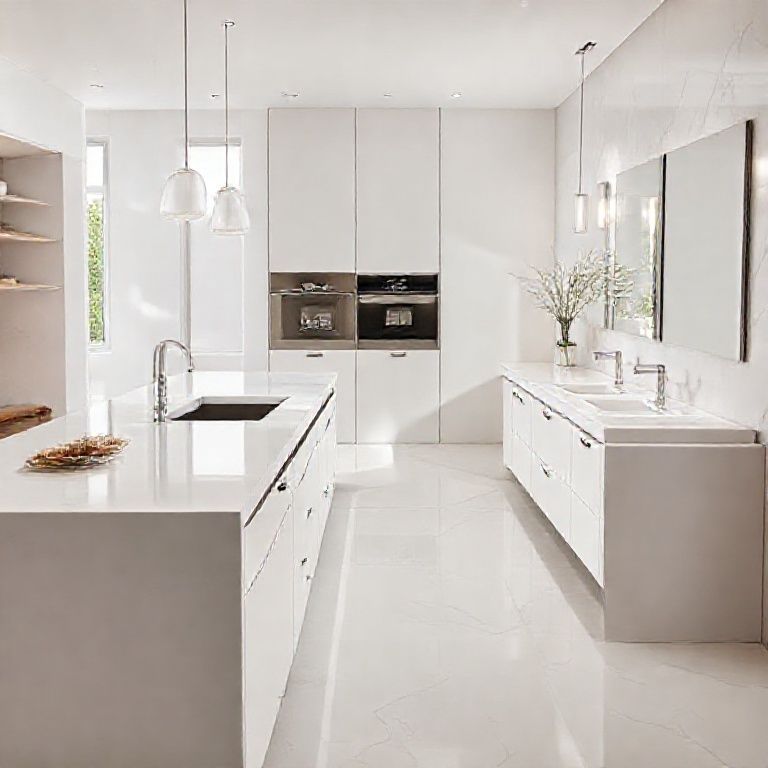
Beyond its functional benefits, Corian offers a canvas for creative expression. Its thermoformability allows it to be shaped into curves, waves, and other organic forms, opening up a world of design possibilities that are simply not achievable with more rigid materials. This means you can have a waterfall edge that flows seamlessly, a curved island that becomes the centerpiece of your kitchen, or even integrated seating that merges effortlessly with your countertops. This level of customization makes Corian a truly unique material for those who desire a kitchen that is as individual as they are. The consistent color and pattern across the entire slab also means that you don’t have to worry about matching slabs or dealing with the natural variations that can be found in stone. This predictability can be a significant advantage for designers and homeowners aiming for a very specific look. In summary, Corian presents a compelling case for those seeking a kitchen countertop that is beautiful, highly functional, hygienic, and remarkably customizable. Its ability to resist stains, integrate seamlessly with sinks, be repaired, and offer an almost limitless palette of colors and designs makes it a formidable contender in the world of kitchen surfaces.
While the allure of Du Pont Corian countertops is undeniable, a balanced perspective requires us to explore the other side of the coin – the considerations and potential drawbacks that might influence your decision. Even the most radiant stars have their shadows, and understanding these nuances will equip you with the comprehensive knowledge needed to make the best choice for your kitchen. It’s about seeing the whole picture, not just the dazzling highlights.
One of the most frequently discussed aspects of Corian is its susceptibility to scratches. While the material is durable, it is softer than granite or quartz. This means that everyday activities like chopping vegetables directly on the surface (which, let’s be honest, is tempting on such a smooth expanse) or sliding heavy pots and pans can leave visible marks. While minor scratches can be buffed out, deeper gouges might require professional repair. This necessitates a conscious effort to use cutting boards and be mindful of how you handle cookware, a small behavioral adjustment that’s essential to maintaining its pristine appearance. Some homeowners find this level of vigilance to be a bit more demanding than they’d prefer, especially if they are accustomed to a more “indestructible” surface.
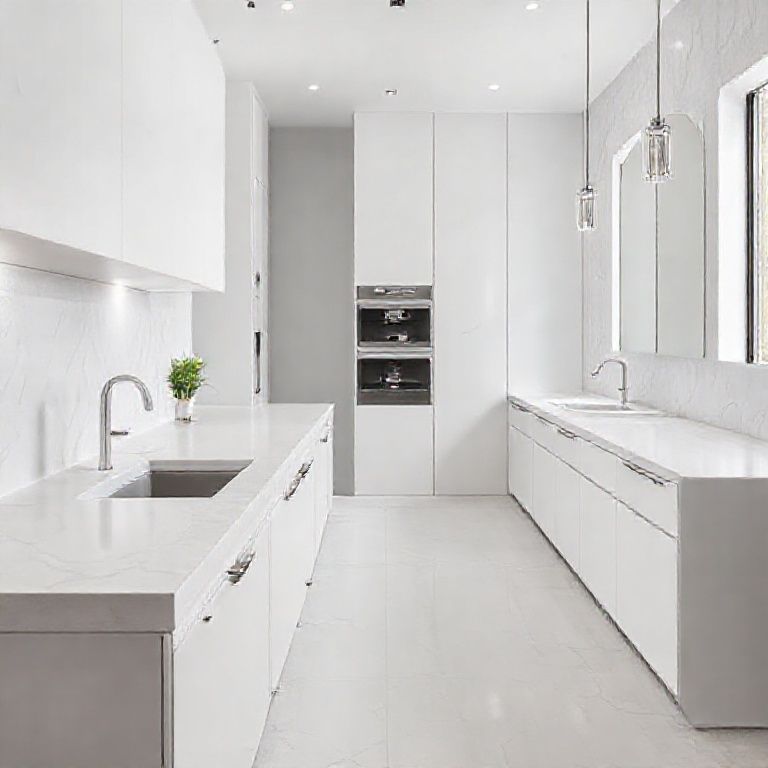
Heat resistance is another area where Corian is not as robust as some of its competitors. While it can withstand moderate heat, placing hot pots and pans directly from the stove or oven onto a Corian surface can lead to thermal shock, resulting in discoloration, warping, or even cracking. This is a critical point to remember: always use trivets or hot pads. This isn’t a unique limitation to Corian; many materials benefit from this precaution, but it’s particularly important for solid surfaces to avoid such damage. For those who frequently engage in high-heat cooking and value the convenience of placing hot items down immediately, this might be a significant factor to weigh. The repairability, while a major advantage, can also come with a caveat. While minor repairs are often DIY-friendly or relatively inexpensive, extensive damage or repairs that require color matching can sometimes be more involved and costly. The skill of the technician performing the repair is also crucial in achieving a seamless result, and finding a qualified professional is key.
The cost of Corian can also be a consideration. While it was once positioned as a more budget-friendly alternative to natural stone, its price point has evolved. Depending on the color and complexity of the fabrication, Corian can be comparable in price to, or even exceed, some types of granite and quartz. It’s important to get detailed quotes and compare pricing apples to apples, factoring in fabrication and installation costs, which can vary significantly. The perceived value proposition might shift depending on your budget and the specific Corian product you choose. Some of the more exotic colors or patterns can command a premium, making it less of a budget option than initially perceived.
While Corian is non-porous and highly resistant to stains, it’s not entirely impervious to discoloration from certain chemicals or prolonged exposure to harsh substances. Strong solvents, aggressive cleaners, or even certain dyes left to sit for extended periods could potentially affect the surface. Always adhere to the manufacturer’s recommendations for cleaning and avoid harsh chemicals. While this is generally true for most countertop materials, it’s worth noting that the uniformity of Corian means any discoloration is often more apparent and harder to mask than in materials with natural variations.
Furthermore, some people find the appearance of Corian, despite its vast color options, to be less luxurious or natural-looking than real stone. While advancements in manufacturing have made Corian incredibly sophisticated, the lack of natural veining and unique patterns found in granite or marble can be a drawback for those seeking that specific organic beauty. It can sometimes have a more uniform, manufactured look, which may not appeal to everyone’s aesthetic preferences. The “warmth” it offers is subjective; some might find it pleasant, while others might prefer the inherent coolness of stone. Lastly, while durable, Corian can be more susceptible to damage from impact than harder materials like quartz. Dropping a heavy object on the edge, for instance, could result in chipping that’s more significant than a superficial scratch.
In conclusion, Du Pont Corian countertops offer a compelling blend of aesthetic versatility, hygienic properties, and repairability. Its seamless design capabilities, vast color palette, and ease of maintenance make it an attractive option for many kitchens. However, it’s crucial to weigh these advantages against its susceptibility to scratches and heat, the potential cost, and its manufactured aesthetic. By understanding both the dazzling benefits and the practical considerations, you can confidently decide if Corian is the right material to bring your dream kitchen to life.









