Sure, I can help you with that! Here’s a soft article comparing acrylic and artificial stone, aiming for an attractive and engaging tone.

In the grand theater of interior design, where every surface plays a role in crafting a harmonious space, countertops often take center stage. They are the workhorses of our kitchens, the serene platforms of our bathrooms, and silent witnesses to our daily lives. As we seek materials that blend aesthetic appeal with unwavering functionality, two contenders frequently emerge: acrylic and artificial stone. While both offer sleek, contemporary surfaces, their origins, properties, and aesthetic potential are wonderfully distinct. Understanding these differences is key to unlocking the full potential of your design vision.
Let’s begin our exploration with acrylic, often known in the design world as solid surface. Think of acrylic as the chameleon of countertop materials. Its true magic lies in its remarkable seamlessness. Imagine a kitchen island that appears sculpted from a single, pristine block, with no visible joints or seams to interrupt its fluid lines. This is the hallmark of acrylic. Its non-porous nature means spills and stains are mere fleeting visitors, easily wiped away, making it a hygiene champion, particularly in environments where cleanliness is paramount, like kitchens and bathrooms. The inherent flexibility of acrylic also allows it to be molded into an astonishing array of shapes and forms, embracing curves, intricate edges, and even integrated sinks that seamlessly meld into the countertop itself. This design freedom is a designer’s dream, allowing for truly bespoke creations that push the boundaries of conventional aesthetics.
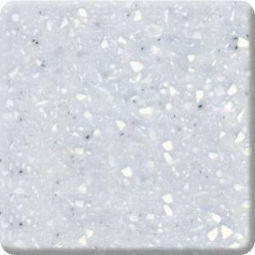
Beyond its functional prowess, acrylic offers a spectrum of visual possibilities. It can mimic the look of natural stone with surprising fidelity, boasting a range of colors and patterns that can evoke anything from the subtle veining of marble to the bolder textures of granite. However, acrylic truly shines when it embraces its own inherent character. Imagine translucent hues that can be backlit, casting a soft, ethereal glow that transforms a space. Or perhaps a bold, opaque color that serves as a vibrant focal point. The matte or semi-gloss finishes often associated with acrylic lend a contemporary, sophisticated feel, devoid of the harsh glare that some polished stones can exhibit. Furthermore, acrylic is surprisingly warm to the touch, a welcome contrast to the often cool, hard feel of stone, adding a layer of tactile comfort to your living spaces.
The repairability of acrylic is another significant advantage. Minor scratches or chips can often be buffed out or repaired by a professional, restoring the surface to its original splendor. This resilience means that an acrylic countertop can maintain its pristine appearance for years to come, a testament to its enduring appeal. When considering the overall investment, acrylic often presents a compelling value proposition. While the initial cost can vary depending on the brand and complexity of the design, its durability, ease of maintenance, and the potential for seamless integration can translate into long-term savings and satisfaction. It’s a material that doesn’t just look good; it performs exceptionally well, offering a practical and beautiful solution for a myriad of design challenges. Its versatility extends beyond countertops, finding its way into wall panels, shower surrounds, and even furniture, showcasing its adaptability and broad appeal. The story of acrylic is one of fluidity, seamless integration, and a canvas for limitless design expression.
Now, let’s turn our gaze to the captivating realm of artificial stone, a category that encompasses a diverse family of materials, with quartz surfaces being the most prominent and often the benchmark for comparison. Unlike its acrylic counterpart, artificial stone, particularly quartz, is engineered to deliver unparalleled durability and a distinct aesthetic that often draws inspiration from nature’s most exquisite creations. Imagine the timeless elegance of marble or the robust grandeur of granite, meticulously recreated and enhanced with modern material science. This is the essence of artificial stone. Its composition, typically a blend of natural quartz crystals (around 90-95%), polymer resins, and pigments, creates a surface that is exceptionally hard, dense, and, crucially, non-porous.
The non-porous nature of artificial stone is a game-changer. It means that liquids, oils, and food residues have nowhere to penetrate, rendering it highly resistant to staining. Red wine spills on a white countertop? A forgotten citrus juice puddle? These are typically no match for the robust defenses of artificial stone. This inherent resistance to stains, coupled with its resistance to scratches and heat, makes it an incredibly practical choice for busy kitchens and high-traffic areas. Think of those moments when you’ve placed a hot pan directly on the counter – with many artificial stones, this is a worry of the past. This resilience doesn’t come at the expense of beauty; rather, it amplifies it, allowing the material to maintain its lustrous appearance day after day, year after year.
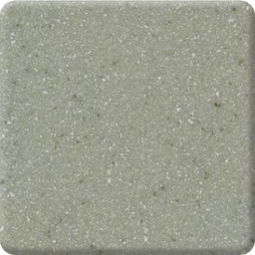
Visually, artificial stone offers a breathtaking array of choices. The natural beauty of quartz crystals is preserved, and manufacturers skillfully introduce pigments and resins to create an astonishing palette. You can find surfaces that flawlessly replicate the intricate veining of Calacatta marble, the deep, rich hues of black granite, or the subtle, earthy tones of travertine. Beyond the natural inspirations, artificial stone also ventures into the realm of the purely contemporary, with solid colors, metallic flecks, and unique patterns that offer a distinctively modern aesthetic. The finishes typically range from polished, which offers a high-gloss, reflective surface, to honed, which provides a more subdued, matte appearance. The visual depth and complexity achievable with artificial stone are remarkable, often exhibiting subtle variations and patterns that add a layer of sophistication and character to any design.
While artificial stone is incredibly durable, it’s important to note its limitations. Unlike acrylic, it cannot be seamlessly molded into complex shapes or integrated sinks. Joints and seams are typically visible, though skilled fabricators can minimize their prominence. Repairs to deep scratches or chips can be more challenging and may require professional intervention to restore the surface seamlessly. The hardness of artificial stone, while a significant advantage, also means it can be unforgiving; dropping a delicate glass can result in breakage. However, for those seeking a surface that combines the timeless allure of natural stone with the superior performance and low maintenance of modern engineering, artificial stone, particularly quartz, stands as an undeniable champion. It’s a material that speaks of enduring quality, effortless elegance, and a commitment to both form and function. The story of artificial stone is one of engineered excellence, natural inspiration, and enduring beauty.