The Differences Between Artificial Stone and Quartz Stone Countertops
When it comes to selecting the perfect countertop for your kitchen or bathroom, the choices are vast and varied. Among the most popular options are artificial stone and quartz stone. These materials have become increasingly favored for their durability, aesthetics, and cost-effectiveness. However, understanding the differences between artificial stone and quartz stone is crucial to make an informed decision.
Material Composition
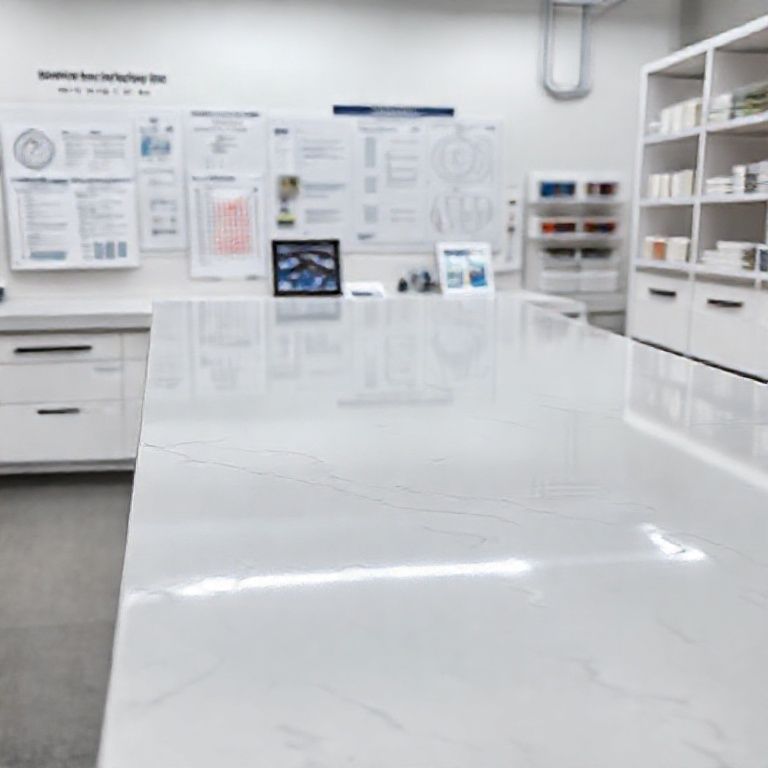
Artificial stone, often referred to as cultured stone, is a composite material made from a mixture of natural stone powder, resin, and colorants. The natural stone powder is typically sourced from marble, granite, or other stones, but it’s not the actual stone in its natural form. Instead, it is mixed with a polymer resin that binds the stone particles together. This creates a material that mimics the appearance of natural stone but is entirely synthetic.
On the other hand, quartz stone, often referred to simply as quartz, is a unique type of engineered stone. Unlike artificial stone, quartz is made from 93% pure quartz powder mixed with a polymer resin. The remaining 7% consists of various pigments and other additives to achieve the desired color and texture. The high percentage of quartz powder gives this material its distinct hardness and durability.
Durability
Durability is one of the most compelling reasons to choose artificial stone or quartz stone over traditional natural stone. Both materials offer impressive resistance to scratches, stains, and heat, making them suitable for high-traffic areas like kitchens and bathrooms.
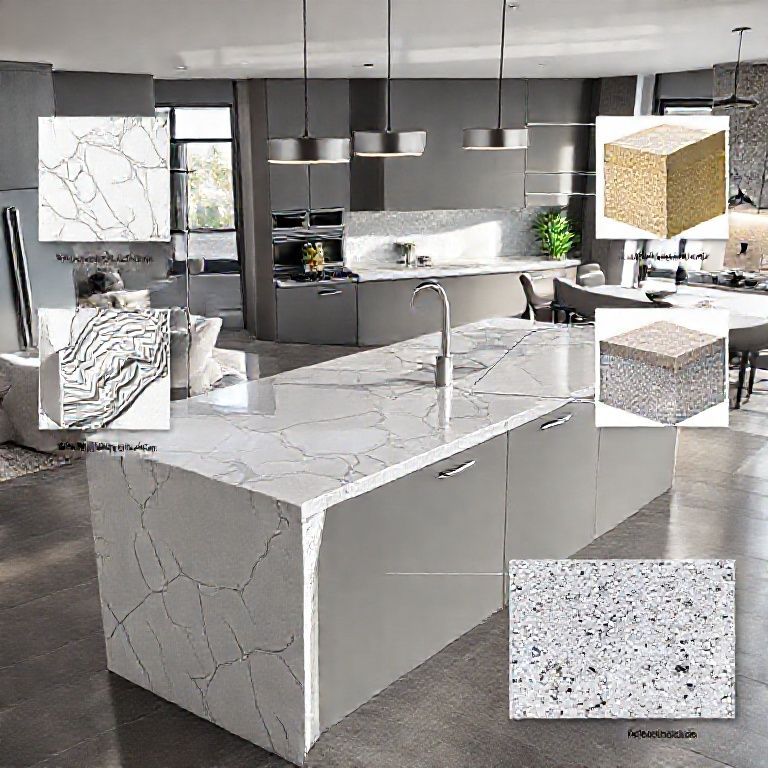
Artificial stone is known for its excellent scratch resistance. The resin binding the stone powder provides a smooth, hard surface that is less prone to scratches compared to traditional stone countertops. However, it is slightly less resistant to thermal shock than quartz. This means that while artificial stone can handle hot pots and pans, it might crack if subjected to sudden temperature changes.
Quartz stone, with its high quartz content, stands out in terms of durability. Quartz is known for its superior scratch resistance and thermal stability. It can withstand both everyday wear and tear and sudden temperature changes without cracking or breaking. Additionally, quartz countertops have a high compressive strength, making them highly durable and long-lasting.
Maintenance
Maintenance is another critical factor when choosing between artificial stone and quartz stone. Both materials are designed to be low-maintenance, but they have subtle differences in how they handle cleaning and upkeep.
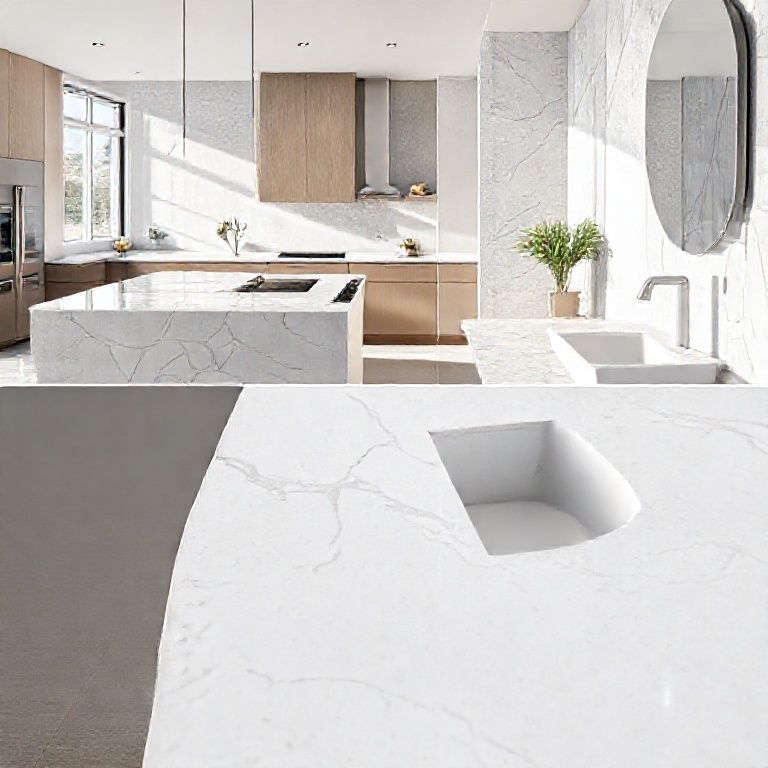
Artificial stone countertops are relatively easy to clean. A simple wipe with a damp cloth and a mild soap solution is usually sufficient to maintain their appearance. However, it’s important to avoid using abrasive cleaners or scrubbers as they can scratch the surface. Additionally, while artificial stone is resistant to stains, it’s still advisable to clean up spills immediately to prevent any potential discoloration.
Quartz stone countertops are known for their exceptional low-maintenance requirements. Like artificial stone, they can be cleaned with a damp cloth and mild soap, but they offer even greater resistance to stains, scratches, and heat. Quartz’s high quartz content and polymer resin binding make it nearly impossible for stains to penetrate the surface. Moreover, quartz countertops are highly resistant to acidic substances, making them ideal for kitchens where spills from cleaning agents or food are common.
Aesthetics
Aesthetics play a significant role in the decision-making process for many homeowners. Both artificial stone and quartz stone offer a wide range of colors, patterns, and finishes that can mimic natural stone or provide unique, custom designs.
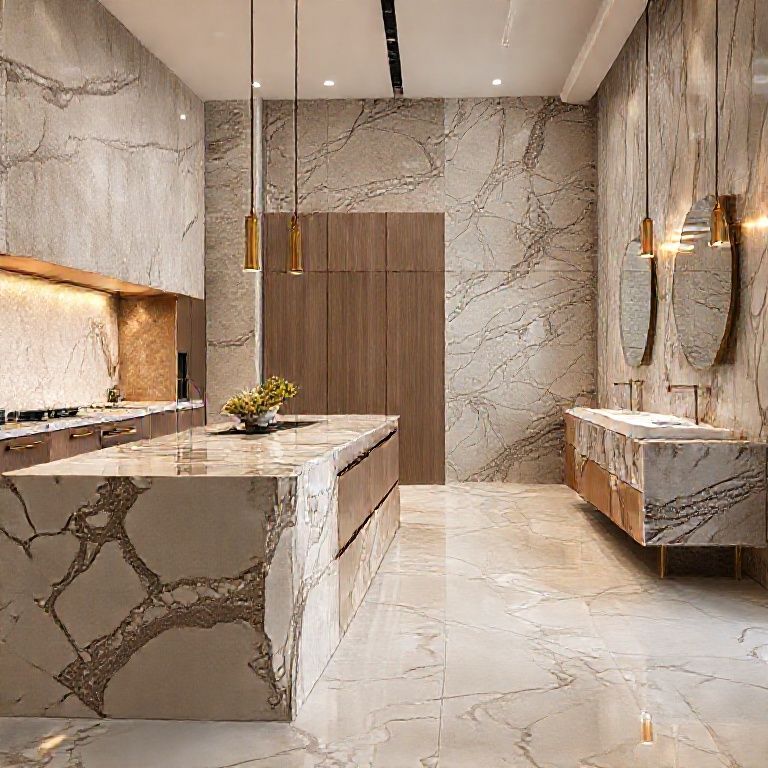
Artificial stone allows for a variety of aesthetic options. It can be crafted to resemble various types of natural stone, including marble, granite, and travertine. The versatility in color and pattern means that you can choose a design that matches your existing decor or creates a bold, custom look. However, because it’s a composite material, the appearance might not perfectly replicate the unique veining and texture found in natural stone.
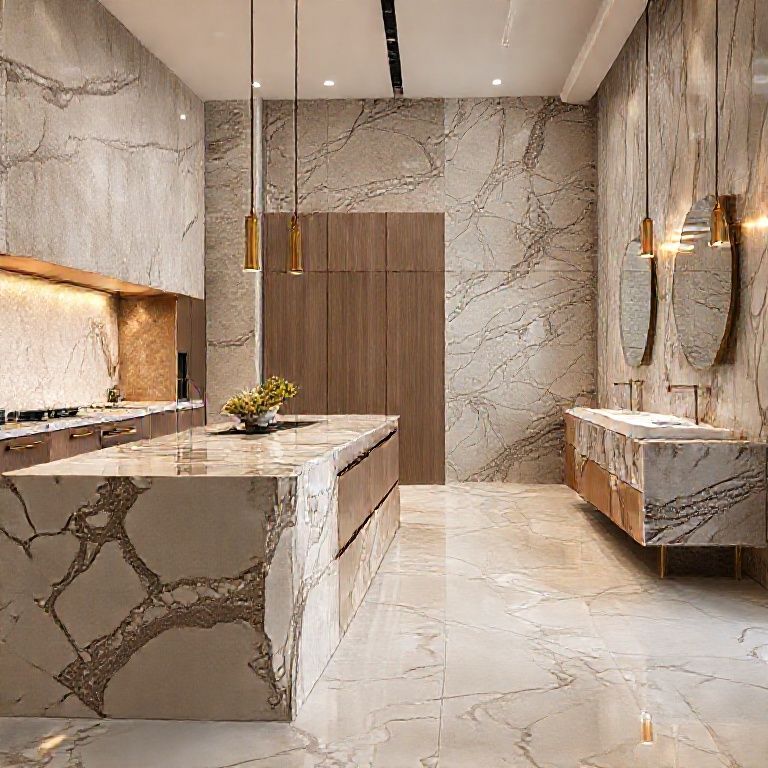
Quartz stone offers unparalleled aesthetics. Its high quartz content allows for an almost limitless range of colors and patterns. Manufacturers can create intricate designs that closely mimic natural stone or offer completely unique, one-of-a-kind looks. The seamless integration of quartz and polymer resin ensures a consistent texture and color throughout the countertop, providing a polished, professional appearance that is hard to achieve with other materials.
Cost
Cost is often a significant consideration when choosing countertops. Both artificial stone and quartz stone offer cost-effective alternatives to traditional natural stone.
Artificial stone is generally more affordable than quartz. The lower cost of artificial stone is due to the less expensive materials used in its production. It’s an excellent option for those looking for a high-quality, natural-looking countertop without the premium price tag of natural stone.
Quartz stone, while still an affordable alternative to natural stone, typically has a higher price point than artificial stone. The higher cost is reflective of the superior quality and durability of quartz. However, the long-lasting nature of quartz can offset the initial investment, as it requires less frequent replacement compared to other materials.
Conclusion
Both artificial stone and quartz stone offer compelling advantages for modern homeowners. Whether you prioritize durability, aesthetics, or cost, these synthetic materials provide excellent alternatives to traditional natural stone. Understanding the differences between artificial stone and quartz stone can help you make a well-informed decision that best suits your needs and preferences.
In the next part, we will delve deeper into the installation process, design flexibility, and environmental impact of artificial stone and quartz stone countertops. Stay tuned to learn more about how these materials can transform your kitchen and bathroom spaces.
The Differences Between Artificial Stone and Quartz Stone Countertops
Continuing our exploration into the world of artificial stone and quartz stone, this part will cover the installation process, design flexibility, and environmental impact of these popular countertop materials. Understanding these aspects will provide you with a comprehensive overview to help you make the best choice for your next renovation project.
Installation Process
The installation process for both artificial stone and quartz stone countertops is designed to be straightforward, but there are some differences in the specifics.
Artificial stone countertops are typically installed using adhesives. Due to their relatively lightweight nature, they can be cut to size and fixed directly onto the countertop surface using a strong adhesive. However, it’s important to ensure that the surface is clean and dry before applying the adhesive to achieve a strong bond. While the installation process is relatively simple, it may require some skill and patience to cut the artificial stone to the desired shape.
Quartz stone countertops also use adhesives for installation, but they are generally heavier than artificial stone. This means that more care must be taken during cutting and placement to ensure a precise fit. Quartz’s higher density and hardness can make it more challenging to cut and shape compared to artificial stone. However, the precise nature of quartz makes it ideal for custom designs and intricate patterns. Professional installation is often recommended to ensure a flawless finish.
Design Flexibility
Design flexibility is one of the biggest advantages of both artificial stone and quartz stone. These materials allow for a wide range of creative possibilities, making them ideal for custom designs and unique looks.
Artificial stone offers excellent design flexibility. It can be crafted to mimic the appearance of various natural stones, such as marble, granite, and travertine. Additionally, artificial stone can be customized to create unique patterns and colors that are not possible with traditional natural stone. This flexibility makes it a popular choice for homeowners who want a natural-looking countertop with a unique design.
Quartz stone provides unmatched design flexibility. Its high quartz content and polymer resin binding allow for a nearly limitless range of colors, patterns, and textures. Manufacturers can create intricate designs that closely mimic natural stone or offer completely unique, one-of-a-kind looks. Quartz’s versatility means that you can achieve any design vision you have, from subtle, natural patterns to bold, geometric shapes.
Environmental Impact
The environmental impact of artificial stone and quartz stone is an important consideration for many homeowners, particularly those who are environmentally conscious.
Artificial stone is generally considered to have a lower environmental impact compared to traditional natural stone. The production of artificial stone involves fewer natural resources and generates less waste. Additionally, artificial stone can be manufactured using recycled materials, further reducing its environmental footprint.
Quartz stone also has a relatively low environmental impact. While the production process involves some energy consumption, the high durability and longevity of quartz countertops mean that fewer replacements are needed over time. This reduces the overall demand for new materials and lessens the environmental impact associated with mining and processing natural stone.
Health and Safety
Health and safety are crucial considerations when choosing countertops, especially in areas where food and beverages are prepared.
Artificial stone is generally safe for use in kitchens and bathrooms. The resin used in artificial stone is food-safe and does not emit harmful chemicals. However, it’s important to avoid using harsh chemicals or abrasive cleaners that can damage the surface.
Quartz stone is known for its exceptional health and safety profile. Quartz countertops are made from pure quartz powder, which is non-toxic and safe for everyday use. Additionally, quartz is resistant to bacteria and mold, making it ideal for high-traffic areas where cleanliness is paramount.
Conclusion
In conclusion, both artificial stone and quartz stone offer unique benefits that make them excellent choices for modern countertops. From their installation process anddesign flexibility to their environmental impact and health safety, these materials provide versatile options for a variety of renovation needs.
Durability Over Time
When considering durability over time, both artificial stone and quartz stone outshine many traditional natural stones. Artificial stone, while durable, tends to have a slightly lower resistance to thermal shock compared to quartz stone. This means that while both materials can handle everyday wear and tear, quartz’s superior hardness and thermal stability make it more resilient to sudden temperature changes.
Customization and Design
The customization and design possibilities offered by artificial stone and quartz stone are truly remarkable. Artificial stone allows for a wide range of colors and patterns, giving you the ability to replicate the look of natural stones like marble and granite. It also offers the flexibility to create unique designs that might not be possible with traditional natural stone.
Quartz stone takes customization to a whole new level. With its nearly limitless range of colors and patterns, quartz can be tailored to match any design vision. Whether you want a subtle, natural look or a bold, custom design, quartz provides the flexibility to achieve it. The high-quality finish of quartz ensures that each piece looks professional and polished.
Cost-Effectiveness
Cost-effectiveness is another area where artificial stone and quartz stone shine. Both materials offer excellent value compared to traditional natural stone. Artificial stone is generally more affordable due to its lower material costs and simpler manufacturing process. This makes it an excellent option for those looking for a high-quality, natural-looking countertop without breaking the bank.
Quartz stone, while slightly more expensive, offers superior durability and longevity that can offset the initial cost. The long-lasting nature of quartz means that fewer replacements are needed over time, providing excellent value for money. Additionally, quartz’s resistance to stains, scratches, and heat makes it a practical choice for high-traffic areas like kitchens and bathrooms.
Maintenance
Maintenance of artificial stone and quartz stone countertops is relatively low, but there are some differences in how they handle cleaning and upkeep.
Artificial stone countertops are easy to clean and maintain. A simple wipe with a damp cloth and mild soap is usually sufficient to keep them looking their best. It’s important to avoid using abrasive cleaners or scrubbers, as these can scratch the surface. Spills should be cleaned up promptly to prevent any potential discoloration.
Quartz stone countertops require minimal maintenance. They are highly resistant to stains, scratches, and heat, making them ideal for kitchens and bathrooms where spills and spills are common. A damp cloth and mild soap are usually all that’s needed to keep quartz looking pristine. The material’s resistance to acidic substances ensures that spills from cleaning agents or food do not penetrate the surface.
Installation Considerations
Installation of artificial stone and quartz stone countertops is generally straightforward, but there are some differences in the specifics.
Artificial stone is typically lighter and easier to cut and shape compared to quartz stone. It can be installed using adhesives, and professionals often recommend this method for a strong bond. The installation process is relatively simple, but it requires some skill and patience to cut the artificial stone to the desired shape.
Quartz stone, due to its higher density and hardness, can be more challenging to cut and shape. Professional installation is often recommended to ensure a precise fit and a flawless finish. While the installation process is more involved, the high-quality finish of quartz makes it worth the effort.
Environmental Impact
Both artificial stone and quartz stone offer a more environmentally friendly alternative to traditional natural stone. The production of artificial stone involves fewer natural resources and generates less waste compared to mining natural stone. Additionally, artificial stone can be manufactured using recycled materials, further reducing its environmental footprint.
Quartz stone also has a relatively low environmental impact. The production process, while energy-intensive, generates less waste compared to traditional stone mining. The high durability and longevity of quartz mean that fewer replacements are needed over time, reducing the overall demand for new materials.
Health and Safety
Health and safety are critical considerations when choosing countertops, and both artificial stone and quartz stone offer excellent safety profiles.
Artificial stone is made with food-safe resin, ensuring that it does not emit harmful chemicals. However, it’s important to avoid using harsh chemicals or abrasive cleaners that can damage the surface.
Quartz stone is made from pure quartz powder, which is non-toxic and safe for everyday use. Its resistance to bacteria and mold makes it ideal for high-traffic areas where cleanliness is paramount.
Conclusion
In conclusion, artificial stone and quartz stone provide versatile and durable alternatives to traditional natural stone for modern countertops. From their impressive durability and customization options to their cost-effectiveness and low maintenance requirements, these materials offer excellent value and practicality for a wide range of renovation projects. Whether you prioritize design flexibility, environmental impact, or health and safety, both artificial stone and quartz stone have much to offer, making them top choices for kitchen and bathroom renovations.
By understanding the differences between these two materials, you can make an informed decision that best suits your needs and preferences, ensuring a beautiful and functional countertop for years to come.