The Distinction Between Artificial Stone Countertops and Quartzite: A Comprehensive Guide
When it comes to selecting the perfect countertop for your kitchen or bathroom, the choice between artificial stone countertops and quartzite can be quite challenging. Both materials have their own unique allure and practical benefits, but understanding their differences can help you make a more informed decision. This comprehensive guide will explore the intricacies of these two popular materials, focusing on their composition, durability, maintenance, and overall suitability for different spaces.
What Are Artificial Stone Countertops?
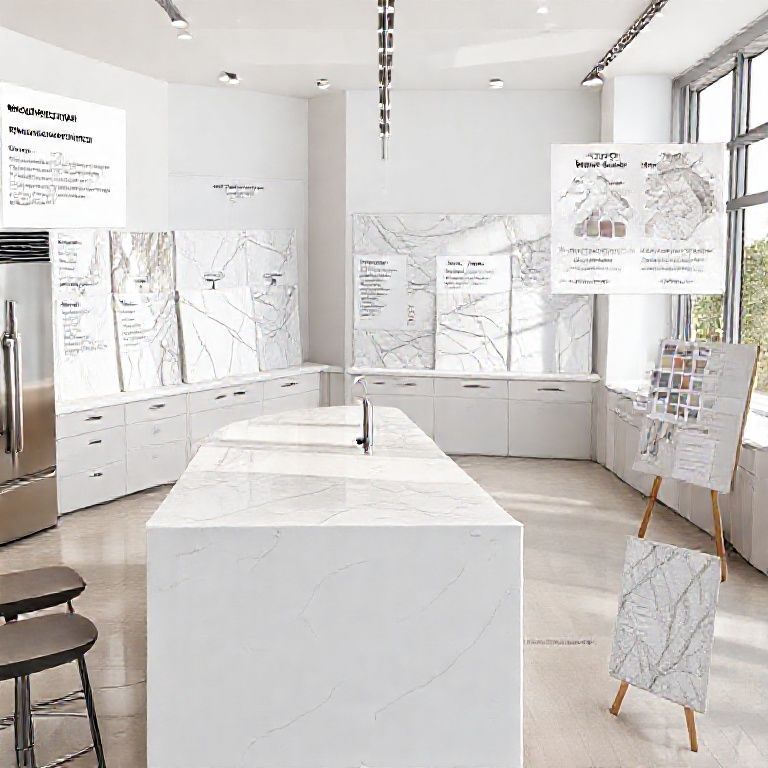
Artificial stone countertops are composite materials made primarily from natural stone powders, such as calcite, limestone, or marble, combined with a resin binder. This mixture is then poured into molds and allowed to cure, resulting in a solid surface that mimics the look of natural stone.
Benefits of Artificial Stone Countertops:
Aesthetic Versatility: Artificial stone countertops come in an array of colors and patterns, allowing for a high degree of customization. You can choose designs that closely resemble marble, granite, or other natural stones, or opt for unique, one-of-a-kind patterns that are not possible with natural stone.
Cost-Effectiveness: One of the most significant advantages of artificial stone is its affordability. Since it is a man-made product, it generally costs less than natural stone, making it an accessible option for many homeowners.
Lightweight and Easy to Install: Artificial stone countertops are much lighter than natural stone, making them easier to install. They can be cut with standard tools, and many designs can be installed by DIY enthusiasts.
Durability: While not as scratch-resistant as quartzite, artificial stone countertops are still quite durable. They are resistant to most household acids, including coffee, tea, and wine, and can withstand daily wear and tear.
Drawbacks of Artificial Stone Countertops:
Heat Resistance: Artificial stone is not as heat-resistant as natural stone. It can crack if exposed to extreme heat, such as from a hot pan or a blow torch.
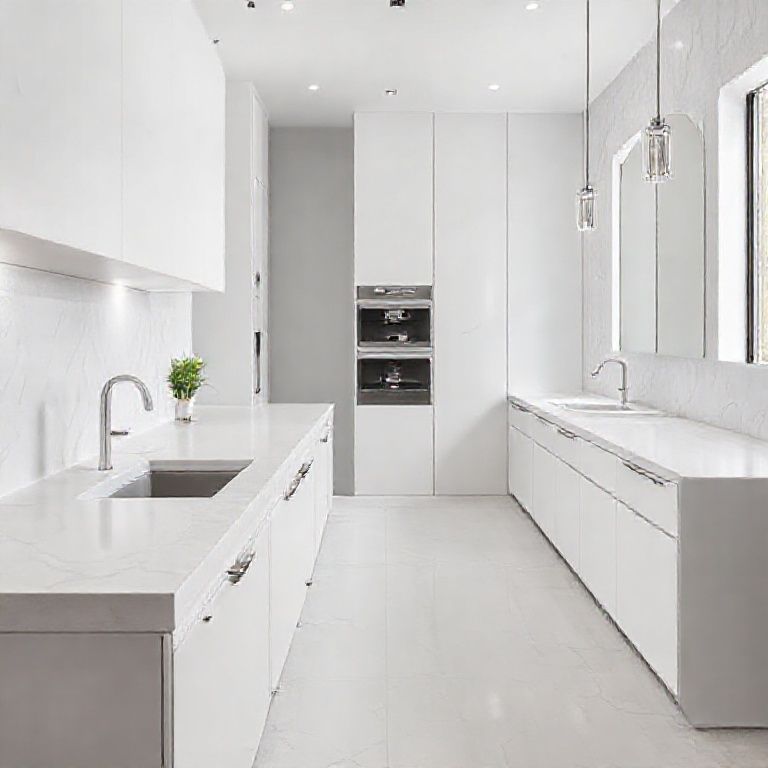
Water Resistance: Although artificial stone is resistant to many household acids, it is not as impervious to water as natural stone.
What Is Quartzite?
Quartzite is a type of natural stone that is formed from the metamorphism of quartz-rich sandstone. It is composed primarily of quartz, giving it exceptional strength and durability.
Benefits of Quartzite Countertops:
Unmatched Durability: Quartzite is one of the hardest natural stones available, ranking a 7 on the Mohs scale. This makes it highly resistant to scratches, stains, and impacts.
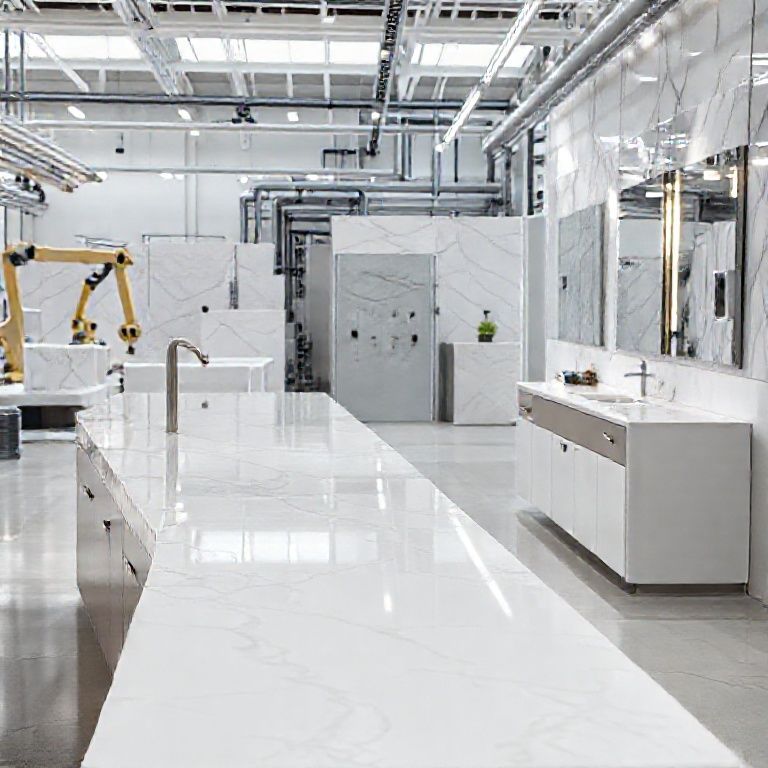
Heat Resistance: Quartzite can withstand extremely high temperatures, making it an excellent choice for areas where heat is a concern, such as near stovetops.
Water Resistance: Because quartzite is primarily made of quartz, it is highly water-resistant and does not absorb moisture, making it ideal for both kitchen and bathroom countertops.
Aesthetic Appeal: Quartzite comes in a variety of natural colors and patterns, offering a timeless and elegant look. While it may not mimic other stones as closely as artificial stone, its natural beauty is undeniable.
Drawbacks of Quartzite Countertops:
Cost: Due to its natural origin and the extensive process required to extract and refine it, quartzite is significantly more expensive than artificial stone.
Weight: Quartzite is much heavier than artificial stone, which can make installation more challenging. Professional installation is often recommended.
Cutting and Shaping: Because of its hardness, quartzite can be difficult to cut and shape, requiring specialized tools and expertise.
Comparing Artificial Stone and Quartzite
When deciding between artificial stone and quartzite, it’s important to consider several key factors, including aesthetic preferences, budget, and the specific needs of the space where the countertop will be installed.
Durability: Quartzite’s superior hardness and resistance to scratches, stains, and heat make it the more durable option. Artificial stone is durable but not as resilient as quartzite, especially when exposed to high heat or water.
Cost: Artificial stone countertops are generally more affordable than quartzite. While quartzite offers unmatched durability, the higher cost may be prohibitive for some homeowners.
Maintenance: Both artificial stone and quartzite are relatively low-maintenance. However, quartzite’s natural resistance to water and stains means it may require less upkeep than artificial stone.
Installation: Artificial stone is easier and cheaper to install due to its lightweight and manageable cutting requirements. Quartzite, on the other hand, is best left to professionals due to its weight and hardness.
Aesthetic: Artificial stone provides more flexibility in terms of color and pattern, offering a wide range of designs to match any decor. Quartzite, with its natural beauty, offers a more rustic and timeless look that may suit traditional or modern designs equally well.
Conclusion
Both artificial stone countertops and quartzite have their own unique advantages and disadvantages. Artificial stone offers versatility, affordability, and ease of installation, making it a great choice for those on a budget or looking for a customizable option. Quartzite, with its unmatched durability, heat resistance, and natural beauty, is ideal for those who prioritize longevity and aesthetic appeal.
In the next part of this comprehensive guide, we will delve deeper into the applications and specific use cases for artificial stone countertops and quartzite, providing more detailed insights to help you make the best choice for your next renovation project.
The Distinction Between Artificial Stone Countertops and Quartzite: A Comprehensive Guide
Continuing our detailed exploration of artificial stone countertops and quartzite, this second part will focus on the practical applications, specific use cases, and long-term considerations for each material. Understanding where and how these materials are best used can further assist you in making an informed decision for your kitchen or bathroom renovation.
Applications and Specific Use Cases
Artificial Stone Countertops:
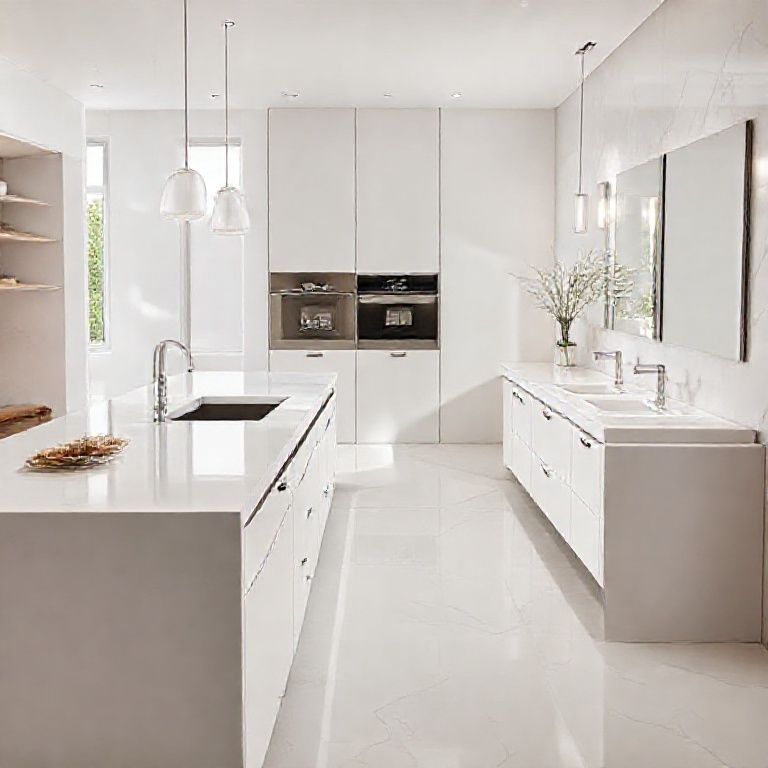
Kitchens: Artificial stone countertops are popular in kitchens due to their affordability and aesthetic versatility. They can mimic the look of high-end natural stones like marble and granite, providing a luxurious appearance at a fraction of the cost.
Bathrooms: In bathrooms, artificial stone can be used for countertops, vanities, and even showers. Its resistance to household acids makes it a practical choice for these areas, where it will be exposed to regular cleaning agents.
Commercial Spaces: Businesses such as cafes, restaurants, and offices often opt for artificial stone for its cost-effectiveness and ease of maintenance. The ability to customize colors and patterns makes it an attractive option for branding and interior design.
Decorative Features: Beyond countertops, artificial stone can be used to create decorative features like wall cladding, tabletops, and even furniture. Its versatility allows for endless creative possibilities.
Quartzite Countertops:
Kitchens: Quartzite’s durability and heat resistance make it an excellent choice for kitchen countertops, particularly those located near stovetops. Its natural beauty adds a touch of elegance to any kitchen space.
Bathrooms: The water resistance and stain resistance of quartzite make it ideal for bathroom countertops and vanities. Its durability ensures that it will maintain its appearance over time, even with frequent use.
Outdoor Spaces: Due to its hardness and resistance to weather elements, quartzite is also suitable for outdoor applications, such as patios, outdoor kitchens, and pool decks.
High-End Interiors: For homes and commercial spaces looking to make a luxury statement, quartzite’s natural beauty and durability make it a top choice for high-end interiors.
Long-Term Considerations
Cost Over Time:
When evaluating the long-term cost of artificial stone versus quartzite, it’s important to consider not just the initial purchase price but also maintenance, durability, and potential replacement costs.
Artificial Stone:
Initial Cost: Lower upfront costs. Maintenance: Requires regular cleaning but is generally low-maintenance. Replacement: Less likely to need replacement due to scratches or minor damage, but may not last as long as quartzite. Long-Term Cost: While the initial investment is lower, long-term costs can vary based on wear and tear.
Quartzite:
Initial Cost: Higher upfront costs. Maintenance: Requires minimal maintenance due to its natural resistance to stains and scratches. Replacement: Extremely durable, with a long lifespan that often outlasts the life of the home or space. Long-Term Cost: The higher initial cost is offset by its durability and low maintenance requirements, making it a cost-effective choice in the long run.
Durability and Longevity:
Both materials offer excellent durability, but quartzite generally outperforms artificial stone in terms of longevity. The hardness of quartzite means it is less likely to require继续分析人造石台面和石英石的区别
环境友好性和可持续性:
人造石台面:
环境影响: 人造石台面的生产过程涉及大量的石料提取和化学处理,这可能对环境产生负面影响。尽管其生产过程相对清洁,但仍需要消耗能源和材料。 可持续性: 由于人造石台面是通过人工方法制造的,其原材料的可再生性有限。尽管可以回收利用一些废料,但整体上其生产对环境的影响较大。
石英石:
环境影响: 石英石是一种天然石材,其开采和加工过程需要大量的能源和设备,对环境可能产生一定的影响。它本身是天然存在的,不需要进行人为合成。 可持续性: 石英石的可持续性取决于其开采方式。如果采用可持续的开采和处理方式,石英石的环境影响可以最小化。
由于其自然界的分布有限,长期大量开采可能会对环境造成不可逆的影响。
耐用性和使用寿命:
人造石台面:
耐用性: 虽然人造石台面在耐污渍和耐酸性方面表现良好,但在高温和高压情况下可能会出现脆性破裂现象。其耐用性通常取决于其具体的配方和制造工艺。 使用寿命: 人造石台面的使用寿命一般在15-20年,但具体寿命会受到日常使用和维护情况的影响。
石英石:
耐用性: 石英石因其高硬度和耐压性能而闻名,它不仅能够抵抗污渍和化学品,还能承受高温和冲击力。这使得石英石成为一种非常耐用的台面材料。 使用寿命: 石英石的使用寿命通常可以达到30年甚至更长,这是因为它具有极高的耐磨性和抗冲击性。
设计和装饰性:
人造石台面:
设计灵活性: 人造石台面因其可加工性,可以制成各种复杂的形状和设计。它们提供了广泛的颜色和纹理选择,允许设计师创造独特的、个性化的台面。 装饰性: 人造石台面可以模仿多种天然石材的外观,从传统的大理石到现代的纹理设计,使其在装饰性上非常灵活。
石英石:
设计灵活性: 石英石由于其高硬度,加工相对较为困难,但现代科技的发展使得其可以制作出多种形状和设计。石英石的天然纹理也为其设计提供了丰富的选择。 装饰性: 石英石的天然美感和多样的颜色和纹理使其在装饰性上具有独特的优势,特别适用于高端家居和商业空间的设计。
总结:
选择人造石台面还是石英石,最终取决于您的具体需求、预算以及对环境和可持续性的考虑。人造石台面因其低成本、设计灵活性和易于维护而受到广泛欢迎,适合追求经济性和多样性的用户。而石英石则以其卓越的耐用性、高质量和天然美感而备受青睐,适合那些注重长期投资和高端设计的用户。
希望这些信息能帮助您更好地理解人造石台面和石英石的区别,并为您的选择提供有价值的参考。