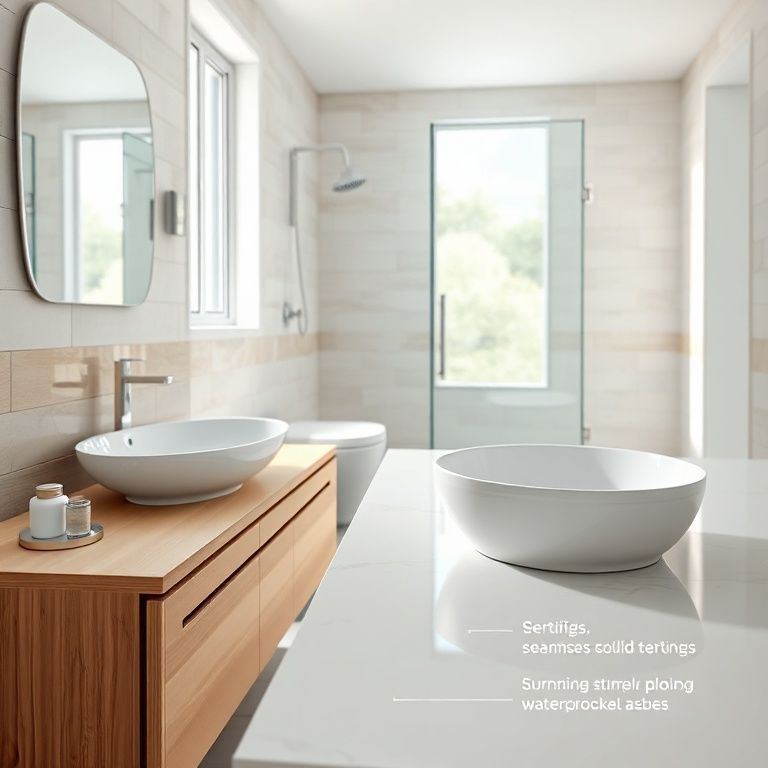
The allure of artificial stone in modern interior design is undeniable. Its polished surfaces, consistent patterns, and wide range of colors offer a sophisticated and customizable aesthetic that often surpasses the natural variations found in its granite or marble counterparts. For homeowners embarking on kitchen renovations or bathroom upgrades, engineered stone, frequently marketed as quartz, presents itself as a near-perfect solution – durable, low-maintenance, and undeniably chic. However, like any material that promises perfection, it’s important to look beyond the gleaming facade and understand the inherent limitations and potential pitfalls. The “人造石 缺点” – the disadvantages of artificial stone – are not always front and center in showroom displays, but they are crucial considerations for anyone investing in this popular material.

One of the most frequently cited drawbacks of artificial stone is its inherent susceptibility to heat. While often lauded for its durability, engineered quartz, the most common form of artificial stone, is a composite material made from crushed natural quartz crystals mixed with resins, polymers, and pigments. This resin binder, while providing flexibility and strength, is also the Achilles’ heel when it comes to high temperatures. Unlike natural stone, which can often withstand direct contact with hot pots and pans for short periods, artificial stone can scorch, discolor, or even crack when exposed to extreme heat. This means that for kitchens featuring engineered quartz countertops, the diligent use of trivets and hot pads becomes not just a recommendation, but a necessity. The fear of creating a permanent burn mark or a unsightly discoloration can add a layer of anxiety to cooking, a process that should ideally be enjoyable and liberating. Imagine the dismay of a home cook who, in a moment of distraction, places a scorching hot pan directly onto their pristine white quartz. The resulting heat damage can be difficult, if not impossible, to repair, leaving a permanent blemish on an otherwise beautiful surface. This sensitivity to heat is a significant departure from the perceived indestructibility that often draws consumers to engineered stone in the first place, and it’s a critical point that needs to be fully understood before making a purchase.
Furthermore, while artificial stone is generally lauded for its non-porosity and stain resistance, this isn’t an absolute guarantee against all staining. The resins used in its composition can, over time, become susceptible to staining from highly acidic or alkaline substances, especially if left to sit for extended periods. While typical household spills like wine or coffee are usually easily wiped away, more aggressive chemicals or prolonged exposure to certain oils can penetrate the resin and leave a stubborn mark. This is particularly true for lighter colored or white artificial stones, where any discoloration will be far more apparent. This means that while the low-maintenance reputation is largely deserved, a degree of vigilance is still required. For busy households, particularly those with young children or a penchant for vibrant culinary experiments, the potential for permanent staining can be a source of frustration. The idea of a countertop that requires constant monitoring and immediate attention to every spill can detract from the very convenience that many seek in their kitchen design. It’s a subtle but important distinction: while artificial stone is resistant to staining, it is not entirely stain-proof.
Another aspect that warrants careful consideration is the repairability of artificial stone. While minor chips or scratches on natural stone can sometimes be repaired by skilled professionals, the repair of damaged engineered stone can be more challenging and less successful. Because artificial stone is a composite material, any deep scratches, chips, or cracks can expose the underlying resin and aggregate, creating a visible difference in texture and color that is difficult to seamlessly blend. In some cases, the repair might be noticeable, diminishing the aesthetic appeal of the surface. For larger damages, replacement of the affected section or even the entire slab might be the only viable option, leading to significant additional costs and disruption. This lack of straightforward repairability can be a major concern for homeowners who value longevity and the ability to rectify minor wear and tear without substantial expense or hassle. The idea of a material that, once damaged, can leave an irreparable blemish on a significant surface like a kitchen island or bathroom vanity can be a deterrent for those who prioritize the long-term maintainability of their home. It’s a stark contrast to the potential for refurbishment and restoration that can be found with certain natural materials, adding another layer to the “人造石 缺点” that requires careful thought.
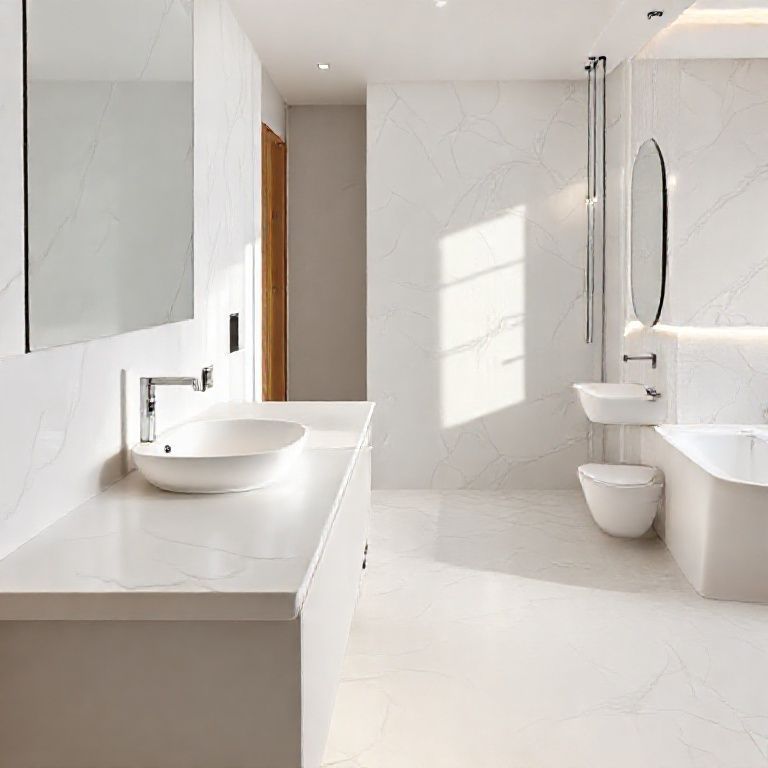
The environmental impact of artificial stone is also a growing concern for many consumers. The production of engineered stone involves energy-intensive processes, including mining the quartz, manufacturing the resins, and the transportation of these materials. The use of resins, which are often petroleum-based, raises questions about sustainability and the release of volatile organic compounds (VOCs) during manufacturing and, to a lesser extent, during the lifespan of the product. While many manufacturers now strive to produce low-VOC or VOC-free products, the overall manufacturing footprint remains a consideration. For individuals who are prioritizing eco-friendly building and design choices, the environmental cost of artificial stone might outweigh its aesthetic and functional benefits. This is a complex issue, as the mining of natural stone also has its own environmental implications, but the synthetic nature of engineered stone presents a different set of challenges that are becoming increasingly important in the broader conversation about sustainable living. Understanding these environmental implications is an integral part of a holistic decision-making process when choosing materials for your home.
Beyond the immediate concerns of heat, staining, and repairability, the “人造石 缺点” extend to aspects like cost, installation, and the long-term visual integrity of the material. While artificial stone is often positioned as a more affordable alternative to high-end natural stones like marble or granite, it can still represent a significant investment. The price per square foot can vary widely depending on the brand, the complexity of the pattern, and the thickness of the slab. When factoring in fabrication costs, which include cutting, polishing, and edge profiling, the total price can easily rival or even exceed that of some natural stone options. This can lead to sticker shock for homeowners who assumed engineered stone was a budget-friendly choice. It’s important to conduct thorough research and obtain multiple quotes to get a realistic understanding of the overall expenditure. The perceived value proposition can diminish when the final bill is tallied, and it’s essential to weigh the aesthetic and functional benefits against the financial outlay.
The installation process for artificial stone also requires specialized skills and equipment. Because engineered quartz slabs are heavy and can be brittle if not handled correctly, professional installation is almost always a necessity. This not only adds to the overall cost but also means that DIY installation, a common practice for some home improvement projects, is generally not feasible. The fabrication process itself involves precise cutting and polishing to ensure a perfect fit and a seamless finish, particularly around sinks and backsplashes. Any inaccuracies during installation can lead to gaps, uneven edges, or stress fractures in the stone, compromising both its appearance and its structural integrity. This reliance on professional installers means that homeowners have less control over the installation process and are dependent on the expertise of others to ensure a successful outcome. The potential for installation errors, while not unique to artificial stone, can be amplified by the material’s inherent characteristics, making a highly qualified and experienced installer paramount.
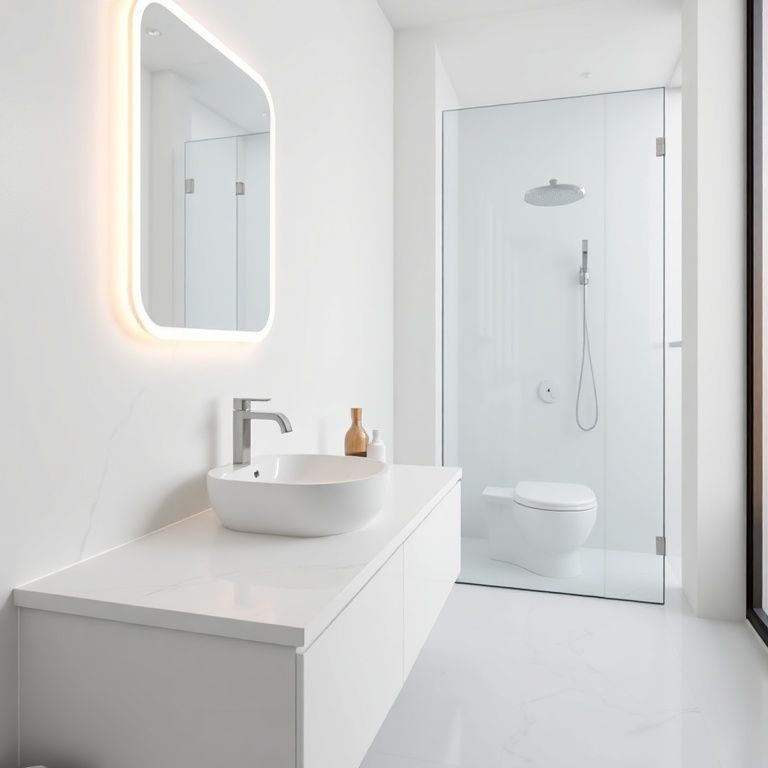
Visually, while artificial stone offers consistency, this very consistency can become a drawback for some. Natural stones possess unique veins, mineral inclusions, and subtle color variations that give each slab its own character and story. Engineered stone, by contrast, is manufactured to have a uniform appearance. While this is often seen as a positive attribute for achieving a clean, modern look, it can also result in a surface that feels somewhat sterile or lacks the organic charm of natural materials. For individuals who appreciate the subtle imperfections and inherent beauty of natural variations, the predictability of artificial stone might feel less engaging. Over time, this uniformity might also lead to a sense of monotony, especially in larger applications. Some homeowners find that as trends shift, the very uniformity that was once appealing can begin to feel dated. The absence of unique natural patterns means that the visual interest is solely derived from the color and overall design of the space, rather than from the inherent artistry of the material itself.
Furthermore, while often marketed as highly durable, artificial stone can still be prone to chipping and scratching under certain conditions. Although quartz is a very hard mineral, the resin binders used in engineered stone are not as hard as quartz. This means that sharp, heavy objects dropped on the surface, or abrasive cleaning tools used improperly, can cause chips or scratches. While minor scratches might be buffed out, deeper chips, particularly on edges or corners, can be difficult to repair seamlessly. The repair process often involves filling the chip with a resin filler that may not perfectly match the original color and sheen, leaving a visible imperfection. This is especially noticeable on darker or heavily patterned artificial stones, where the contrast between the filler and the original material can be stark. The expectation of an indestructible surface can be shattered when encountering such damage, leading to disappointment and the need for costly repairs or replacements.
The long-term aesthetics of artificial stone can also be affected by UV exposure. While most modern engineered stones are formulated with UV stabilizers, prolonged and direct exposure to sunlight can, over time, cause some discoloration or fading of the pigments. This is a more significant concern for outdoor applications or for kitchens with extensive south-facing windows that receive direct sunlight for many hours a day. While not as dramatic as the effects of heat, gradual color change can alter the intended appearance of the countertop or surface, leading to an uneven or aged look. This is something to consider when planning the placement of artificial stone within a home, especially in areas that are subject to intense sunlight. The idea that a material meant to be a lasting feature can subtly change its appearance due to environmental factors adds another layer to the “人造石 缺点” that warrants careful consideration during the planning and selection phase of any renovation project. Ultimately, while artificial stone offers a compelling blend of aesthetics and functionality, a thorough understanding of its limitations is key to ensuring a satisfying and long-lasting addition to any home.