
In the world of interior design, surfaces are more than just functional elements; they are canvases that define a space’s character, mood, and overall aesthetic. For decades, natural marble has reigned supreme, its veined beauty and timeless elegance gracing the countertops of kitchens, the floors of grand foyers, and the walls of luxurious bathrooms. However, the allure of natural stone comes with a hefty price tag, both in terms of cost and sometimes, in terms of its inherent fragility and porous nature. Enter artificial marble, a modern marvel engineered to mimic the visual splendor of its natural counterpart while offering enhanced durability and a more accessible price point. Often referred to as engineered stone or quartz surfaces, these materials have surged in popularity, adorning homes and commercial spaces with their consistent patterns and polished finishes.

But beneath the gleaming surface of this manufactured beauty lies a complex reality. The very processes that make artificial marble so appealing also harbor a set of potential downsides and even harms that are crucial for consumers and designers to understand. This isn’t to demonize engineered stone entirely; like any material, it exists on a spectrum of pros and cons. However, a truly informed choice necessitates a deep dive into the less-discussed aspects of its production, use, and eventual disposal.
One of the most significant concerns surrounding artificial marble revolves around its manufacturing process. Unlike natural marble, which is quarried from the earth, engineered stone is a composite material. It typically comprises around 90-95% crushed natural quartz, bound together with resins, polymers, and pigments. While quartz itself is a natural mineral, the industrial processes involved in transforming it into slabs of “artificial marble” are far from natural. These processes often involve high pressure and heat, and crucially, the use of chemical binders. These binders, primarily thermosetting resins like polyester or epoxy, are what give engineered stone its non-porous and highly durable qualities. However, these same resins are a source of volatile organic compounds (VOCs).
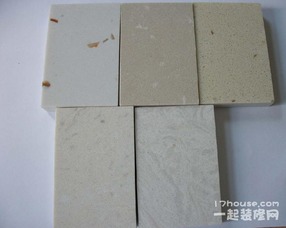
VOCs are a group of carbon-containing chemicals that have a high vapor pressure at ordinary room temperature. This characteristic causes large numbers of molecules to evaporate or sublumb from the liquid or solid form of the product, respectively, and enter the surrounding air. When these VOCs are released from artificial marble, they can contribute to indoor air pollution. Symptoms of exposure to VOCs can range from headaches, dizziness, and nausea to more serious long-term health effects, including respiratory problems and even carcinogenicity, depending on the specific compounds and the duration of exposure. While many manufacturers are working to reduce VOC emissions, particularly through the development of low-VOC resins and adherence to stricter industry standards, the potential for off-gassing remains a concern, especially in the initial stages after installation or in poorly ventilated spaces.
Beyond the chemical binders, the sheer scale of the manufacturing process presents its own set of environmental challenges. The extraction of quartz, while perhaps less environmentally disruptive than large-scale marble quarrying in some instances, still involves mining operations. These operations can lead to habitat disruption, water usage, and the generation of waste materials. Furthermore, the energy-intensive processes required to crush, mix, and cure the composite material contribute to the overall carbon footprint of artificial marble. The use of synthetic resins also means a reliance on petrochemicals, a non-renewable resource, further linking the production of engineered stone to the broader environmental concerns associated with fossil fuels.
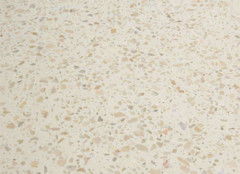
The disposal of artificial marble also poses a complex problem. Unlike natural stone, which can eventually degrade and return to the earth, engineered stone is essentially a plastic-bound mineral composite. This makes it extremely difficult to recycle. When these surfaces reach the end of their lifespan, they are typically sent to landfills, where they persist for hundreds, if not thousands, of years. The resins used in their construction do not readily biodegrade, meaning that artificial marble contributes to the growing problem of landfill waste. While some companies are exploring recycling initiatives, these are often challenging and costly, and widespread effective recycling solutions for engineered stone are still in their nascent stages.
Moreover, there’s a growing concern within the fabrication industry regarding silica dust. While quartz is a natural mineral, the process of cutting, grinding, and polishing engineered stone can release fine particles of crystalline silica into the air. Inhaling these microscopic particles can lead to silicosis, a serious and irreversible lung disease. Silicosis can cause shortness of breath, coughing, and fatigue, and in severe cases, it can be fatal. Unlike natural stone, engineered stone often contains a higher concentration of crystalline silica, making the risk more pronounced for workers who are not adequately protected with dust suppression systems and personal protective equipment. This health hazard, primarily affecting fabricators and installers, highlights a critical occupational risk associated with the widespread use of artificial marble.
The aesthetic consistency that makes artificial marble so appealing can also be viewed as a drawback by some. Natural marble, with its unique veining and subtle variations, possesses an organic beauty that is inimitable. Each slab is a one-of-a-kind piece of art forged by geological processes over millennia. Artificial marble, by contrast, is manufactured to precise specifications, resulting in predictable patterns that can sometimes appear less sophisticated or authentic. For those who value the inherent uniqueness and natural variation of materials, the uniformity of engineered stone might feel sterile or mass-produced, lacking the soul and character that natural stone can impart. This is a subjective point, of course, but it speaks to a deeper appreciation for the imperfections and stories that natural materials often carry.
The “artificial” nature of the material also raises questions about its long-term performance and potential for degradation, particularly concerning the resins. While engineered stone is generally lauded for its durability and resistance to stains and scratches, the polymers and resins used in its composition can, over time, be susceptible to certain types of damage. Prolonged exposure to direct sunlight, for instance, can cause the resins to yellow or fade. Certain harsh chemicals or abrasive cleaning agents can also degrade the surface. While these are relatively specific scenarios and often mitigated by proper care, they represent potential failure points that might not be as prevalent with solid, natural stone. The repair of chips or scratches on engineered stone can also be more challenging and less seamless than on natural stone, as the engineered material has a consistent color throughout, whereas natural stone might have different veining patterns or color variations within its structure that can help mask repairs.
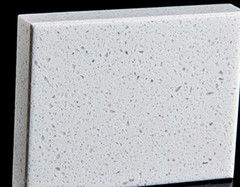
Continuing our exploration into the less celebrated aspects of artificial marble, it’s important to acknowledge that the glossy facade of engineered stone can sometimes mask more nuanced issues related to its lifecycle and user experience. While the initial appeal of durability and low maintenance is strong, a closer examination reveals potential drawbacks that can impact both the environment and the end-user over time.
One area of growing concern, as touched upon previously, is the health impact related to silica dust. The alarming rise in silicosis cases among workers who fabricate and install quartz countertops has brought this issue to the forefront. Crystalline silica is a common mineral, but when it’s engineered into surfaces like artificial marble, its concentration can be exceptionally high. During the cutting, grinding, and polishing of these slabs, microscopic silica particles are released into the air. Inhaling these particles can lead to silicosis, a debilitating and incurable lung disease that can progress to respiratory failure and death. This is not just an abstract concern; it’s a very real and tragic occupational hazard that has led to calls for stricter safety regulations and better protective measures within the industry. While responsible manufacturers and fabricators implement dust suppression systems and provide personal protective equipment (PPE), the risk remains significant, especially where these protocols are not rigorously followed. The widespread adoption of artificial marble has, unfortunately, amplified this danger for a vulnerable workforce.
Beyond the occupational hazards, the environmental footprint of artificial marble extends to its production and disposal. The manufacturing process is energy-intensive, requiring significant amounts of electricity to crush, mix, and cure the composite materials. This energy consumption contributes to greenhouse gas emissions. Furthermore, the primary binding agents used are synthetic resins derived from petrochemicals, linking the production of engineered stone to the fossil fuel industry and its associated environmental impacts. When artificial marble reaches the end of its useful life, its composition makes it exceptionally difficult to recycle. Unlike natural stone, which can be crushed and repurposed, the plastic binders in engineered stone prevent easy reintegration into new products. Consequently, most artificial marble ends up in landfills, where it can persist for centuries, contributing to the growing global problem of plastic waste and non-biodegradable landfill material. While some limited recycling efforts exist, they are not yet widespread or economically viable on a large scale, leaving disposal as a significant environmental challenge.
The reliance on chemicals in the manufacturing process also raises questions about potential long-term leaching. While engineered stone is known for being non-porous, preventing the absorption of liquids and thus resisting stains, the resins used as binders can, under certain extreme conditions or over very long periods, potentially degrade. While this is not a common issue with properly manufactured and installed surfaces, it’s a theoretical vulnerability. More pressingly, the initial off-gassing of Volatile Organic Compounds (VOCs) from the resins can contribute to indoor air quality issues. While many products are formulated to minimize VOCs, and certifications exist to attest to low emissions, some residual off-gassing can still occur, particularly in the early stages of installation. This can lead to symptoms like headaches, dizziness, and respiratory irritation for sensitive individuals, underscoring the importance of proper ventilation during and after installation.
From an aesthetic standpoint, the very consistency that many consumers find appealing can also be a drawback for those seeking unique and organic beauty. Natural marble, with its inherent variations in veining, color, and pattern, offers a one-of-a-kind character that is difficult to replicate. Each slab tells a geological story. Artificial marble, on the other hand, is designed for uniformity. While this ensures a predictable and often flawless appearance, it can sometimes result in surfaces that lack the depth, soul, and individuality that natural stone can provide. For designers and homeowners who prize the nuanced imperfections and singular artistry of nature, engineered stone might feel too manufactured or predictable. The “wow” factor of a perfectly unique natural vein might be lost in the repeatable patterns of its artificial counterpart.
The repair of damage on artificial marble can also be more problematic than with natural stone. While engineered stone is highly durable, it is not indestructible. If a chip or deep scratch occurs, the repair process can be more visible. Natural stone often has intricate veining and color variations that can help to camouflage minor repairs. Artificial marble, having a consistent color and pattern throughout its thickness, can make repairs more noticeable, potentially diminishing the aesthetic appeal of the surface. Furthermore, while resistant to stains, engineered stone can be susceptible to thermal shock or damage from excessive heat. Placing very hot pots or pans directly on the surface, even with trivets, can sometimes cause discoloration or cracking, a vulnerability that might be less pronounced in certain types of natural stone.
The cost-effectiveness of artificial marble, often cited as a primary advantage, also needs to be considered in the context of its entire lifecycle. While it might be less expensive than high-end natural marbles, its longevity and potential for repair issues, coupled with the environmental costs of production and disposal, can shift the overall economic equation. Furthermore, the market for artificial marble is dominated by a few large manufacturers, which can lead to a degree of price control and potentially limit consumer choice in the long run. As with any material, a thorough understanding of its entire lifecycle, from raw material extraction and manufacturing to installation, use, and disposal, is essential for making a truly informed and sustainable choice. While artificial marble offers undeniable benefits in terms of aesthetics and durability, a clear-eyed view of its potential harms and drawbacks is crucial for anyone considering its use in their home or project.









