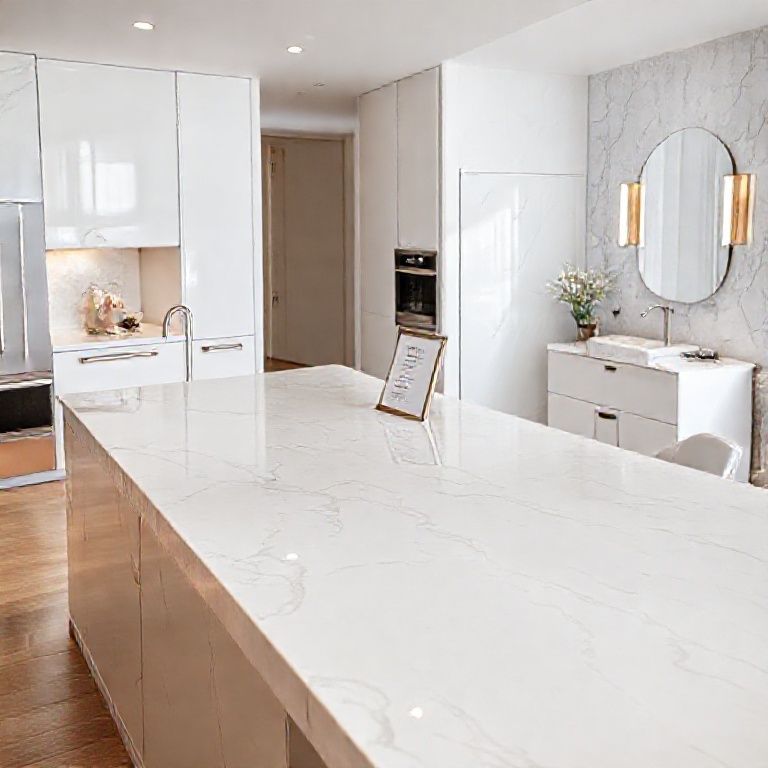
In this comprehensive exploration, we delve into the lesser-known disadvantages of artificial stone countertops. While these surfaces have gained immense popularity for their durability and aesthetic appeal, it’s crucial to understand the potential downsides to make an informed decision. This article is divided into two parts to provide a thorough examination. Join us as we uncover the hidden challenges of artificial stone countertops in the first part, followed by an in-depth analysis in the second part.
artificial stone countertops, disadvantages, drawbacks, durability, maintenance, installation, cost, long-term wear, aesthetic appeal, kitchen countertops, home renovation
The Drawbacks of Artificial Stone Countertops: An In-Depth Look
When it comes to kitchen and bathroom countertops, artificial stone has emerged as a popular choice due to its impressive durability, versatile design options, and relatively low maintenance. However, beneath this surface lies a collection of disadvantages that homeowners should carefully consider before making a decision. In this part, we will explore several critical aspects that often go unnoticed when choosing artificial stone countertops.
1. Installation Complexity
One of the primary drawbacks of artificial stone countertops is the complexity of the installation process. Unlike natural stone or standard granite, artificial stone requires a more intricate installation procedure. It often necessitates professional expertise to ensure a flawless finish, as the material can be sensitive to the techniques used.
For homeowners who prefer a DIY approach, this complexity can be a significant deterrent. Not only does it require specialized tools and knowledge, but the process itself can be time-consuming and labor-intensive. The installation often involves cutting, sealing, and curing processes that must be executed with precision to avoid any imperfections.
2. Cost Implications
While artificial stone countertops are generally more affordable than natural stone alternatives, the overall cost can still add up, especially when considering installation and potential future repairs. The initial investment may seem lower, but the hidden costs associated with professional installation, maintenance, and possible repairs should be factored into the budget.
Moreover, artificial stone can sometimes be subject to higher costs when custom designs or colors are required. Unlike mass-produced granite or quartz, which offer standardized options, artificial stone often requires custom fabrication, leading to increased expenses.
3. Heat Sensitivity
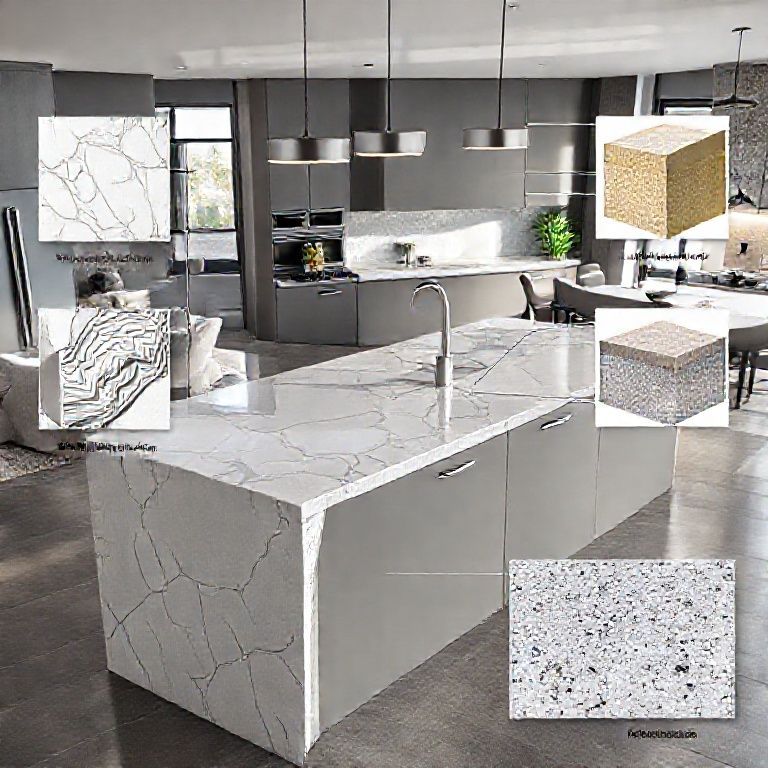
One of the most significant drawbacks of artificial stone countertops is their sensitivity to heat. Unlike natural stone, which can withstand high temperatures, artificial stone can be adversely affected by excessive heat. This makes it unsuitable for areas where hot pots, pans, or appliances are frequently placed directly on the surface.
To mitigate this issue, homeowners often have to install heat-resistant mats or pads underneath pots and pans. However, these additional measures can add to the overall cost and complexity of maintaining the countertop. Furthermore, prolonged exposure to heat can lead to discoloration or warping, which diminishes the aesthetic appeal and functionality of the surface.
4. Aging and Wear
Although artificial stone is designed to be durable, it is not immune to aging and wear over time. While it may resist scratches better than some other materials, prolonged use and exposure to harsh chemicals can lead to surface damage. This includes etching, pitting, or discoloration, which can detract from the countertop’s appearance.
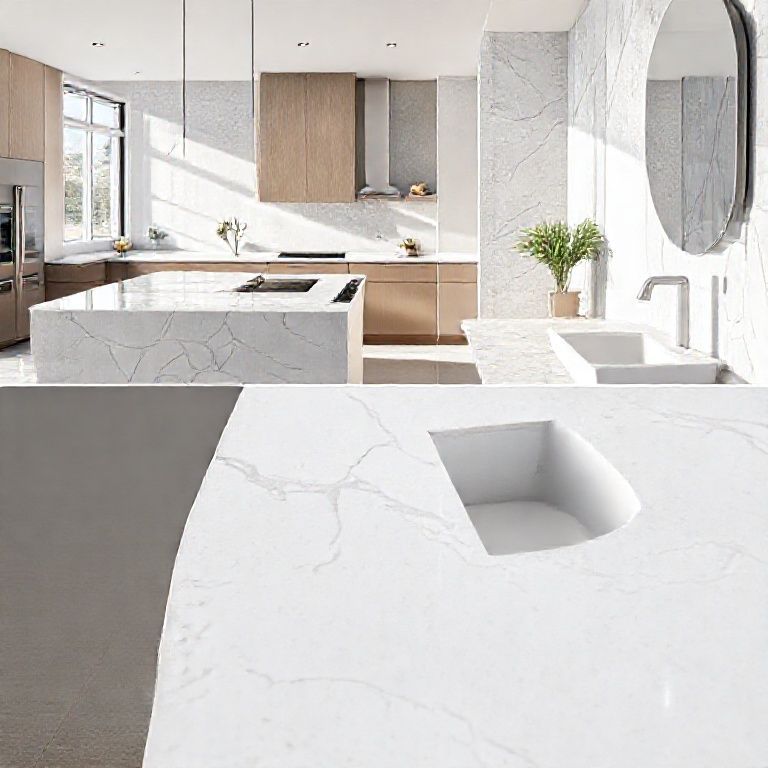
In contrast, natural stone surfaces like granite or marble can often withstand more wear and tear without significant damage. Although they may require more frequent maintenance, they tend to age more gracefully, retaining their visual appeal over time.
5. Chemical Resistance
Artificial stone countertops are not as chemically resistant as some might assume. They can be vulnerable to certain acids, solvents, and other harsh chemicals commonly found in kitchens and bathrooms. For instance, cleaning products containing bleach or ammonia can leave unsightly stains or damage the surface over time.
In contrast, natural stone surfaces like quartz offer superior chemical resistance, making them a more robust choice for high-traffic areas where cleaning chemicals are frequently used. This resistance not only preserves the appearance of the countertop but also extends its lifespan.
6. Environmental Concerns
The production process of artificial stone can have environmental implications. Many artificial stone products involve the use of resins, adhesives, and other synthetic materials that can release volatile organic compounds (VOCs). These chemicals can contribute to indoor air pollution, posing health risks to occupants.
Furthermore, the manufacturing process may not be as environmentally friendly as the natural stone extraction process. While natural stone mining has its environmental impacts, it is often more sustainable and has a lower carbon footprint compared to the synthetic materials used in artificial stone production.
The Drawbacks of Artificial Stone Countertops: A Deeper Examination
In the previous section, we explored several critical disadvantages of artificial stone countertops. Now, we will delve deeper into these issues, providing a more nuanced understanding of the potential challenges associated with this popular material. This second part will focus on long-term wear, aesthetic limitations, and the environmental and health implications of artificial stone.
1. Long-Term Wear and Maintenance
Artificial stone countertops, despite their durability, are not immune to long-term wear and the need for regular maintenance. Over time, the surface can accumulate scratches, chips, and stains that may be difficult to remove. While some artificial stone products offer enhanced resistance to wear, they still require periodic maintenance to maintain their appearance.
In contrast, natural stone surfaces like granite or marble often have a more robust and enduring finish that requires less frequent upkeep. With proper care, these surfaces can retain their visual appeal and structural integrity for many years.
Maintaining artificial stone countertops typically involves using specific cleaning agents and avoiding abrasive tools that can cause surface damage. Regular maintenance is essential to prevent minor issues from escalating into more significant problems, which can be both costly and time-consuming to address.
2. Aesthetic Limitations
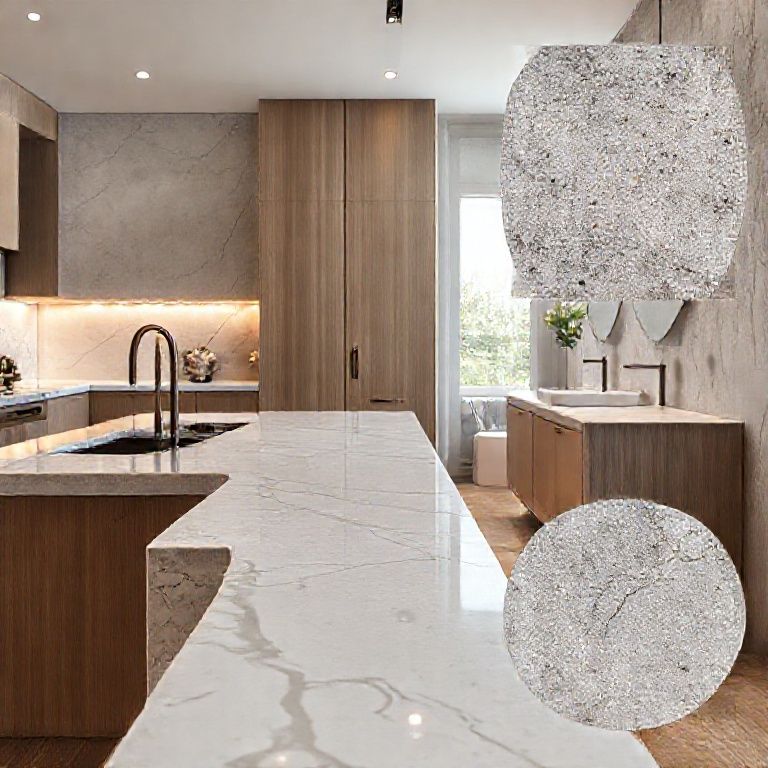
While artificial stone offers a wide range of design options, it often falls short in terms of aesthetic versatility compared to natural stone. Although manufacturers have made significant strides in replicating the appearance of natural stone, there are still noticeable differences in texture, color consistency, and overall aesthetic appeal.
Natural stone countertops, such as marble, quartzite, and travertine, offer unique patterns and colors that can add character and individuality to a space. These natural variations are often more visually striking and can create a more distinctive and memorable look compared to the uniformity of most artificial stone products.
Additionally, natural stone surfaces can often be polished and honed to achieve a higher level of shine and texture, enhancing their visual appeal. Artificial stone, while it can be polished, may not achieve the same level of luster and texture, which can sometimes make it seem less luxurious or authentic.
3. Environmental and Health Implications
The environmental and health implications of artificial stone cannot be overlooked. As previously mentioned, the production of artificial stone involves the use of synthetic materials that can release volatile organic compounds (VOCs). These chemicals can contribute to indoor air pollution and pose health risks, including respiratory issues and other health concerns.
Furthermore, the disposal of artificial stone products at the end of their lifecycle can present environmental challenges. Many synthetic materials are not biodegradable and can contribute to landfill waste. In contrast, natural stone, while it does have its own environmental impacts, is often more sustainable and has a lower carbon footprint compared to the synthetic materials used in artificial stone production.
4. Water Resistance
Another notable drawback of artificial stone countertops is their limited resistance to water and moisture. While they are more water-resistant than some other synthetic materials, they are still susceptible to water damage over time. Prolonged exposure to water can lead to surface deterioration, warping, or mold growth, which can compromise the integrity of the countertop.
In contrast, natural stone surfaces like quartzite and travertine offer superior water resistance, making them a more durable choice for areas prone to moisture exposure, such as bathrooms and kitchens. Their ability to withstand water makes them a more reliable option for long-term use.
5. Installation and Repair Challenges
The installation and repair of artificial stone countertops present additional challenges that can affect their overall durability and longevity. As previously discussed, the installation process requires specialized knowledge and tools, which can be a barrier for DIY enthusiasts. Even professional installers may find it difficult to achieve a flawless finish, leading to potential imperfections that can affect the countertop’s appearance and functionality.
Moreover, repairing artificial stone countertops can be more complex than with natural stone. Cracks, chips, or other damage may require extensive repairs or even replacement of the entire surface, which can be costly and time-consuming. In contrast, natural stone countertops often allow for more straightforward repairs, such as sealing cracks or etching surfaces to restore their appearance.
6. Cost of Future Repairs
While the initial cost of artificial stone countertops may be lower than that of natural stone, the cost of future repairs and maintenance can add up over time. As artificial stone wears and ages, it may require professional intervention to address issues such as scratches, chips, or discoloration. These repairs can be expensive, especially if multiple areas need attention.
In comparison, natural stone countertops often have a longer lifespan and require less frequent repairs. While they may have a higher initial cost, the long-term savings on maintenance and repair expenses can make them a more economical choice over time.
Conclusion
While artificial stone countertops offer numerous benefits, it’s essential to consider their potential drawbacks before making a decision. From installation complexity and cost implications to long-term wear and aesthetic limitations, there are several factors that can influence the overall value and longevity of these surfaces.
7. 耐污性和清洁难度
人造石台面在清洁和维护方面也存在一些挑战。尽管它们具有一定的耐污性,但某些类型的人造石在长期使用中可能会积累污渍。特别是那些颜色较深或有细微纹理的人造石,更容易显示油污和污渍。
相比之下,自然石如花岗岩或大理石,虽然也需要定期清洁,但其表面通常更耐污。它们的光滑表面不容易吸附污渍,只需简单的清洁就能保持光洁如新。而人造石台面可能需要使用专门的清洁剂和更频繁的维护,以避免积累污渍和保持其原有的美观。
8. 耐刮擦性差
人造石台面的耐刮擦性通常不如自然石。虽然它们在抗冲击性和耐磨性上表现不错,但在面对尖锐物品或频繁使用刮板时,人造石台面可能会出现划痕或磨损。
这种情况在厨房这种高使用频率的区域尤其明显。为了避免划痕,用户可能需要更小心地使用厨具,并可能需要定期进行修复,以保持台面的完整性。
9. 热膨胀和热应力
人造石台面在高温环境下可能会出现热膨胀和热应力问题。这意味着在长时间接触高温食物或热水时,台面可能会出现变形或开裂。这种情况在使用热水炉、烤箱或高温炊具时尤其明显。
相比之下,自然石如花岗岩和大理石在高温下表现更为稳定,其耐热性能更优,不容易因热应力而受损。
10. 重量较重
人造石台面通常比玻璃台面和大理板等其他材料更重。这意味着在安装和搬运时需要更多的力气和更专业的工具,特别是对于大面积的台面。
对于老年人或体力不佳的人来说,这可能是一个较大的障碍。重量也可能对家庭结构造成一些影响,特别是在需要长期承受重量的情况下。
11. 环保性问题
虽然现代的人造石材已经改进了很多环保性能,但其制造过程中仍然可能使用某些有害化学物质。这些化学物质在生产和使用过程中可能会释放出有害气体,对室内空气质量产生影响。
相比之下,自然石材的环保性更好,因为其采掘和加工过程中通常不涉及大量的化学物质。
12. 个性化设计受限
虽然人造石在设计和颜色选择上有很大的灵活性,但其个性化设计仍然受到一些限制。特别是在需要实现非常独特或复杂设计时,人造石可能无法完全满足需求。
相比之下,自然石材如大理石和石灰岩,提供了更多的天然纹理和颜色选择,可以实现更多独特和定制化的设计。
结论
尽管人造石台面在许多方面具有明显的优点,如耐用性、成本效益和设计灵活性,但其也有一些不容忽视的缺点。在选择台面材料时,需要根据具体的使用需求和环境条件进行综合考虑。对于追求长久耐用和低维护的用户,自然石可能是一个更好的选择;而对于注重设计多样性和预算有限的用户,人造石仍然是一个不错的选择。