
The quest for the perfect countertop is often a journey paved with swirling patterns, dazzling colors, and a healthy dose of decision fatigue. In the realm of high-end surfacing, two contenders frequently capture the spotlight: DuPont™ Corian® solid surface and the increasingly popular quartzite. Both offer a sophisticated aesthetic and a promise of durability, yet they hail from fundamentally different origins and possess distinct characteristics that can significantly impact your choice. This isn’t just about picking a pretty surface; it’s about understanding the soul of the material and how it will integrate into the vibrant tapestry of your home.

Let’s begin our exploration with DuPont™ Corian®, a name that has become synonymous with innovation in the world of solid surfaces. Born from decades of pioneering research and development by DuPont, Corian® is an engineered material, a harmonious blend of acrylic polymers and natural minerals. Think of it as a meticulously crafted composite, where science meets artistry to create a surface that is both beautiful and remarkably versatile. One of Corian®’s most celebrated attributes is its non-porous nature. This is a game-changer when it comes to hygiene and maintenance. Unlike natural stones that can absorb liquids, leading to potential staining and the harboring of bacteria, Corian® presents a seamless, impenetrable barrier. Spills, whether they be the errant splash of red wine or the vigorous scrubbing of turmeric, tend to bead up on the surface, making cleanup a breeze with just a damp cloth and mild soap. This inherent resistance to moisture and stains makes it an exceptionally practical choice for busy kitchens and bathrooms, areas where life’s little accidents are practically a given.
Beyond its hygienic prowess, Corian® offers an unparalleled level of design flexibility. Because it’s an engineered material, it can be thermoformed and shaped into virtually any form imaginable. This means you’re not limited to straight edges and standard sink cutouts. Imagine a seamlessly integrated sink that flows directly from the countertop, eliminating those pesky grout lines where grime can accumulate. Consider countertops that curve and undulate, mirroring the organic forms found in nature or creating a sleek, futuristic aesthetic. The possibilities are truly boundless, allowing designers and homeowners to push the boundaries of conventional design. The color palette for Corian® is also incredibly extensive. From subtle, nature-inspired neutrals that evoke the tranquility of a spa to bold, vibrant hues that make a statement, there’s a Corian® shade to complement every interior design style. Furthermore, its consistent color and pattern throughout the material mean that scratches or minor damage can often be buffed out or repaired by a professional, restoring the surface to its original glory. This ability to be repaired, rather than replaced, adds a layer of long-term value and sustainability to the material.
However, like any material, Corian® does have its considerations. While it’s durable, it’s not indestructible. Exposure to extreme heat, such as placing a hot pan directly on the surface, can cause discoloration or damage. It’s always advisable to use trivets and hot pads to protect your investment. Similarly, while resistant to stains, certain harsh chemicals or abrasive cleaners can mar its finish. Understanding the care instructions and using appropriate cleaning agents are key to maintaining its pristine appearance. The initial cost of Corian® can also be a factor. While it falls within the premium countertop category, its price point can vary depending on the color and complexity of the fabrication. Yet, when you weigh its aesthetic versatility, ease of maintenance, and repairability, the long-term value proposition becomes increasingly compelling. It’s a material that offers a unique blend of form and function, a canvas for creativity that also stands up to the rigors of daily life.
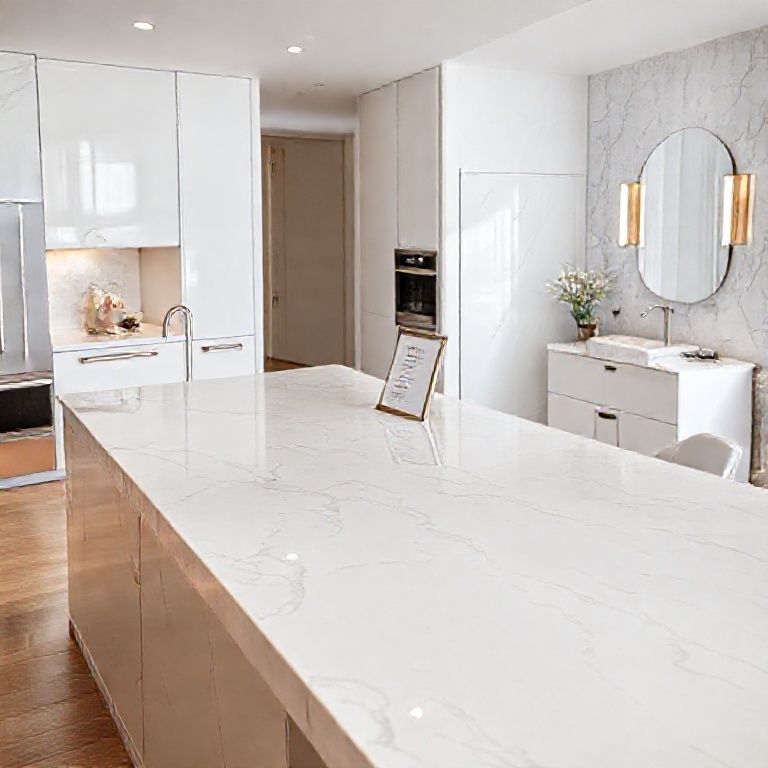
Now, let’s shift our focus to quartzite, a material that has surged in popularity, captivating homeowners with its natural beauty and formidable strength. Unlike Corian®, which is engineered, quartzite is a natural stone. It’s a metamorphic rock, formed deep within the earth under immense heat and pressure over millions of years. This geological process transforms sandstone into a dense, crystalline structure that is exceptionally hard and durable. When quarried and fabricated into slabs for countertops, quartzite presents a breathtaking display of nature’s artistry. Each slab is unique, a one-of-a-kind masterpiece with swirling veins, intricate patterns, and a depth of color that engineered materials often strive to replicate. The allure of natural stone lies in its inherent beauty and the story it tells of geological time.
The primary draw of quartzite for many is its exceptional durability. It’s often lauded as one of the hardest natural stones available for countertops, surpassing granite in terms of scratch and abrasion resistance. This makes it an incredibly resilient choice for high-traffic areas like kitchens, where knives might be used directly on the surface (though a cutting board is always recommended for the longevity of your knives and the stone) or where children and pets are a constant presence. Its hardness also means it’s less prone to etching from acidic substances compared to softer stones like marble. For those who appreciate the authentic character of natural materials, quartzite offers an unmatched aesthetic. The natural variations in color and pattern mean that no two kitchens will ever look exactly the same. You might find slabs with soft, milky whites and subtle grey veining that mimic the elegance of marble, or others with dramatic, earthy tones and bold striations that bring a sense of raw, untamed beauty into your home. The range of visual possibilities is as vast as the earth itself.
However, the very nature of quartzite as a natural stone also introduces certain considerations. While incredibly hard, it can still be susceptible to staining if not properly sealed. Unlike Corian®, which is inherently non-porous, quartzite is porous to some degree. Therefore, regular sealing is crucial to prevent liquids from penetrating the stone and causing discoloration. The frequency of sealing will depend on the specific type of quartzite and the quality of the sealant used, but it’s generally recommended every one to three years. While quartzite is harder than granite, it can still chip or crack if subjected to a sharp, direct impact, particularly on edges or corners. Careful handling and avoiding dropping heavy objects are advisable. The aesthetic uniqueness of quartzite can also be a double-edged sword. While many love the individuality of each slab, it can make matching perfectly with existing elements or finding identical pieces for a large project challenging. Sourcing your slabs from a reputable supplier and understanding the specific characteristics of the stone you are choosing are essential steps in the process.
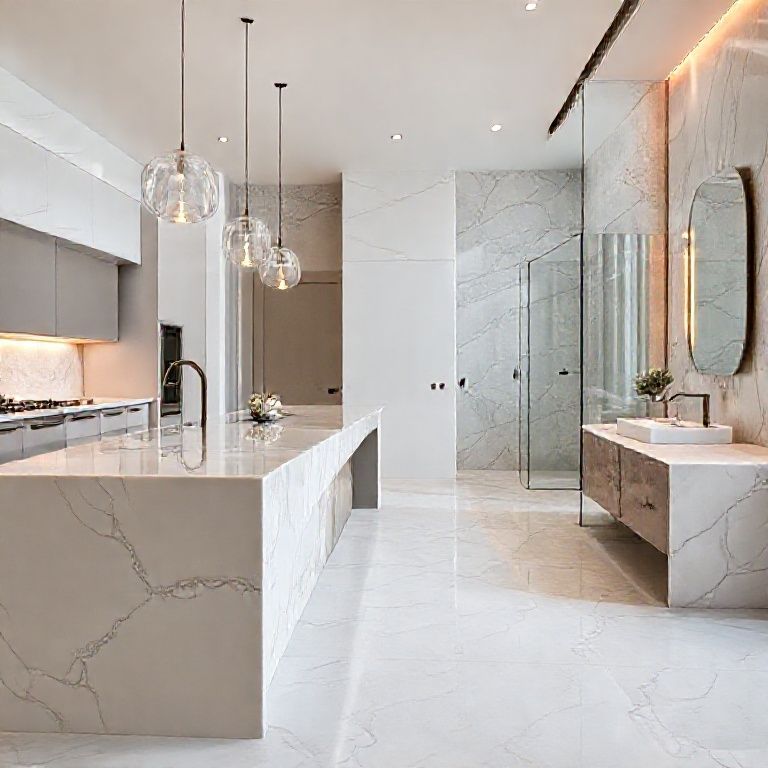
Continuing our deep dive into the world of premium countertops, we’ve established that both DuPont™ Corian® solid surface and quartzite offer compelling advantages. Now, let’s delve deeper into the practicalities, the nuanced differences, and how these materials truly perform in the crucible of everyday life. When we talk about performance, we’re often thinking about resilience, maintenance, and how the material ages over time.
Let’s circle back to DuPont™ Corian®. Its engineered nature lends itself to a remarkable consistency. You select a color and pattern, and what you see is generally what you get across the entire slab, and even when you need to repair or add to it. This predictability is a significant advantage for designers and homeowners who have a precise vision for their space. The seamless integration capabilities of Corian® are particularly noteworthy. Imagine a kitchen island where the countertop appears to meld effortlessly into the waterfall edges, creating a fluid, unbroken visual line. Or a bathroom vanity with an integrated sink that eliminates the need for a separate fixture, simplifying cleaning and offering a sleek, modern aesthetic. This ability to create monolithic forms, to bend and shape the material, is where Corian® truly shines. It’s a material that can be tailored to bespoke designs, offering a level of customization that natural stones simply cannot match.
The repairability of Corian® is another factor that contributes to its long-term appeal. Minor scratches or scuffs, which are almost inevitable in a busy household, can often be buffed out by a professional fabricator, making the surface look as good as new. Even more significant damage, such as chips or gouges, can often be repaired with specialized techniques, restoring the integrity and appearance of the countertop. This inherent ability to be renewed sets it apart from many other materials where damage might necessitate a partial or even full replacement. When considering the environmental impact, Corian® also offers some advantages. Its production process is carefully controlled, and DuPont™ has invested in sustainable manufacturing practices. Furthermore, its durability and repairability mean it has a long lifespan, reducing the need for frequent replacement and the associated waste.
However, it’s important to acknowledge the limitations of Corian®. While it is resistant to heat, it is not impervious. Placing very hot pots, pans, or heat-generating appliances directly onto the surface can cause thermal shock, leading to discoloration or even cracking. Using trivets and hot pads is a non-negotiable practice for preserving its pristine condition. Similarly, while it’s highly resistant to stains, prolonged contact with certain harsh chemicals or abrasive cleaners can compromise its finish. It’s always best to consult the manufacturer’s guidelines for cleaning and maintenance to ensure you are using the most appropriate products. The initial cost of Corian® can also be a consideration. While it offers excellent value over its lifespan, the upfront investment can be significant, especially for complex designs or premium colors. Yet, when you factor in the design freedom, the ease of maintenance, and the repairability, the overall cost-benefit analysis often tips in its favor for those seeking a sophisticated and practical solution.
Now, let’s revisit quartzite and consider its performance in the context of daily life. The exceptional hardness of quartzite is its superpower. It’s incredibly resistant to scratches, making it a forgiving material for kitchens and bathrooms. For those who enjoy cooking and don’t want to constantly worry about nicks and marks, quartzite offers a sense of freedom. Its dense structure also means it is less prone to etching from acidic substances like lemon juice or vinegar than materials like marble, which can be a significant concern for some homeowners. The visual appeal of quartzite is its natural, unadulterated beauty. Each slab is a unique piece of art, a testament to the power of geological forces. The depth and variation in color and pattern are something that engineered materials can only emulate. If you desire a countertop that feels truly organic and possesses a one-of-a-kind character, quartzite is an excellent choice.
However, the porosity of quartzite, even though it is low, does require diligent attention. Unlike Corian®, which is inherently non-porous, quartzite will absorb liquids if not properly sealed. This means regular sealing is a must to protect against stains. The frequency of sealing can vary, but typically ranges from once a year to once every three years, depending on the specific type of quartzite and the sealant used. This is an ongoing maintenance commitment that requires a bit of forethought. While quartzite is hard, it’s not unbreakable. Heavy objects dropped directly onto edges or corners can lead to chips or cracks. While these can sometimes be repaired, it’s not as straightforward as with solid surfaces, and the repair may be more visible. The natural variation in quartzite can also present challenges in project planning. Because each slab is unique, it can be difficult to achieve a perfectly uniform look across a large kitchen. Selecting slabs in person and ensuring they are from the same lot is crucial. The sourcing and fabrication of quartzite also require expertise, as working with such a hard stone demands specialized tools and techniques. The cost of quartzite can also vary widely, with some exotic varieties commanding a premium price.
In conclusion, the decision between DuPont™ Corian® solid surface and quartzite boils down to your priorities. If seamless design, ultimate hygiene, and a material that can be repaired and renewed with ease are paramount, Corian® is a strong contender. Its versatility in form and color allows for unparalleled design freedom, making it ideal for those who want to create a truly bespoke space. If you are drawn to the unparalleled beauty of natural stone, the awe-inspiring patterns, and the incredible hardness that resists scratches, then quartzite might be your ideal choice. Its natural elegance and resilience make it a durable and captivating addition to any home. Both materials represent a significant investment in your home’s aesthetic and functionality, and understanding their unique strengths and needs will empower you to make a choice that you will cherish for years to come. Ultimately, the “better” material is the one that best aligns with your lifestyle, your design aspirations, and your commitment to maintenance.








