Part 1
The Durability of Synthetic Stone Countertops: An In-Depth Look
When it comes to kitchen and bathroom renovations, durability is a critical factor. Synthetic stone countertops have surged in popularity over the past decade, and for good reason. Here’s an in-depth look at why synthetic stone is considered one of the most durable options available today.
What is Synthetic Stone?
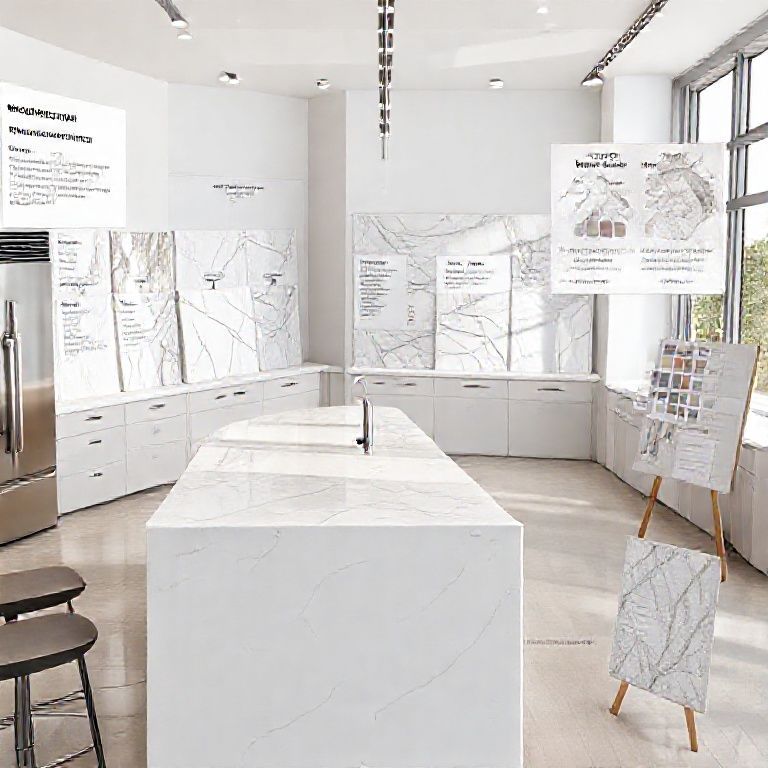
Synthetic stone, also known as cultured stone, is a composite material made from natural stone powder, resins, and other additives. It mimics the appearance of natural stone like granite, marble, and quartz but offers superior durability and maintenance-free benefits. This makes it an attractive option for those seeking a luxurious yet practical choice for their countertops.
Key Durability Features
1. Resistance to Stains and Scratches
One of the standout features of synthetic stone is its high resistance to stains and scratches. Unlike natural stone, which can be easily marred by spills and daily wear, synthetic stone’s resin binder creates a smooth, non-porous surface. This means coffee, wine, and other everyday spills won’t penetrate the surface and leave lasting marks. In fact, most stains can be easily wiped away with a simple cleaning solution, making synthetic stone a low-maintenance option.
2. Durability Against Heat
Heat resistance is another area where synthetic stone excels. Whether you’re cooking with a hot skillet or leaving a pot on the stove, synthetic stone can withstand high temperatures without cracking or warping. In contrast, natural stone can crack under extreme heat, making synthetic stone a safer choice for high-traffic areas.
3. Long-lasting Finish
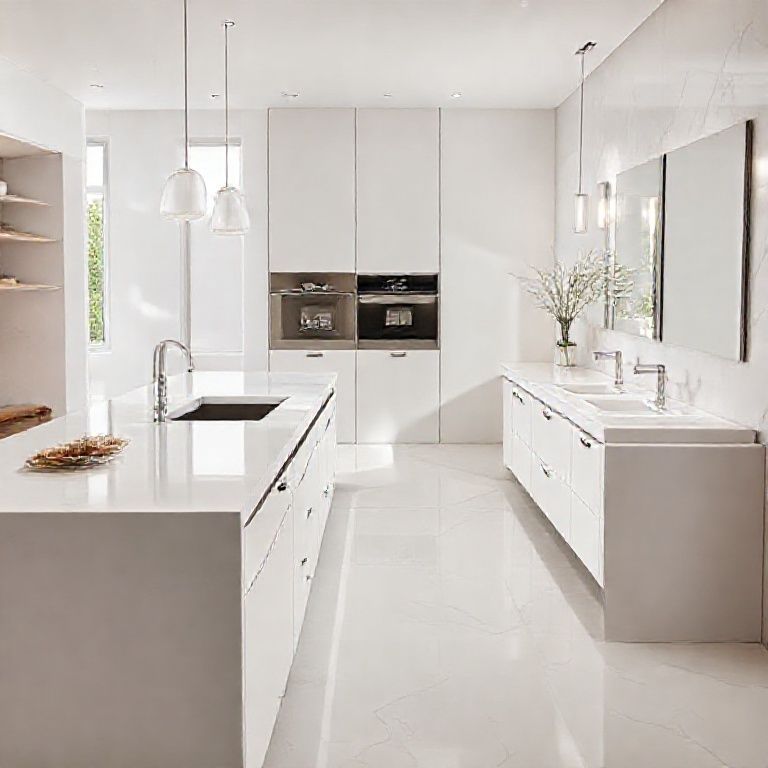
The finish of synthetic stone is not only easy to maintain but also long-lasting. The resin used in the manufacturing process helps to lock in color, ensuring that your countertop retains its vibrant appearance for years to come. Unlike natural stone, which can fade or change over time due to exposure to UV rays and other environmental factors, synthetic stone offers a consistent, enduring finish.
4. Water Resistance
Synthetic stone is highly resistant to water, making it an ideal choice for both kitchen and bathroom countertops. Unlike natural stone, which can absorb water and lead to issues like staining and mold growth, synthetic stone’s non-porous surface ensures that it remains dry and clean even after prolonged exposure to water.
5. Impact Resistance
Synthetic stone’s composite nature also means it can withstand significant impacts without breaking. This makes it a durable option for areas where heavy objects are frequently placed on the countertop. In contrast, natural stone can chip or crack under heavy use, leading to the need for costly repairs.
Maintenance and Longevity
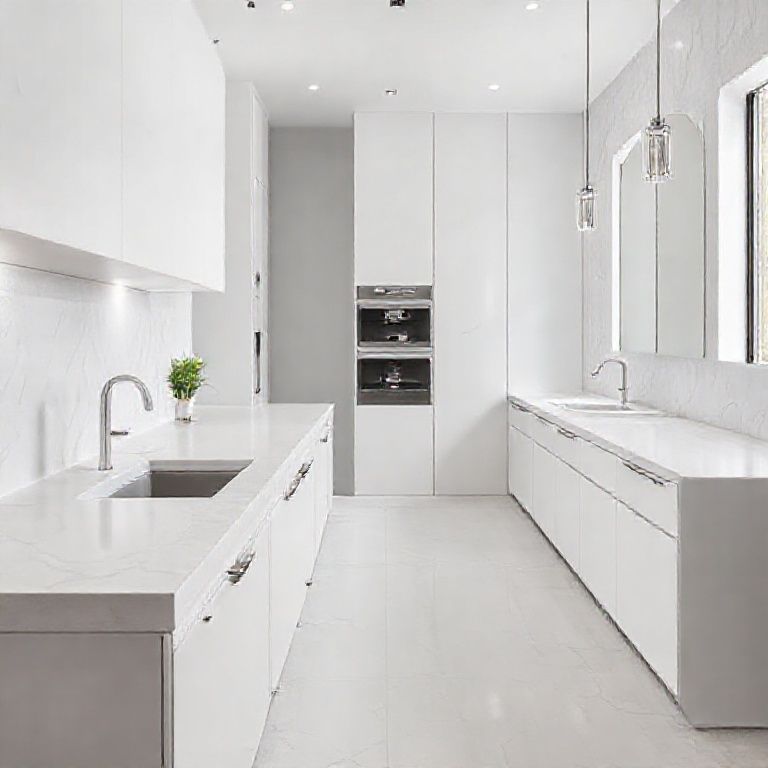
The durability of synthetic stone extends to its low maintenance requirements. Cleaning a synthetic stone countertop is as simple as wiping it down with a damp cloth and a mild detergent. Unlike natural stone, which often requires sealing and regular maintenance to prevent stains and damage, synthetic stone offers a hassle-free solution.
In terms of longevity, synthetic stone countertops are designed to last for decades. While the exact lifespan can vary based on usage and care, many synthetic stone countertops are built to withstand the test of time, providing a long-lasting and durable surface for your kitchen or bathroom.
Comparison to Other Countertop Materials
To further understand the durability of synthetic stone, let’s compare it to some of the most popular countertop materials:
Granite:
Durability: Granite is known for its hardness but can be prone to scratches and stains. Maintenance: Requires sealing every 6-12 months. Lifespan: Can last for many years with proper care but may show signs of wear.
Quartz:
Durability: Highly durable with excellent stain resistance. Maintenance: Low maintenance but requires a specific cleaner. Lifespan: Typically lasts for decades.
Marble:
Durability: Soft and prone to scratches and stains. Maintenance: Requires regular sealing and maintenance. Lifespan: Can last for many years but with significant care.
Wood:
Durability: Vulnerable to scratches, dents, and moisture. Maintenance: Requires regular oiling and refinishing. Lifespan: Shorter lifespan due to natural wear and tear.
Conclusion
In summary, synthetic stone countertops offer an exceptional level of durability that rivals or exceeds many other popular countertop materials. Their resistance to stains, scratches, heat, and water, combined with their low maintenance requirements, make them a practical and attractive choice for modern kitchens and bathrooms. Whether you’re a homeowner looking to upgrade your space or a contractor seeking a reliable material for your projects, synthetic stone provides a durable, long-lasting solution that stands up to everyday use.
Part 2
The Cost of Synthetic Stone Countertops: What to Expect and Why It’s Worth It
When considering the installation of new countertops, cost is a significant factor. Synthetic stone countertops offer a compelling blend of durability and aesthetics, but what does it cost to install them? In this part, we’ll delve into the pricing of synthetic stone countertops, the factors influencing their cost, and why it’s often worth the investment.
Understanding Synthetic Stone Pricing
1. Material Costs
The cost of synthetic stone primarily depends on the quality of materials used in its production. High-quality synthetic stone features a blend of natural stone powder, resins, and other additives that create a durable, aesthetically pleasing surface. Premium brands and designs can significantly increase the overall cost.
2. Design and Customization
Custom designs and intricate patterns can drive up the cost of synthetic stone countertops. While traditional natural stone often comes in standard patterns, synthetic stone allows for a high degree of customization. From unique textures to bespoke designs, the more personalized the countertop, the higher the cost will be.
3. Labor Costs
Installation is another critical component of the overall cost. While synthetic stone is relatively easy to install compared to some other materials, professional installation ensures a smooth, professional finish. Depending on the complexity of the design and the size of the countertop, labor costs can vary.
4. Additional Features
Additional features like backsplashes, sinks, and integrated appliances can also impact the cost. These features add to the overall project but can enhance the functionality and aesthetic appeal of your space.
Average Costs of Synthetic Stone Countertops
To give you a clearer picture of what to expect, here’s a breakdown of the average costs for synthetic stone countertops:
Material Costs:
Low-end: $30 – $50 per square foot Mid-range: $50 – $80 per square foot High-end: $80 – $120 per square foot
Labor Costs:
Low-end: $5 – $10 per square foot Mid-range: $10 – $20 per square foot High-end: $20 – $30 per square foot
Factors Influencing Cost
1. Type of Synthetic Stone
Different types of synthetic stone vary in quality and composition, which directly affects the cost. High-quality materials that mimic natural stone more closely will generally cost more.
2. Complexity of Design
The more intricate the design, the higher the cost. Patterns, colors, and textures all contribute to the overall expense.
3. Size of the Area
Larger installations will naturally cost more due to the increased amount of material and labor required.
4. Location
Geographical location can impact labor costs. Areas with a higher cost of living or where skilled labor is in short supply will generally have higher prices.
Why Investing in Synthetic Stone is Worth It
1. Durability and Longevity
As we’ve discussed, synthetic stone is highly durable and long-lasting. This means that the initial investment pays off in the long run. You’ll save on maintenance costs and avoid the need for frequent replacements, which can be costly.
2. Aesthetic Appeal
Synthetic stone offers a wide range of designs and finishes that can closely mimic natural stone while providing a sleek, modern look. Whether you prefer a granite-like appearance or a marble-inspired design, synthetic stone can deliver impressive aesthetics.
3. Low Maintenance
One of the biggest advantages of synthetic stone is its low maintenance. Unlike natural stone, which often requires regular sealing and care, synthetic stone is easy to clean and maintain. This saves you time and money in the long run.
4. Versatility
Synthetic stone is versatile and can be used in various applications beyond kitchen and bathroom countertops. It can be used for bar tops, island surfaces, vanities, and even outdoor applications like patio tables and steps.
5. Environmentally Friendly
Many synthetic stone products are made from recycled materials and have a lower environmental impact compared to traditional natural stone mining. This makes synthetic stone a more sustainable choice for eco-conscious consumers.
Conclusion
In summary, the cost of synthetic stone countertops can vary widely based on several factors, including material quality, design complexity, and installation requirements. While高端的设计和定制化选项可能会使价格上升,但考虑到其卓越的耐用性、外观吸引力以及低维护成本,这种投资往往是值得的。
相比之下,自然石虽然可能有更多的经典和优雅的外观,但它的维护成本和潜在损坏风险往往会让它在长期投资回报上不如人造石。
如何选择合适的人造石
选择合适的人造石需要考虑几个关键因素:
1. 预算: 设定一个合理的预算范围,包括材料成本和安装费用。了解市场上的价格范围可以帮助你做出更明智的选择。
2. 耐用性: 选择那些具有高耐用性的人造石品牌。查看材料的耐污、耐刮、耐热性能,这些都是影响其耐用性的重要因素。
3. 设计和颜色: 根据你的装修风格选择合适的设计和颜色。人造石提供多种选择,从现代到传统,可以满足不同的审美需求。
4. 安装和维护: 选择那些易于安装和维护的人造石。一些高端的设计可能需要专业技能来安装,因此需要考虑安装的便利性和后期的维护成本。
5. 品牌和保修: 选择有信誉的品牌和供应商,查看其提供的保修和售后服务,以确保你在购买后能得到必要的支持。
人造石的安装与维护
安装: 由于人造石的安装相对简单,许多DIY爱好者都能够自己完成。但如果你不确定自己的能力,最好请专业人士来安装,以确保最佳效果和安全。
维护: 人造石的维护相对简单,日常只需用中性清洁剂和水轻轻擦拭即可。避免使用过强的化学清洁剂,这些可能会损害表面。如果发现有划痕或污渍,可以使用专门的修复剂进行处理。
总结
人造石台面以其耐用性、美观性和低维护成本在现代家居装修中越来越受欢迎。虽然价格可能因材料和设计的复杂程度有所不同,但考虑到其长期的投资回报,它无疑是一个明智的选择。通过仔细选择和合理安装,你可以在家中创造出一个既美观又耐用的现代化空间。