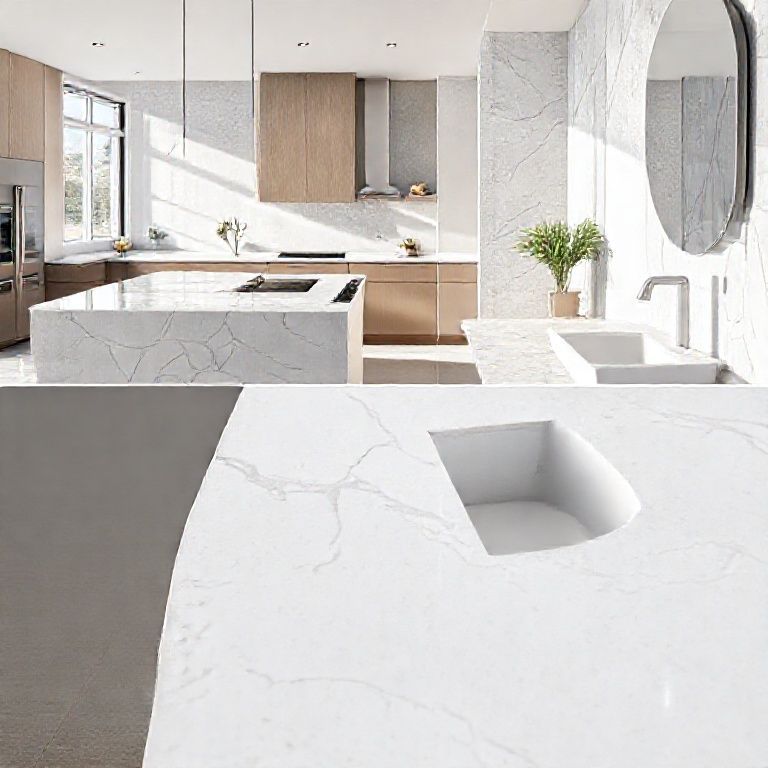
Durability of Synthetic Stone Countertops
Introduction
In the realm of modern kitchen and bathroom design, the choice of countertop material plays a pivotal role. Among the myriad options available, synthetic stone countertops have emerged as a top contender. These countertops offer an array of benefits that make them a desirable choice for homeowners and designers alike. This part of the article will focus on the remarkable durability of synthetic stone countertops.
What Are Synthetic Stone Countertops?
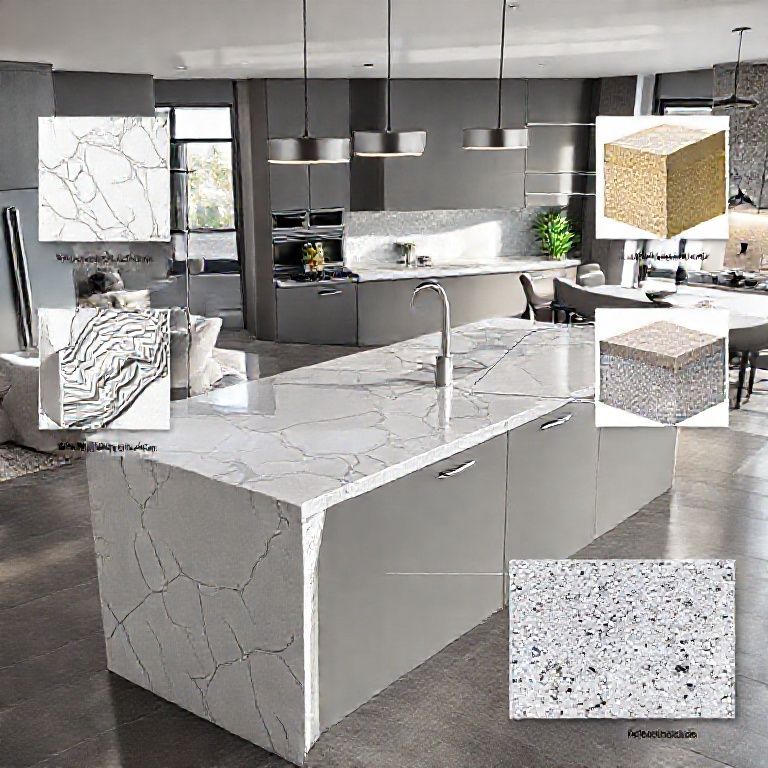
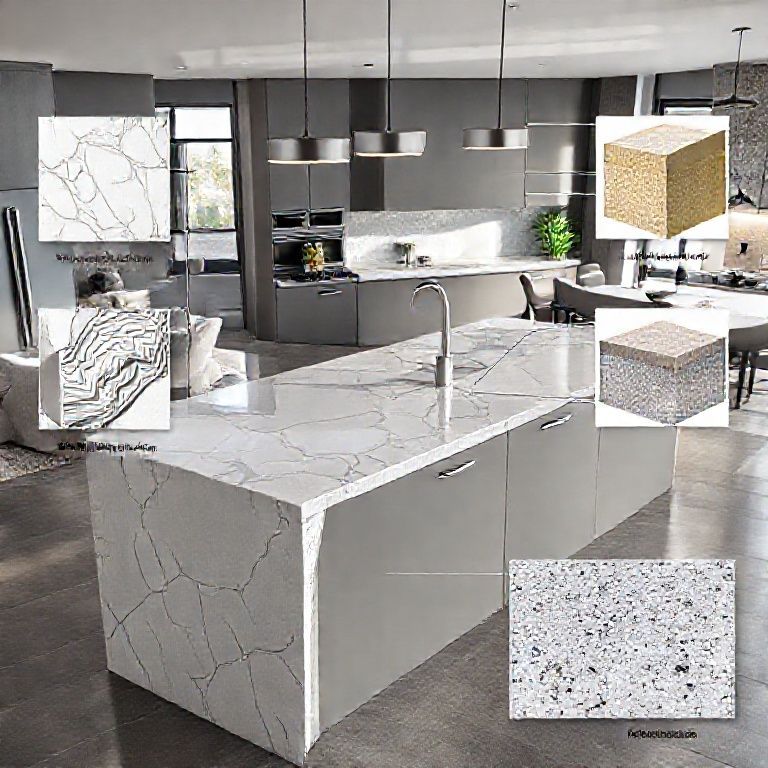
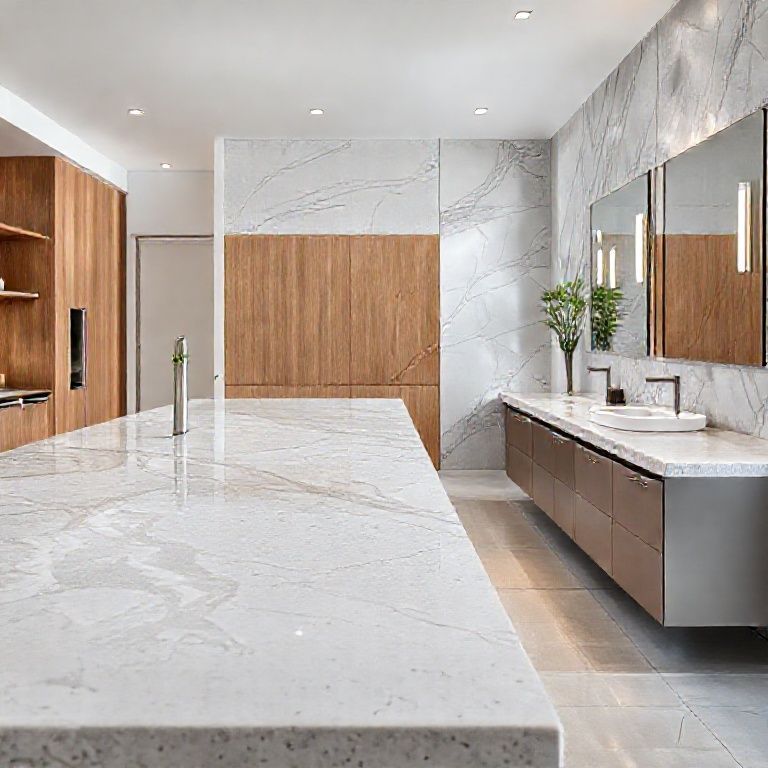
Synthetic stone countertops are made from a blend of natural stone powders, minerals, and resins. The primary components include quartz, calcite, and dolomite, which are combined with a polymer binder. This unique blend creates a material that mimics the appearance and texture of natural stone while offering superior durability and maintenance-free properties.
Why Durability Matters
Durability is a crucial factor when selecting countertop materials. A durable countertop not only enhances the aesthetic appeal of your kitchen or bathroom but also ensures longevity and reduces the need for frequent repairs or replacements. Durability is particularly important in high-traffic areas where countertops are subjected to daily wear and tear.
Durability Features of Synthetic Stone
Resistance to Heat and Scratches
Synthetic stone countertops are renowned for their exceptional resistance to heat and scratches. Unlike traditional granite or marble, synthetic stone does not flake, chip, or crack under the heat of cookware or hot beverages. This makes them an ideal choice for those who frequently cook or serve hot meals. Additionally, the scratch-resistant surface ensures that everyday use, such as placing utensils or cutting boards on the countertop, does not lead to visible marks or damage.
Chemical Resistance
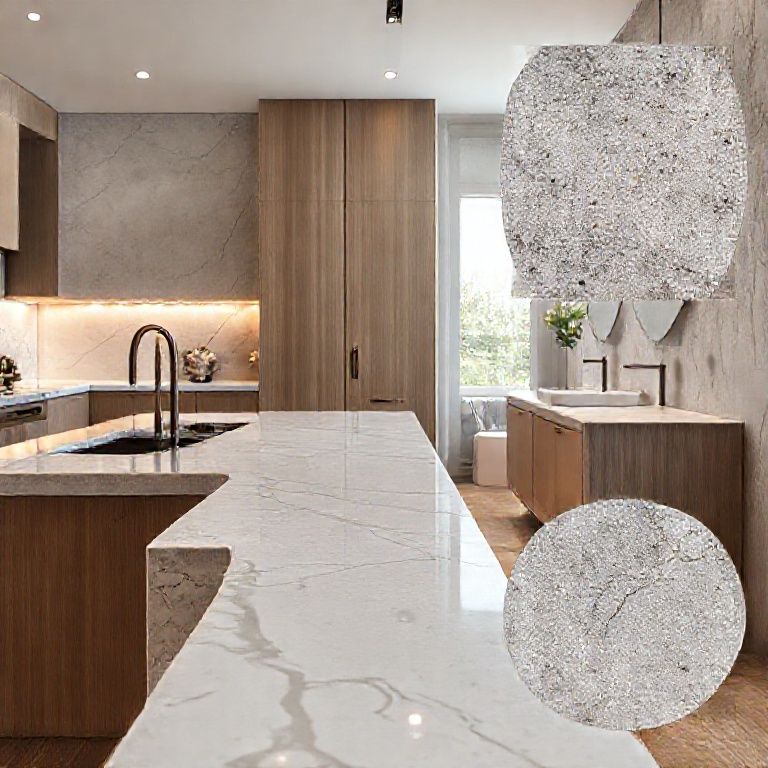
One of the standout features of synthetic stone is its superior chemical resistance. These countertops do not react to acidic or alkaline substances, making them perfect for kitchens where various cleaning agents and food items are used regularly. Unlike natural stone, synthetic stone does not dull, discolor, or stain when exposed to harsh chemicals or spills.
Water Resistance
Water resistance is another significant advantage of synthetic stone countertops. They do not absorb water, which means spills do not penetrate the surface and cause damage underneath. This property makes them easy to clean and maintain, as a simple wipe with a damp cloth can remove any spills or stains.
Longevity and Low Maintenance
The longevity of synthetic stone countertops is unparalleled. They do not erode, flake, or degrade over time, which means they retain their appearance and functionality for years to come. Additionally, the low maintenance aspect of synthetic stone is a major plus. Unlike natural stone, which requires sealing and regular maintenance to prevent staining, synthetic stone simply needs a routine cleaning to stay pristine.
Real-World Applications
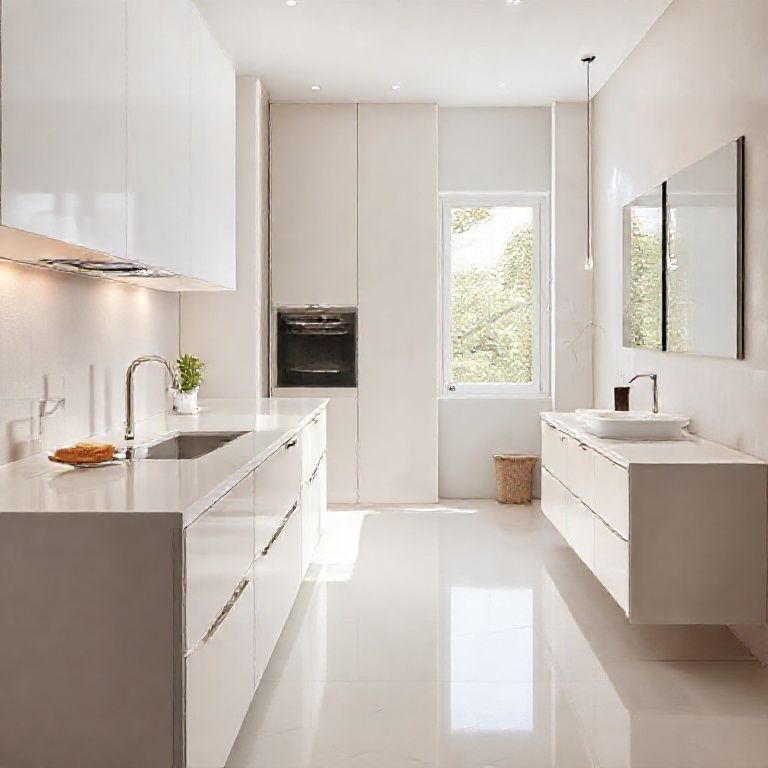
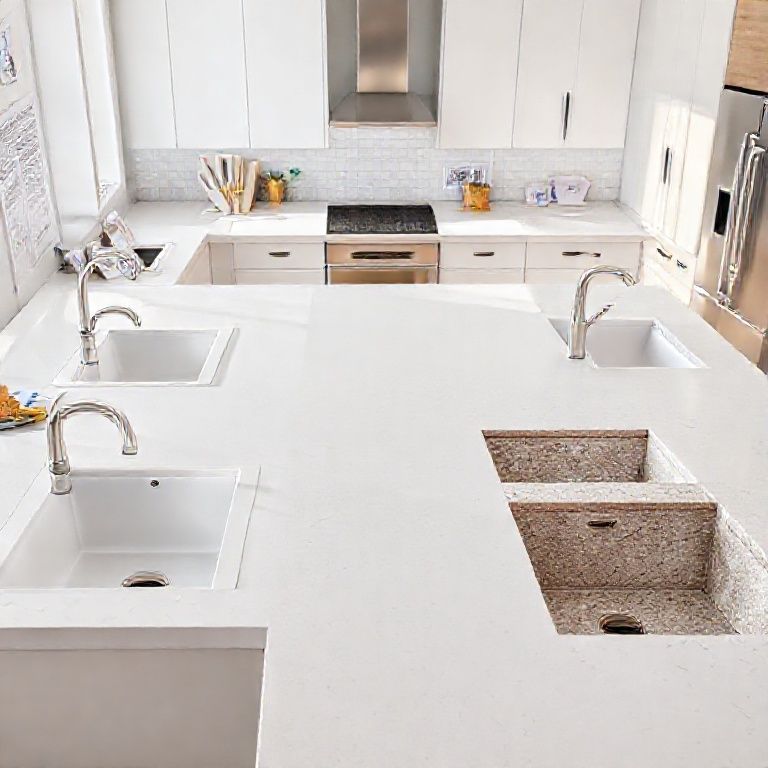
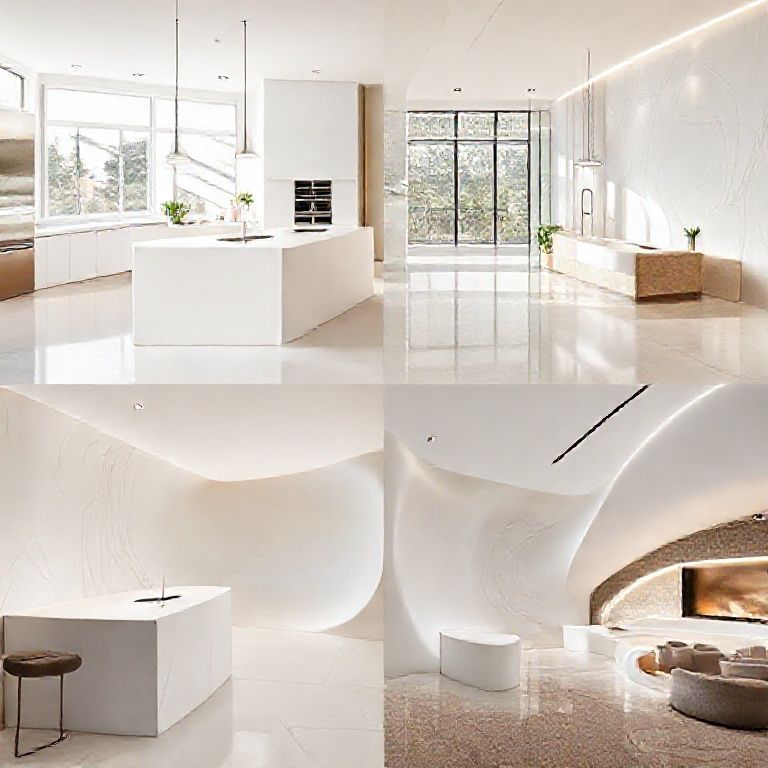
Synthetic stone countertops are increasingly popular in both residential and commercial settings. In homes, they are used in kitchens, bathrooms, and even living areas where a durable, stylish surface is desired. In commercial kitchens and restaurants, synthetic stone provides a practical and hygienic solution that withstands the rigors of daily use and cleaning.
Conclusion
The durability of synthetic stone countertops is a testament to their superior material composition and manufacturing process. Their resistance to heat, scratches, chemicals, and water, coupled with their low maintenance and longevity, make them an excellent choice for those seeking a durable and practical countertop solution. In the next part of this article, we will delve into the safety aspects of synthetic stone countertops, ensuring you have all the information needed to make an informed decision for your next renovation project.
Safety of Synthetic Stone Countertops
Introduction
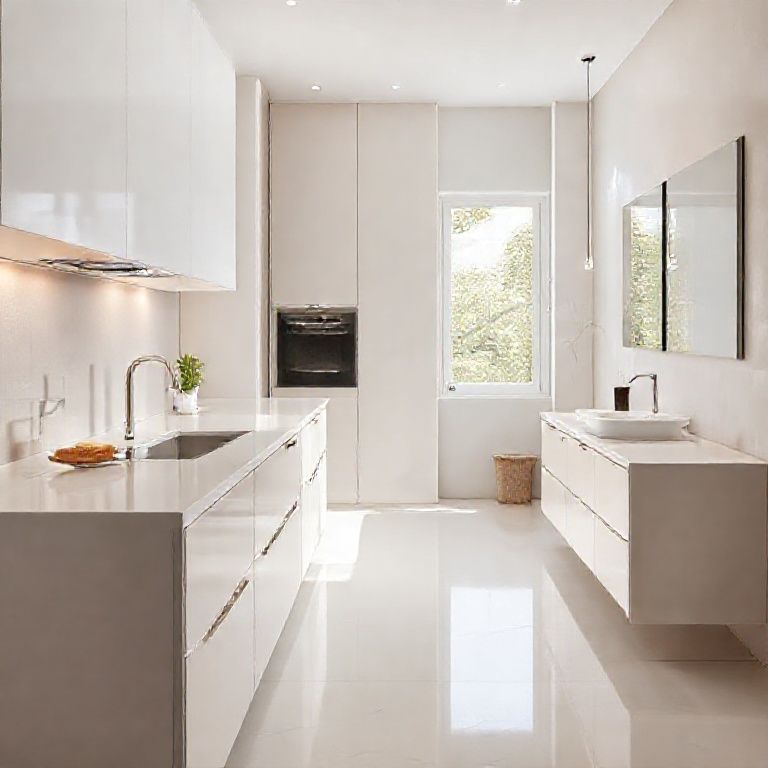
Having explored the durability of synthetic stone countertops, we now turn our attention to their safety. Safety is a paramount concern when it comes to kitchen and bathroom design, as these areas are often used daily by multiple family members. This part of the article will focus on the safety features and benefits of synthetic stone countertops, ensuring you can confidently choose this material for your home.
What Does Safety Entail?
Safety in the context of countertop materials encompasses several aspects: chemical safety, impact resistance, and overall health considerations. When selecting a countertop material, it is essential to consider whether it poses any risks to the health and well-being of the users.
Chemical Safety
Non-Toxic Composition
Synthetic stone countertops are made from a blend of natural stone powders and a polymer binder. Unlike some composite materials that may contain volatile organic compounds (VOCs) or other harmful chemicals, synthetic stone is inherently non-toxic. The manufacturing process involves natural materials and safe resins, ensuring that there are no harmful emissions or residues that could pose a health risk.
Hypoallergenic Properties
Another important aspect of chemical safety is the hypoallergenic nature of synthetic stone. Traditional stone countertops can sometimes release small amounts of dust or minerals that may trigger allergies or respiratory issues in sensitive individuals. Synthetic stone, on the other hand, is free from these particles, making it a safer choice for households with members who have allergies or respiratory conditions.
Impact Resistance
Heat Resistance
As previously mentioned, synthetic stone countertops are highly resistant to heat. This resistance not only makes them durable but also safe in terms of preventing burns or scalds from hot pots, pans, or liquids. The ability to withstand high temperatures without cracking or warping ensures that spills of hot liquids do not pose a burn risk, providing a safer cooking environment.
Impact Resistance
Synthetic stone countertops are also highly impact-resistant. Unlike natural stone, which can crack or chip when subjected to heavy impacts, synthetic stone maintains its integrity even under significant force. This characteristic makes them an excellent choice for families with young children or pets, as accidental drops or impacts are less likely to cause damage.
Health and Hygiene Considerations
Antibacterial Properties
One of the standout safety features of synthetic stone is its potential antibacterial properties. Many synthetic stone formulations include materials that inhibit the growth of bacteria and mold. While not completely sterile out of the box, the surface of synthetic stone can be more resistant to bacterial growth compared to porous materials like granite or marble. This feature contributes to a healthier kitchen environment, especially in households where food preparation is a daily activity.
Ease of Cleaning
The safety of a countertop also extends to its cleanliness. Synthetic stone is easy to clean and maintain, as its non-porous surface does not absorb bacteria or other contaminants. Regular cleaning with mild soap and water can effectively remove spills and stains, reducing the risk of bacterial growth and ensuring a hygienic kitchen or bathroom.
Environmental Safety
Sustainable Manufacturing
Synthetic stone countertops are produced in an environmentally friendly manner. The materials used in their creation are natural and the manufacturing process is designed to minimize waste and emissions. This sustainable approach ensures that the production of synthetic stone does not significantly impact the environment, making it a responsible choice for eco-conscious consumers.
Recyclability
Another environmental safety aspect is the recyclability of synthetic stone. Unlike natural stone, which is a non-renewable resource, synthetic stone can be recycled at the end of its life cycle. This recyclability ensures that the materials used in synthetic stone countertops can be repurposed, reducing waste and the need for new raw materials.
Real-World Applications
The safety features of synthetic stone countertops make them suitable for a wide range of applications. In homes, they provide a safe and hygienic surface for food preparation and daily use. In commercial settings, such as hospitals, schools, and daycare centers, synthetic stone’s safety and easy maintenance make it an ideal choice for areas where cleanliness and safety are paramount.
Conclusion
The safety of synthetic stone countertops is a significant advantage that sets them apart from other countertop materials. Their non-toxic, hypoallergenic composition, impact resistance, antibacterial properties, and ease of cleaning all contribute to a safer kitchen and bathroom environment. Additionally, their sustainable manufacturing process and recyclability make them an environmentally responsible choice. When considering safety and durability, synthetic stone countertops emerge as a top option for homeowners and designers looking for a material that combines functionality with peace of mind. With their impressive durability and safety features, synthetic stone countertops are not just a trend but a practical and responsible choice for modern kitchen and bathroom design.