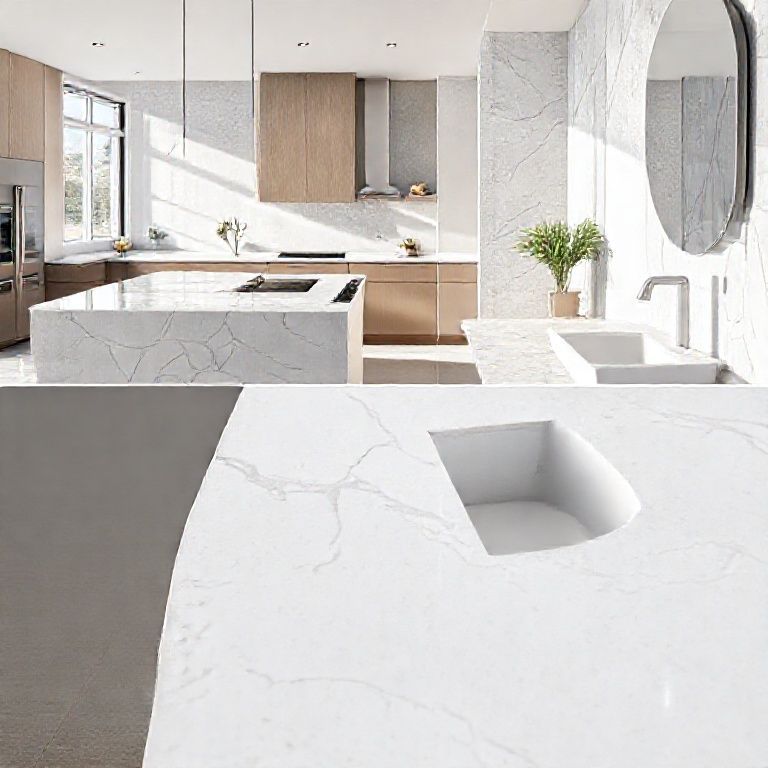
The Durability Battle: Quartzite vs. Marble
Introduction
When it comes to selecting materials for luxury flooring, countertops, and decorative elements, durability and longevity are paramount. Among the most sought-after choices are quartzite and marble. This article aims to delve deeply into the durability aspects of both materials, helping you make an informed decision that aligns with your aesthetic and functional needs.
Understanding Quartzite
Quartzite is a type of metamorphic rock that is formed from the metamorphism of sandstone. It is composed predominantly of quartz crystals, making it incredibly hard and dense. This inherent hardness contributes to its superior durability and resistance to scratches, stains, and thermal shock.
Key Characteristics of Quartzite:
Hardness: Quartzite boasts a Mohs hardness rating of 7, making it one of the hardest natural stones available. This hardness translates to exceptional resistance against scratches and dents, ensuring longevity and maintaining a pristine appearance over time.
Thermal Stability: Its high thermal stability makes quartzite an excellent choice for areas exposed to frequent heating and cooling cycles, such as kitchens and high-traffic areas.
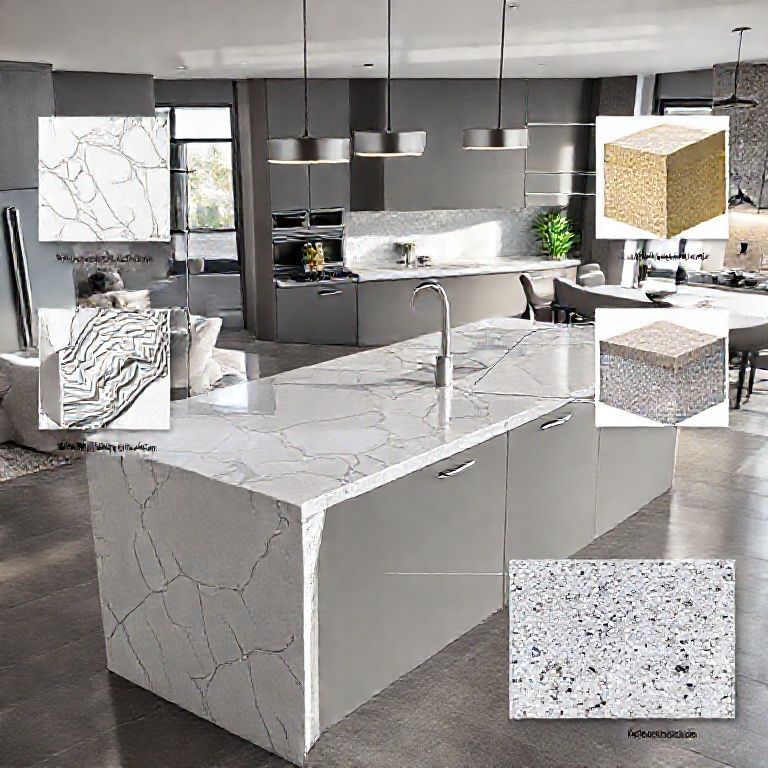
Water Resistance: Quartzite’s dense structure offers excellent water resistance, making it ideal for both interior and exterior applications. It does not absorb water, which prevents staining and mold growth.
Maintenance and Longevity of Quartzite
The low maintenance nature of quartzite is one of its standout features. Here’s what you need to know about maintaining your quartzite surfaces:
Cleaning: Regular cleaning with mild soap and water is sufficient to keep quartzite looking its best. For tougher stains, a commercial stone cleaner can be used sparingly.
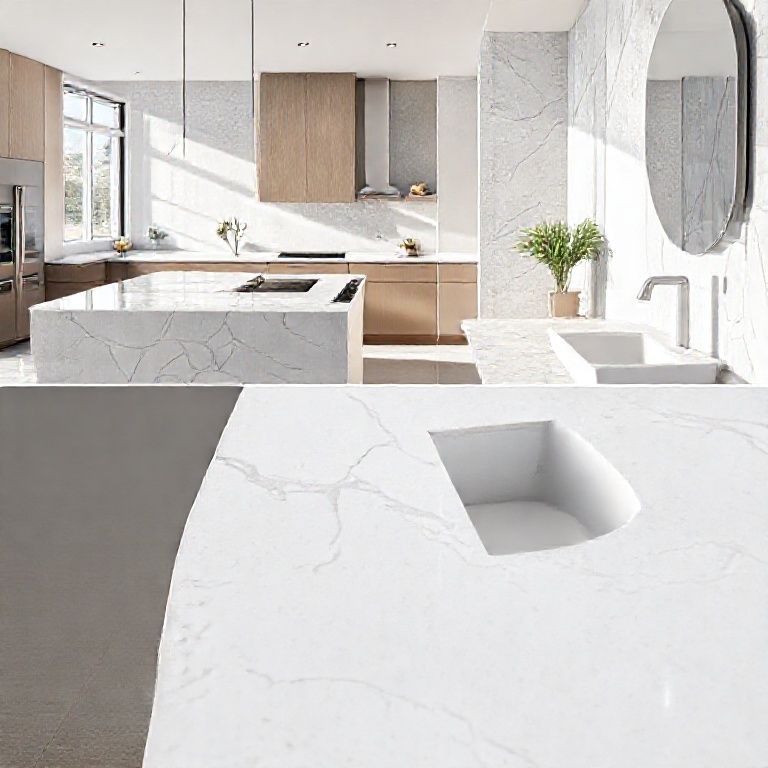
Avoiding Acidic Products: Due to its high hardness, quartzite can withstand most household cleaning products. However, it is wise to avoid abrasive cleaners and acidic substances that could potentially cause minor surface etching.
Longevity: Given its hardness and resistance to environmental factors, quartzite typically lasts for decades without significant wear, making it a highly durable option.
Understanding Marble
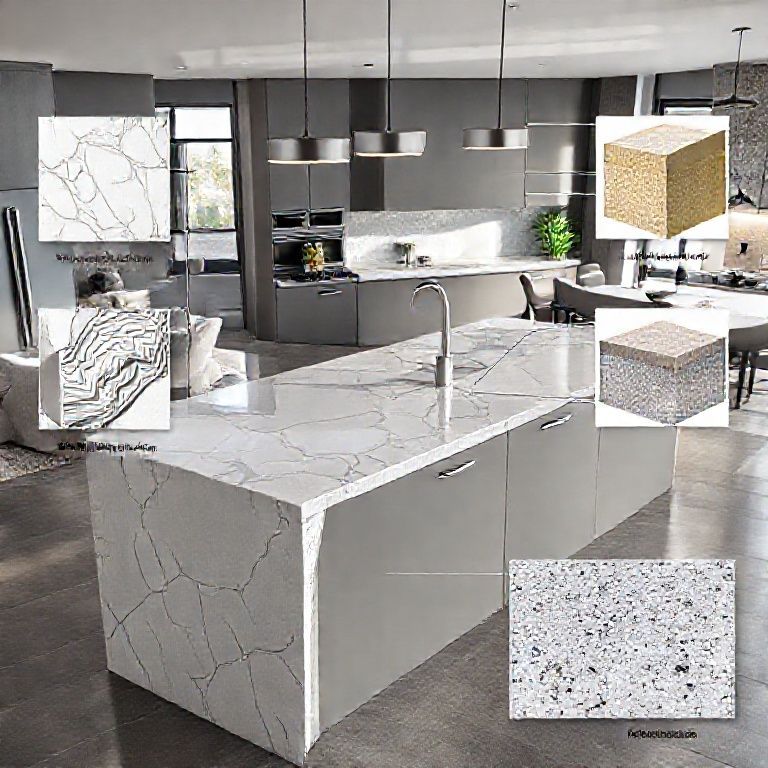
Marble, on the other hand, is a metamorphic rock derived from the metamorphism of limestone. It is known for its beautiful patterns and is often chosen for its aesthetic appeal. However, marble’s durability can be more variable compared to quartzite.
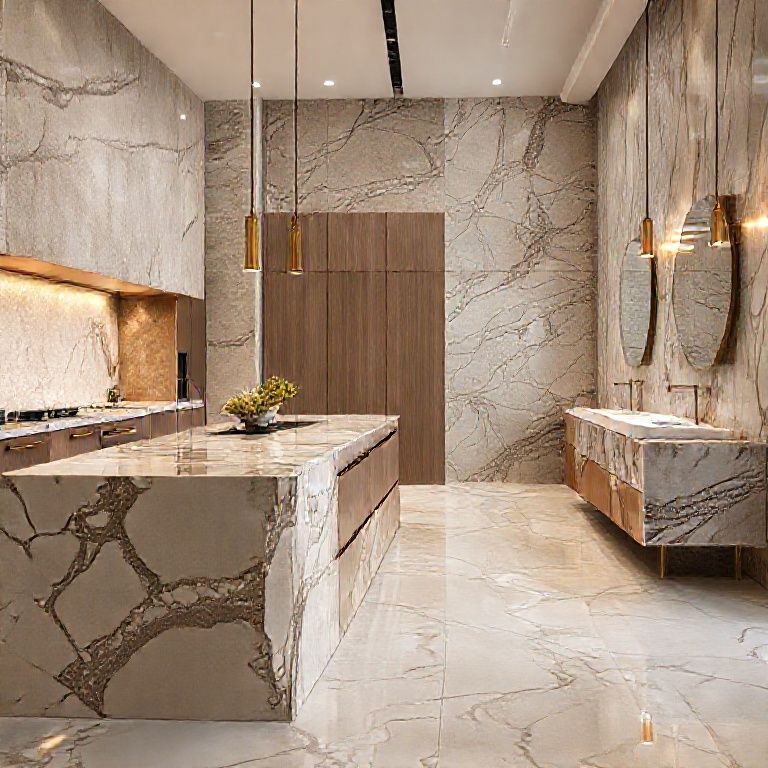
Key Characteristics of Marble:
Aesthetic Appeal: Marble is renowned for its intricate patterns and natural beauty, making it a popular choice for high-end interiors and exteriors.
Porosity: Unlike quartzite, marble is relatively porous. This porosity makes it susceptible to staining from acids, spills, and environmental factors.
Hardness: Marble has a Mohs hardness rating ranging from 3 to 4, which is considerably lower than that of quartzite. This lower hardness makes it more prone to scratches and dents.
Maintenance and Longevity of Marble
Proper maintenance is crucial to preserving the beauty and longevity of marble surfaces. Here’s what you need to know:
Cleaning: Regular cleaning with a pH-neutral marble cleaner and a soft cloth is essential to prevent staining. Avoid using harsh chemicals or abrasive pads that can scratch the surface.
Sealing: To enhance the durability and appearance of marble, it is recommended to seal the surface regularly. Sealants create a protective barrier that helps to repel stains and spills.
Longevity: While marble can last for many years with proper care, its porosity and lower hardness mean it may require more frequent maintenance compared to quartzite. Regular sealing and careful handling can help extend its lifespan.
Comparative Durability: Quartzite vs. Marble
To put the durability of quartzite and marble side by side, let’s explore their performance in various scenarios:
Scratch Resistance: Quartzite’s high hardness makes it highly resistant to scratches, while marble’s lower hardness means it is more susceptible to scratches from everyday use.
Stain Resistance: Quartzite’s dense structure offers excellent stain resistance, whereas marble’s porous nature can lead to staining from acidic substances and spills.
Thermal Shock Resistance: Both materials have good thermal shock resistance, but quartzite’s superior hardness makes it more resilient to thermal fluctuations.
Maintenance Requirements: Quartzite requires minimal maintenance, making it a low-effort choice for busy households. Marble, however, needs regular cleaning and sealing to maintain its beauty and prevent damage.
Conclusion
In conclusion, when comparing the durability of quartzite and marble, quartzite clearly emerges as the superior choice. Its superior hardness, low porosity, and low maintenance requirements make it ideal for high-traffic areas and long-lasting applications. Marble, while beautiful, requires more diligent care to maintain its appearance and integrity. Understanding these differences will help you make a well-informed decision that suits your specific needs and preferences.
Stay tuned for the second part of our deep dive into quartzite vs. marble, where we’ll explore more detailed applications and additional insights into choosing the right stone for your home.
The Durability Battle: Quartzite vs. Marble – Detailed Applications and Insights
Introduction
In the previous part, we explored the fundamental differences in durability between quartzite and marble. Now, let’s delve deeper into specific applications and provide additional insights to help you make a more informed decision about which stone is best suited for your needs.
Applications of Quartzite
1. Kitchen Countertops:
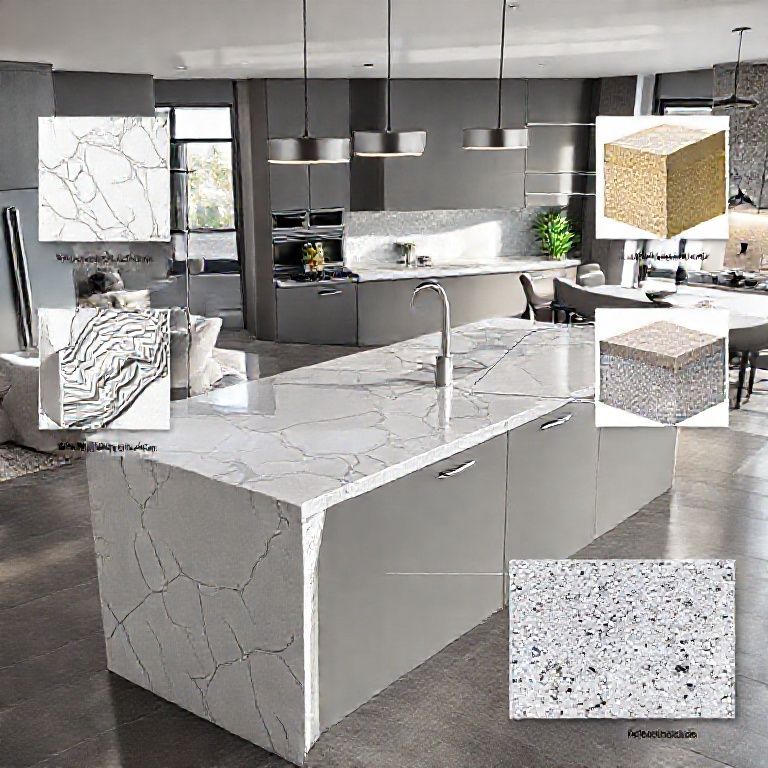
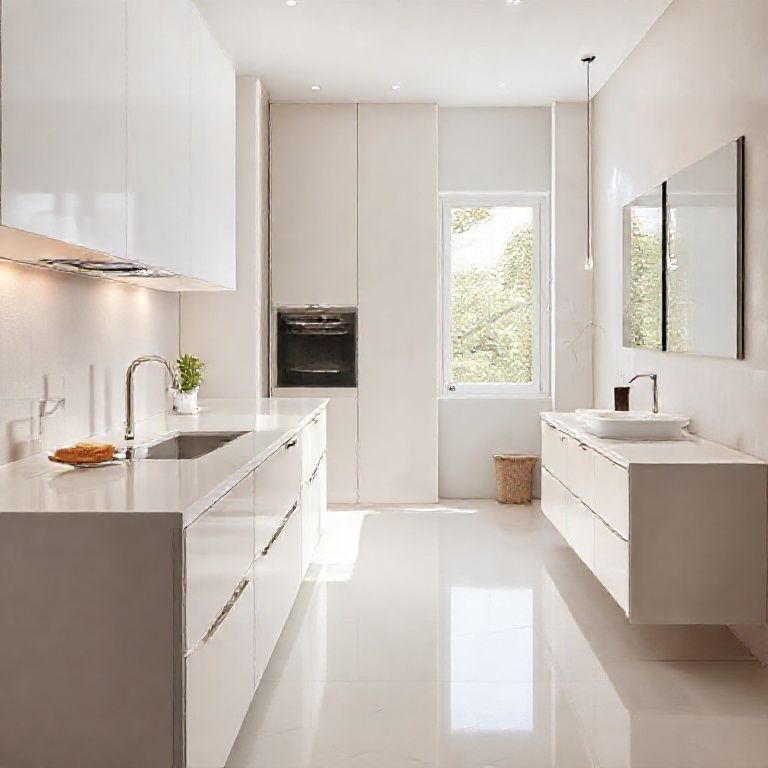
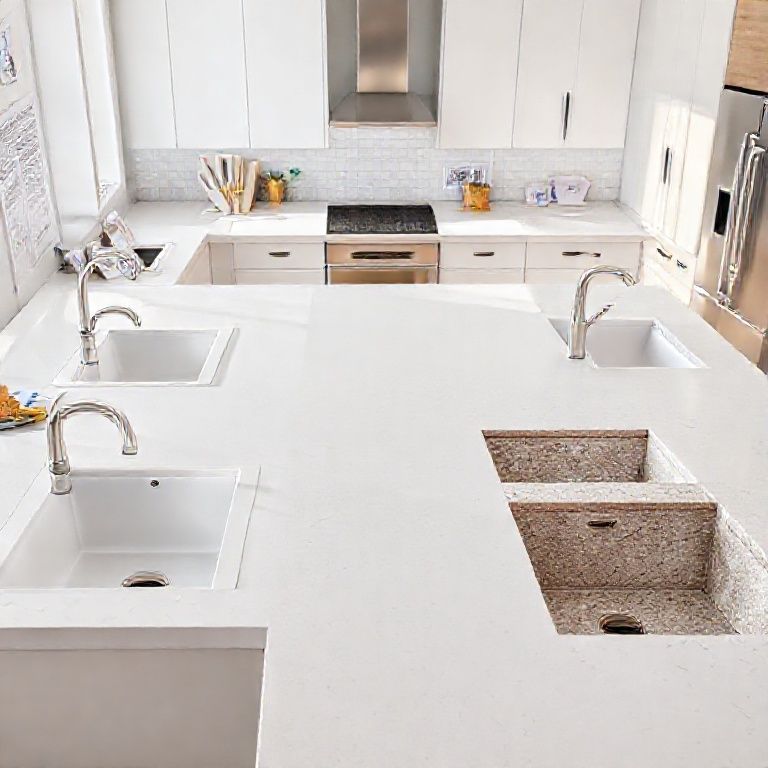
Quartzite’s superior hardness and low porosity make it an excellent choice for kitchen countertops. Its ability to resist scratches, stains, and thermal shock means that it will maintain its pristine appearance even with frequent use in a kitchen environment. Quartzite countertops are particularly resistant to acidic spills, such as those from cleaning products, making them ideal for busy kitchens.
2. Bathroom Vanities:
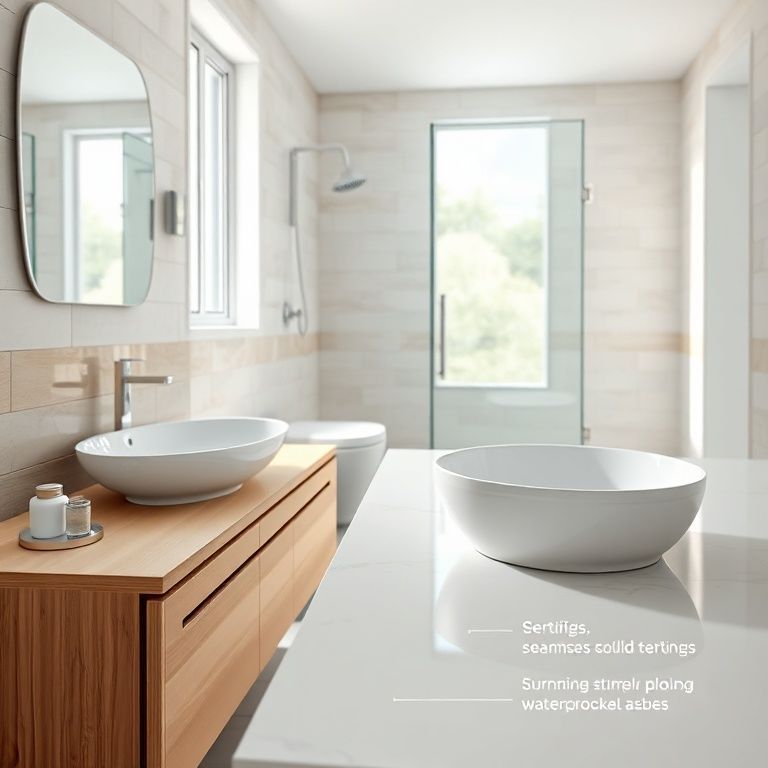
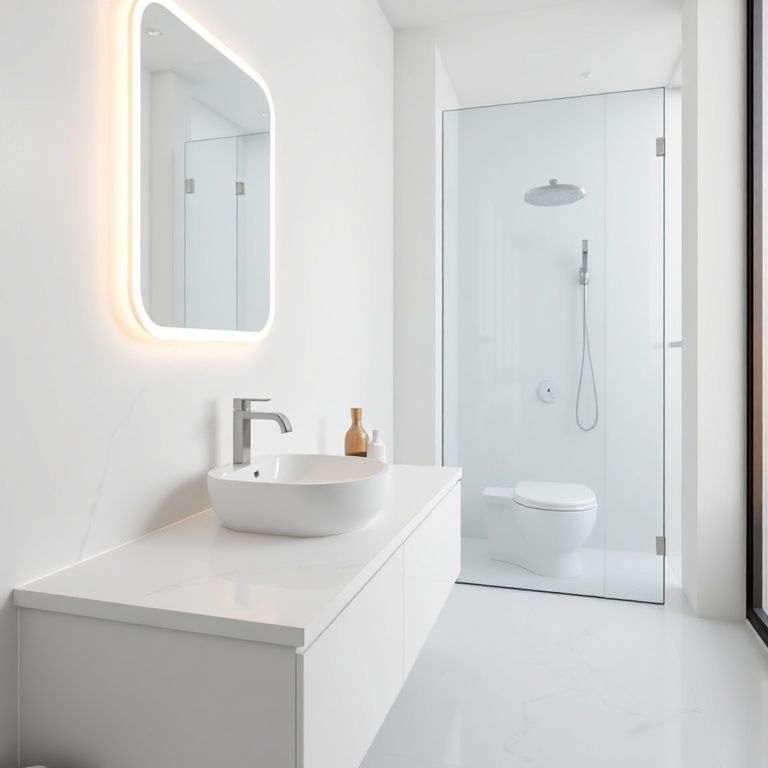
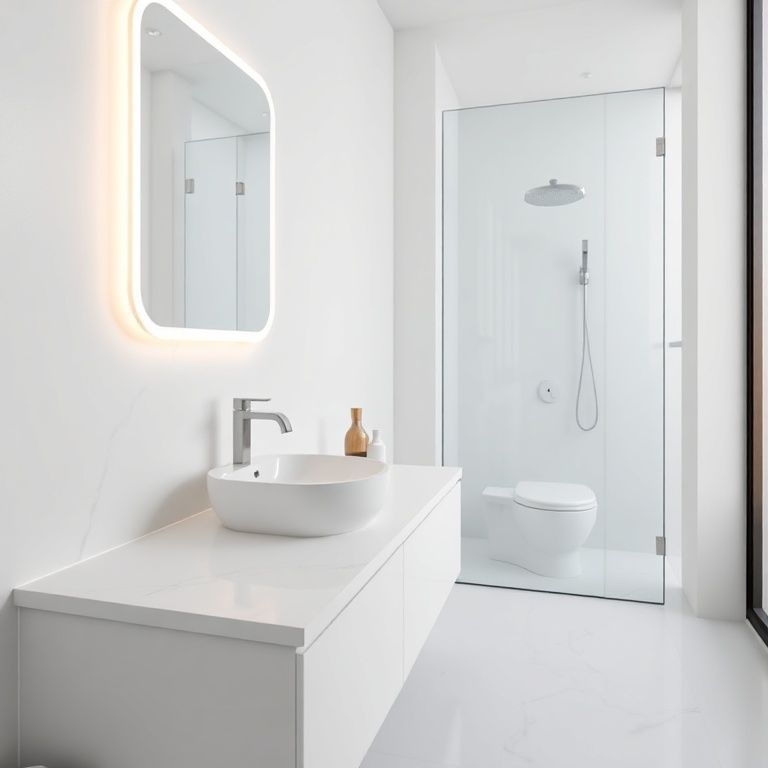
Quartzite’s water resistance and low maintenance requirements make it a fantastic choice for bathroom vanities. Its dense structure ensures that it won’t absorb water, preventing mold and mildew growth. Quartzite vanities are not only easy to clean but also highly durable, ensuring a long-lasting, beautiful surface in your bathroom.
3. Outdoor Applications:
Despite its hardness, quartzite is also suitable for outdoor applications, such as patios and outdoor kitchens. Its ability to withstand weather elements, including rain and sun, makes it a durable option for outdoor spaces. Additionally, its water resistance helps prevent water damage and staining.
Applications of Marble
1. Living Room and Dining Areas:
Marble’s aesthetic appeal makes it a popular choice for living rooms, dining areas, and other high-traffic areas where its beauty can be showcased. Its intricate patterns and natural beauty can add a touch of elegance and luxury to any space. However, due to its porosity, marble in these areas should be regularly sealed and cleaned to maintain its appearance.
2. Decorative Elements:
Marble’s beauty extends to decorative elements such as tabletops, fireplace surrounds, and sculptures. Its unique patterns and colors can enhance the visual appeal of a space. While marble can be stunning in decorative elements, its maintenance requirements must be carefully managed to prevent damage.
3. Historical Restorations:
Marble’s historical significance and beauty make it a preferred choice for restorations of historical buildings and monuments. Its ability to mimic ancient textures and patterns allows for the restoration of classical architectural elements. However, the porosity and lower hardness of marble mean that careful preservation techniques are required to maintain its integrity over time.
Additional Insights:
1. Cost Considerations:
When considering the cost, it’s important to note that quartzite typically falls into a higher price range compared to some other types of stone due to its superior quality and durability. Marble also varies in price depending on its type and quality. High-end marble varieties can be quite expensive, but they offer a unique aesthetic that can elevate the design of a space.
2. Installation and Craftsmanship:
Both quartzite and marble require professional installation to ensure a seamless and durable finish. Skilled craftsmen can make significant differences in the appearance and longevity of your stone surfaces. When hiring professionals, ensure they have experience with the specific type of stone you’re using to achieve the best results.
3. Environmental Impact:
Consider the environmental impact of your stone choice. Quartzite is a more sustainable option as it is often quarried in a way that has a lower environmental footprint compared to marble, which can be associated with more intensive quarrying processes and environmental degradation in some areas.
4. Warranty and Guarantees:
Check the warranty and guarantees offered by the stone suppliers and installers. A good warranty can provide peace of mind and ensure that any potential issues can be addressed promptly. Quartzite often comes with longer warranties due to its superior durability and low maintenance needs.
Conclusion
In summary, quartzite and marble each have unique advantages and disadvantages when it comes to durability and application. Quartzite’s superior hardness, low porosity, and low maintenance requirements make it an继续探讨这两种石材的特点和应用,我们可以深入了解它们在不同环境和设计需求中的表现。
石材的耐久性对比
1. 日常使用耐久性
耐污性与清洁
石英石: 由于其低渗透性,石英石不容易被污渍渗入,清洁也相对简单。即使有污渍,通常只需用湿布擦拭即可。
大理石: 大理石具有天然的花纹,但由于其多孔结构,容易吸收液体和污渍。这意味着大理石需要定期密封以防止吸收污渍,并且可能需要专业清洁来恢复其美观。
耐磨性
石英石: 其高硬度使其在高磨损区域表现尤为出色,如厨房和浴室。它不易被刀具划伤,适合需要频繁使用的区域。
大理石: 虽然大理石美丽,但其较低的硬度使其在高磨损区域表现不如石英石。例如,厨房台面可能需要定期维护以防止划痕和损坏。
2. 特殊环境下的表现
在一些特殊环境中,石材的表现也会有所不同:
户外使用
石英石: 由于其耐候性,石英石非常适合户外应用,如露台、花园和公共区域。它能够抵御阳光、雨水和其他天气条件的影响。
大理石: 虽然大理石也可以用于户外,但其多孔性使其更易受到湿气和霉菌的影响,尤其是在潮湿环境中,需要特别的保护措施。
高湿度区域
石英石: 其耐水性和耐湿性使其非常适合用于浴室和卫生间等高湿度区域。
大理石: 在高湿度区域,大理石容易吸收水分,导致开裂和霉菌生长,因此需要特别处理和保养。
选择石材的其他考虑因素
1. 美学价值
石材的美学价值是另一个重要考虑因素。石英石和大理石各有其独特的外观和质感,这可以影响你的设计选择。
石英石: 提供一致的、光滑的表面,可以有多种颜色和纹理,但通常缺乏大理石那样的自然花纹和色彩变化。
大理石: 以其独特的天然纹理和多样的颜色著称,是许多建筑和室内设计中的经典选择。
2. 预算和成本
石材的成本因其品牌、纯度、来源和加工工艺而异。石英石通常价格在大理石之上,但其高耐久性和低维护需求可能在长期内为你节省成本。
3. 环保和可持续性
石材的环境影响也是现代设计师和消费者关注的焦点。选择环保和可持续的石材,不仅对环境有益,还能够满足越来越多消费者的道德和环保需求。
总结
石英石和大理石各有优缺点,选择哪一种取决于具体的应用需求、预算、美学偏好以及对环境的考虑。石英石以其卓越的耐久性和低维护需求成为越来越多人的首选,而大理石则因其独特的美感在特定应用中仍然有不可替代的地位。无论选择哪一种,确保与专业的石材供应商和安装商合作,以获得最佳的效果和耐久性。