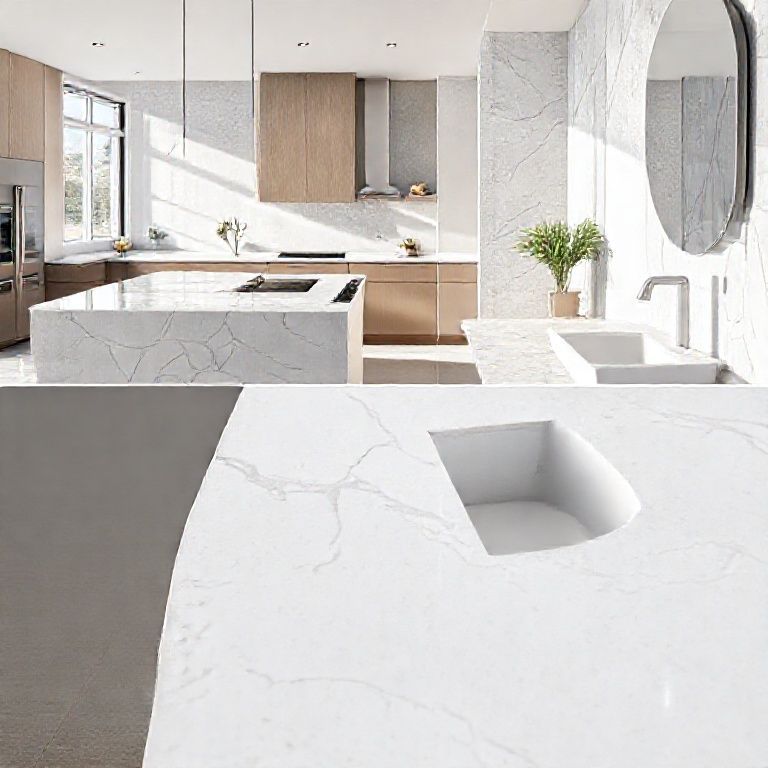
The Durability Debate: Quartz Stone vs. Marble – Unveiling the Ultimate Choice for Your Home
When it comes to selecting durable materials for your home, two names often emerge as top contenders: quartz stone and marble. Both have their unique properties and appeal, but understanding their durability is essential for making an informed decision. Let’s delve into the characteristics, maintenance requirements, and initial costs to understand which material reigns supreme in the durability department.
1. Characteristics and Composition
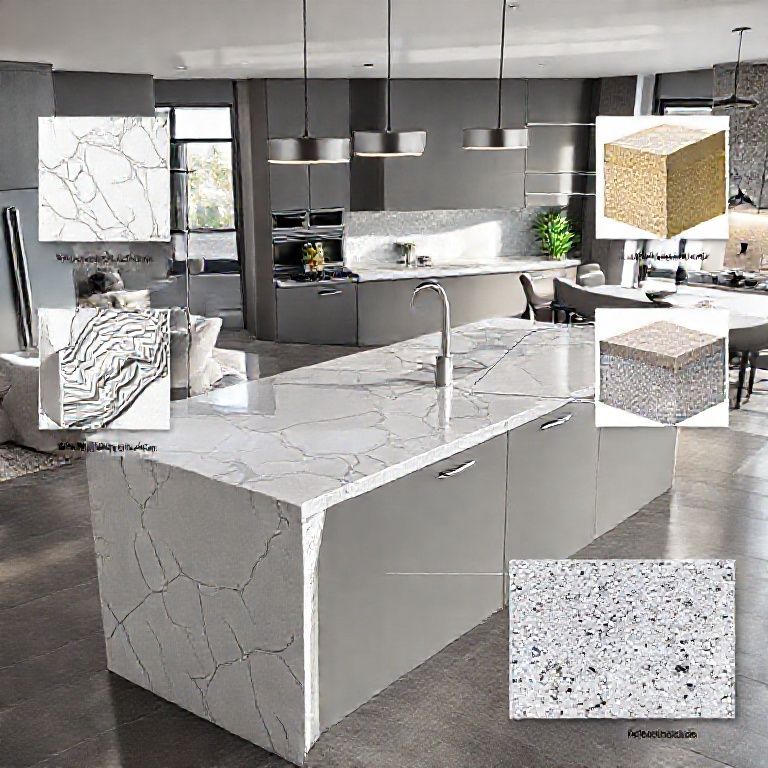
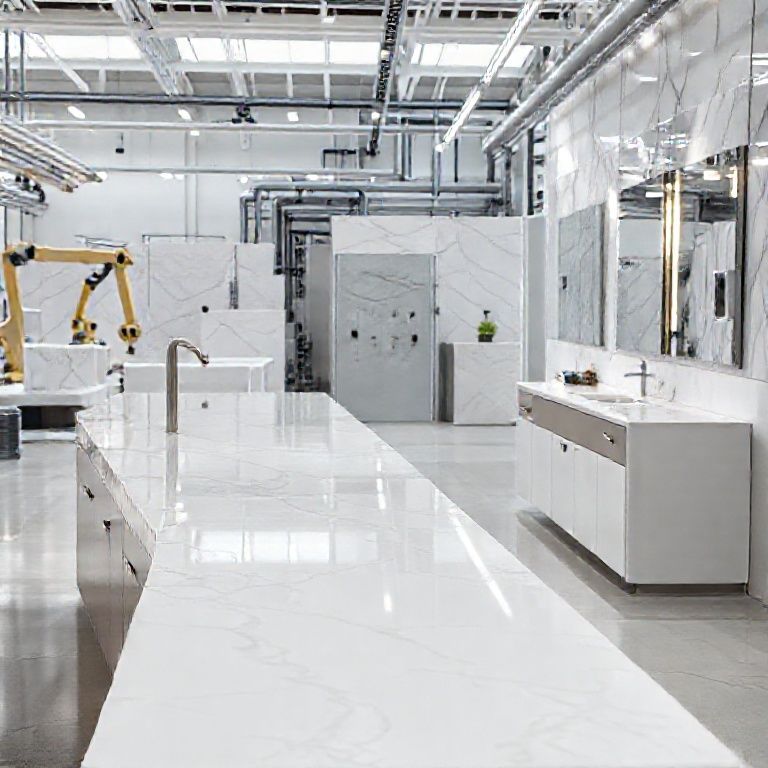
Quartz Stone: Quartz stone is a composite material made from 90% natural quartz, combined with resin and other natural stones to enhance its aesthetic and durability. Its unique composition makes it a modern alternative to traditional stone materials.
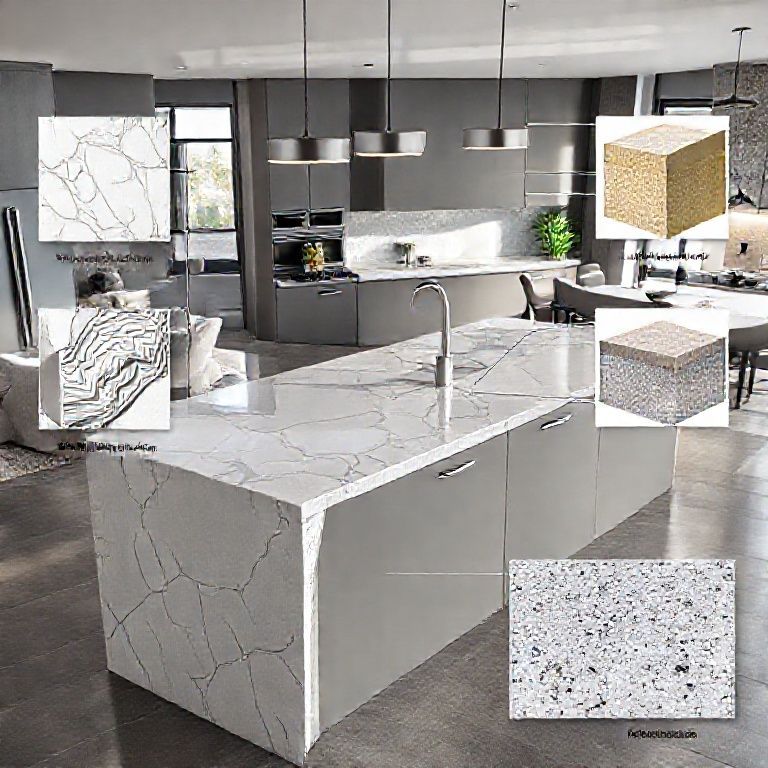
Marble: Marble, on the other hand, is a metamorphic rock formed from limestone under high pressure and temperature. It is prized for its stunning veining and natural beauty but can be more prone to scratches and stains compared to quartz.
2. Durability and Hardness
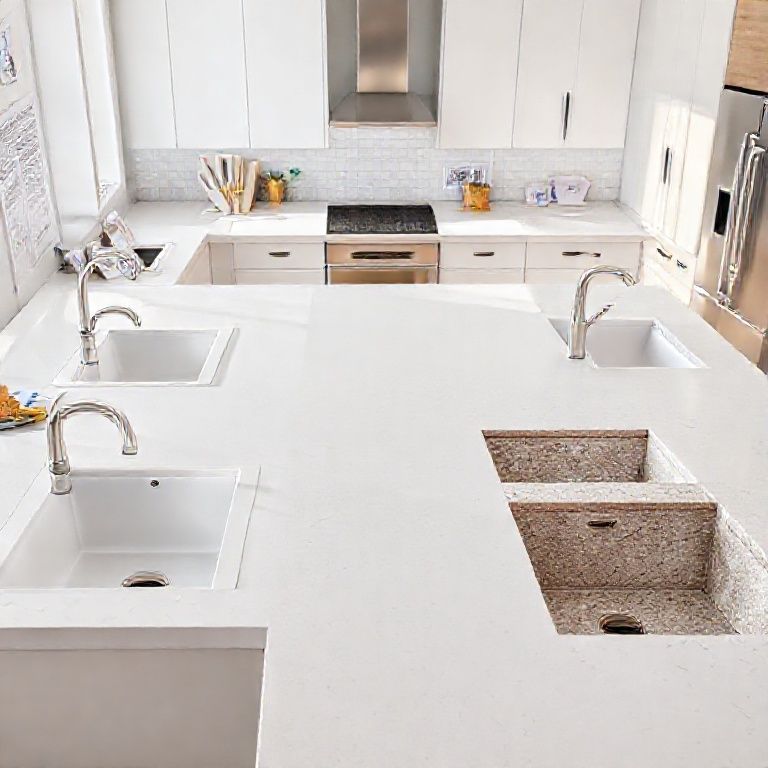
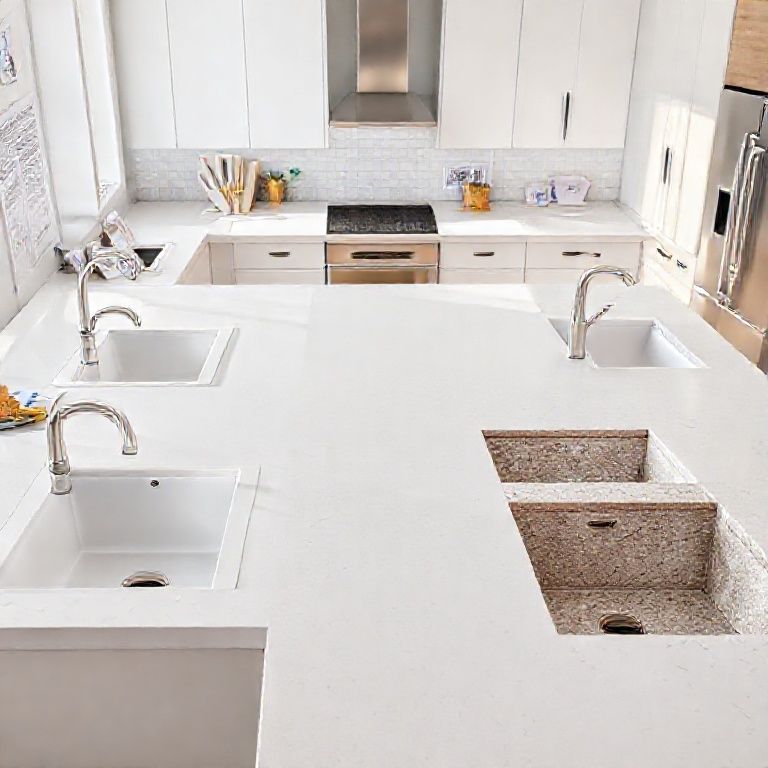
Quartz Stone: One of the standout features of quartz stone is its exceptional hardness, ranking 7 on the Mohs scale. This makes it highly resistant to scratches, making it an excellent choice for high-traffic areas like kitchens and bathrooms. Additionally, quartz’s non-porous nature ensures that it does not absorb liquids or stains, offering a clean and easy-to-maintain surface.
Marble: Marble, while beautiful, is less durable due to its natural composition. It ranks around 3 to 4 on the Mohs scale, making it more susceptible to scratches and stains. Its porous nature means it can absorb liquids, which can lead to discoloration over time. Marble countertops require regular sealing to maintain their appearance and longevity.
3. Maintenance Requirements
Quartz Stone: Maintaining quartz stone is relatively straightforward. A simple wipe with a damp cloth and mild soap is usually sufficient to keep it clean. Given its non-porous surface, quartz stone does not require frequent sealing, which significantly reduces maintenance time and effort.
Marble: Marble, in contrast, demands more diligent care. It requires regular sealing to prevent stains and discoloration. Additionally, using acidic cleaning agents can cause etching and damage to the surface. Special care is needed when placing hot pots or pans directly on the marble surface to avoid scratches.
4. Initial Costs
Quartz Stone: The initial cost of quartz stone can vary based on design and customization. Generally, it falls in a mid-to-high price range due to its composite nature and the intricate designs it can offer. However, the investment is often justified by its low maintenance and long-lasting quality.
Marble: Marble countertops are often more expensive due to the quality of the stone and the labor required for installation. Prices can vary widely based on the type of marble chosen and its specific features. While the initial cost is higher, the long-term benefits of its aesthetic appeal can make it a worthwhile investment for many homeowners.
5. Aesthetic Appeal
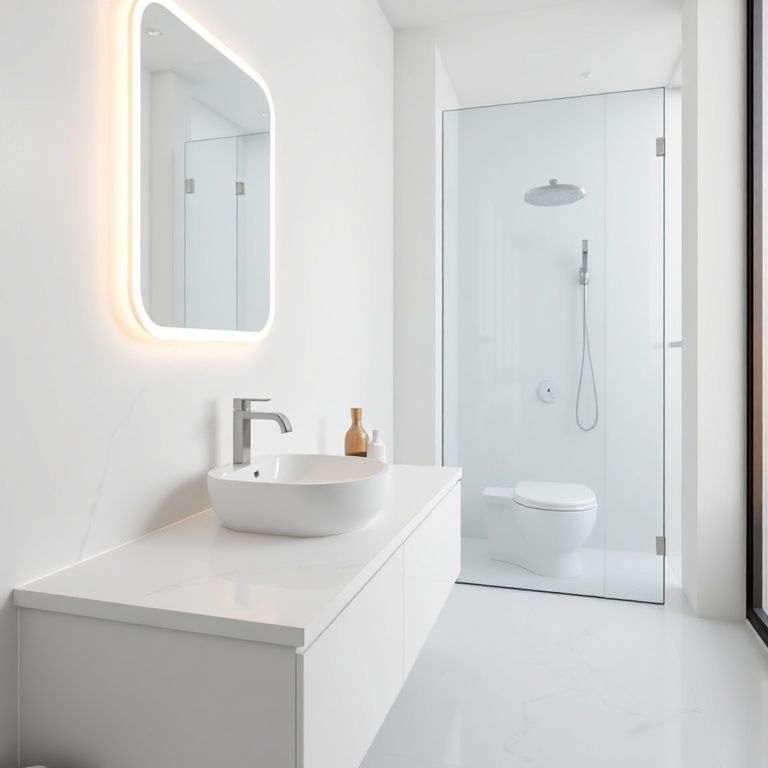
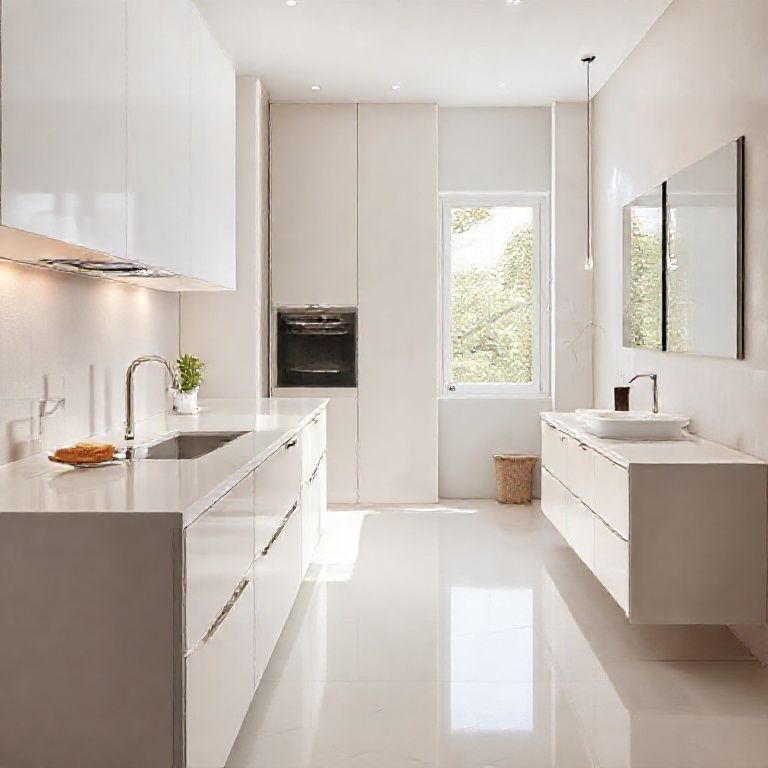
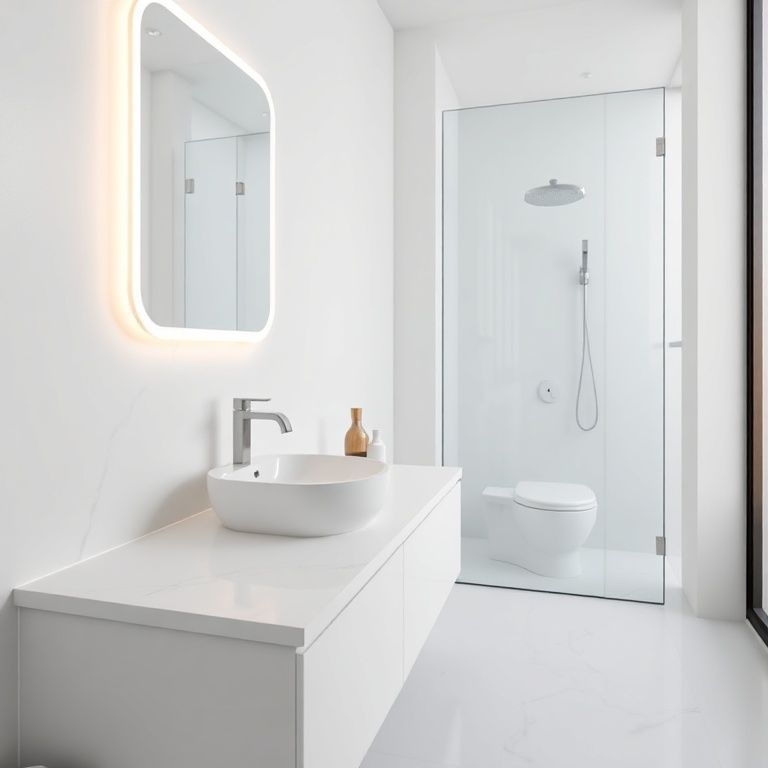
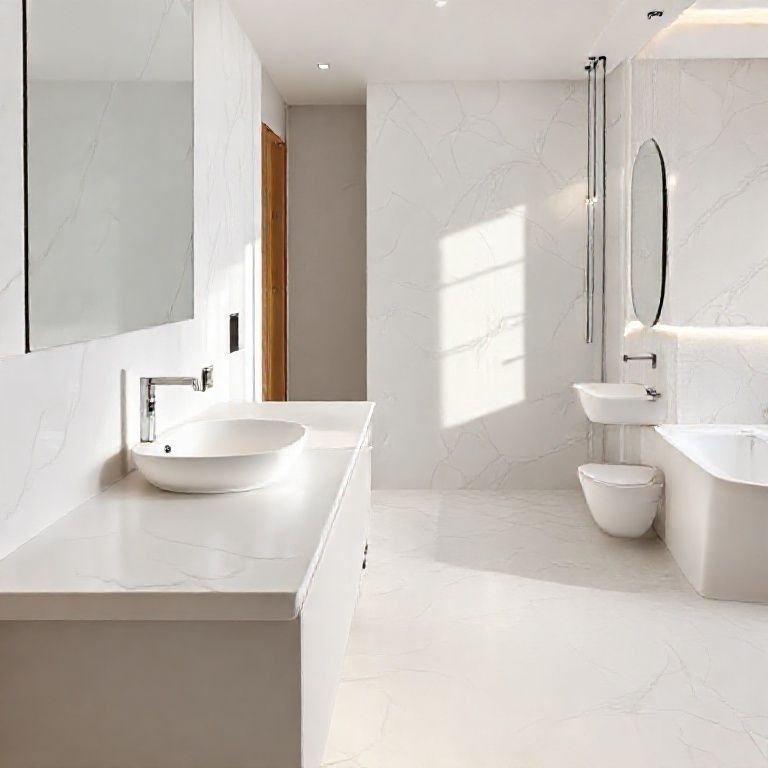
Quartz Stone: Quartz stone offers a wide range of colors and finishes, allowing for highly customizable designs. Its sleek, modern look is versatile enough to suit both contemporary and traditional decor styles. The ability to mimic natural stone patterns while offering superior durability makes it an attractive option for those looking to blend aesthetics with practicality.
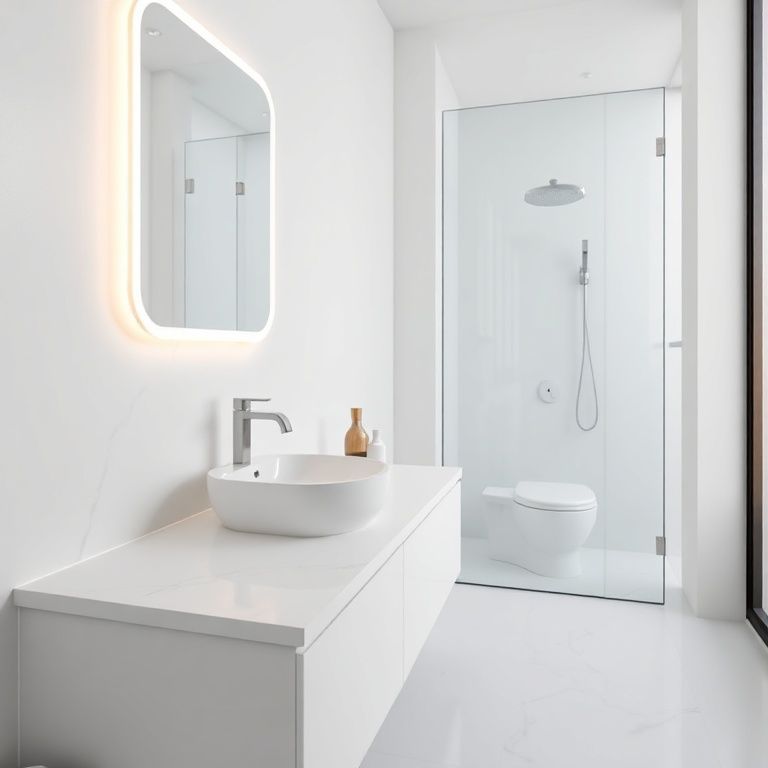
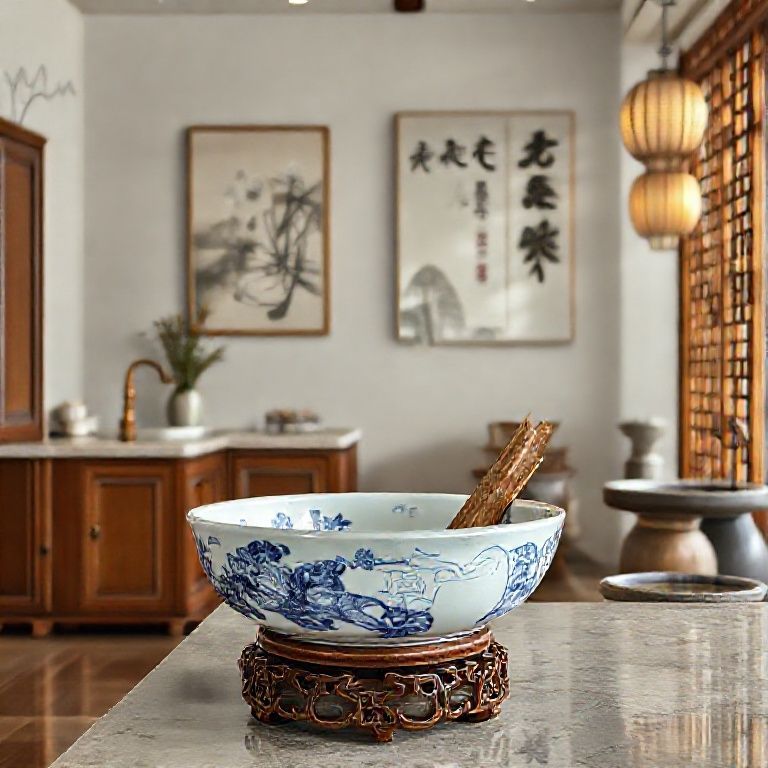
Marble: Marble’s natural beauty is undeniable, with its unique veining and texture providing a luxurious feel. It is often chosen for its elegance and timeless appeal. Whether used for countertops, flooring, or tabletops, marble adds a touch of sophistication and refinement to any space.
Conclusion: In the first part of our comparison, we’ve explored the characteristics, durability, maintenance requirements, initial costs, and aesthetic appeal of quartz stone versus marble. Quartz stone stands out for its superior hardness and low maintenance, while marble offers unmatched beauty and elegance. As we move on to Part 2, we will delve deeper into the long-term benefits, environmental impact, and expert recommendations to help you make the ultimate choice for your home.
The Durability Debate: Quartz Stone vs. Marble – Unveiling the Ultimate Choice for Your Home (Continued)
In our previous discussion, we explored the initial characteristics and maintenance requirements of quartz stone and marble. Now, let’s delve deeper into their long-term benefits, environmental impact, and expert recommendations to provide a comprehensive comparison that will guide you in making the ultimate choice for your home.
1. Long-Term Benefits
Quartz Stone: The long-term benefits of quartz stone are significant. Its hardness and non-porous nature mean it can withstand heavy use for decades without showing signs of wear. This durability translates to a lower likelihood of needing repairs or replacements, which can save homeowners both time and money in the long run. Additionally, quartz’s resistance to scratches and stains ensures that it retains its appearance over time, providing a consistent and clean look throughout its lifespan.
Marble: Marble’s long-term benefits primarily lie in its aesthetic appeal. Its natural beauty and veining can add a luxurious touch to any space, making it a popular choice for high-end homes and commercial spaces. However, the maintenance required to keep marble looking its best can be labor-intensive and costly over time. Regular sealing and careful handling are essential to maintain its pristine appearance, which may not be feasible for all homeowners.
2. Environmental Impact
Quartz Stone: Quartz stone is a more sustainable option compared to marble. Its composite nature means it often requires less natural resource extraction, as it is manufactured from a combination of natural quartz and resin. Additionally, its durability reduces the need for frequent replacement, which lowers waste. However, the production process can involve significant energy consumption and the use of resins, which can have environmental implications.
Marble: Marble extraction has notable environmental impacts. Quarrying marble can lead to habitat destruction and contribute to soil erosion. Additionally, the transportation of marble from its natural sources to manufacturing and installation sites adds to its carbon footprint. While marble itself is a natural product, its extraction and transportation processes can be less sustainable compared to the manufactured nature of quartz stone.
3. Expert Recommendations
Architects and Designers: Professionals often recommend quartz stone for its durability and low maintenance. Architects appreciate its versatility and ability to mimic natural stone aesthetics while offering superior durability. Designers favor quartz for its ease of installation and consistent quality, making it a popular choice for modern and contemporary designs.
Homeowners: Homeowners often choose marble for its classic beauty and elegance. However, many are increasingly opting for quartz stone due to its low maintenance requirements and long-lasting quality. The ability to offer marble’s aesthetic appeal without the intensive care it requires makes quartz an attractive alternative.
4. Installation and Versatility
Quartz Stone: Quartz stone’s composite nature makes it highly versatile. It can be used for countertops, backsplashes, flooring, and even tabletops. Its ability to be molded into various shapes and designs allows for creative and functional applications. Additionally, quartz stone is relatively easy to install, often requiring less labor compared to natural stone materials.
Marble: Marble’s natural beauty makes it ideal for applications where its aesthetic appeal can be fully showcased. It is commonly used for countertops, flooring, and decorative elements like tabletops and columns. However, its installation can be more complex and labor-intensive due to its weight and the need for careful handling. Marble is less versatile in terms of design flexibility compared to quartz stone.
5. Cost Considerations Over Time
Quartz Stone: The initial investment in quartz stone may be higher, but its durability and low maintenance translate to significant long-term savings. The reduced need for repairs and replacements means that the cost per use over time is lower compared to marble. This makes quartz an economical choice for homeowners looking for value in the long run.
Marble: While the initial cost of marble can be high, its aesthetic appeal often justifies the investment for those who prioritize luxury and elegance. However, the ongoing maintenance costs and potential need for frequent sealing can add up over time. For homeowners seeking a more cost-effective option in the long term, quartz stone may be the better choice.
Conclusion: In the second part of our comparison, we’ve explored the long-term benefits, environmental impact, expert recommendations, installation versatility, and cost considerations over time of quartz stone versus marble. Quartz stone offers unmatched durability, low maintenance, and sustainability, making it a superior choice for many homeowners. On the other hand, marble’s natural beauty and elegance make it a timeless classic for those who prioritize aesthetic appeal. By weighing these factors, you can make an informed decision that aligns with your preferences and needs.
6. 安装和施工
石英石: 石英石的制造工艺使其在施工中具有显著的优势。它可以被切割成各种形状和尺寸,非常适合现代和简约的设计风格。由于其密度较低,施工过程中需要更少的工具和技术,这不仅简化了安装过程,还能减少施工时间和成本。
大理石: 大理石的天然美感使其非常适合高端和传统设计。由于大理石的密度较高,它在切割和安装时需要更多的技术和设备。大理石的纹理和颜色可能因批次而异,这需要更精确的匹配和调整,增加了施工复杂性和成本。
7. 噪音和振动
石英石: 由于其硬度高,石英石在切割和打磨时产生的噪音和振动较低。这使得在建筑现场使用石英石时,施工噪音较小,有利于减少对周围环境的干扰。
大理石: 大理石在切割和打磨时会产生较大的噪音和振动。这不仅影响施工现场的噪音水平,还可能对建筑结构产生额外的机械应力,需要特别的防护措施。
8. 健康和安全
石英石: 石英石的主要成分是二氧化硅,在制造过程中,它被结合成坚固的玻璃化结构,这使得石英石在使用过程中不会释放有害物质。因此,使用石英石的家居环境对健康和安全有较少的顾虑。
大理石: 大理石在自然状态下含有微量的放射性物质,如钍和铀。在切割和加工过程中,这些物质可能会被释放到空气中。长期暴露在这些放射性物质中可能对健康产生负面影响,因此在使用大理石时需要采取适当的防护措施。
9. 文化和历史价值
石英石: 作为一种现代材料,石英石在文化和历史价值上没有传统天然石材。它的主要价值在于其现代性和耐用性,并在建筑和装修领域提供了许多创新的设计可能性。
大理石: 大理石有着悠久的历史和文化价值。它自古以来就被用于建筑和雕塑,是许多历史悠久的建筑和艺术品的主要材料。其美观和质感使其在文化和艺术领域具有独特的地位。
10. 总结和推荐
在总结这两种材料的各个方面之后,可以看出,石英石和大理石各有其独特的优势和局限。石英石以其卓越的耐用性、低维护需求和现代美感而受到广泛欢迎。它非常适合那些追求高效和低成本维护的人群,特别是在厨房和浴室等高频使用区域。
大理石则以其天然的美丽和文化价值而备受推崇。它适合那些渴望在家中或商业空间中展示高端和经典风格的人。由于其维护需求高和潜在的健康风险,大理石可能不适合所有人选择。
因此,选择石英石还是大理石应根据个人的需求、预算、生活方式以及对材料的特殊偏好来决定。无论选择哪种材料,都应在专业人士的指导下进行,以确保选择的材料能够满足您的期望并提供最佳的使用体验。