The Durability of Artificial Stone Countertops: A Comprehensive Guide
In the ever-evolving world of home design and renovation, the choice of countertops plays a pivotal role in the aesthetics and functionality of kitchens and bathrooms. Among the myriad of options available, artificial stone countertops have emerged as a popular choice for their blend of durability, style, and ease of maintenance. But how durable are these countertops? Let’s delve into the specifics and explore why artificial stone is gaining traction as a preferred material for modern-day households.

What is Artificial Stone?
Artificial stone, often referred to as synthetic stone or cultured stone, is a composite material made from a mixture of natural stone powder and resin. This combination results in a product that closely mimics the appearance of natural stone such as granite or marble, but with added benefits like enhanced durability and reduced maintenance.
Why Choose Artificial Stone?
Artificial stone countertops offer several advantages that make them a compelling choice for homeowners and designers alike:
Durability and Strength: One of the primary reasons for the popularity of artificial stone is its exceptional durability. Unlike natural stone, which can be prone to scratching, chipping, and staining, artificial stone is highly resistant to these issues. It also maintains its integrity under heavy usage, making it an excellent choice for high-traffic areas like kitchens.
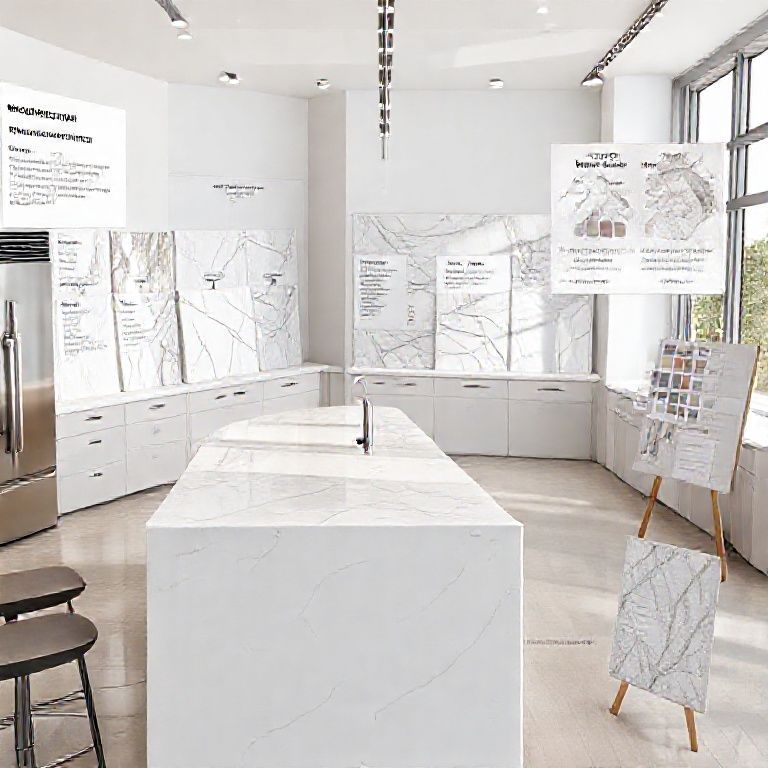
Water Resistance: Artificial stone is inherently water-resistant, unlike marble or limestone. This characteristic means that spills and splashes won’t easily penetrate the surface, reducing the risk of stains and water damage.
Ease of Maintenance: Maintaining artificial stone countertops is straightforward. Cleaning them typically involves a simple wipe-down with a damp cloth and a mild detergent. This ease of upkeep is particularly appealing for busy households.
Aesthetic Versatility: Artificial stone comes in a wide array of colors and patterns, allowing for a high degree of customization to match any design aesthetic. Whether you prefer a sleek modern look or a rustic feel, artificial stone can be tailored to fit your vision.
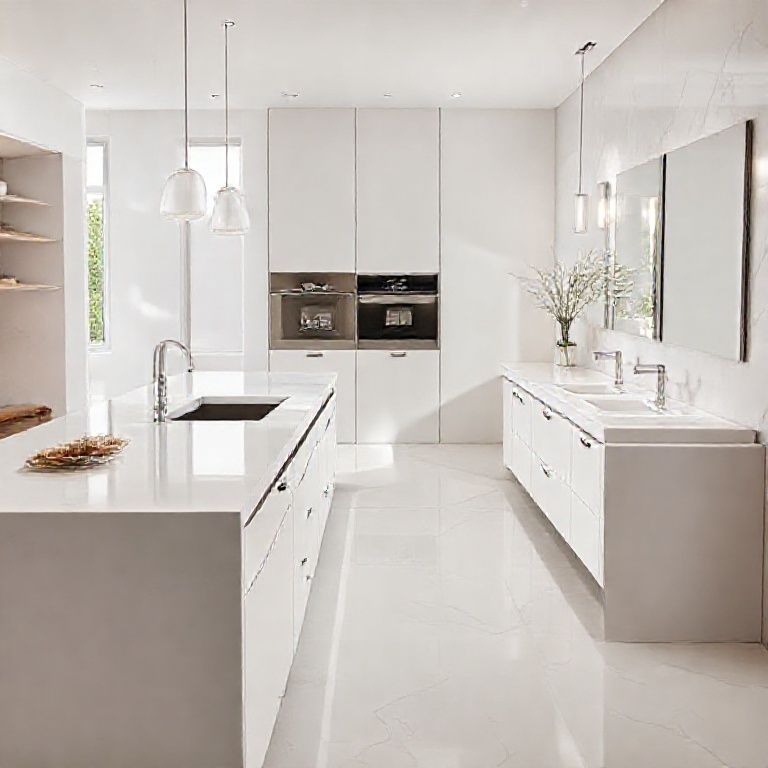
Cost-Effectiveness: While the initial investment in artificial stone countertops might be higher than some other materials, the long-term savings in maintenance and durability make it a cost-effective option in the long run.
Real-World Applications
Artificial stone countertops have found their place in various settings, from commercial kitchens to residential spaces. Here’s how they perform in different environments:
Residential Kitchens: In homes, artificial stone countertops are favored for their ability to withstand the rigors of daily cooking and meal preparation. They offer a surface that can handle the heat from ovens and stoves without warping or cracking.
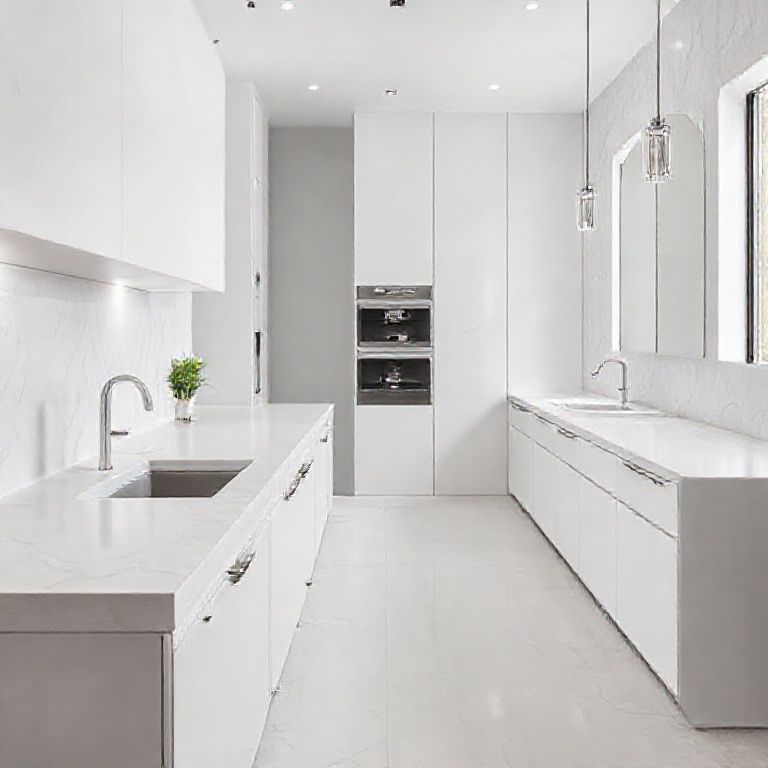
Commercial Kitchens: In commercial kitchens, where heavy usage and high turnover of food and spills are the norm, artificial stone’s durability is invaluable. It provides a surface that can endure constant exposure to grease, heat, and cleaning chemicals without degrading.
Bathrooms: Artificial stone is also popular in bathroom settings, where the combination of water and cleaning agents can be harsh on many materials. Its water resistance and ease of cleaning make it an ideal choice for countertops, sinks, and even shower walls.
Expert Opinions on Artificial Stone Durability
Experts in the field of home renovation and design often highlight the robustness of artificial stone. According to industry professionals, artificial stone countertops can last for decades if properly cared for. Their longevity is attributed to the material’s composition, which combines the best properties of natural stone with advanced manufacturing techniques.
Architects and interior designers frequently recommend artificial stone for its ability to provide a luxurious appearance without the upkeep associated with natural stone. They emphasize that while natural stone has its charm, the practicality and low maintenance of artificial stone make it a superior choice for many projects.
Maintenance Tips for Artificial Stone Countertops
To ensure that your artificial stone countertops remain in pristine condition for as long as possible, follow these maintenance tips:
Immediate Cleaning: Always clean up spills immediately to prevent stains from setting in. Use a soft cloth and a mild detergent solution for regular cleaning.
Avoid Abrasive Cleaners: Steer clear of abrasive cleaning tools and harsh chemicals that can scratch the surface. Opt for non-abrasive cleaners to maintain the integrity of the countertop.
Regular Inspections: Periodically check for any signs of wear or damage. Early detection of minor issues can prevent them from becoming major problems.
Sealing: Although artificial stone is naturally resistant to stains, sealing it periodically can provide an extra layer of protection. Consult with a professional to determine the best sealing products for your countertops.
Use Coasters and Trivets: To protect the surface from heat and moisture, use coasters under hot pots and trivets for hot dishes. This simple step can go a long way in maintaining the appearance of your countertops.
Conclusion
In conclusion, artificial stone countertops are an outstanding choice for those seeking durability, style, and ease of maintenance. Their resilience to the everyday wear and tear of kitchen and bathroom environments makes them a practical and cost-effective option. By understanding their benefits and following proper maintenance practices, you can enjoy the beauty and functionality of artificial stone for many years to come. Whether you’re renovating an existing space or designing a new one, artificial stone offers a versatile and enduring solution for your countertop needs.
The Durability of Artificial Stone Countertops: A Comprehensive Guide (Continued)
In this second part, we will explore more in-depth aspects of the durability of artificial stone countertops, including comparisons with other materials, environmental impact, and future trends in countertop technology.
Comparing Artificial Stone to Other Countertop Materials
When considering the durability of artificial stone countertops, it’s beneficial to compare them with other popular countertop materials such as granite, quartz, and concrete. This comparison can help you make an informed decision based on your specific needs and preferences.
Granite:
Pros: Granite is renowned for its beauty and durability. It offers a natural look that can complement various design styles. It’s also highly resistant to scratches and stains.
Cons: However, granite is more prone to chipping and cracking compared to artificial stone. It also requires regular sealing to maintain its appearance and resist staining.
Quartz:
Pros: Quartz is known for its scratch and stain resistance, making it a durable and low-maintenance option. It’s also available in a wide range of colors and patterns.
Cons: While quartz is durable, it can still be scratched by hard objects. Moreover, it may not offer the same level of thermal resistance as artificial stone.
Concrete:
Pros: Concrete countertops are incredibly durable and can be molded into various shapes and designs. They are also cost-effective.
Cons: On the downside, concrete requires sealing to protect against stains and can be porous, allowing for the absorption of liquids. It may also require more maintenance compared to artificial stone.
Artificial Stone vs. Other Materials
Artificial stone stands out when compared to these materials for several reasons:
Thermal Resistance: Artificial stone can withstand high temperatures without warping or cracking, which makes it ideal for both kitchen and bathroom applications where heat is a frequent factor.
Chemical Resistance: It resists most household cleaning chemicals, ensuring that the surface remains clean and undamaged even with regular use.
Low Maintenance: As mentioned earlier, artificial stone is easy to clean and maintain, requiring minimal effort to keep it looking new.
Environmental Impact
In today’s environmentally conscious world, the choice of materials for home renovation and design is increasingly influenced by their environmental impact. Artificial stone offers several advantages in this regard:
Sustainability: The production of artificial stone uses less energy compared to the extraction and processing of natural stone. It also reduces waste, as it is made from recycled stone and resin.
Reduced Carbon Footprint: The manufacturing process for artificial stone typically results in a lower carbon footprint compared to natural stone quarrying and transportation.
Recyclability: Artificial stone is recyclable, which means that when it reaches the end of its life, it can be repurposed or recycled rather than contributing to landfill waste.
Future Trends in Countertop Technology
The countertop industry is constantly evolving, with new technologies and materials emerging to meet the changing needs of consumers. Here are some trends that are shaping the future of countertop materials:
Smart Countertops: The integration of technology into home design is leading to the development of “smart” countertops. These may include features such as built-in charging ports, touch-sensitive controls, and even integrated sensors for monitoring air quality.
Biodegradable Materials: As awareness of environmental impact grows, there is a trend towards developing countertops made from biodegradable materials. These materials are designed to decompose naturally over time, reducing their environmental footprint.
3D Printed Countertops: Advances in 3D printing technology are enabling the creation of highly customized and intricate countertop designs. This technology allows for the production of unique shapes and patterns that were previously difficult or impossible to achieve.
Nano-Technology: The use of nanotechnology在未来,随着科技的进步和人们对环保和可持续发展的关注,纳米技术将在厨房和浴室柜台材料中发挥越来越重要的作用。这些材料可以通过纳米级别的处理和涂层来增强耐用性、抗菌性和抗污性能。
纳米技术在柜台材料中的应用
抗菌涂层:通过在表面涂覆一层纳米抗菌材料,可以有效防止细菌和病毒的生长,保持柜台的清洁和卫生。
耐污涂层:纳米技术可以生产出一种特殊的涂层,使柜台表面更加防污,即便是油污和污渍也更难附着在表面,清洁起来更加方便。
耐刮擦:通过纳米技术,可以增加材料的硬度,使其更加耐刮擦,不易在日常使用中受到损害。
自洁功能:一些纳米涂层具有光催化作用,在阳光照射下能分解有机污渍,从而实现自洁效果。
综合优势
长寿命:由于其高耐用性和抗污性能,这些材料通常具有更长的使用寿命。
低维护:耐污和抗菌特性意味着用户不需要频繁清洁和维护,这大大降低了日常维护的成本和时间。
环保性:纳米材料通常在制造过程中能够减少有害化学品的使用,从而减少对环境的影响。
多样性:由于纳米技术的灵活性,柜台材料可以根据不同的设计需求进行定制,提供多种外观和功能选择。
未来展望
随着科学技术的进一步发展,纳米技术将在更多的领域得到应用,厨房和浴室柜台材料也将因此进入一个全新的高效、环保、智能化的时代。未来,我们可能会看到更多智能化、自洁化、多功能化的柜台材料,这不仅能提升家庭生活的质量,还能为环境保护贡献力量。