Understanding Artificial Stone Countertops: Composition and Common Issues
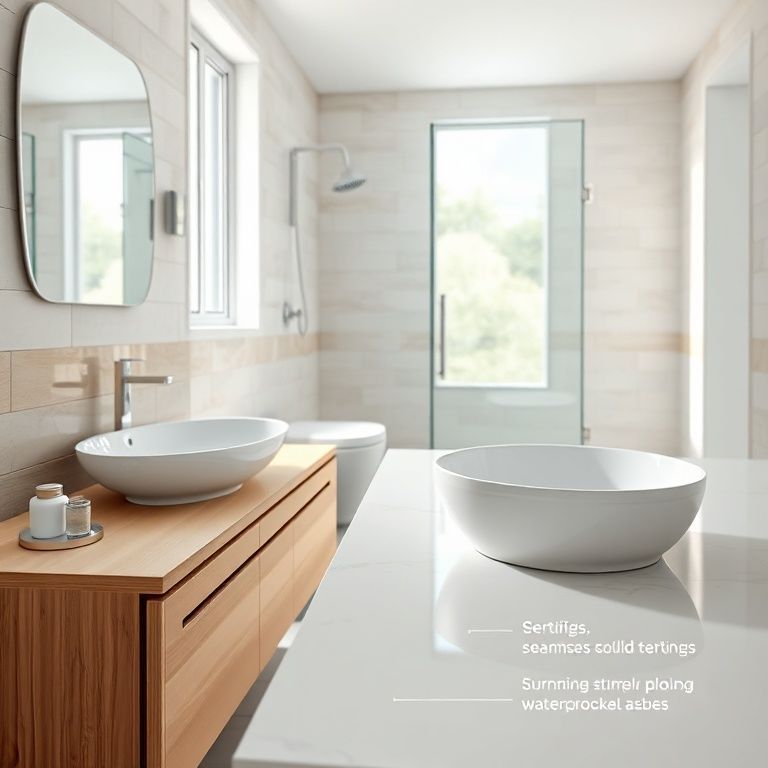
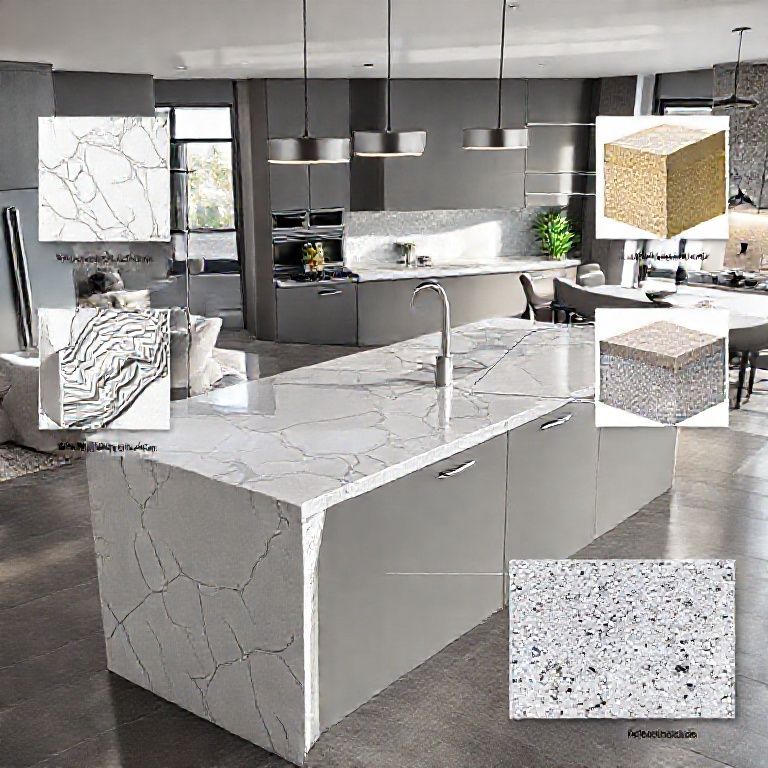
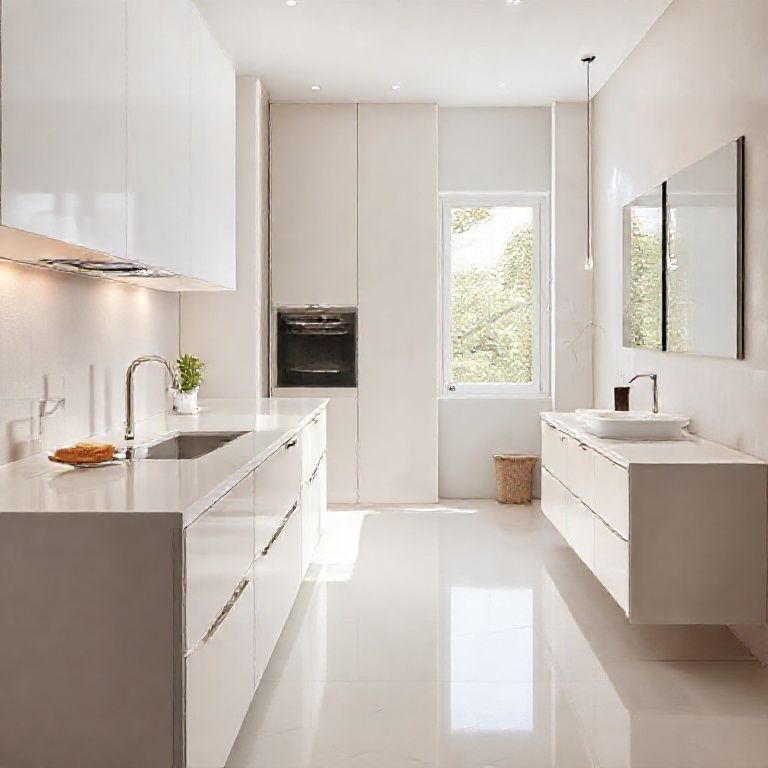
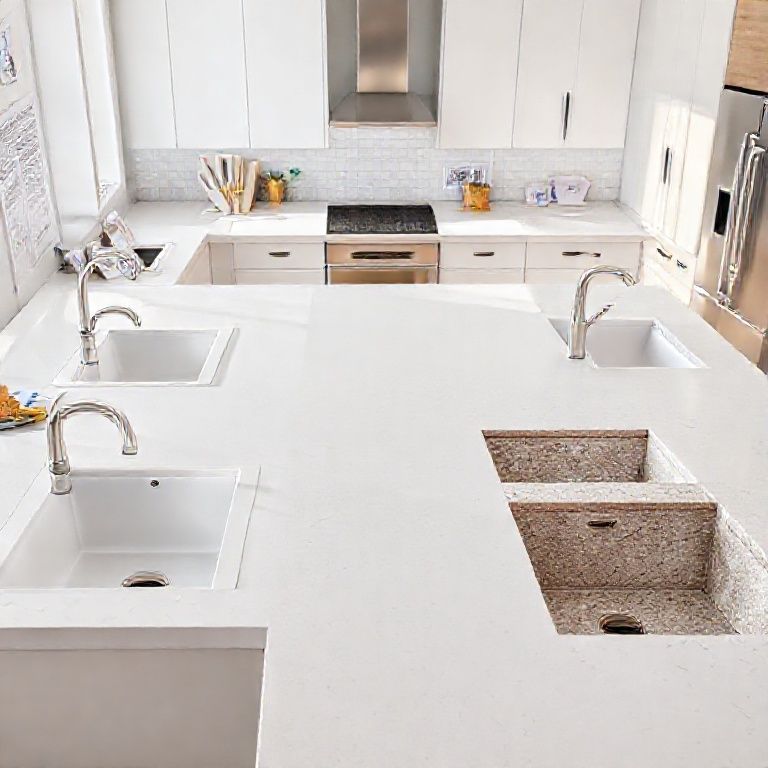
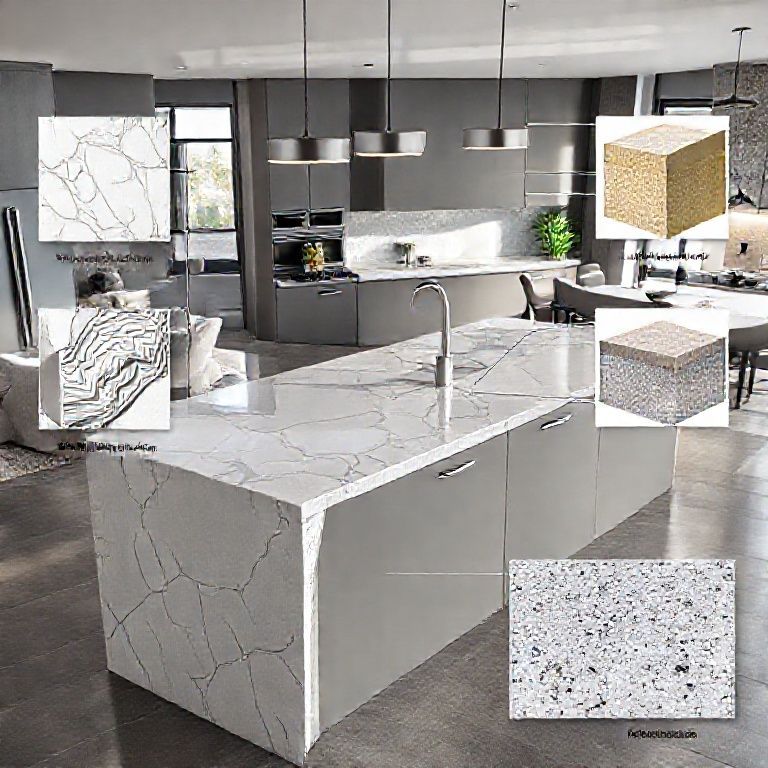
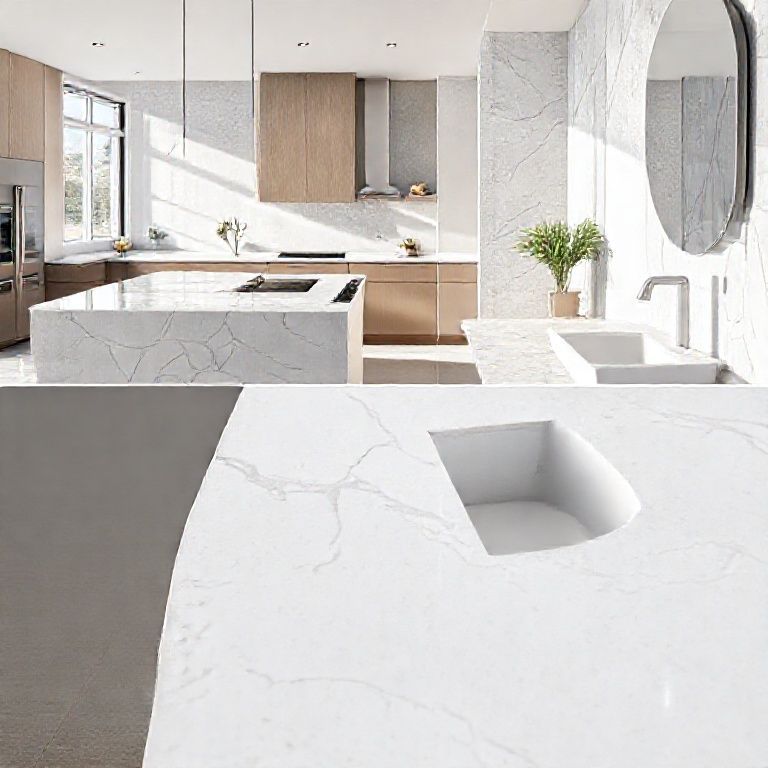
Artificial stone countertops have revolutionized the kitchen and bathroom design landscape with their striking appearance, durability, and ease of maintenance. Unlike natural stone, these countertops are made from a blend of minerals and resins, which are processed to mimic the look of natural stone such as marble, granite, and quartz. This composite material offers an array of benefits, including resistance to stains, chips, and scratches, making it an attractive choice for homeowners and designers alike.
Composition and Benefits
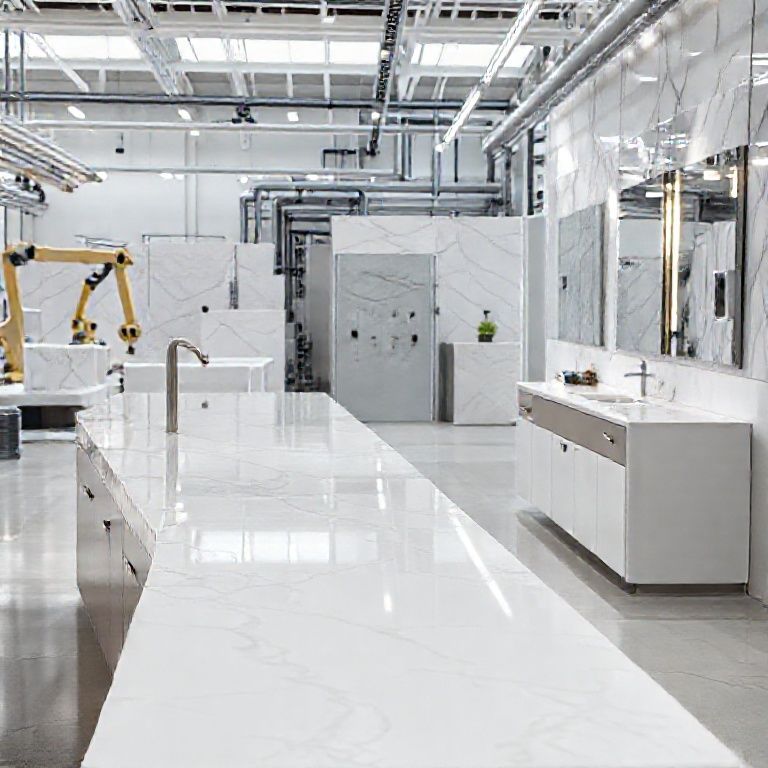
Artificial stone is crafted by combining various minerals, such as quartz, calcite, and feldspar, with a polymer resin. This mixture is then compressed and cured to form a solid, monolithic material that can replicate the texture and color of natural stone. The benefits of artificial stone include:
Aesthetic Versatility: Available in a wide range of colors and patterns, artificial stone can be customized to fit any design vision. Low Maintenance: Unlike natural stone, artificial stone does not require sealing or regular maintenance to prevent staining. Durability: It offers superior resistance to heat, stains, and scratches. Cost-Effectiveness: Generally more affordable than natural stone, making it accessible to a broader range of consumers.
Common Issues and Concerns
While artificial stone countertops are renowned for their durability, concerns about cracking and breaking are not uncommon. These issues often arise from several factors:
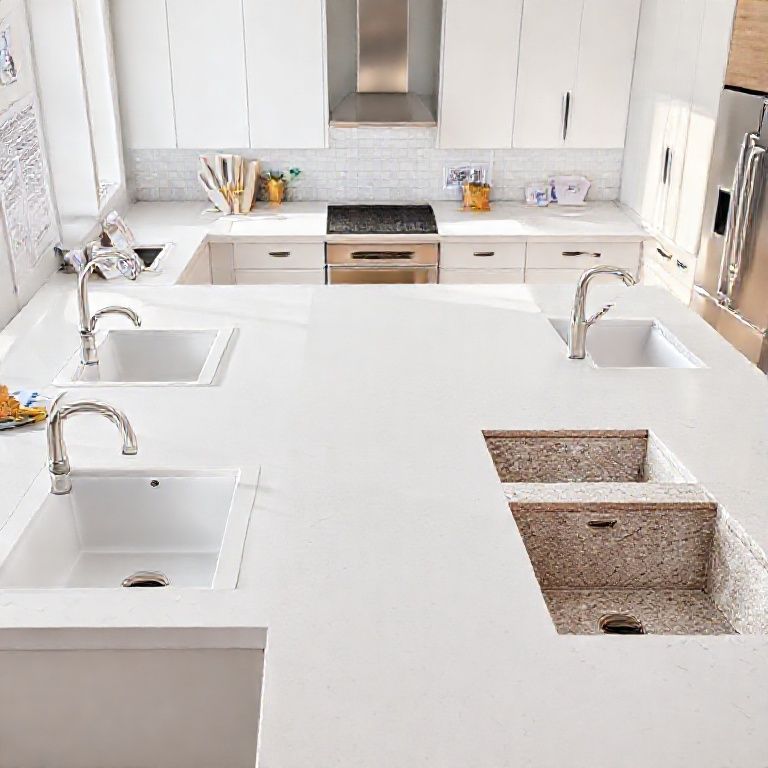
Installation Errors: Improper installation can lead to stress points that may cause the countertop to crack. Ensuring correct alignment, support, and adhesive usage is crucial. Material Flaws: Defects in the manufacturing process can result in weak spots that may lead to breakage under stress. Environmental Factors: Extreme temperature changes and physical impacts from heavy objects can contribute to damage. Chemical Exposure: Certain cleaning agents and household chemicals can degrade the surface of the stone, potentially leading to cracking.
Understanding these factors is essential for both consumers and installers to mitigate risks and maintain the integrity of the countertop.
Addressing the Issue of Cracking
To address concerns about cracking, it’s important to consider the following preventive measures:
Quality of Material: Choose high-quality artificial stone from reputable manufacturers. Check for certifications and reviews to ensure the material’s durability. Professional Installation: Engage certified professionals for installation to avoid common pitfalls like improper support and alignment. Regular Maintenance: Clean the countertop with appropriate, pH-neutral cleaners to maintain its surface integrity. Avoid using abrasive sponges or harsh chemicals.
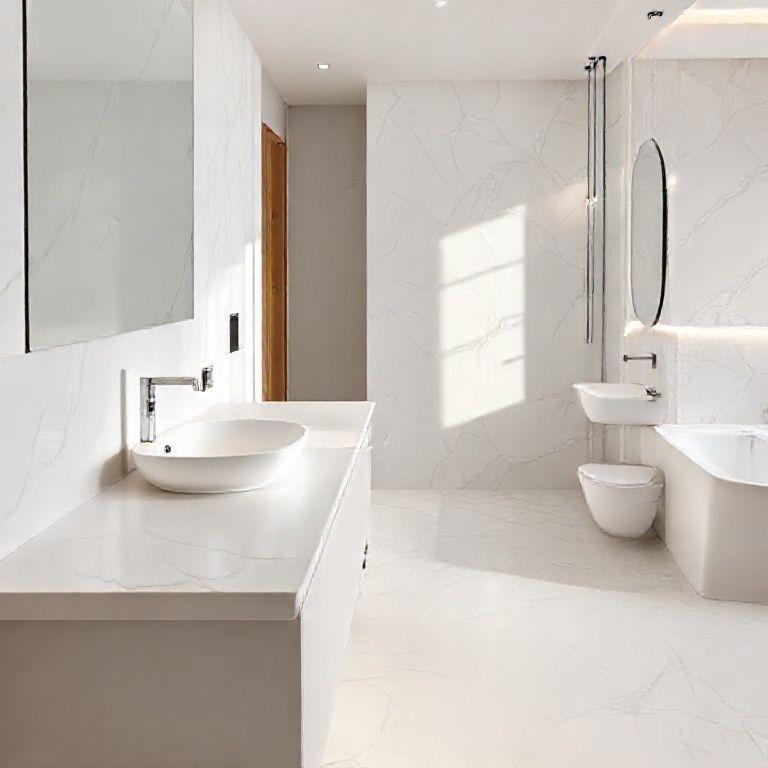
By taking these steps, the likelihood of cracking can be significantly reduced, ensuring that your artificial stone countertop remains a long-lasting addition to your home.
Long-Term Durability and Repair Options for Artificial Stone Countertops
Having covered the basics of artificial stone countertops and common concerns, it’s now time to delve deeper into their long-term durability and the options available for repairing any damage that does occur. Understanding these aspects will empower you to make informed decisions and keep your artificial stone countertops in pristine condition.
Longevity and Wear
Artificial stone is designed to be a long-lasting material, but like all materials, it is subject to wear and tear over time. The longevity of artificial stone countertops depends on several factors, including the quality of the material, installation, and maintenance practices.

Quality Materials: High-quality artificial stone, free from manufacturing defects, will offer superior longevity. Look for products with a higher percentage of mineral content and advanced curing processes. Installation: Proper installation is crucial. Misalignment, improper support, and inadequate adhesives can lead to stress points that may cause the countertop to crack or break. Maintenance: Regular cleaning and the use of appropriate cleaning agents are essential to prevent chemical degradation and maintain the surface integrity.
Signs of Wear and Potential Damage
Over time, artificial stone countertops may show signs of wear in various forms:
Surface Chips: Minor chips and scratches can occur from everyday use, especially if heavy objects are placed directly on the surface. Cracks: As previously mentioned, cracks can result from installation errors, material flaws, or environmental factors. Discoloration: While artificial stone is generally resistant to staining, certain chemicals or improper cleaning agents can cause discoloration over time.
Repair Options
When damage does occur, it’s important to address it promptly to prevent further deterioration. Here are some repair options for artificial stone countertops:
Minor Chips and Scratches: Polishing Kits: For minor chips and scratches, polishing kits specifically designed for artificial stone can restore the surface. Sealants: Applying a high-quality sealant can enhance the surface’s appearance and provide additional protection against future damage. Cracks: Epoxy Resin: For larger cracks, an epoxy resin specifically formulated for artificial stone can be used to fill in and repair the damage. Professional Repair Services: In some cases, especially with extensive cracks, it may be best to consult a professional repair service. They can provide specialized techniques to ensure the repair is seamless and durable. Discoloration: Restoration Kits: Kits designed to restore the natural color and luster of artificial stone can be used to address discoloration caused by chemical exposure. Professional Cleaning: For stubborn stains, professional cleaning services can offer deep cleaning and restoration techniques.
Preventive Measures for Long-Term Durability
To ensure the longevity and durability of your artificial stone countertops, consider these preventive measures:
Protective Accessories: Use cutting mats and coasters to protect the surface from heavy objects and spills. Regular Maintenance: Clean the countertop regularly with pH-neutral cleaners to maintain its appearance and integrity. Avoiding Extreme Conditions: Limit exposure to extreme temperatures and avoid placing hot objects directly on the surface.
Conclusion
Artificial stone countertops are a remarkable choice for modern kitchens and bathrooms, offering a blend of beauty, durability, and ease of maintenance. While concerns about cracking and breaking exist, understanding the factors that contribute to these issues can help mitigate risks. By choosing high-quality materials, ensuring proper installation, and maintaining regular upkeep, you can enjoy the full benefits of artificial stone for many years to come. Should damage occur, various repair options are available to restore the countertop to its original condition. With the right care and maintenance, your artificial stone countertop can remain a stunning focal point in your home for years to enjoy.
By understanding the composition, benefits, and potential issues associated with artificial stone countertops, you are well-equipped to make informed decisions and keep your countertops in excellent condition. Whether you are considering a new installation or need to address existing damage, this guide provides the insights needed to maintain the beauty and durability of your artificial stone surfaces.