The Durability of Artificial Stone Countertops: An In-Depth Exploration
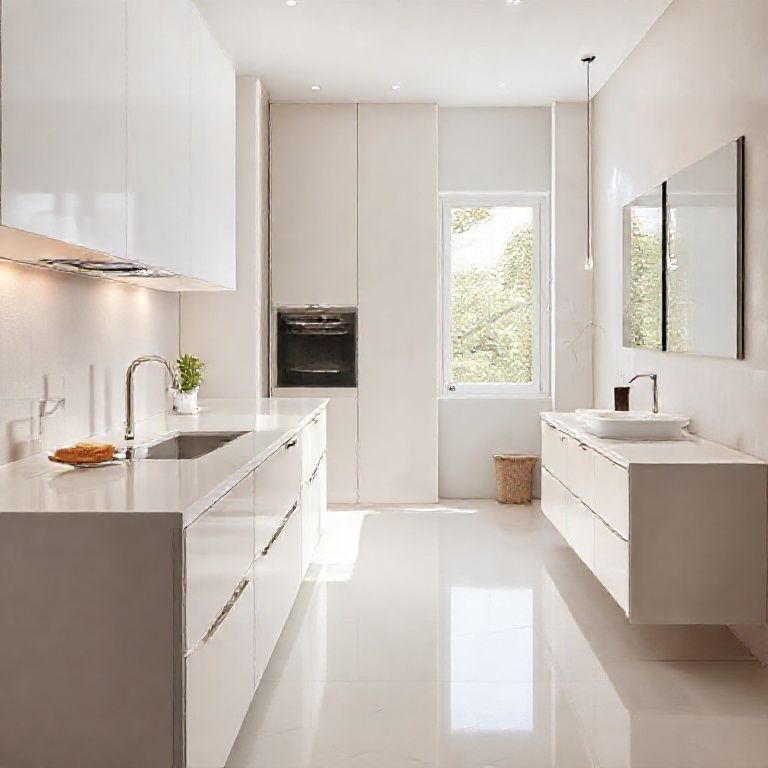
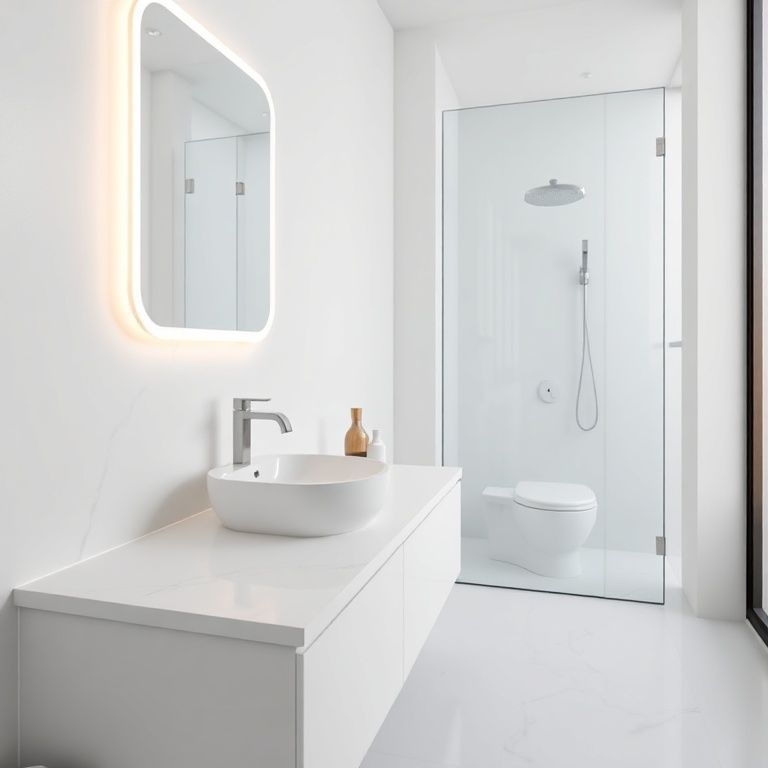
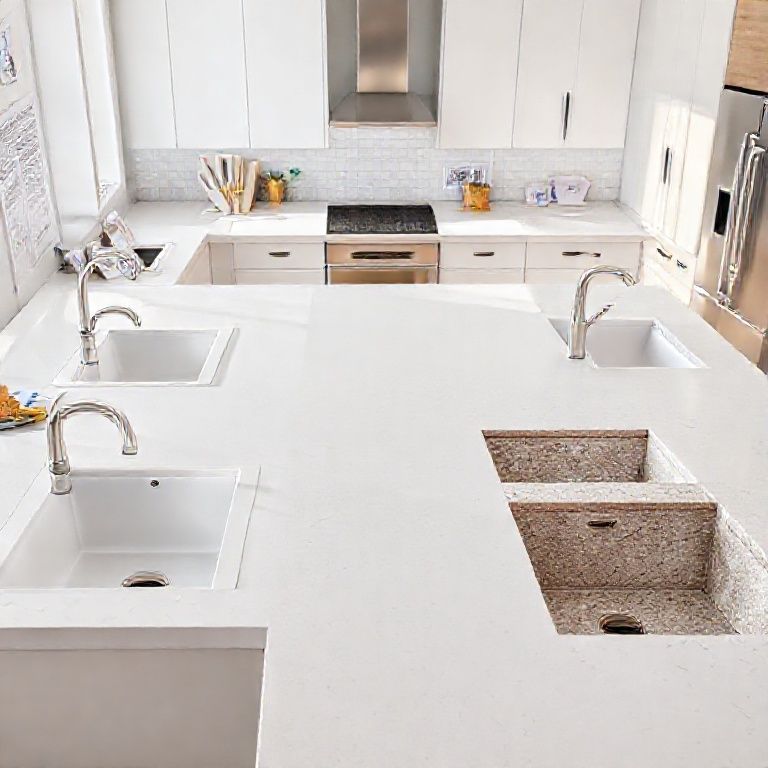
Artificial stone countertops have become increasingly popular in modern kitchens and bathrooms due to their aesthetic appeal and functional benefits. This two-part article aims to address the primary concern often discussed on platforms like Zhihu: the durability of artificial stone countertops. Let’s embark on this exploration by understanding the material itself, its manufacturing process, and the advantages it brings to everyday use.
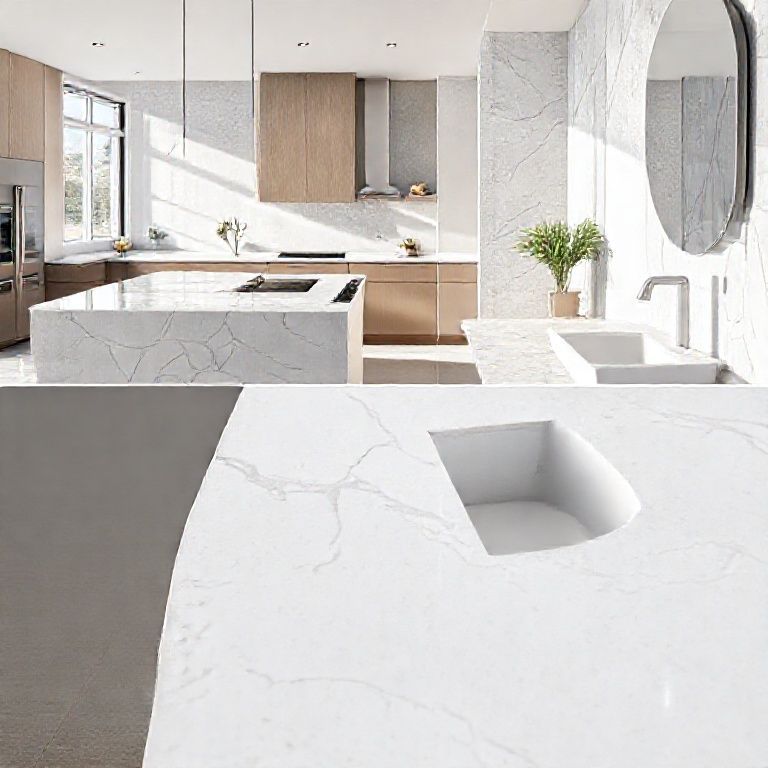
What is Artificial Stone?
Artificial stone, also known as synthetic stone or stone composite, is a high-quality material made from a blend of natural stone powders, such as limestone or marble, combined with resins and other additives. This unique combination forms a solid, durable surface that mimics the look of natural stone but without the drawbacks associated with it, such as cost, weight, and maintenance issues.
Manufacturing Process
The production of artificial stone involves several steps to ensure a high-quality product:
Mixing: Natural stone powders are thoroughly mixed with resins and other binding agents. This mixture is crucial for creating the stone’s unique texture and appearance.
Molding: The mixture is then poured into molds that give it the desired shape and size.
Curing: After molding, the artificial stone is cured under specific temperature and pressure conditions to ensure it hardens properly and achieves the required strength.
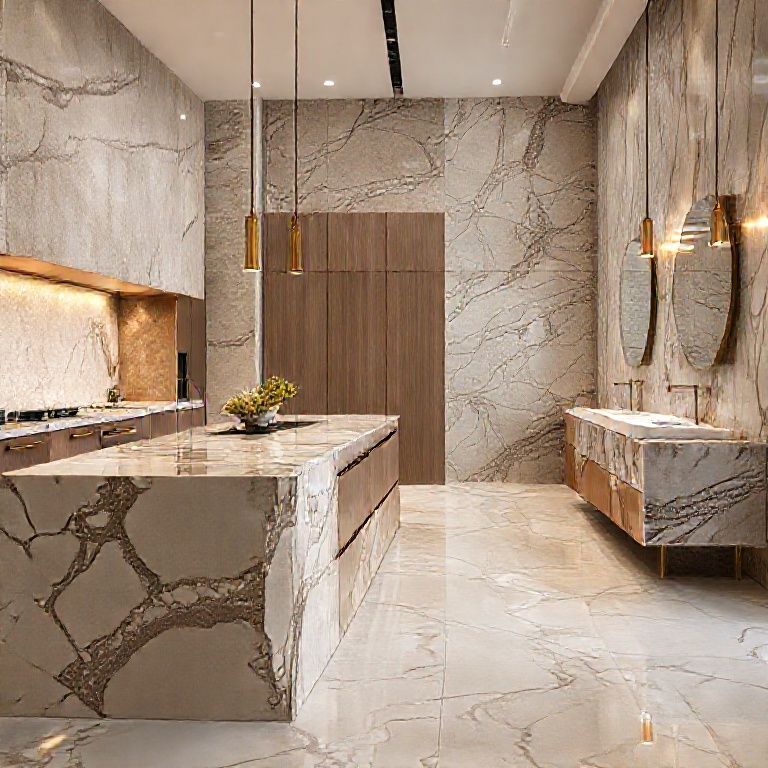
Finishing: Finally, the artificial stone is polished to achieve a smooth, aesthetically pleasing surface that is ready for installation.
Advantages of Artificial Stone Countertops
1. Durability
One of the primary reasons for the popularity of artificial stone countertops is their durability. Unlike natural stone, which can be prone to scratches, chips, and stains, artificial stone is designed to withstand everyday wear and tear. The high-pressure curing process ensures that the material is robust and resistant to impact, making it an excellent choice for high-traffic areas.
2. Water Resistance
Artificial stone is highly water-resistant, which is a significant advantage in kitchen and bathroom environments. Unlike granite or marble, artificial stone does not absorb water, which means it won’t stain or develop water rings over time. This makes cleaning easier and prolongs the lifespan of the countertop.
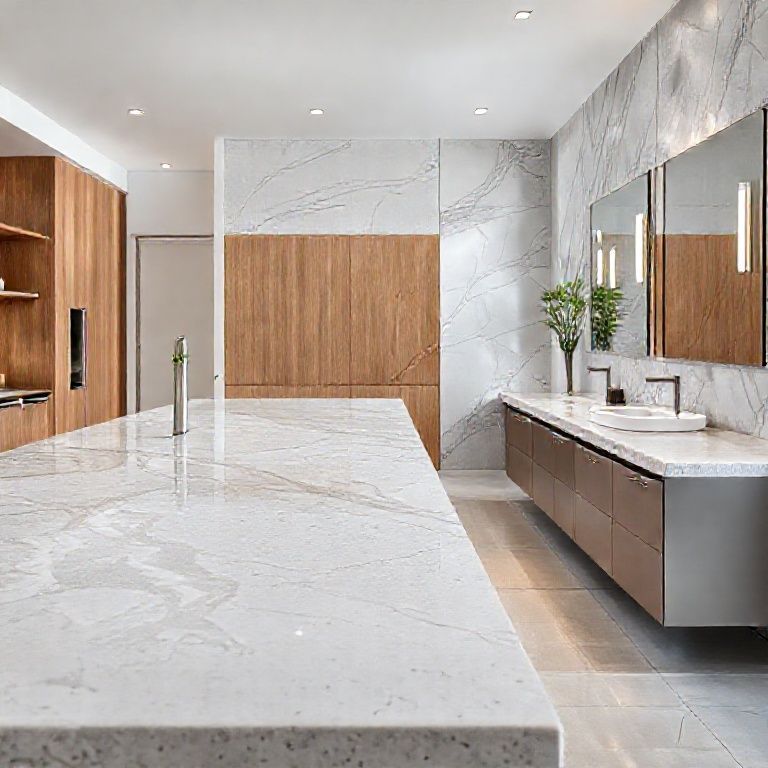
3. Low Maintenance
Artificial stone countertops require minimal maintenance. They can be cleaned with a simple sponge and mild soap or dedicated stone cleaning solutions. Unlike natural stone, which may need sealing periodically to maintain its protective properties, artificial stone does not require such upkeep, saving both time and money.
4. Aesthetic Versatility
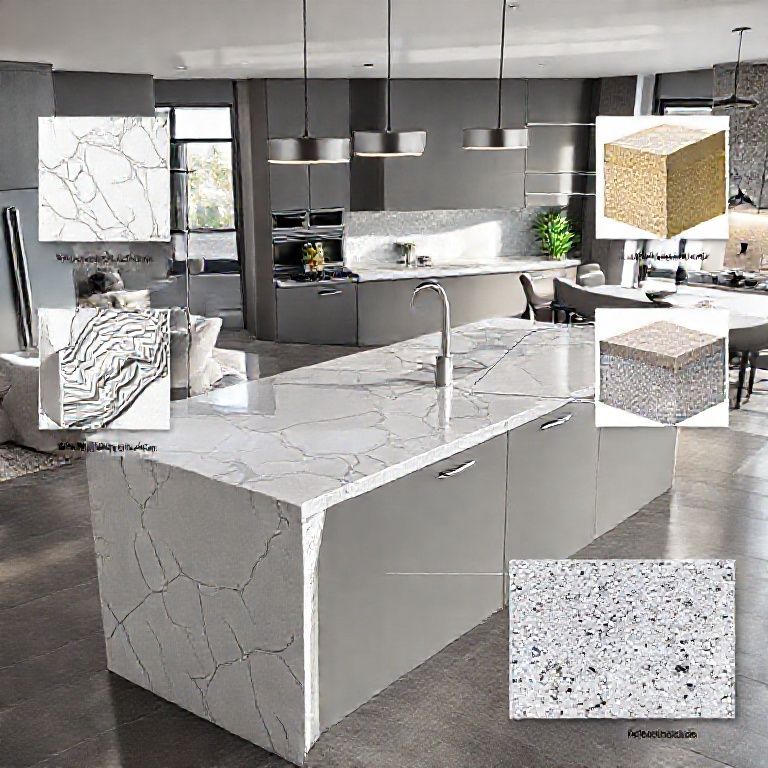
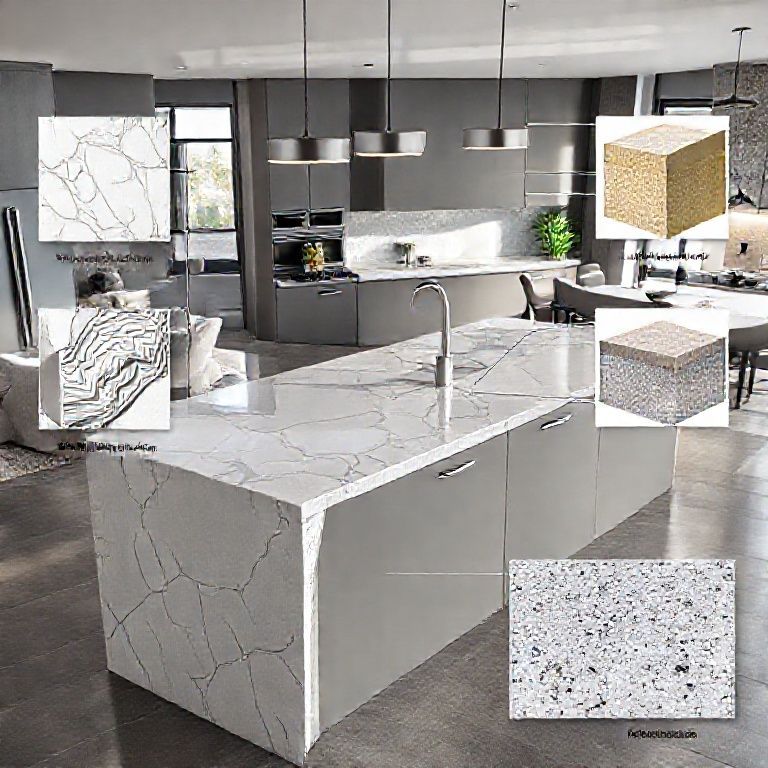
One of the most attractive features of artificial stone is its versatility in terms of design. It can be engineered to mimic the appearance of various natural stones, including marble, granite, and quartz, while also offering unique patterns and colors that are not possible with natural materials. This allows for a wide range of creative design possibilities.
5. Cost-Effectiveness
While the initial cost of artificial stone countertops may be higher than some alternatives, the long-term benefits often make it a more economical choice. The reduced need for maintenance and the durability of the material mean fewer replacements and repairs over time, leading to significant savings.
Real-Life Experiences and Testimonials
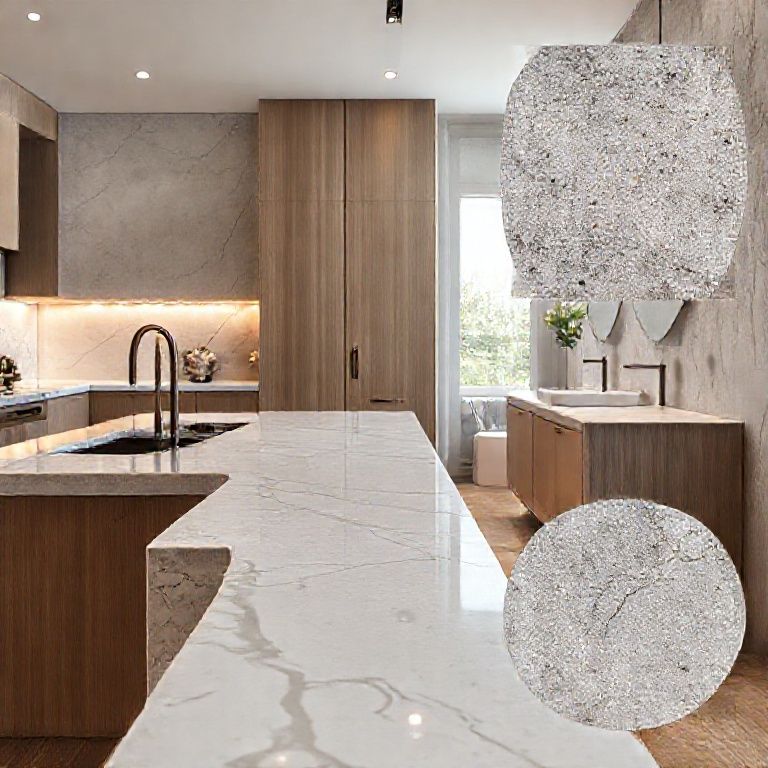
Many homeowners and businesses have reported positive experiences with artificial stone countertops. One common testimonial highlights the ease of maintenance and the durability of the material. For instance, a homeowner in a high-traffic kitchen reported that their artificial stone countertop has remained pristine after years of daily use, with no signs of wear or staining.
Another example comes from a commercial kitchen that opted for artificial stone for its counters. The kitchen staff praised the material for its ease of cleaning and resistance to the constant spills and splashes they encounter daily. This has led to a reduction in cleaning time and an overall improvement in hygiene.
Conclusion
In summary, artificial stone countertops offer a durable, low-maintenance, and aesthetically versatile alternative to traditional natural stone options. Their manufacturing process ensures a robust product that can withstand the rigors of everyday use, making them an excellent choice for modern kitchens and bathrooms. In the next part, we will explore more detailed comparisons between artificial stone and other countertop materials, delve into specific maintenance tips, and address common misconceptions to provide a comprehensive guide for anyone considering this trendsetting material.
The Durability of Artificial Stone Countertops: An In-Depth Exploration
Continuing our in-depth exploration of artificial stone countertops, this second part delves into a detailed comparison with other countertop materials, offers specific maintenance tips, and addresses common misconceptions to provide a comprehensive guide for anyone considering this trendsetting material.
Comparison with Other Countertop Materials
1. Artificial Stone vs. Natural Stone
Durability: Natural stone, such as granite and marble, is renowned for its beauty and elegance but often comes with significant drawbacks in terms of durability. These stones can be prone to scratches, chips, and stains, which can diminish their appearance over time. Artificial stone, on the other hand, is designed to be more durable, offering resistance to impact and minimal wear.
Maintenance: Natural stone countertops require regular sealing to maintain their protective properties and prevent staining. Artificial stone, however, does not require such upkeep. This significantly reduces the maintenance burden, making artificial stone a more convenient choice for everyday use.
Cost: While natural stone can offer a timeless appeal, its cost can be prohibitive. Artificial stone provides a cost-effective alternative that closely mimics the look of natural stone without the high price tag.
2. Artificial Stone vs. Quartz
Durability: Quartz countertops are known for their strength and durability. However, they are not as flexible as artificial stone, which can handle a wider range of shapes and designs. Quartz can also be prone to cracking if subjected to extreme impact.
Maintenance: Quartz surfaces are easy to clean and do not require sealing like natural stone. However, artificial stone offers an additional layer of ease with its water-resistant properties, which further reduce maintenance requirements.
Aesthetic Versatility: Both quartz and artificial stone offer a wide range of colors and patterns. However, artificial stone provides more flexibility in design, allowing for unique patterns that may not be possible with quartz.
3. Artificial Stone vs. Laminate
Durability: Laminate countertops are more susceptible to scratches and dents compared to artificial stone. They also do not offer the same level of durability against impact and water.
Maintenance: Laminate requires careful handling to avoid scratches and dents. Artificial stone, with its robust nature, is much easier to maintain and does not require as much precaution to avoid damage.
Aesthetic Versatility: Both materials offer a range of colors and patterns, but artificial stone provides a more natural look that can closely mimic the appearance of various natural stones.
Specific Maintenance Tips
Maintaining artificial stone countertops is straightforward and involves some basic steps to ensure they remain in pristine condition:
Regular Cleaning: Use a mild soap or dedicated stone cleaner and a soft cloth to wipe down the surface regularly. Avoid using abrasive cleaners or sponges that can scratch the surface.
Immediate Stain Treatment: For any spills or stains, it’s important to address them immediately. Use a soft cloth with soapy water to gently wipe away the spill before it has a chance to set in.
Avoiding Sharp Objects: To prevent scratches and damage, avoid using sharp objects on the surface. Utensils and other items should be placed on trivets or pads when not in use.
Periodic Inspection: Regularly inspect the countertop for any signs of damage or wear. While artificial stone is durable, regular checks can help identify any potential issues early on.
Addressing Common Misconceptions
Misconception 1: Artificial Stone is Not as Durable as Natural Stone
While natural stone has a long-standing reputation for durability, artificial stone has been engineered to match and often exceed the durability of many natural stones. The high-pressure curing process ensures that artificial stone is robust and resistant to impact.
Misconception 2: Artificial Stone Looks Fake
One of the most common misconceptions is that artificial stone looks artificial. However, with advanced manufacturing techniques, artificial stone can closely mimic the appearance of natural stone, offering a realistic look that is often indistinguishable from the real thing.
Misconception 3: Artificial Stone is Expensive
While the initial cost of artificial stone countertops might be higher than some alternatives, the long-term benefits often make it a more economical choice. The reduced need for maintenance and the durability of the material mean fewer replacements and repairs over time, leading to significant savings.
Real-Life Experiences and Long-Term Benefits
Many users have reported long-term satisfaction with artificial stone countertops. For instance, a commercial kitchen that switched to artificial stone reported a significant reduction in cleaning time and an overall improvement in hygiene, which translated to better staff satisfaction and customer experience.
Another example comes from homeowners who have enjoyed their artificial stone对于那些正在考虑人造石台面的人来说,了解其长期益处和实际使用中的经验可以帮助做出更明智的选择。
长期维护与经济效益
1. 长期成本效益
虽然人造石台面的初始成本可能高于某些替代材料,但其长期维护成本和耐用性通常会带来经济效益。考虑到它不需要定期的维护和保养,这意味着减少了清洁和保养产品的费用。由于其耐用性,人造石台面的更换频率也相对较低,这进一步减少了长期的维护和更换成本。
2. 环保与可持续性
人造石在制作过程中使用了再生的天然石材粉,这不仅减少了对新天然资源的开采,还提高了材料的可持续性。人造石在生产过程中的排放较少,对环境的影响也较低。
实际案例和用户反馈
1. 家庭使用案例
一位家庭主妇分享了她在厨房中使用人造石台面的经验。她指出,由于她家有小孩,台面不易积累污渍和凹痕,只需用湿布擦拭即可。她表示,这种便捷的维护大大减轻了她的家务负担。
2. 商业应用案例
一家餐厅选择了人造石作为其主要台面材料,并在业主和员工中收到了积极反馈。业主表示,人造石台面的耐污性和易清洁特性使得清洁变得更加高效,这对于保持餐厅的卫生和营业环境至关重要。员工们也提到,人造石台面不容易刮花,这使得他们在使用厨具时更加放心。
选择人造石台面的最佳实践
1. 品牌和质量
选择知名品牌的人造石台面,确保其质量和耐用性。知名品牌通常在材料和制造工艺上有更高的标准,能够提供更好的保障。
2. 定制和设计
人造石台面提供了极大的定制和设计灵活性。无论你喜欢现代、传统还是其他风格,人造石都能满足你的设计需求。还可以选择不同的颜色和纹理,以创造独特的视觉效果。
3. 专业安装
确保由专业人员进行安装,这能够确保台面的正确固定和长久的使用寿命。专业安装还能避免潜在的安装问题,如漏水和台面不平等等。
结论
人造石台面因其耐用性、低维护、美观性和环保性等优势,正在越来越多的家庭和商业场所中受到欢迎。通过理解其长期益处和实际使用中的优势,你可以更好地评估这种选择是否适合你的需求。无论是在家庭还是商业环境中,人造石台面都提供了一种既美观又实用的解决方案。
如果你还有其他问题或需要进一步的信息,请随时提问!