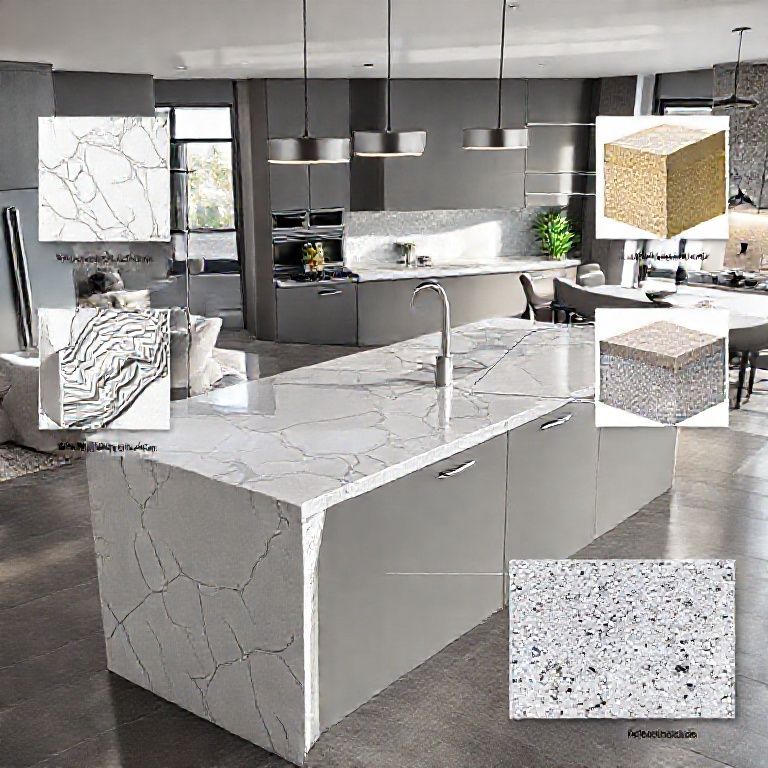
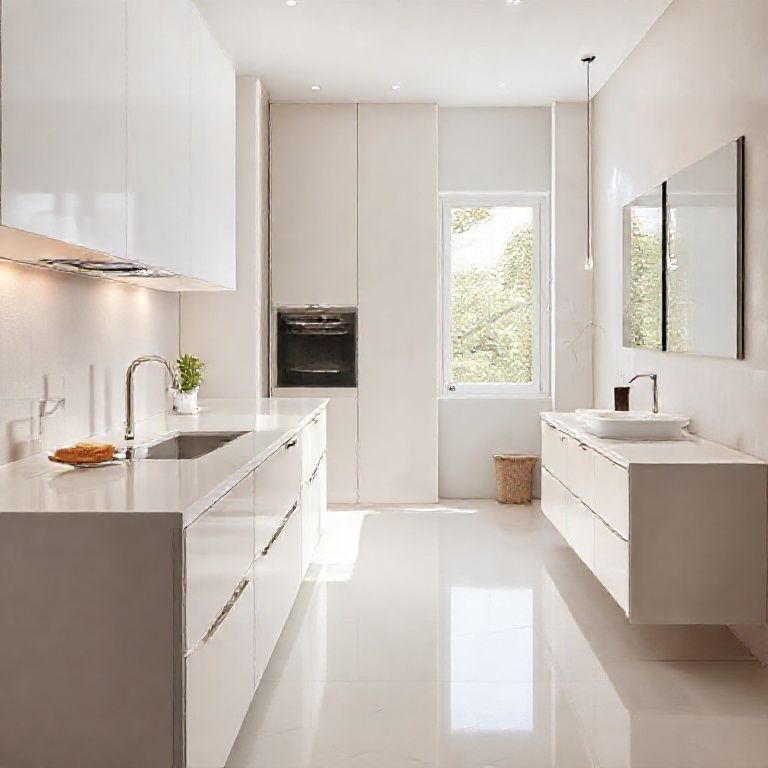
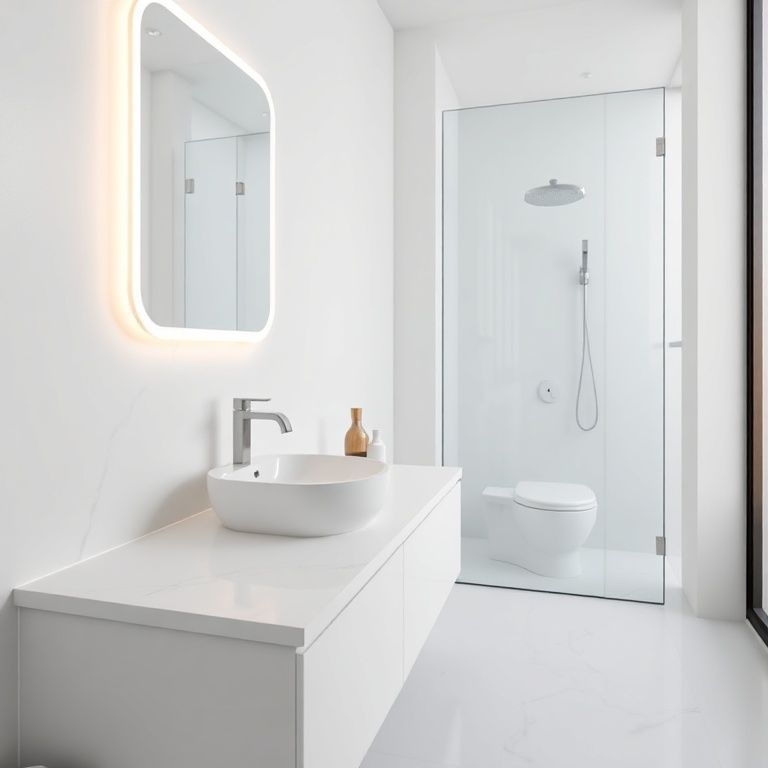
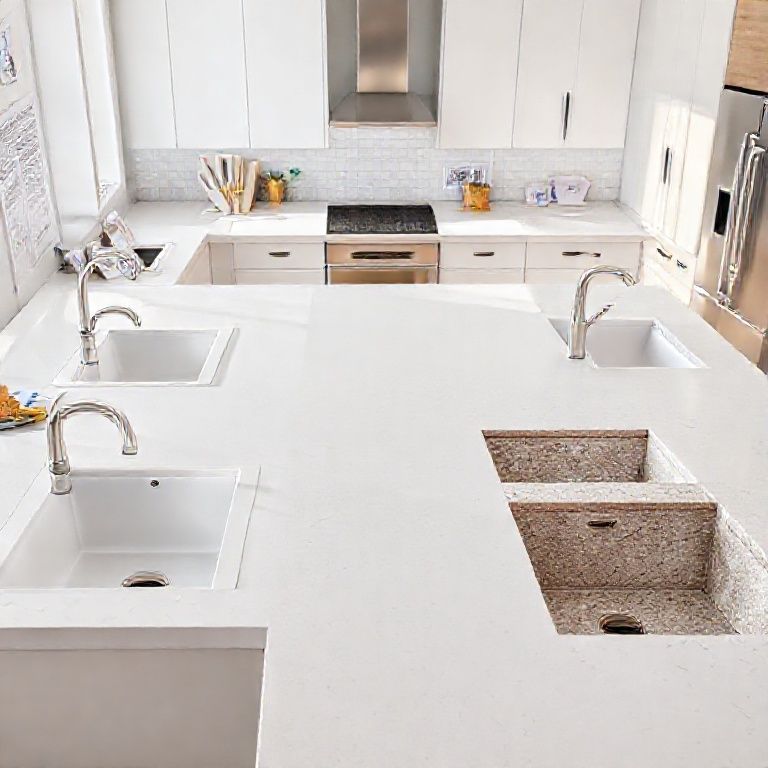
In the ever-evolving world of home design, the choice between quartzite and marble is a significant decision for many homeowners. These two materials stand out for their beauty, versatility, and inherent qualities. However, the primary question that often arises is: which one is more durable? To help you make an informed choice, we’ll delve deep into the comparative analysis of quartzite and marble, focusing on their strength, maintenance, and long-term performance.
The Nature of Quartzite
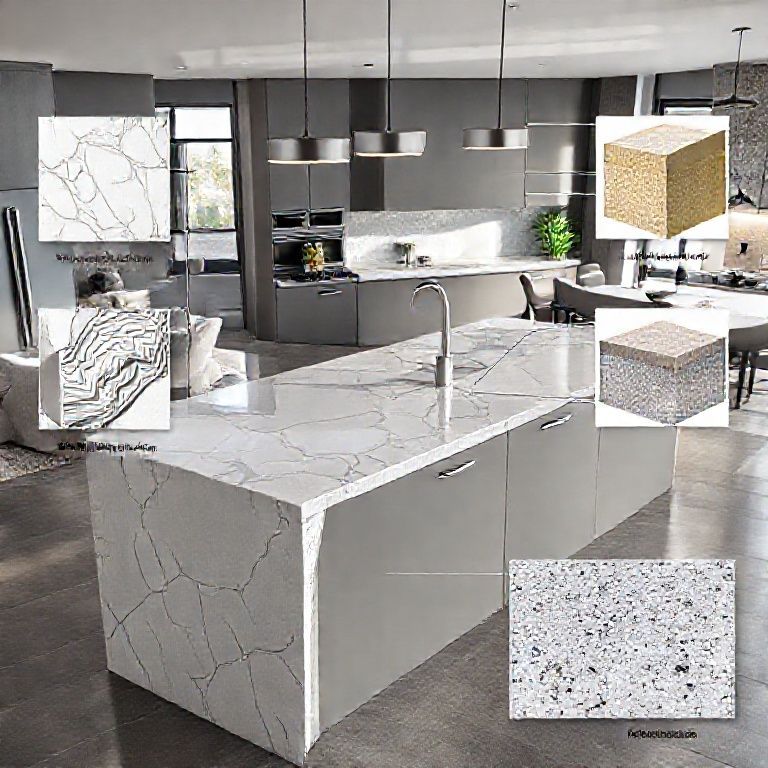
Quartzite is a type of metamorphic rock that is formed when quartz-rich sandstone is subjected to intense heat and pressure. This transformation results in a dense, fine-grained stone that is highly resistant to wear and tear. The primary component of quartzite is silica, which is the hardest naturally occurring substance on Earth. This inherent hardness makes quartzite an excellent choice for areas that require high durability and resistance to scratching and abrasion.
Unmatched Strength
One of the most striking features of quartzite is its hardness. The Mohs scale, which measures the hardness of minerals, rates quartz at a 7. When quartzite undergoes the metamorphosis process, it becomes even harder, achieving a rating of around 7.5 to 8. This means that quartzite can withstand significant wear and pressure without showing signs of damage. This makes it ideal for high-traffic areas such as kitchens, bathrooms, and commercial spaces.
Quartzite’s ability to resist scratches, dents, and stains is unparalleled. Unlike many other stones, quartzite does not exhibit significant discoloration when exposed to harsh chemicals or daily wear. Its uniform color and texture make it easy to clean and maintain, further adding to its long-term appeal.
Low Maintenance
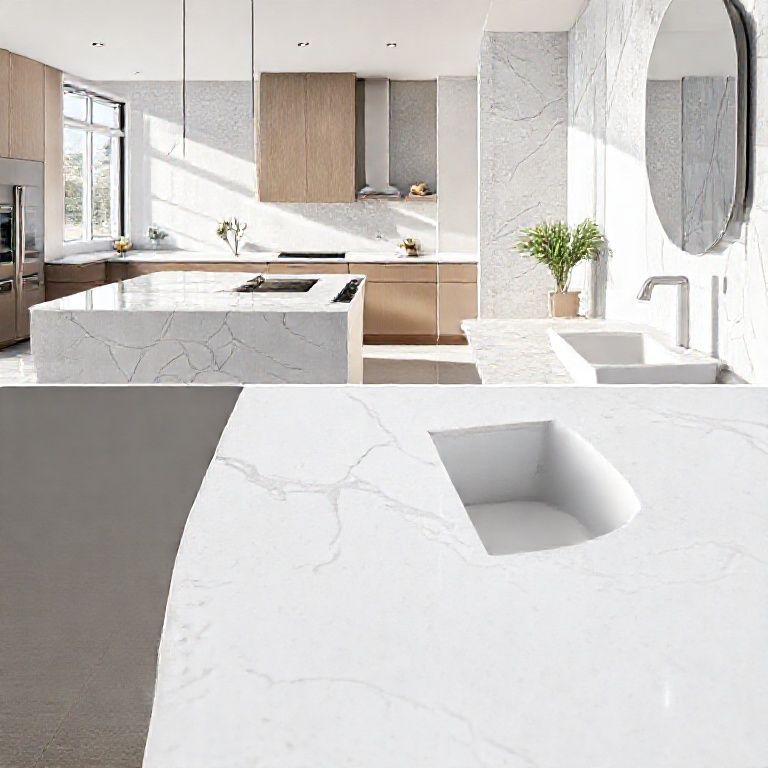
Another significant advantage of quartzite is its low maintenance requirement. Unlike some other stones that require sealing or regular upkeep to maintain their beauty and durability, quartzite does not need any special treatment. It is naturally hydrophobic, meaning it repels water and stains, which reduces the need for frequent cleaning. This simplicity makes quartzite an attractive option for busy households and commercial spaces alike.
Marble: A Classic Choice
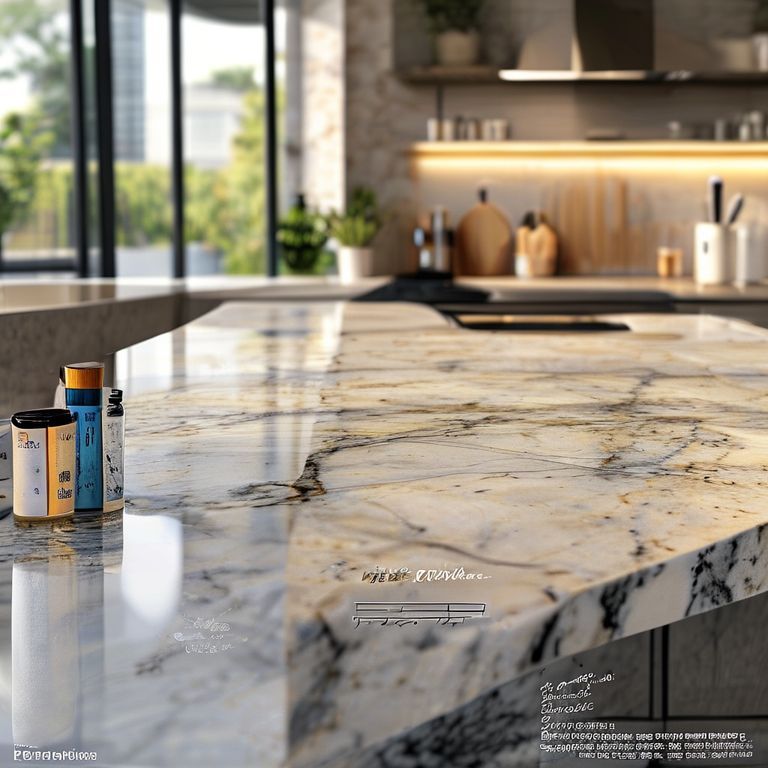
Marble, on the other hand, is a metamorphic rock that is formed from the transformation of limestone under heat and pressure. Renowned for its stunning veining and aesthetic appeal, marble has long been a favorite for both flooring and countertops. However, marble’s durability is a subject of debate.
Aesthetic Appeal
Marble is celebrated for its beauty and elegance. Its unique patterns and colors can add a touch of luxury to any space. However, this aesthetic comes with a set of challenges. Marble is composed of calcite, which is relatively soft compared to quartzite. On the Mohs scale, calcite rates at 3 to 4, making marble more susceptible to scratches, stains, and etching.
Maintenance Concerns
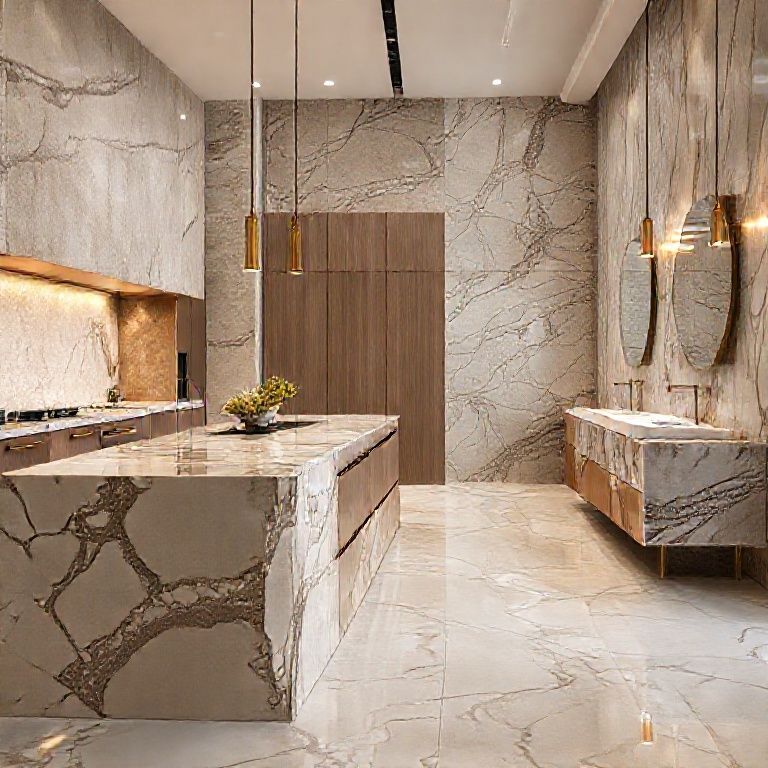
Marble requires regular maintenance to preserve its beauty and durability. It is essential to seal marble surfaces regularly to protect them from stains and etching caused by acidic substances like wine, juice, and even some cleaning agents. Failure to seal marble can result in permanent discoloration and damage.
Moreover, marble is porous, which means it can absorb liquids and stains. While this characteristic can enhance its aesthetic appeal, it also requires extra care to keep it looking its best. Daily cleaning with mild soap and water is recommended, followed by a thorough drying to prevent water spots and etching.
Comparative Durability
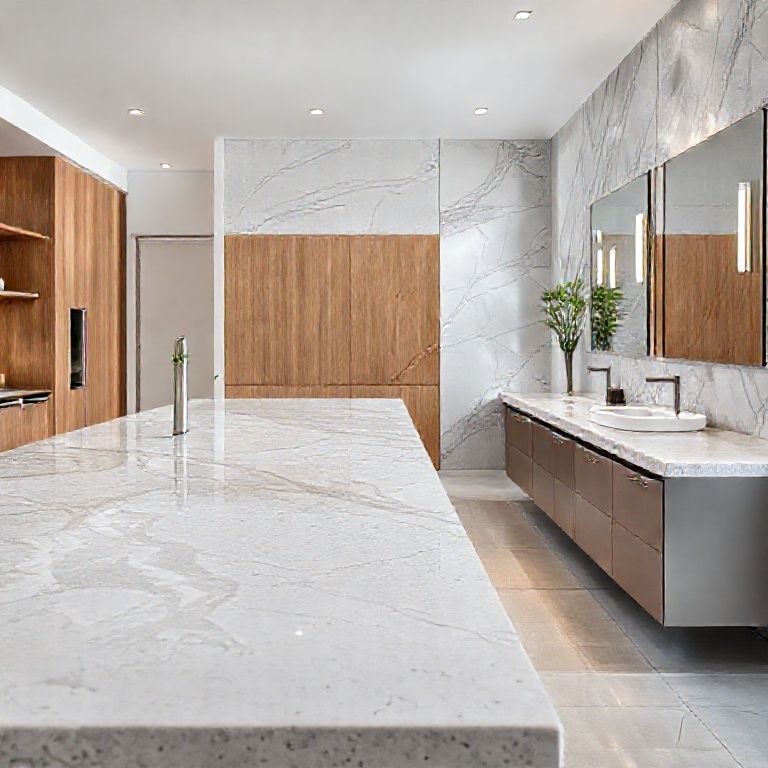
When comparing the durability of quartzite and marble, it becomes clear that quartzite holds the upper hand. Quartzite’s hardness, resistance to scratches, and low maintenance make it a superior choice for areas subjected to heavy use. In contrast, marble’s softness and porosity necessitate more diligent upkeep to maintain its appearance and integrity.
Conclusion of Part 1
In summary, quartzite stands out as a highly durable and low-maintenance option for both residential and commercial spaces. Its exceptional hardness and resistance to wear and stains make it an ideal choice for high-traffic areas. On the other hand, while marble offers unparalleled beauty and elegance, its softer nature and porosity require more frequent maintenance to preserve its stunning appearance. In the next part of our comparison, we will further explore the cost, installation, and design versatility of quartzite versus marble to provide you with a comprehensive understanding of these two magnificent materials.
Continuing our in-depth comparison of quartzite and marble, it’s essential to consider additional factors that influence the decision-making process for homeowners and designers alike. These include cost, installation, and design versatility. Understanding these aspects will help you make an informed choice based on your specific needs and preferences.
Cost Analysis
When considering the cost of quartzite versus marble, it’s important to take into account the price per square foot for both materials. While marble has long been celebrated for its beauty, it often comes with a higher price tag due to its unique veining and the labor-intensive process required for its installation.
Quartzite Pricing
Quartzite is generally more affordable than marble. The cost of quartzite can vary depending on the color and pattern, but it typically ranges from $15 to $40 per square foot for flooring and from $20 to $50 per square foot for countertops. The cost efficiency of quartzite makes it an attractive option for many homeowners looking for a durable, high-quality material without breaking the bank.
Marble Pricing
Marble, with its luxurious and unique appearance, tends to be more expensive. The cost of marble can range from $50 to $200 per square foot for flooring and from $75 to $200 per square foot for countertops. The higher price point is often justified by its aesthetic appeal and the perceived value it adds to a space.
Installation Considerations
The installation process for quartzite and marble also plays a significant role in the overall decision. Each material has its own set of requirements and challenges, which can affect the ease and cost of installation.
Quartzite Installation
Quartzite is known for its ease of installation. It can be installed using standard tile or stone installation techniques, which makes it suitable for both DIY enthusiasts and professional installers. The material’s hardness ensures a strong bond with the underlying surface, contributing to a long-lasting installation. Additionally, quartzite tiles are often pre-cut and come in uniform sizes, simplifying the installation process.
Marble Installation
Marble, while beautiful, requires more specialized installation techniques due to its softer nature. It is often installed using a mastic or thin-set mortar, which provides a strong bond but requires more labor and expertise. Marble tiles are typically cut to fit the specific dimensions of the installation area, which can add to the complexity and cost of the project. Moreover, marble’s porosity necessitates careful handling to prevent damage during installation.
Design Versatility
Design versatility is another crucial factor when choosing between quartzite and marble. Both materials offer unique aesthetic possibilities, but their characteristics lend themselves to different design styles and applications.
Quartzite Design Versatility
Quartzite’s uniform color and texture make it highly versatile in design. It can be used in various settings, from kitchens and bathrooms to living rooms and commercial spaces. The material’s durability ensures that it can withstand the demands of high-traffic areas without showing signs of wear. Quartzite’s sleek, modern appearance also complements both contemporary and traditional design styles.
Marble Design Versatility
Marble’s unique veining and color variations make it a favorite for design-centric applications. Its aesthetic appeal lends itself well to luxury interiors, where its beauty can be showcased without the need for extensive maintenance. Marble is often used in high-end kitchens, bathrooms, and dining areas. Its classic, timeless look adds a sense of elegance and sophistication to any space.
Practical Applications
To further understand the practical applications of quartzite and marble, let’s explore some common uses for each material.
Quartzite Applications
Flooring: Quartzite’s durability and low maintenance make it an excellent choice for flooring in high-traffic areas such as kitchens, bathrooms, and commercial spaces. Its resistance to scratches and stains ensures that it remains beautiful and functional over time.
Countertops: Quartzite countertops are incredibly popular in kitchens and bathrooms due to their durability and ease of cleaning. They are resistant to heat, stains, and scratches, making them ideal for areas where daily use and exposure to harsh chemicals are common.
Backsplashes: Quartzite backsplashes offer a sleek, modern look that is both stylish and easy to maintain. Their resistance to water and stains makes them perfect for areas near sinks and stoves.
Marble Applications
Flooring: While marble is softer than quartzite, it is still used for flooring in areas where its beauty can be highlighted without excessive maintenance. Marble flooring is often found in entryways, living rooms, and dining areas where its elegance can be showcased.
Countertops: Marble countertops are a classic choice for luxury kitchens and bathrooms. Their unique veining and color variations都吸引许多人。
虽然它们需要定期保养,但其视觉上的奢华感让它们成为高端设计的绝佳选择。
墙面和吊顶: 高品质的大理石常用于墙面和吊顶,特别是在豪华的住宅和商业空间。它们的独特纹理和色彩为空间增添了一层高雅的质感。
综合比较
耐久性: 在耐久性方面,石英石无疑占据优势。其高硬度和耐磨性使其能够应对日常使用的磨损,而且不容易发生划痕和污渍。相比之下,大理石虽然美观,但其较低的硬度使其更容易受到刮擦和酸性物质的影响。
维护成本: 石英石由于其耐用性和低维护需求,通常在长期使用中更具经济效益。大理石则需要定期的密封处理以防止污渍和酸性物质的损害,这增加了其维护成本。
美观性: 在美观性上,两者各有千秋。石英石提供了简约、现代的外观,适合各种风格的设计。大理石则以其独特的天然纹理和丰富的色彩赋予空间一种奢华和经典的感觉。
环保性: 石英石通常是用高温压制技术制成的,这一过程不需要使用大量的化学品,因此在环保方面具有优势。大理石则是天然石材,但其开采和运输过程可能对环境造成一定影响。
最终建议
选择石英石还是大理石,最终取决于您的具体需求和偏好。如果您倾向于现代、简约的设计风格,并且希望材料具有高耐用性和低维护成本,那么石英石可能是最佳选择。如果您更喜欢传统、奢华的装饰效果,并且愿意为其定期保养付出,那么大理石无疑会为您的空间增添独特的美感和品味。
无论选择哪一种材料,都应考虑其在特定应用环境中的表现和维护需求,以确保长期的使用满意度和美观性。